
You pull into the quick-lube shop, expecting a routine $40 service, only to leave 45 minutes later with a $95 bill and a list of “urgent” recommendations for your air filter, wiper blades, and coolant. This scenario plays out thousands of times every day across the country. As service prices climb and labor rates soar, you might find yourself staring at your car in the driveway, wondering if you should just handle the oil change yourself. After all, it is the most basic piece of car maintenance, yet it remains one of the most outsourced tasks in American households.
The math seems simple on the surface. You buy the oil, you buy the filter, and you spend thirty minutes under the chassis to save a few bucks. But when you factor in the cost of tools, the mess of disposal, and the value of your Saturday afternoon, the “car maintenance savings” equation becomes more complex. You are essentially deciding whether to trade your time for a specific dollar amount. This guide breaks down the true diy oil change cost, examines the hidden hurdles, and helps you decide if doing it yourself is a smart financial move or a frustrating waste of energy.
The Real Math: DIY vs. The Professional Shop
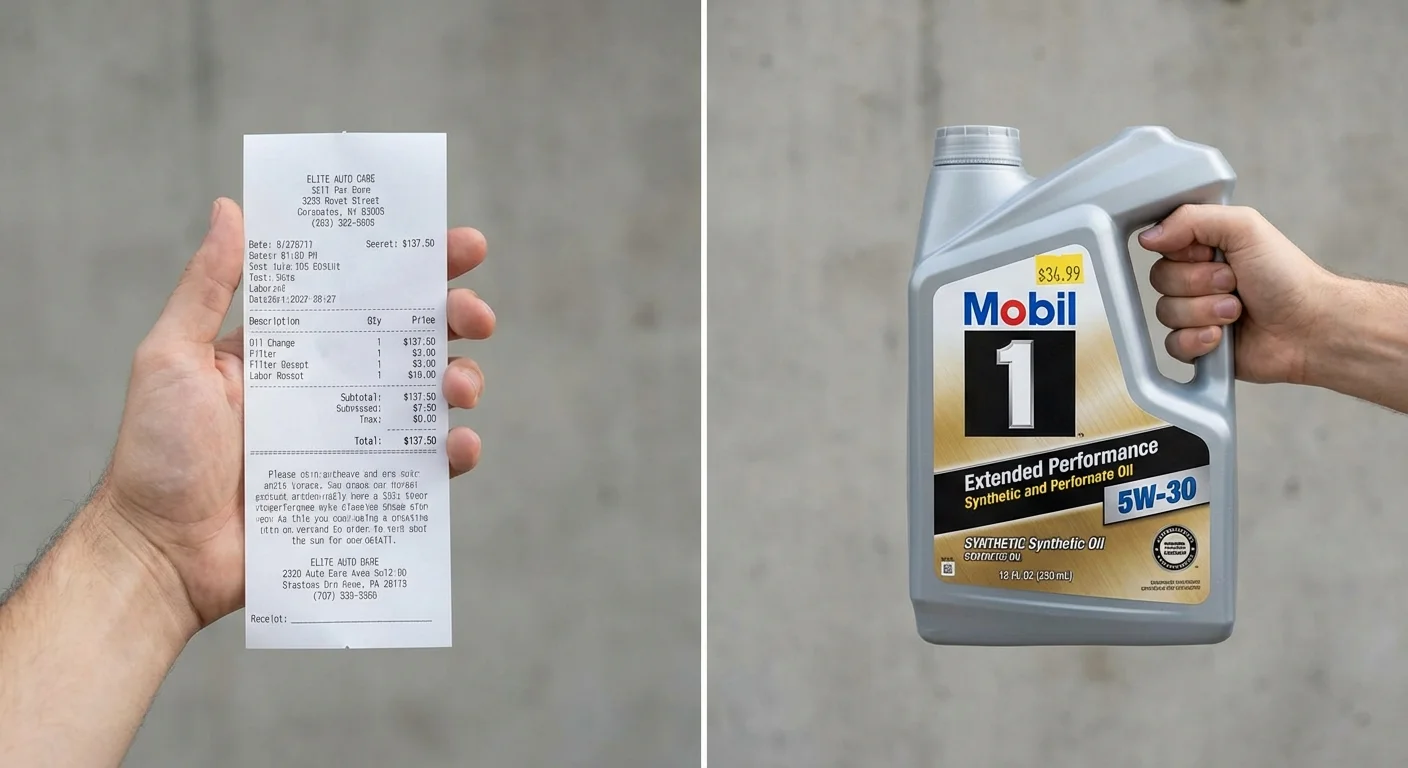
To determine if the effort pays off, you must look past the sticker price and analyze the total cost of ownership for the supplies and tools. Professional oil changes vary wildly depending on your location and the type of oil your vehicle requires. Conventional oil changes are becoming rare as newer engines demand full synthetic oil, which offers better protection but carries a higher price tag.
According to data from Kelley Blue Book, a professional synthetic oil change typically ranges from $70 to $125 depending on the vehicle and region. In contrast, you can often purchase a five-quart jug of high-quality full synthetic oil for $25 to $35 at a major retailer and a high-grade filter for $8 to $15. This puts your raw material cost at roughly $35 to $50.
| Expense Category | Professional Service (Synthetic) | DIY (Synthetic) |
|---|---|---|
| Oil & Filter Cost | $45.00 – $60.00 (Wholesale markup) | $35.00 – $50.00 |
| Labor & Overhead | $30.00 – $60.00 | $0.00 |
| Shop Supplies/Fees | $3.00 – $10.00 | $0.00 |
| Total Per Change | $78.00 – $130.00 | $35.00 – $50.00 |
On a per-visit basis, you are saving between $40 and $80. While our title suggests a $30 saving, modern synthetic requirements have actually pushed the potential savings higher. If you drive a truck or SUV that requires seven or eight quarts of oil, your savings grow even larger because shops often charge a significant premium for every quart over the standard five.
“It’s not your salary that makes you rich, it’s your spending habits.” — Charles A. Jaffe

The Tool Investment: The “Start-Up” Cost
You cannot change your oil with your bare hands. If you are starting from zero, the first oil change will actually cost you significantly more than a trip to the dealership. To perform the job safely and effectively, you need a specific set of equipment. Safety is the most critical factor here; you must never work under a car supported only by a portable jack.
- Floor Jack and Jack Stands: A reliable set will cost you between $100 and $150. These are non-negotiable for safety.
- Oil Filter Wrench: Different cars require different styles (cap style, strap style, or plier style). Budget $10 to $15.
- Socket Set: You need a wrench and the correct size socket for your drain plug (usually 13mm to 17mm). A decent starter set costs $30.
- Drain Pan: A container to catch and transport the old oil. Budget $15.
- Funnel and Rags: Small but necessary items. Budget $10.
Your total initial investment for tools will sit around $165 to $220. This means you won’t truly see a “profit” on your DIY efforts until your third or fourth oil change. However, these tools last for decades. Once you own them, every subsequent oil change contributes directly to your household savings. If you own two vehicles and change the oil twice a year for each, you will recoup your tool investment in less than 18 months.
The Hidden Value of the “Check-Up”
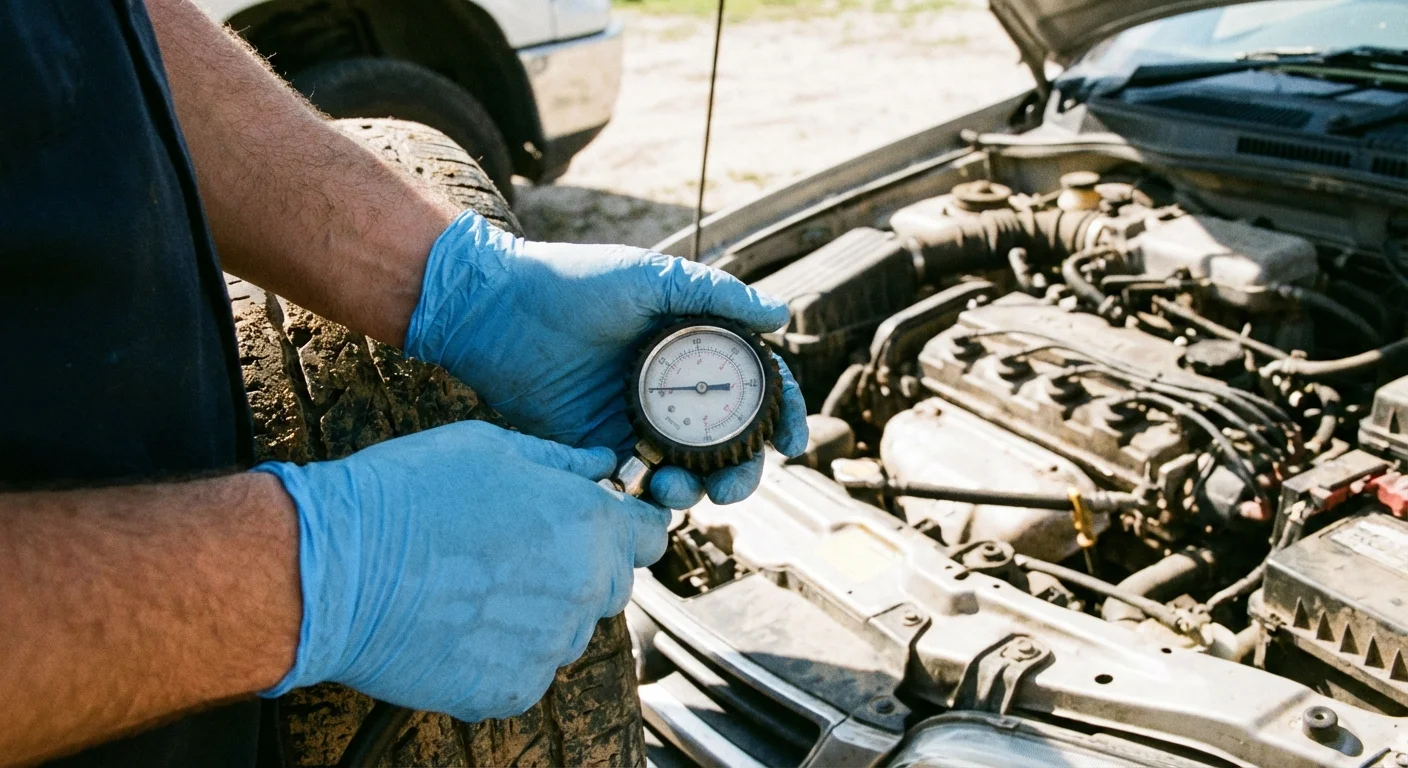
One of the primary arguments against the DIY approach is that professional technicians perform a “multi-point inspection.” They check your tire pressure, brake fluid, battery health, and belts. When you change your own oil, you lose that second set of eyes on your vehicle’s health.
However, you can easily perform these checks yourself with five minutes of YouTube research and a $10 tire pressure gauge. Furthermore, many “quick lube” technicians are entry-level employees working under strict time quotas. They might miss a subtle leak or, worse, over-torque your drain plug, stripping the threads and causing a multi-hundred-dollar repair. When you do it yourself, you take the time to clean the mating surfaces, lubricate the filter gasket, and ensure the drain plug is snug but not crushed. This “quality control” is a significant, albeit non-monetary, benefit of the DIY approach.
Is DIY Worth It? The Time vs. Money Trade-off
To decide if the effort is worth it, you have to calculate your “effective hourly rate.” A professional oil change usually takes about 60 minutes when you include the drive to the shop, the wait in the lobby, and the drive back. A DIY oil change, once you are experienced, takes about 30 to 45 minutes of active work.
If you save $50 by doing 45 minutes of work, your “tax-free” hourly rate is roughly $66 per hour. For many Americans, that is a higher rate than they earn at their primary job. If you enjoy mechanical tasks, this isn’t even “work”—it’s a productive hobby. If you find the process stressful and messy, that $50 saving might feel like a poor trade for your peace of mind.
Consider the logistics of oil disposal as well. You cannot simply throw old oil in the trash or pour it down the drain. You must seal it in a container and drive it to a local auto parts store or recycling center. The Environmental Protection Agency (EPA) provides resources on why proper disposal is vital—just one gallon of used oil can contaminate one million gallons of fresh water. Most retailers like AutoZone or O’Reilly Auto Parts accept used oil for free, but this adds another errand to your list.
Savings Killers: How DIY Can Get Expensive
The goal is car maintenance savings, but certain mistakes can turn a $40 project into a $4,000 disaster. If you want to ensure your DIY efforts actually save you money, you must avoid these common “savings killers”:
- The Double Gasket: If the old oil filter’s rubber O-ring sticks to the engine block and you screw the new filter on top of it, the seal will fail. When you start the engine, oil will spray out under high pressure, potentially seizing your engine within minutes. Always verify the old gasket came off with the old filter.
- Stripping the Drain Plug: Using the wrong size wrench or over-tightening the bolt can strip the threads on your oil pan. Replacing an oil pan can cost $300 to $700. Use a torque wrench if you are unsure of your strength.
- Using the Wrong Oil: Modern engines have tight tolerances. Using 10W-30 in an engine designed for 0W-20 can reduce fuel economy and cause premature wear. Check your owner’s manual or the American Petroleum Institute (API) ratings on the bottle to ensure compatibility.
- Improper Lifting: Never rely on a scissor jack (the one in your trunk for spares) to hold the car up while you are underneath it. These jacks are notoriously unstable. A hospital bill will instantly negate twenty years of oil change savings.

DIY vs. Professional: Which One Should You Choose?
There is no one-size-fits-all answer, as the “is diy worth it” question depends heavily on your vehicle and your living situation. Use these scenarios to help guide your choice:
Choose DIY If:
— You own multiple vehicles and can spread the tool costs across them.
— Your vehicle requires synthetic oil (where the price gap is largest).
— You have a flat, paved driveway or garage to work in.
— You want to ensure the highest quality parts (like premium synthetic filters) are used.
— You want to avoid the high-pressure sales tactics for unnecessary add-on services.
Choose a Professional If:
— You live in an apartment complex that bans automotive work in the parking lot.
— Your car is under a specific manufacturer maintenance plan that provides free service.
– You drive an exotic or European car that requires specialized tools or has a complex belly-pan removal process.
— You have physical limitations that make crawling under a car difficult or painful.

The “Upsell” Factor: The Hidden Cost of Professional Shops
When you ask if an oil change is worth the time, you must also consider the “nuisance cost” of professional shops. The oil change is often a “loss leader” for service centers. They offer a low price on the oil change to get you through the door so they can find other things to fix. While some recommendations are legitimate, others are highly marked up.
For example, a shop might charge you $30 to $50 to replace a cabin air filter. You can typically buy that same filter for $12 and install it in two minutes without tools. If you do your own oil change, you aren’t just saving on the oil; you are shielding yourself from the $150 in “suggested repairs” that often accompany a professional visit. Being intentional with your car maintenance allows you to research those other repairs and perform them on your own schedule using resources from sites like Edmunds or Consumer Reports.
Maximizing Your DIY Savings
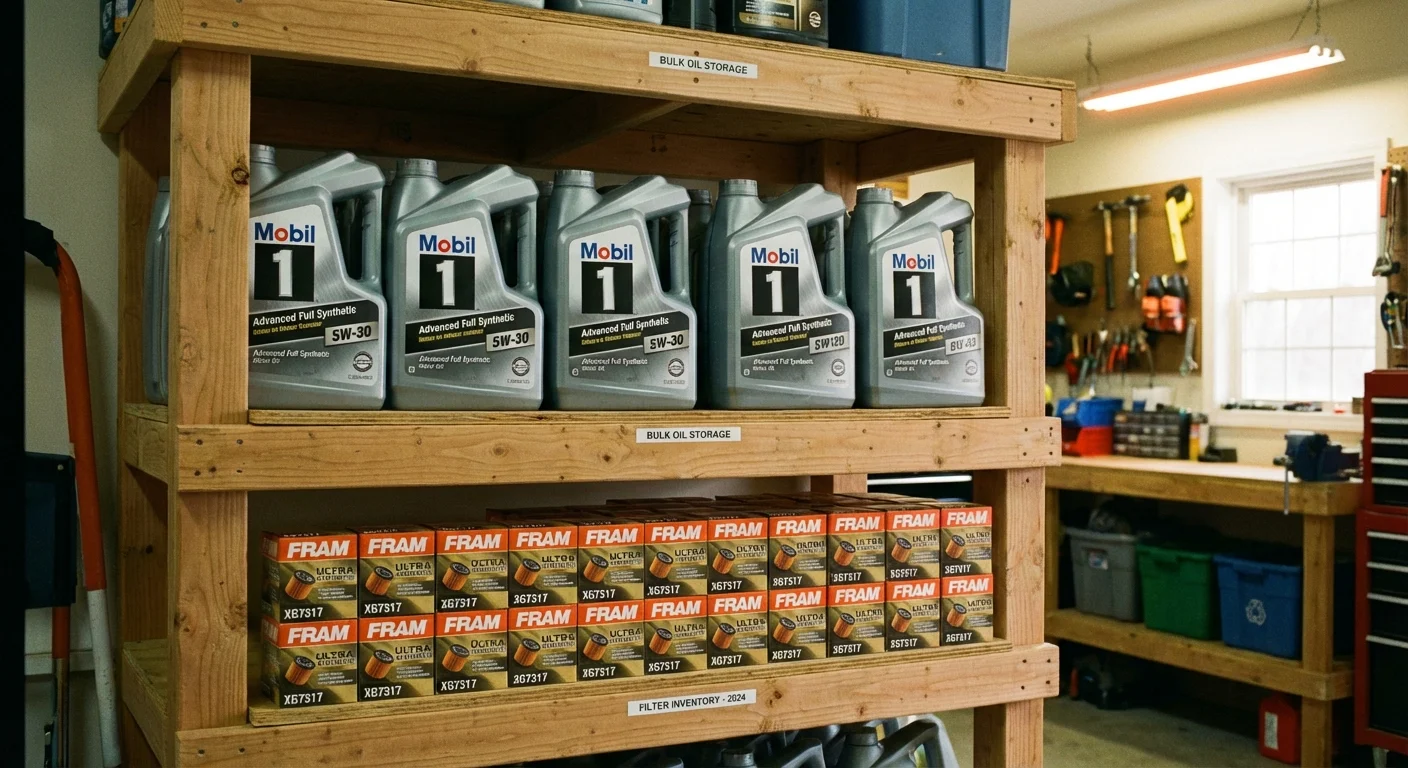
If you decide to take the plunge, you can optimize your savings by shopping like a pro. Don’t buy your oil and filter at the counter of a dedicated auto parts store at full price. Instead, look for “oil change specials” that bundle five quarts of oil and a filter for a discounted price. Alternatively, big-box retailers like Walmart often sell the exact same brand of synthetic oil for $10 less than the auto parts chains.
Another tip is to buy your filters in bulk online. If you know you will own your car for the next five years, buying a six-pack of OEM (Original Equipment Manufacturer) filters can drop your per-filter cost by 30% or more. This turns your diy oil change cost into a predictable, low-cost line item in your monthly budget.
“Beware of little expenses; a small leak will sink a great ship.” — Benjamin Franklin

Step-by-Step Financial Protection
If you are worried about your vehicle’s warranty, rest easy. The Federal Trade Commission (FTC) enforces the Magnuson-Moss Warranty Act, which prohibits manufacturers from voiding your warranty just because you performed your own maintenance. However, you must keep records. To protect yourself, keep a small notebook in your glove box and staple the receipts for the oil and filter to the pages. Record the date and the mileage for every service. This documentation proves you maintained the vehicle according to the manufacturer’s schedule and preserves the car’s resale value.
Frequently Asked Questions
How long does a DIY oil change actually take?
For a beginner, expect to spend about 90 minutes. This includes set-up, looking for the right tools, and cleaning up. Once you have a routine and your tools are organized, you can easily finish the job in 30 minutes from start to finish.
Does doing it myself save enough money to buy the tools?
Yes, but not immediately. Typically, you will break even on the tools after your third oil change. After that, you are saving roughly $50 per service. If you change your oil twice a year, the tools pay for themselves in 18 months and then provide pure savings for the rest of your life.
What do I do with the old oil?
You must recycle it. Most major auto parts stores (AutoZone, Advance Auto, O’Reilly) have a large vat in the back and will take your used oil for free. Simply pour it from your drain pan into the empty jugs your new oil came in, and drop them off the next time you are out running errands.
Will I get messy?
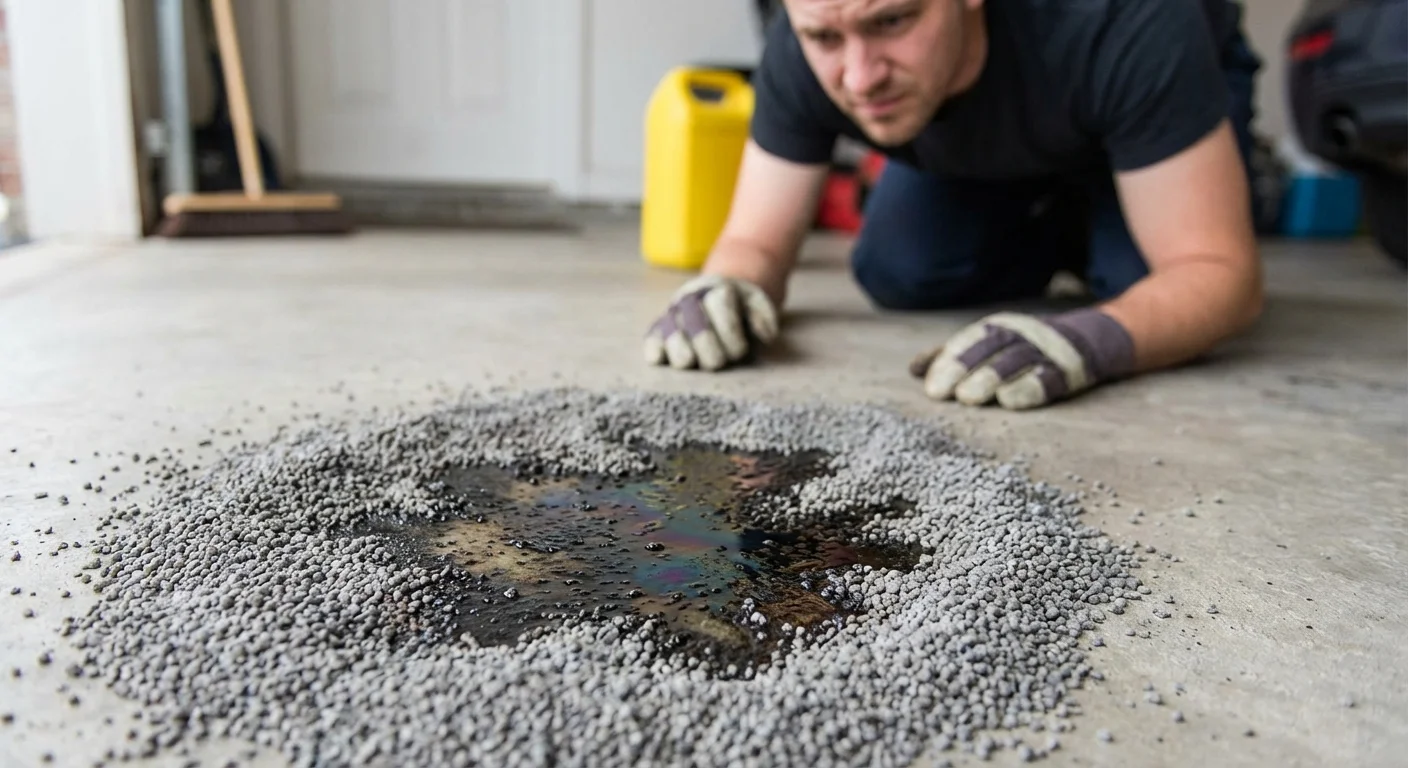
Probably, especially the first few times. Wearing nitrile gloves and having a bag of “oil dry” or even kitty litter on hand can help manage spills. As you get better at positioning the drain pan, you will find that you can complete the job without getting more than a few drops on your hands.
The Final Verdict: Is it Worth It?
If you are looking at the DIY oil change purely as a way to “get rich quick,” you will be disappointed. Saving $50 every six months won’t change your tax bracket. However, if you view it as part of a larger strategy of intentional spending and self-reliance, it is incredibly valuable. Performing your own maintenance connects you to your vehicle, helps you spot potential problems before they become expensive breakdowns, and keeps $100 to $200 in your pocket every single year.
The best approach for most people is to try it once. Buy the basic tools, watch a high-quality video specific to your make and model, and take your time. If you find the process empowering, you’ve just unlocked a lifetime of savings. If you hate every second of it, you can go back to the shop knowing exactly what you are paying for—and you’ll still have the tools in the garage for the next time you need to jack up the car to change a flat tire.
The savings estimates in this article are based on typical costs and may differ in your area. Always compare current prices and consider your household’s specific needs. Check your owner’s manual for the correct oil weight and capacity before beginning any work on your vehicle.
Last updated: February 2026. Prices change frequently—verify current costs before purchasing.









Leave a Reply