
Most drivers view tires as a “grudge purchase”—an expensive, unavoidable necessity that always seems to come at the worst possible financial moment. If you walk into a tire shop today without a plan, you can easily drop $800 to $1,200 on a set of four mid-range tires for a standard SUV or sedan. However, tires do not have to be a recurring financial crisis. By shifting your approach from reactive replacement to proactive maintenance, you can effectively push your next purchase back by two or three years; this keeps roughly $600 in your pocket over the life of your vehicle.
Tires are the only point of contact between your multi-ton vehicle and the pavement. When they wear out prematurely, it is rarely due to a manufacturing defect. Instead, it usually stems from three culprits: improper inflation, neglected rotations, and poor wheel alignment. Mastering these three variables—and knowing exactly when and where to buy your next set—transforms a major expense into a manageable part of your household budget.

The Financial Impact of Better Tire Care
Before diving into the mechanics of maintenance, look at the potential ROI. A typical set of all-season tires is rated for 65,000 miles. Without maintenance, many drivers find their treads reaching the “danger zone” at just 35,000 or 40,000 miles. You are essentially throwing away 40% of the money you spent. If you can bridge that gap and hit the full 65,000-mile mark, you significantly reduce your “cost per mile.”
| Maintenance Habit | Estimated Savings | Primary Benefit |
|---|---|---|
| Monthly Pressure Checks | $100 – $150 | Improved fuel economy and even tread wear |
| Regular Rotations (every 6k miles) | $200 – $300 | Extends tread life by 20% to 30% |
| Annual Wheel Alignment | $150 – $250 | Prevents “feathering” and rapid inner-edge wear |
| Strategic Buying (Sales/Rebates) | $100 – $200 | Lower upfront acquisition cost |
According to data from Energy.gov, you can improve your gas mileage by up to 3% simply by keeping your tires inflated to the proper pressure. While 3% sounds small, it adds up to hundreds of dollars in fuel savings over the life of the tires, effectively subsidizing the cost of your next set.
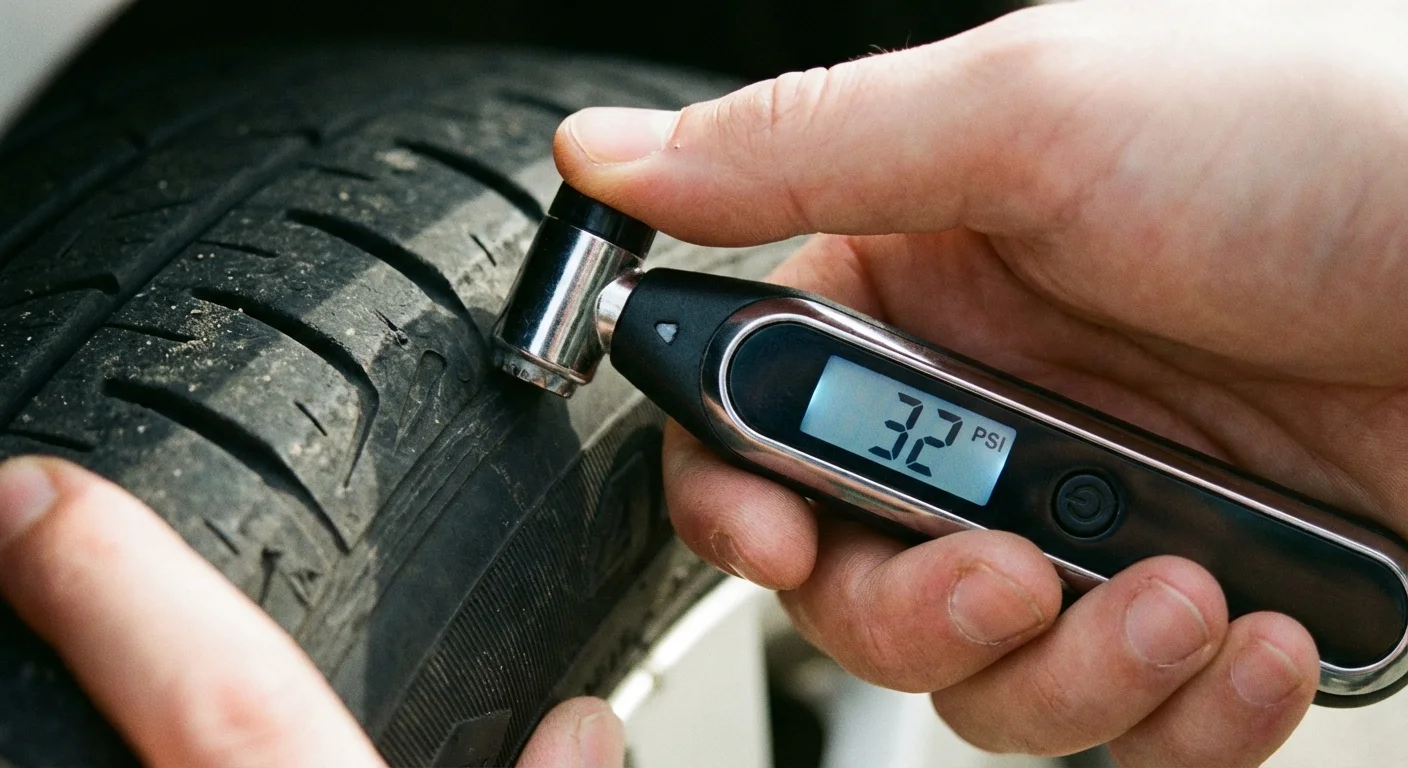
The Number One Killer of Tires: Improper Inflation
Under-inflation is the silent thief of tire longevity. When a tire lacks sufficient air, the sidewalls flex excessively, generating heat that breaks down the internal rubber compounds. Furthermore, the tire’s “footprint” flattens out, putting excessive pressure on the outer shoulders of the tread. This causes the edges to bald while the center remains deep—a recipe for an early trip to the tire shop.
You cannot rely on your vehicle’s Tire Pressure Monitoring System (TPMS) as a maintenance tool. By the time that dashboard light flickers on, your tire is likely 25% or more below the recommended pressure. At that point, damage is already occurring. Instead, purchase a high-quality digital pressure gauge for $15 and check your tires once a month when they are “cold” (meaning the car has been parked for at least three hours).
Do not look at the maximum PSI listed on the tire sidewall; that number is the limit the tire can hold, not what your car requires. Instead, open your driver’s side door and look for the “Tire and Loading Information” sticker on the door jamb. This provides the exact PSI recommended by the engineers who designed your vehicle. Maintaining this specific number ensures the tread meets the road exactly as intended, maximizing both safety and lifespan.
“Beware of little expenses; a small leak will sink a great ship.” — Benjamin Franklin
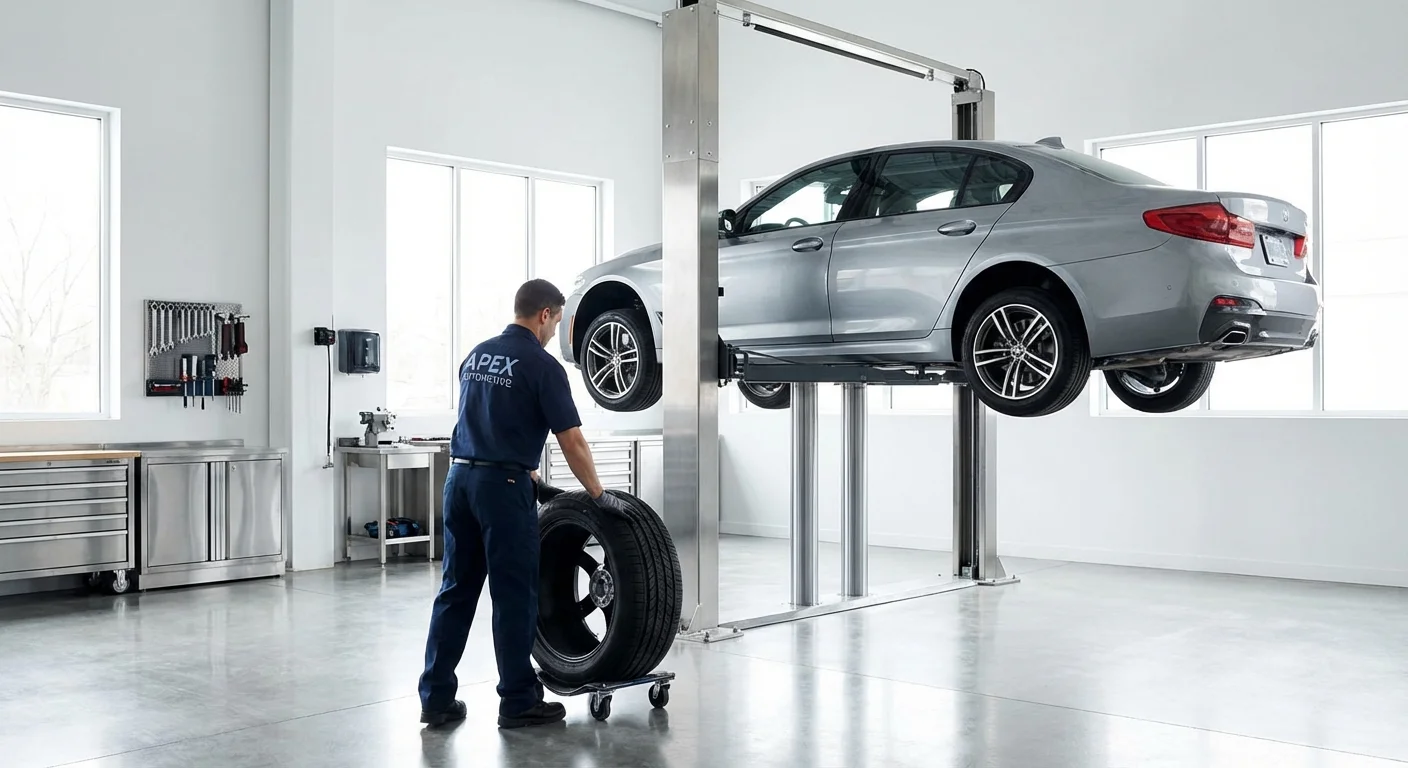
The Magic of the 6,000-Mile Rotation
Your front and rear tires perform vastly different jobs. In a front-wheel-drive car, the front tires handle the brunt of the braking, steering, and power delivery. They wear out significantly faster and in different patterns than the rear tires, which mostly follow along for the ride. If you never rotate them, you will find yourself replacing two front tires every two years while the rears rot from old age.
Rotating your tires every 5,000 to 7,000 miles—essentially every time you change your oil—evens out these wear patterns. It allows the tires that were stressed on the front to “rest” on the back. This simple act can extend the life of a set by 10,000 miles or more. Many national chains, such as Discount Tire or Costco, offer free lifetime rotations if you purchase the tires from them. Even if you have to pay, a tire rotation cost typically hovers around $30 to $50; this is a small price to pay to protect an $800 investment.
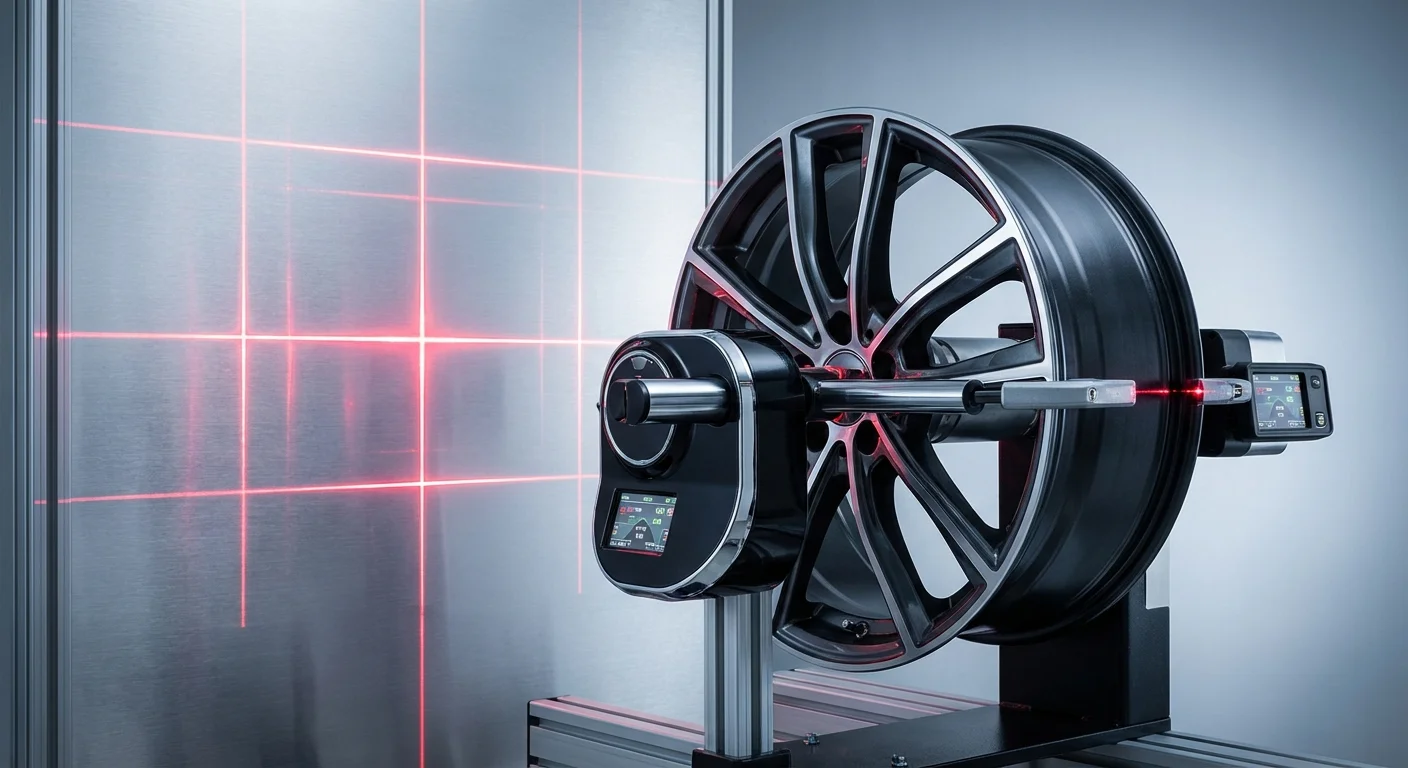
Alignment: The Silent Alignment of Your Wallet
If your car pulls to one side or your steering wheel is slightly off-center while driving straight, your wheel alignment is likely out of spec. Potholes, curb strikes, and even general wear on suspension components can knock your wheels out of their precise geometric positions. When wheels are misaligned, they essentially “drag” across the pavement rather than rolling smoothly.
This “dragging” creates a wear pattern known as feathering or cupping. In extreme cases, a bad alignment can destroy a brand-new tire in less than 5,000 miles. An alignment check usually costs between $80 and $120. While it feels like an annoying extra expense, it is far cheaper than replacing a tire that has been ground down to the metal wires because it was tilted inward at the wrong angle. Most experts recommend an alignment check once a year or whenever you install new tires.
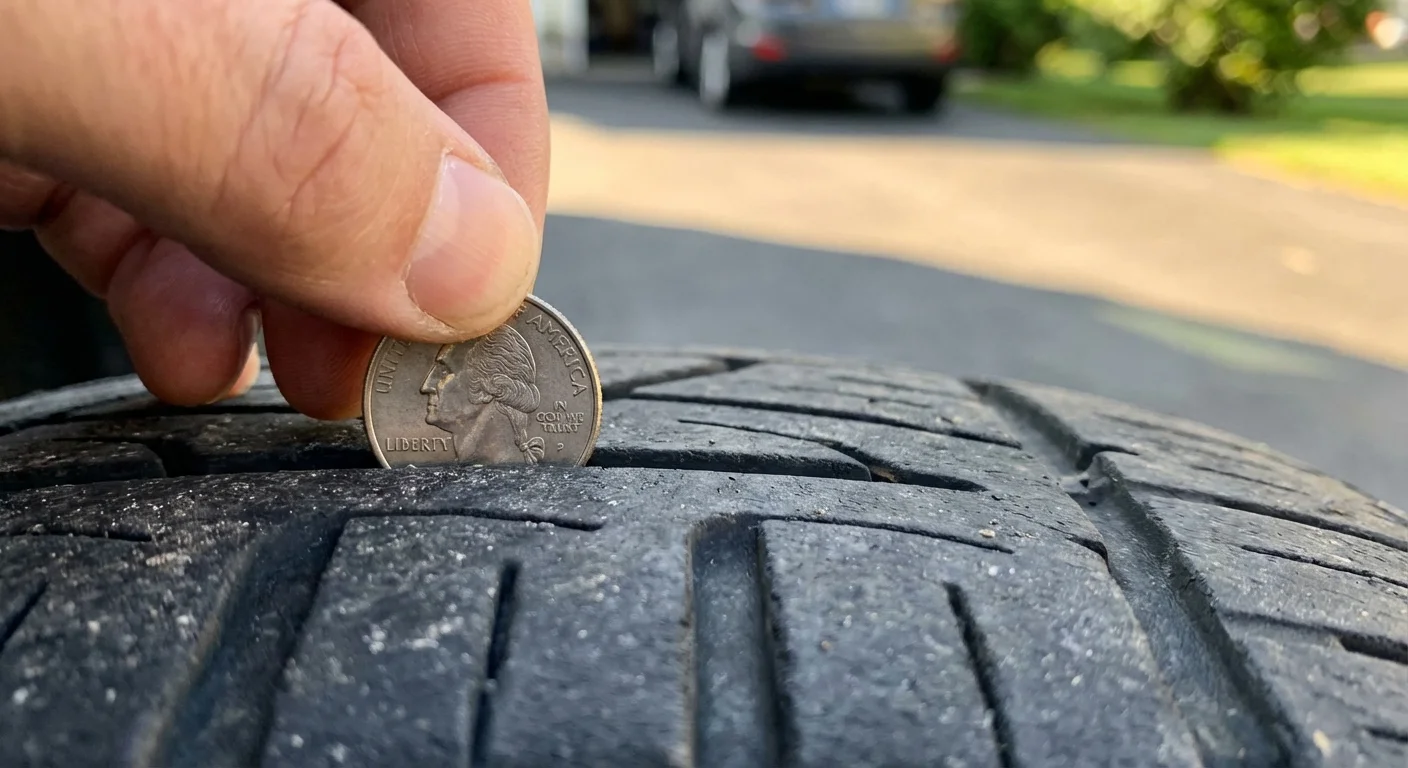
The Penny Test vs. The Quarter Test
Knowing when to replace tires is just as important as maintaining them. If you replace them too early, you waste money. If you wait too long, you risk a blowout or a hydroplaning accident. The “penny test” is the traditional standard—insert a penny into the tread with Lincoln’s head upside down. If you can see the top of his head, your tread is below 2/32 of an inch and is legally worn out.
However, safety advocates at Consumer Reports suggest using a quarter instead. If the tread doesn’t reach the top of Washington’s head (4/32 of an inch), your stopping distance in wet weather increases dramatically. For the best balance of safety and savings, start shopping for replacements when you hit the 4/32 mark, rather than waiting for the tires to go completely bald. This gives you time to wait for a sale rather than buying in an emergency.
How to Save $200+ on the Purchase Itself
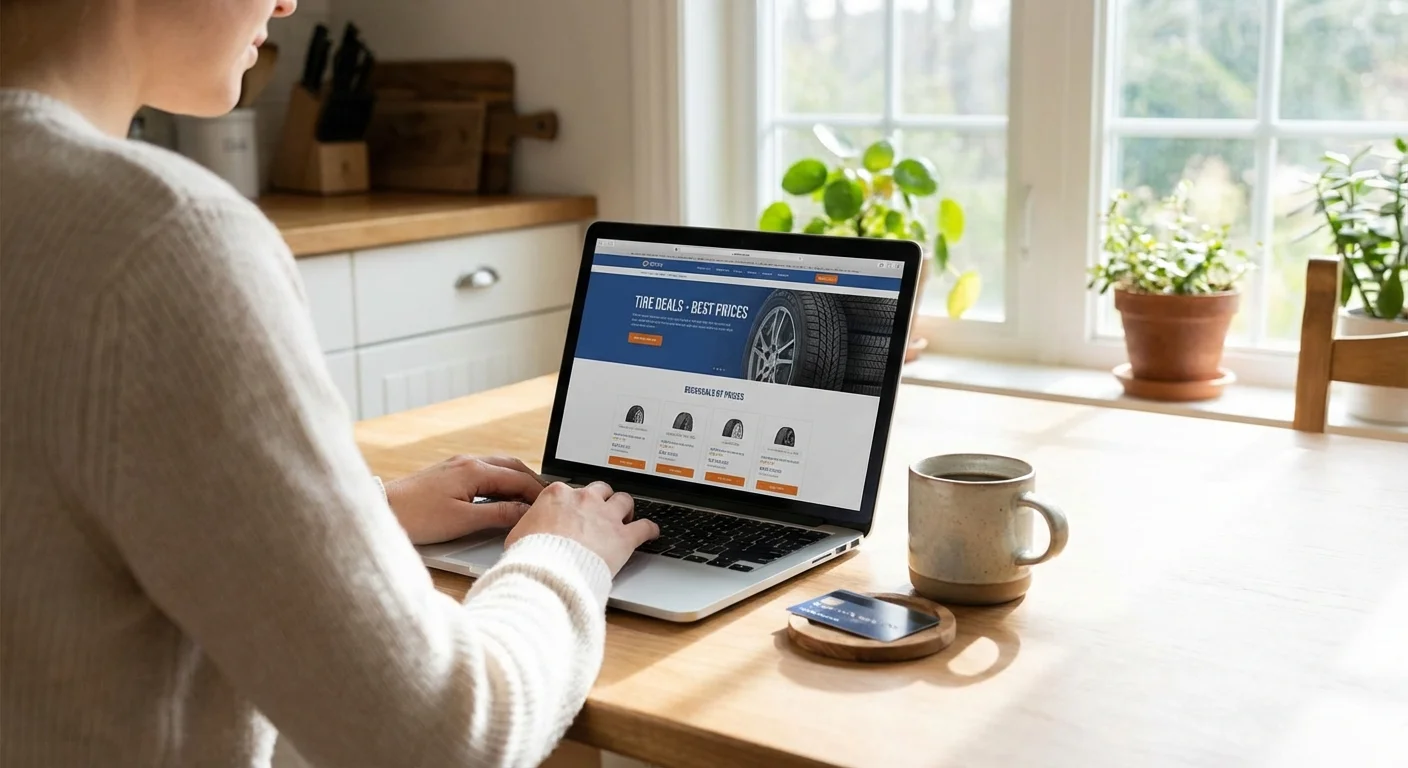
When the time finally comes to buy, your strategy dictates your savings. Buying tires at a dealership is almost always the most expensive route. Instead, leverage the power of competition. Online retailers like Tire Rack or Discount Tire Direct often have the lowest base prices, but you must factor in the cost of shipping (if not free) and local installation (usually $20-$30 per tire).
Timing is everything. Tire manufacturers like Michelin, Bridgestone, and Goodyear typically run major “buy four, get a $70-$100 rebate” promotions during April and October. These months coincide with the change of seasons when people prepare for road trips or winter weather. If you can time your purchase for these windows, you can stack a manufacturer rebate on top of a dealer sale for massive savings.
- Warehouse Clubs: Costco and Sam’s Club are famous for their tire deals. Their pricing often includes “hidden” values like free nitrogen inflation, lifetime rotations, and—most importantly—a robust Road Hazard Warranty. If you hit a nail and the tire can’t be fixed, they often replace it for free or a pro-rated cost.
- Price Matching: Many local shops will match the price of online retailers. Print out your online shopping cart and bring it to a local brick-and-mortar store. They would often rather take a smaller profit margin than lose the sale entirely.
- Store Credit Cards: Only use this if you can pay it off immediately, but shops like Discount Tire often offer an additional $50-$100 off if you open a card and use it for the purchase.

Don’t Fall For These Tire Traps
In your quest to save money, avoid these common “budget” mistakes that end up costing more in the long run:
1. Buying Used Tires: While a $40 used tire looks like a bargain, you have no idea if the internal structure has been compromised by a previous impact. Furthermore, used tires often have very little tread left, meaning your “cost per mile” is actually higher than buying a new, mid-range tire. You are also paying for mounting and balancing more frequently.
2. Nitrogen Inflation: Some shops charge $20 to $50 to fill your tires with nitrogen instead of regular air. The theory is that nitrogen molecules are larger and leak out slower. While true, regular air is already 78% nitrogen. For the average daily driver, paying for nitrogen is a waste of money. Just check your pressure regularly with free (or cheap) air.
3. The “Cheapest” Tire on the Rack: Ultra-budget tires often use harder rubber compounds that provide poor grip in the rain and loud road noise. They also tend to have much lower treadwear ratings. A $100 tire that lasts 30,000 miles is more expensive than a $150 tire that lasts 70,000 miles.
When It’s Worth Paying a Premium
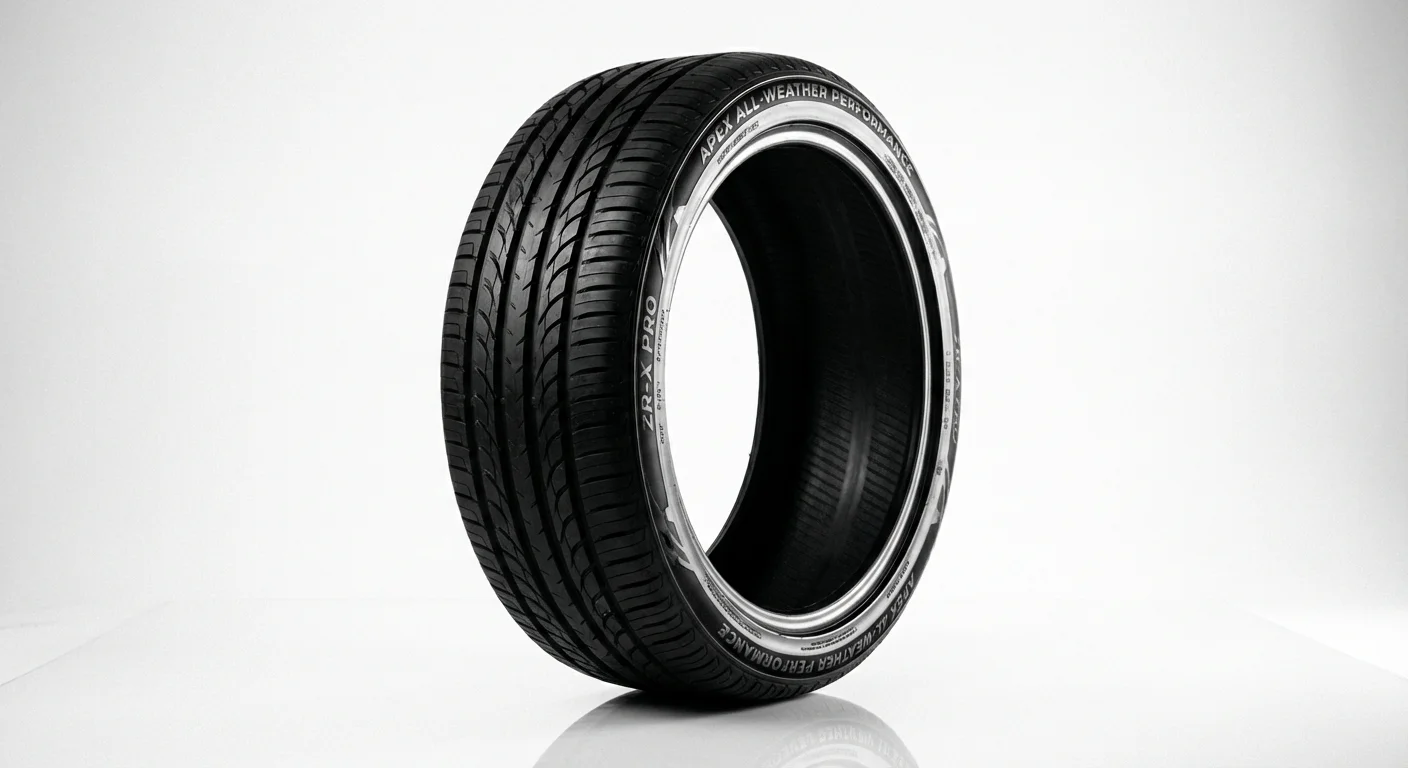
You don’t always want the absolute lowest price. There are specific scenarios where spending an extra $20 per tire is a smart financial and safety move. If you live in an area with heavy snowfall, investing in a tire with the “Three-Peak Mountain Snowflake” (3PMSF) symbol is worth every penny. These tires are engineered to stay flexible in freezing temperatures, potentially saving you the $500 to $1,000 insurance deductible from a winter fender-bender.
Similarly, look at the Uniform Tire Quality Grading (UTQG) rating on the sidewall. You will see a “Treadwear” number—for example, 400 or 700. A tire with a 700 rating is designed to last significantly longer than one with a 400 rating. If the price difference is minimal, always opt for the higher treadwear number to maximize the time between replacements.
Your Tire Maintenance Checklist
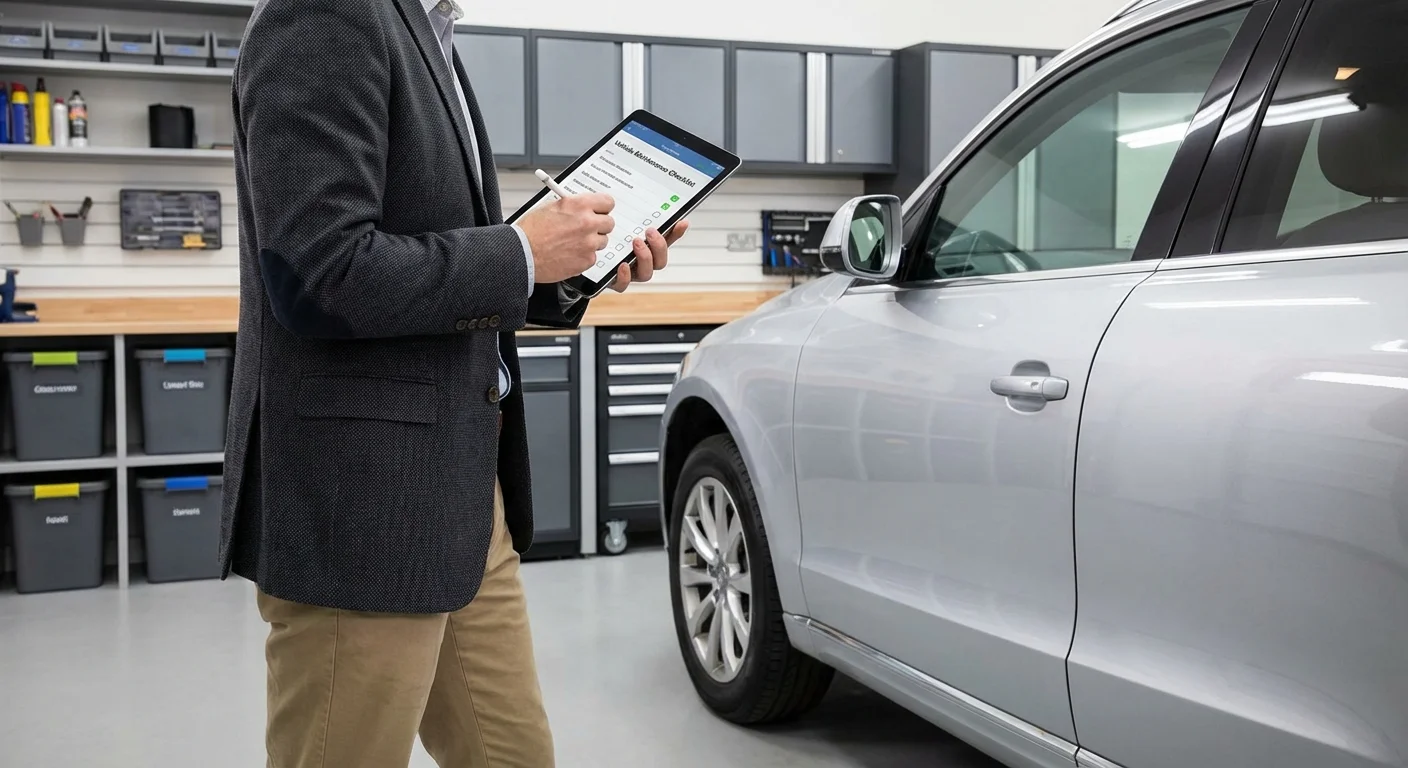
To ensure you actually save that $600, follow this schedule religiously:
- Every Month: Check tire pressure with your own gauge. Adjust to the door jamb specifications.
- Every 6,000 Miles: Rotate the tires. Cross the fronts to the back and move the backs straight to the front (for most FWD cars).
- Every Year: Have a professional check your alignment, especially after winter pothole season.
- Twice a Year: Inspect the sidewalls for cracks, bulges, or embedded nails. Catching a small leak early can save the tire from a total blowout.
By treating your tires as a long-term asset rather than a disposable commodity, you exert control over one of the largest maintenance costs of vehicle ownership. The combination of disciplined pressure checks and savvy shopping can easily result in $600 of savings over the next five years. Start by checking your pressure today; it takes five minutes and costs nothing, yet it is the single most effective way to keep your money in your wallet and your car on the road.
This article provides general money-saving guidance. Individual results vary based on location, household size, and spending patterns. Verify current prices before making purchasing decisions.
Last updated: February 2026. Prices change frequently—verify current costs before purchasing.









Leave a Reply