
You open the envelope or click the “View Your Statement” link only to feel a familiar sting of frustration. Your car insurance premium climbed again, despite your clean driving record and the fact that your vehicle is a year older. This scenario is becoming the norm across America; according to data from the Bureau of Labor Statistics, the cost of motor vehicle insurance has surged by double digits over the last few years, far outpacing general inflation.
Most drivers treat their insurance as a “set it and forget it” bill, allowing hundreds of dollars to leak out of their bank accounts annually. However, you possess more leverage than you realize. You can often slash your premium significantly with a focused 30-minute audit of your policy and a few strategic phone calls. This guide provides the exact steps to find the cheapest car insurance without sacrificing the protection you need for your family and assets.

The 10-Minute Policy Audit: Decoding Your Declarations Page
Before you can lower your car insurance rate, you must understand exactly what you are paying for. Locate your “Declarations Page”—this is the summary page at the beginning of your policy that lists your coverages, limits, and premiums for each vehicle. It is the roadmap to your savings.
Check for errors first. Insurers often miscalculate annual mileage or fail to update your marital status or homeownership status—factors that directly influence your rate. If you commute ten miles a day but your policy lists 15,000 miles per year, you are overpaying. Correcting these clerical errors takes five minutes and can trigger an immediate downward adjustment in your premium.

Strategic Deductible Adjustments
Your deductible represents the amount you pay out of pocket before your insurance kicks in for a claim. Many drivers carry a $250 or $500 deductible out of habit, but this “low-risk” approach carries a high monthly cost. By increasing your deductible to $1,000 or $1,500, you shift a small amount of risk onto yourself while forcing the insurer to drop your premium.
The savings are often substantial. Moving from a $250 to a $1,000 deductible can reduce your collision and comprehensive coverage costs by 15% to 30%. To do this safely, ensure you have that deductible amount sitting in a dedicated emergency fund. You are essentially “self-insuring” for the minor dings while protecting yourself against a total loss.
“Beware of little expenses; a small leak will sink a great ship.” — Benjamin Franklin
Evaluating the Need for Comprehensive and Collision Coverage
As your car ages, the cost of full coverage eventually outweighs the potential payout. Insurance companies will only pay the actual cash value (ACV) of your vehicle in a total loss, minus your deductible. If your car is worth $3,000 and your annual premium for collision and comprehensive is $600 with a $1,000 deductible, the math no longer makes sense.
Use resources like Kelley Blue Book or Edmunds to determine your car’s current market value. A common rule of thumb is the “10% Rule”: if the annual cost of comprehensive and collision coverage exceeds 10% of your car’s value, it is likely time to drop those coverages and stick with liability only. You can redirect those savings into a savings account to fund your next vehicle purchase.

Unlocking Common Car Insurance Discounts
Insurers offer a buffet of discounts, but they rarely apply them automatically. You must be the advocate for your own wallet. Call your agent and ask specifically which of these car insurance discounts you currently receive:
- Multi-Policy (Bundling): Combining your auto insurance with homeowners or renters insurance remains the single most effective way to drop your rate by 10% to 25%.
- Safety Features: Modern cars are rolling computers. Ensure your insurer knows about your anti-theft systems, lane-departure warnings, and adaptive cruise control.
- Professional and Academic Affiliations: Many insurers offer lower rates to members of certain alumni associations, credit unions, or professional groups (like teachers, engineers, or first responders).
- Paperless and Pay-in-Full: Paying your entire six-month premium at once instead of monthly installments often saves you 5% to 10% by eliminating “installment fees.”
- Defensive Driving Courses: If you are over age 50, taking a certified defensive driving course can trigger a mandatory discount in many states that lasts for three years.

The Impact of Credit Scores on Your Premium
In most states, your credit-based insurance score plays a massive role in determining your rate. Actuarial data suggests that drivers with higher credit scores tend to file fewer claims. If you have improved your credit score by 50 or 100 points since you first signed your policy, notify your insurer. They won’t necessarily re-run your credit automatically to lower your price, but they will often do so upon request. Improving your financial standing is one of the most sustainable ways to secure a lower car insurance rate over the long term.

Comparison of Standard vs. High-Deductible Savings
The following table illustrates how adjusting your policy structure can change your annual financial commitment. These figures are estimates based on a typical mid-sized sedan with a driver over age 30.
| Coverage Component | Standard Policy ($500 Deductible) | Strategic Policy ($1,000 Deductible) | Estimated Annual Savings |
|---|---|---|---|
| Liability (100/300/100) | $900 | $900 | $0 |
| Collision Coverage | $600 | $450 | $150 |
| Comprehensive Coverage | $250 | $180 | $70 |
| Uninsured Motorist | $100 | $100 | $0 |
| Total Annual Premium | $1,850 | $1,630 | $220 |
By simply adjusting the deductibles and verifying that you aren’t paying for “extra” services like roadside assistance (which you might already have through a credit card or AAA), you can easily find $200 to $400 in annual savings.
Usage-Based Insurance: Getting Paid to Drive Well
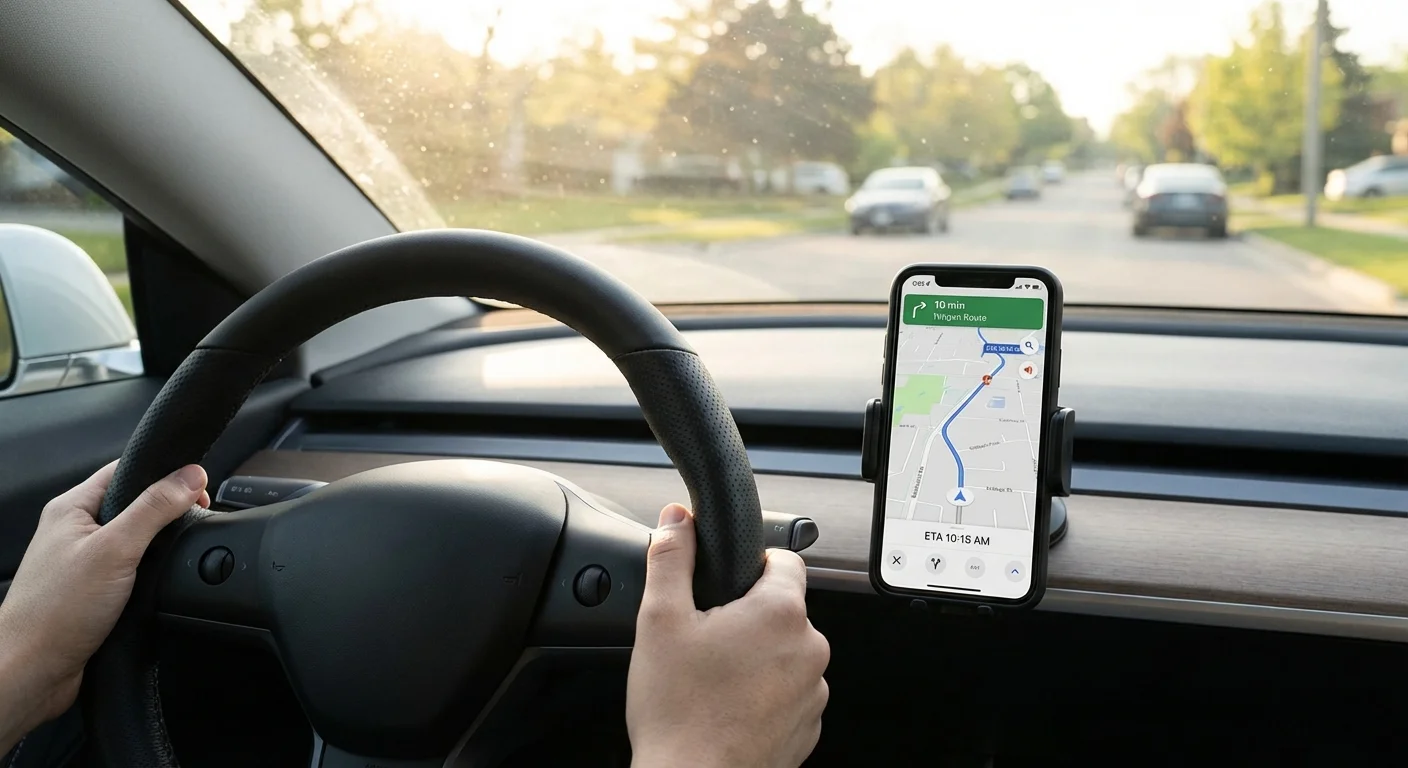
If you are a safe driver who doesn’t log many miles, telematics—or usage-based insurance—is your secret weapon. Programs like Progressive’s Snapshot or State Farm’s Drive Safe & Save use a smartphone app or a plug-in device to monitor your braking habits, speed, and time of day spent on the road.
Drivers who avoid hard braking and late-night driving can see discounts as high as 30%. If you work from home or have a short commute, this is often the fastest path to the cheapest car insurance available. However, be aware that some companies may actually raise your rate if the data shows aggressive driving habits, so only opt-in if you are confident in your road behavior.

Savings Killers: Mistakes That Inflate Your Premium
While you hunt for discounts, be careful not to trigger “premium spikes” through common errors. Avoiding these mistakes is just as important as finding new discounts.
- Letting Coverage Lapse: Even a two-day lapse in coverage can categorize you as a “high-risk” driver. If you are switching companies, ensure the new policy starts the day before the old one ends.
- Filing Small Claims: If someone scrapes your bumper and the repair cost is $600 while your deductible is $500, do not file a claim. The $100 payout is not worth the potential 20% premium increase you might face at renewal for having a claim on your record.
- Buying the “Minimum” Liability: It sounds counterintuitive, but carrying only the state-minimum liability can actually lead to higher rates over time. Insurers view drivers who carry higher limits (like 100/300/100) as more “stable” and may offer them lower base rates than those scraping by with the bare minimum.
- Ignoring Your Commute Changes: If you moved closer to work or started a remote job, your “classification” should change from “commuter” to “pleasure use.” Failing to update this keeps your rate artificially high.

How to Shop Without the Spam
Shopping around every 12 months is the gold standard of an auto insurance guide. However, many people avoid it because they don’t want a barrage of phone calls from aggressive agents. To shop efficiently:
- Use a dedicated email address for insurance quotes to keep your primary inbox clean.
- Use a comparison tool like NerdWallet or Money Under 30 to get a baseline of rates in your area.
- Gather quotes from at least three different types of insurers: a direct seller (like GEICO), a captive agent company (like State Farm), and an independent agent who can shop multiple smaller carriers for you.
This “triangulation” ensures you see the full spectrum of the market. Sometimes a smaller, regional insurer that doesn’t spend billions on Super Bowl commercials can offer significantly lower rates because they have lower overhead and a more localized risk pool.
Frequently Asked Questions
Does my car insurance go down when I turn 25?
Generally, yes. Statistically, drivers under 25 are involved in more accidents. Once you hit this milestone, most insurers automatically lower your rate, but it is still worth calling to ensure the change has been applied to your account.
Will checking my insurance rates hurt my credit score?
No. When an insurance company checks your credit, it is considered a “soft pull.” This does not impact your credit score, unlike a “hard pull” used for a mortgage or a new credit card.
Should I buy insurance through my car dealership?
Rarely. While it’s convenient, dealership-offered insurance is often marked up or limited in scope. You are almost always better off shopping the open market or adding the new vehicle to your existing policy.
What is the “disappearing deductible” and is it worth it?
Some companies offer to lower your deductible for every year you go without an accident. While it sounds great, you usually pay a premium for this feature. Do the math: if the feature costs $50 a year and it takes five years to save $250 on a future deductible, you are simply prepaying for a benefit you might never use.
Take Action Today
The “loyalty tax” is real in the insurance industry. Companies often reserve their best rates for new customers while slowly creeping up the prices for long-term policyholders. By spending 30 minutes today reviewing your declarations page, adjusting your deductibles, and asking for specific discounts, you can reclaim control over this major monthly expense.
Start by calling your current agent this afternoon. Ask them one simple question: “What discounts am I currently missing out on?” You might be surprised how quickly they find “new” ways to save you money once they realize you are looking at the exit door. Every dollar you shave off your insurance premium is a dollar that can go toward your retirement, your children’s education, or paying down high-interest debt.
Prices and availability mentioned reflect research at the time of writing and may vary by location and retailer. Your actual savings will depend on your specific situation and shopping habits.
Last updated: February 2026. Prices change frequently—verify current costs before purchasing.








Leave a Reply