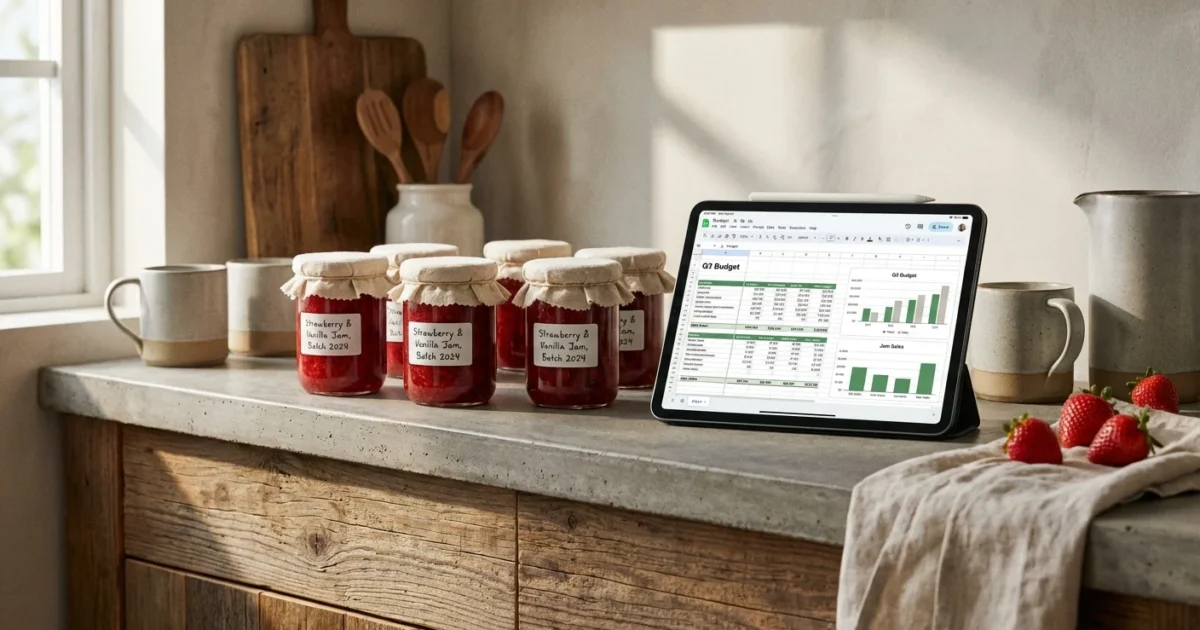
Walking through a grocery store aisle today feels like a masterclass in inflation. You pick up a jar of organic strawberry jam and see a price tag north of six dollars; a humble quart of chicken stock now commands four dollars. It’s no wonder that a growing number of Americans are looking backward to move forward, reviving the Great Depression-era skill of home canning to protect their budgets. But beneath the aesthetic of glass jars and colorful labels lies a complex financial reality. If you aren’t careful, home-preserved food can easily cost double what you’d pay for the generic version at a big-box retailer.
Determining whether canning saves you money requires looking past the sentimentality of a “homemade” pantry. You must account for equipment depreciation, energy consumption, and the most valuable resource of all: your time. While the Bureau of Labor Statistics frequently reports on the rising cost of consumer goods, the “cost of production” at home often remains a mystery to the average hobbyist. To truly make every dollar count, you need to understand where the hidden expenses live and how to maximize your return on investment.
The Upfront Toll: Buying the Gear
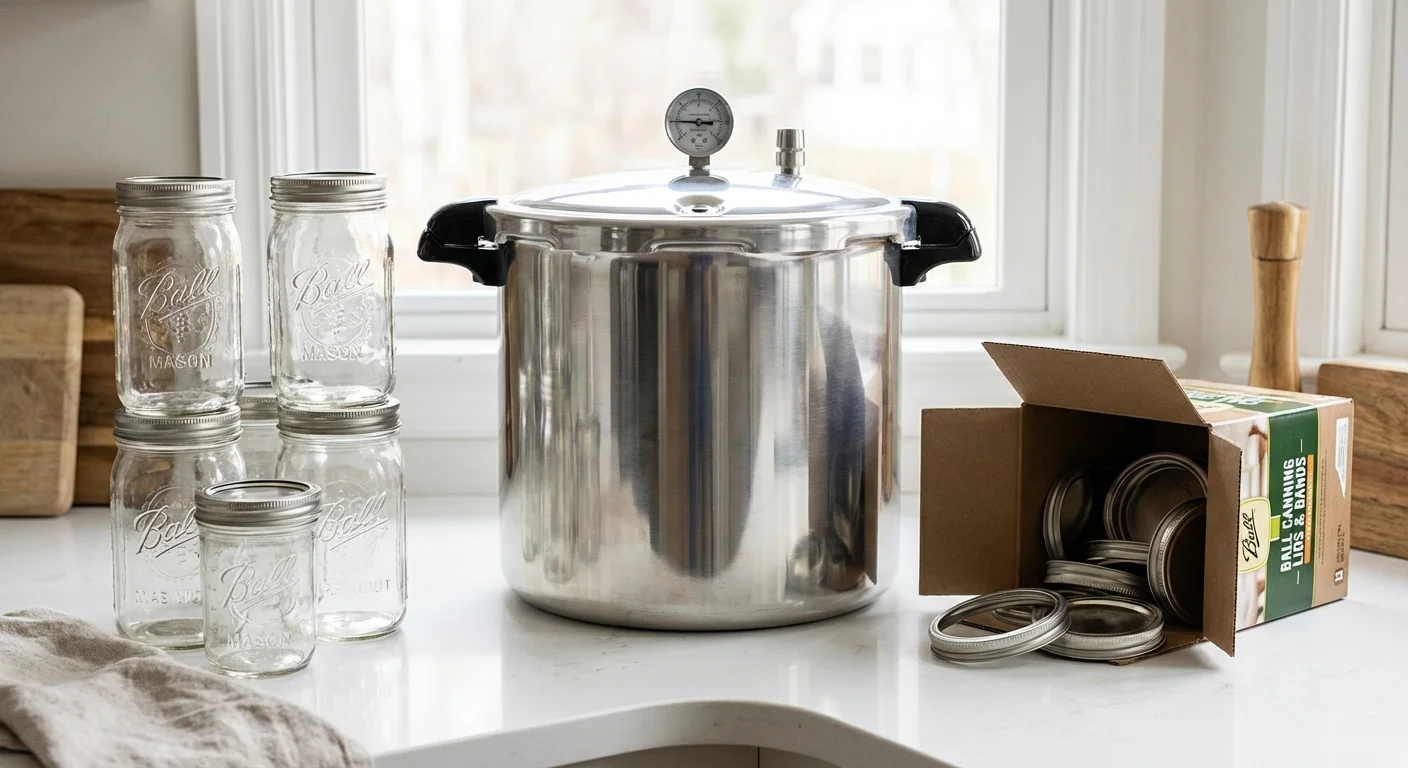
You cannot simply start canning with equipment you already have in a standard kitchen—at least not if you want to do it safely. The initial investment represents the biggest hurdle to profitability. If you buy everything new, you are starting your preservation journey in a deep financial hole. A high-quality pressure canner, necessary for low-acid foods like meats and vegetables, typically costs between $120 and $250. Even a basic water bath canner for high-acid fruits and pickles will run you $40 to $60.
Beyond the pots, you need the jars. A dozen quart-sized Mason jars currently retail for about $14 to $18. While the glass jars themselves are reusable for decades, the two-piece lids are a recurring expense. The flat metal lid must be replaced every single time you seal a jar to ensure food safety; these cost roughly $0.50 to $0.70 each when bought in small packs. When you add in accessories like jar lifters, bubble removers, and wide-mouth funnels, a beginner can easily spend $300 before processing a single bean. To make this “pay for itself,” you have to process hundreds of jars to dilute that initial capital expenditure.
“It’s not your salary that makes you rich, it’s your spending habits.” — Charles A. Jaffe
The Consumables: More Than Just Food
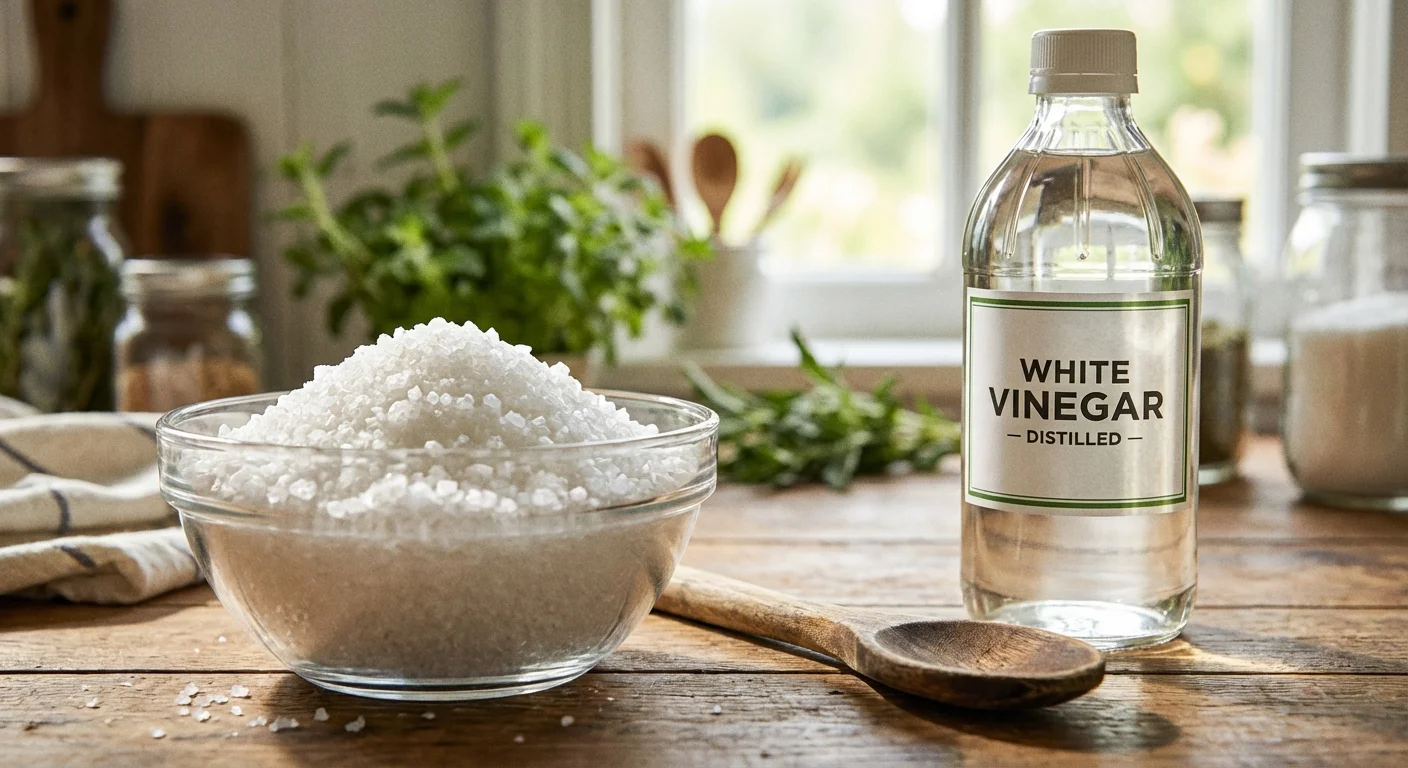
Once you own the equipment, your per-jar cost depends on three factors: the food, the additives, and the energy. Many people overlook the cost of the ingredients that aren’t the star of the show. If you are making pickles, you are buying gallons of white vinegar and pounds of pickling salt. If you are making jams, you are buying commercial pectin and massive bags of sugar. According to the USDA Food & Nutrition guidelines, the quality of these ingredients directly impacts shelf life, meaning you shouldn’t cut corners on the acidity of your vinegar or the purity of your salt.
Energy costs also eat into your savings. A pressure canner must vent for 10 minutes and then process for anywhere from 20 to 90 minutes. On an electric stove, this sustained high heat can add $0.50 to $1.50 to your monthly utility bill per session, depending on your local rates. While this seems negligible, it adds up over a heavy harvest season. You are essentially running a small industrial furnace in your kitchen for hours at a time.
Canning vs. Store-Bought: A Price Comparison
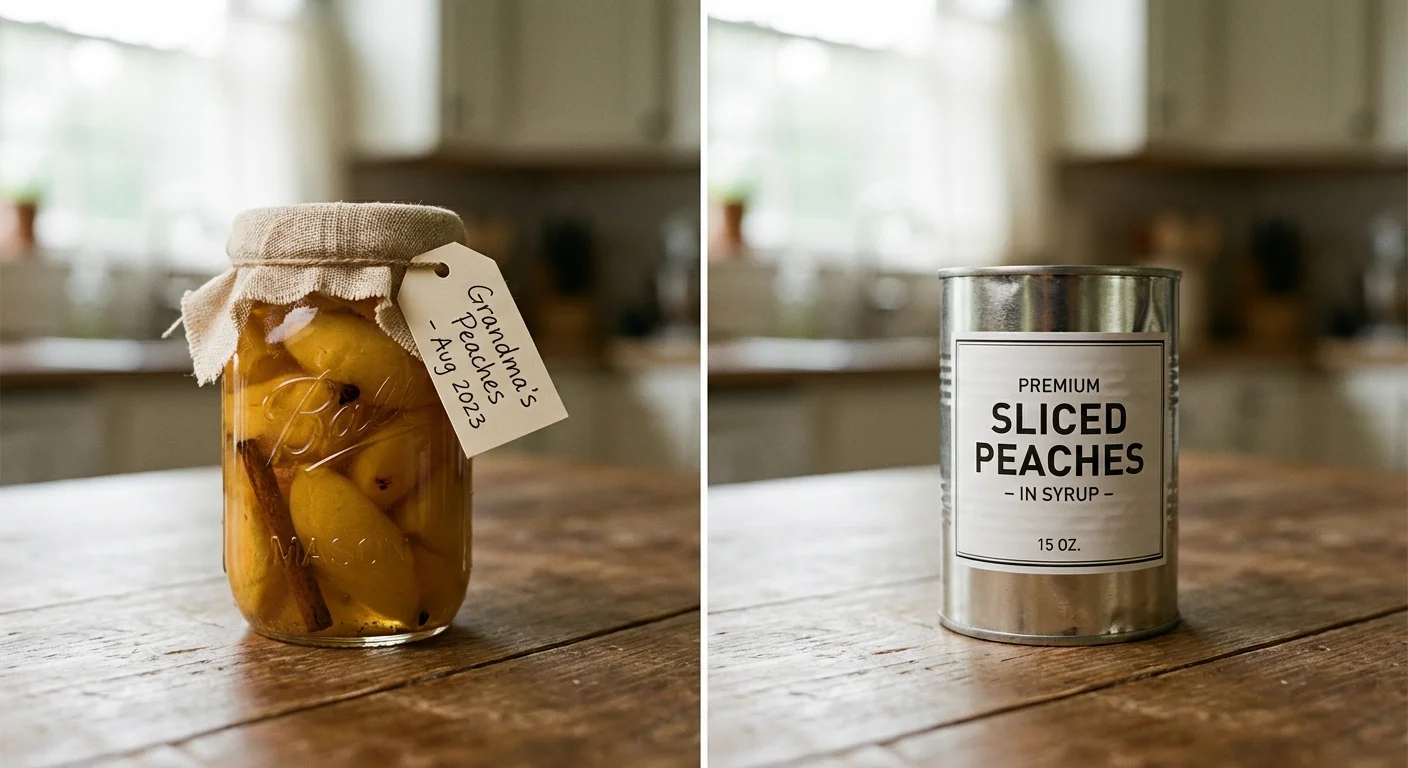
To see the math in action, we have to compare “apples to apples”—or in this case, green beans to green beans. If you buy a 14.5-ounce can of store-brand green beans, you might pay $0.80. If you grow your own beans and can them, your cost per jar looks very different depending on how you source your supplies. The following table breaks down the estimated costs for a quart of home-canned produce versus its retail equivalent.
| Product (Quart/Large Jar) | Store-Bought (Generic) | Store-Bought (Premium/Organic) | Home-Canned (Est. Cost) |
|---|---|---|---|
| Green Beans | $1.60 | $3.50 | $0.95* |
| Tomato Sauce/Marinara | $2.50 | $8.00 | $1.80* |
| Strawberry Jam (1 Pint) | $3.00 | $6.50 | $2.10* |
| Chicken Stock | $2.00 | $4.50 | $0.60* |
*Estimated home-canned costs assume you already own the jars and are only purchasing the lids, energy, and ingredients at bulk rates.
Looking at these numbers, the “profit” becomes clear only when you compare home-canned goods to premium or organic store-bought versions. If you are happy eating the cheapest generic cans on the shelf, the financial incentive to can your own vegetables is slim. However, if you value organic ingredients or specialty recipes, canning becomes a massive money-saver. You are essentially getting a $9 jar of artisanal pasta sauce for less than $2 in raw materials.
Where the Savings Actually Live
The secret to making canning profitable isn’t just about the act of canning—it’s about the sourcing. If you go to a standard grocery store, buy five pounds of full-price peaches, and then can them, you will almost certainly lose money compared to buying canned peaches on sale. To win at the canning game, you must leverage “zero-cost” or “low-cost” inputs.
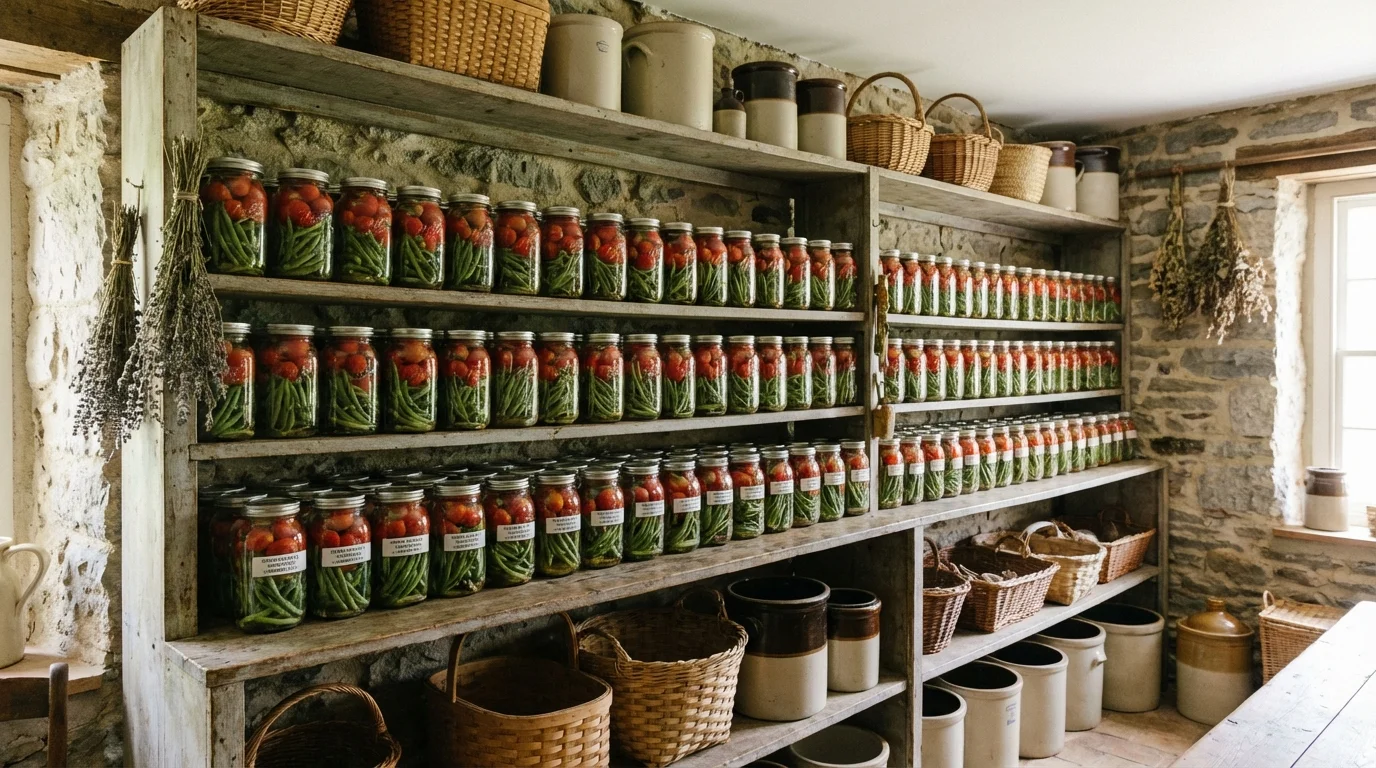
- The Backyard Garden: This is the most obvious win. When your garden produces 40 pounds of zucchini or tomatoes in a single week, the “cost” of that food is essentially the price of a packet of seeds. Canning allows you to “time-shift” your harvest, moving summer’s abundance into winter’s scarcity.
- Gleaning and Foraging: Many local orchards allow “gleaning”—picking the leftovers after the commercial harvest—at a steep discount. Foraging for wild blackberries or grapes provides high-value fruit for the price of your labor.
- Farmers’ Market “Seconds”: Ask farmers for “seconds” or “canning flats.” These are fruits and vegetables that are bruised, misshapen, or slightly overripe. They are perfectly safe for canning but can’t be sold at top dollar for fresh eating. You can often snag these for 50% to 70% off the retail price.
- Bulk Meat Purchases: Buying a quarter of a cow or a whole hog from a local butcher lowers your per-pound price significantly. Pressure canning the tougher cuts (like stew meat or brisket) turns them into “fast food” that is shelf-stable and ready for a five-minute meal.

Savings Killers: How to Lose Money Canning
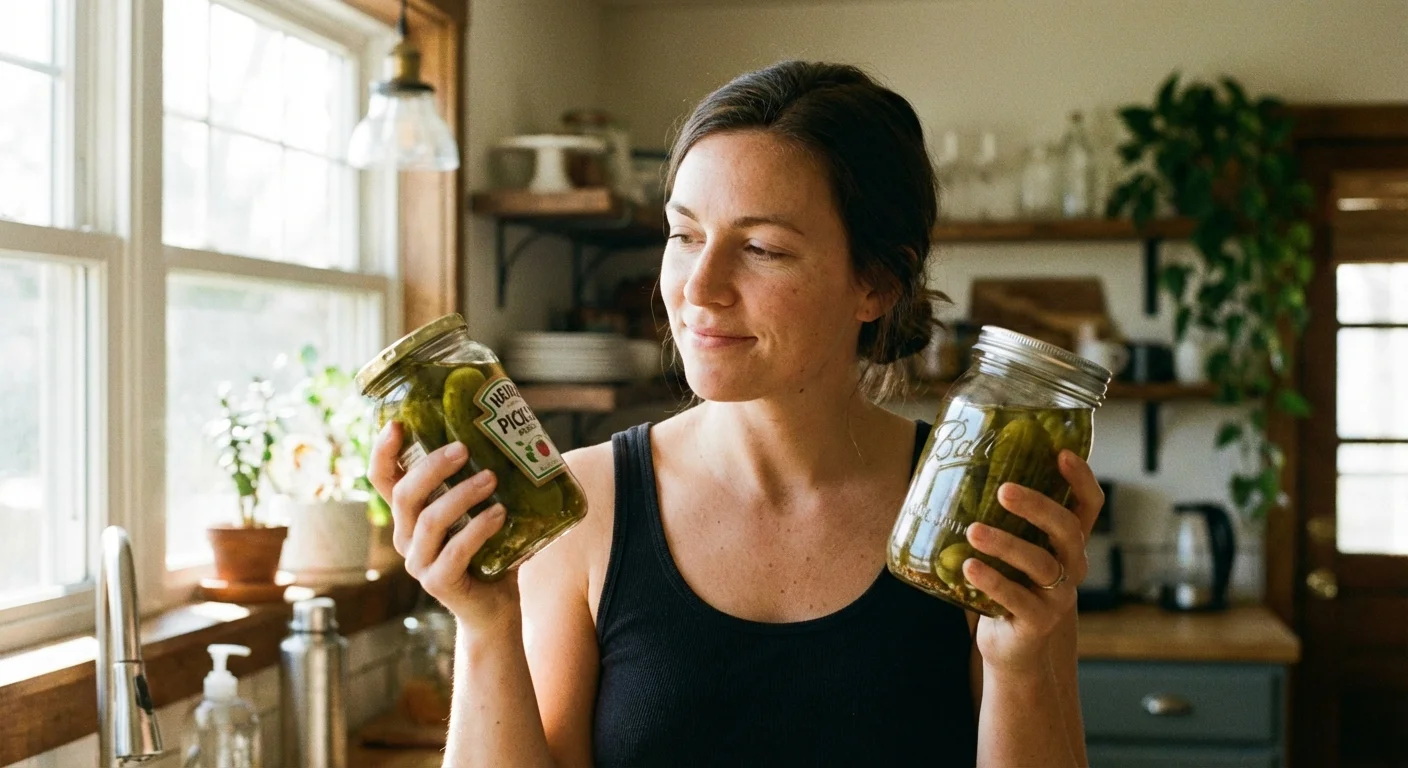
Even with the best intentions, you can easily turn your pantry into a money pit. You must avoid the “Savings Killers” that plague many beginners. The first is buying brand-new jars every year. You should treat Mason jars like permanent infrastructure. Scour yard sales, thrift stores, and Facebook Marketplace. You can often find boxes of dusty jars for $0.25 each. As long as the rim isn’t chipped, a quick run through the dishwasher makes them as good as new.
The second savings killer is canning the “wrong” things. Canning plain potatoes, for example, is rarely worth the effort. Potatoes are cheap year-round and store well in a cool, dark basement without any processing at all. Using your jars and energy to preserve something that costs $0.50 a pound is a poor use of resources. Focus your energy on high-value items: meats, concentrated sauces, berry preserves, and convenience meals that would otherwise cost $5 or more per serving.
Finally, safety errors are the ultimate budget destroyer. If you fail to follow tested recipes from sources like the National Center for Home Food Preservation, you risk spoilage or, worse, botulism. Throwing away a batch of 12 quarts because the seals failed or the texture is unpalatable is a total loss of your investment. Precision is your best financial tool.
DIY vs. Professional: When to Buy
You don’t have to can everything. In fact, you shouldn’t. Strategic shoppers know when to let the industrial food system do the work. High-volume, low-margin items are almost always cheaper at the store. For instance, basic canned corn is frequently sold as a “loss leader” at supermarkets for under $0.70 a can. You cannot grow, harvest, and process corn for that price when you factor in your time and the cost of the lid.
However, you should lean into the “DIY” side for specialty items. Consider chicken stock. Most store-bought stock is primarily water, salt, and yellow dye. By boiling down the carcass of a rotisserie chicken you were going to throw away anyway, you create a superior product for free. Canning that stock gives you a premium ingredient for the price of the lid and the electricity. Similarly, “Ready-to-Eat” meals like beef stew or chili are expensive at the store and often loaded with sodium. Canning your own versions allows you to control the nutrition while cutting the cost per serving by half.
“Beware of little expenses; a small leak will sink a great ship.” — Benjamin Franklin
The Value of Your Time
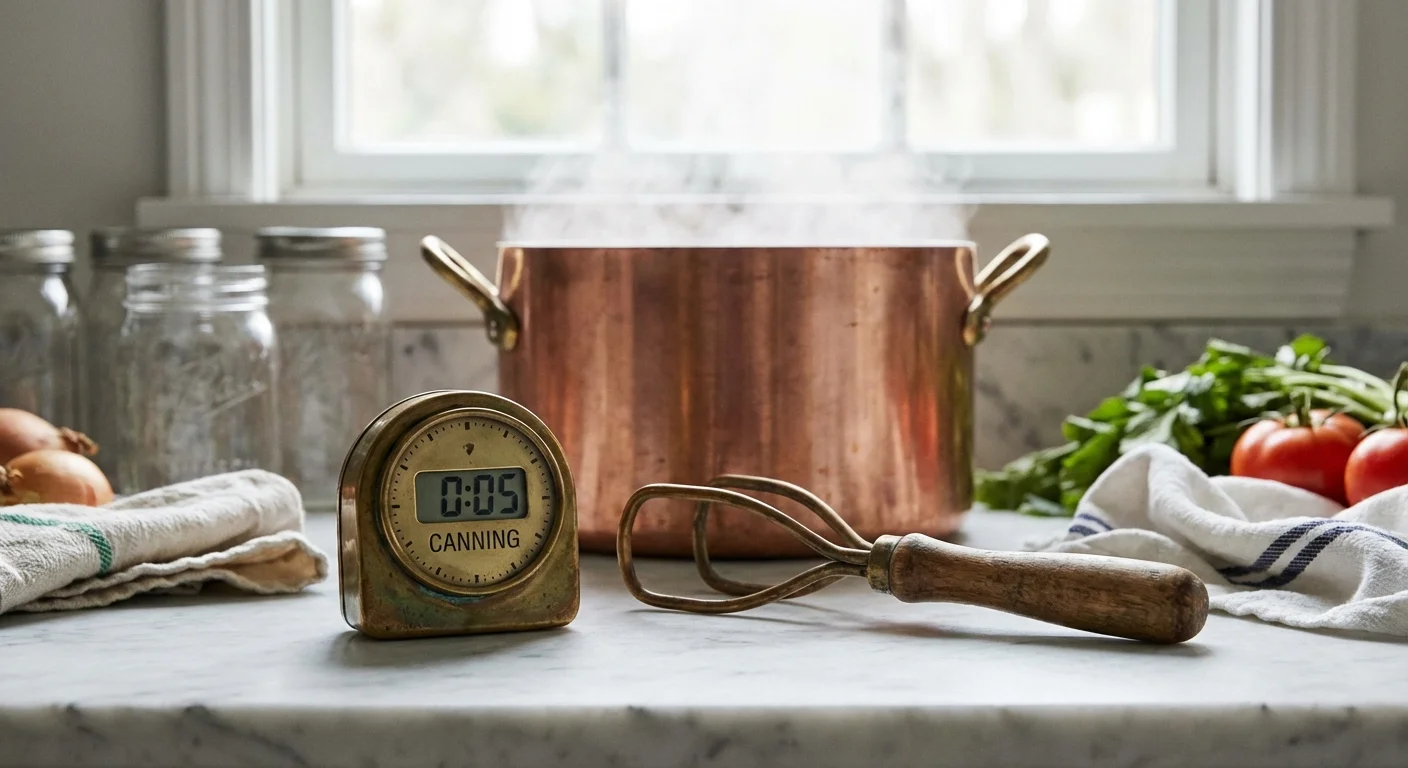
We must address the elephant in the kitchen: time. Canning is labor-intensive. A single session of canning tomatoes—from washing and blanching to peeling and processing—can take four to six hours. If you value your time at $20 an hour, that batch of tomatoes just became the most expensive produce on earth. However, most successful home canners don’t view this as “labor” in the traditional sense. They view it as a hobby that pays dividends, similar to woodworking or gardening.
To maximize efficiency, you should adopt a “batch processing” mindset. Never fire up the canner for just two or three jars. Wait until you have enough produce to fill the canner to capacity. If you have a large pressure canner that can hold two layers of jars (double-stacking), use it. This cuts your energy cost per jar in half and makes much better use of the time you spend monitoring the pressure gauge.
Practical Action Steps for the Budget-Conscious Canner
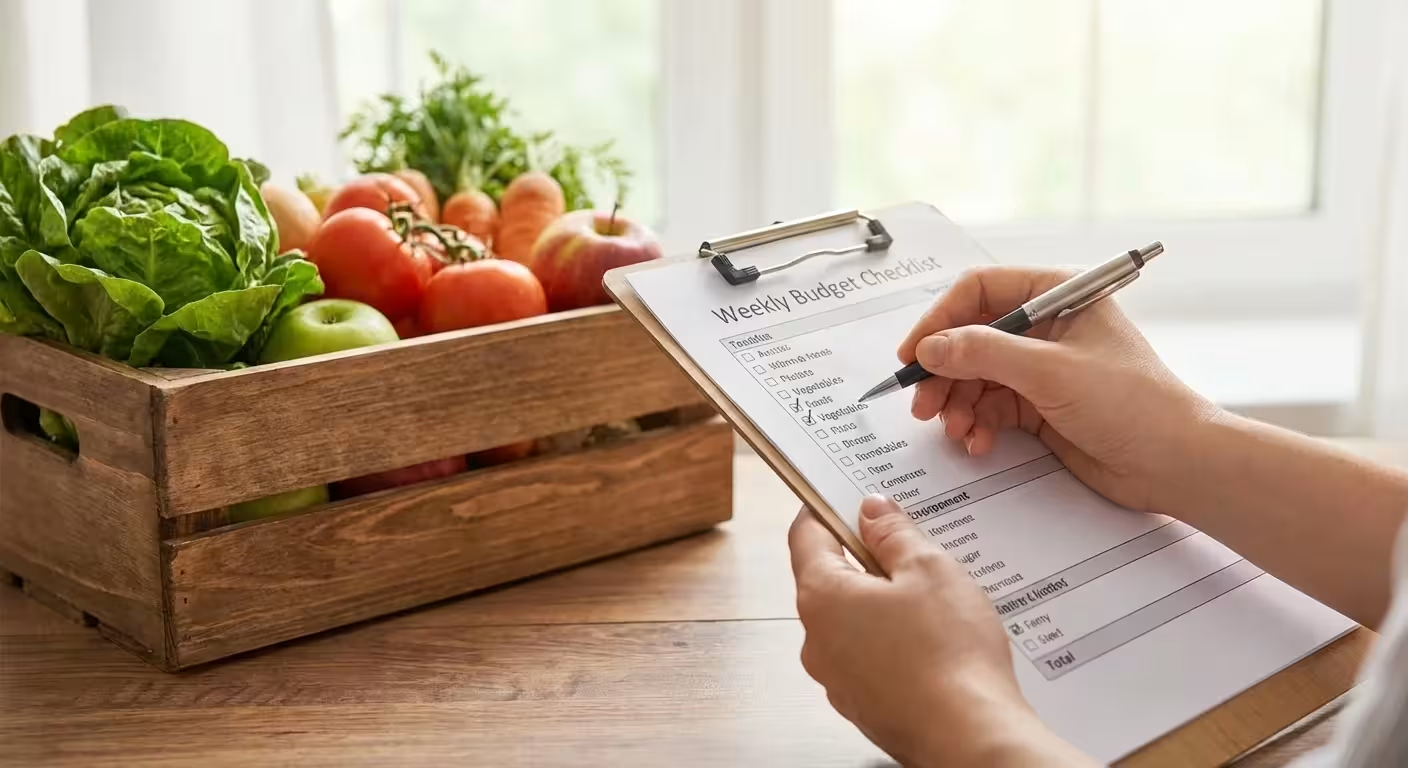
If you want to start canning without blowing your budget, follow this specific roadmap to ensure you actually save money:
- Start with a Water Bath: Don’t buy a pressure canner immediately. Start with high-acid foods like pickles, jams, and salsa. You can use any large stockpot you already own as a water bath canner, provided it’s deep enough to cover the jars by one inch. This reduces your startup cost to nearly zero.
- Source Used Jars: Check with older relatives or neighbors. Many people have crates of jars in their garages that they are happy to give away for free just to clear the space.
- Audit Your Pantry: Look at what you buy most often. If you don’t eat much jam, don’t start by canning jam just because it’s “classic.” Can the items that currently take the biggest bite out of your grocery bill.
- Invest in Bulk: Buy your lids in bulk online rather than the small packs at the hardware store. Buy your vinegar and sugar at warehouse clubs like Costco or Sam’s Club.
- Check Your Seals: Invest $10 in a reliable kitchen timer and a permanent marker. Label every jar with the date. Rotating your stock ensures nothing goes to waste, and “First In, First Out” (FIFO) is a core principle of financial food management.
Beyond the immediate math, there is the factor of “food security.” Having a hundred jars of food under your stairs is a hedge against supply chain disruptions and local emergencies. During the 2020 pandemic, those with stocked pantries avoided the stress of empty shelves and skyrocketing prices. While it’s hard to put a specific dollar value on peace of mind, it is a tangible benefit of the canning lifestyle.
Canning is not a magic wand that automatically lowers your bills. It is a tool that requires strategy. If you buy expensive produce and brand-new equipment every year, you are essentially paying for an expensive hobby. But if you source your food smartly, reuse your glass, and focus on high-value recipes, you can effectively “freeze” today’s food prices for years to come. In an economy where every penny counts, that is a powerful advantage to have in your back pocket.
Start small, focus on what you actually eat, and keep a close eye on your “per-jar” costs. You’ll soon find that the real value of canning isn’t just in the dollars saved—it’s in the quality of the food you put on your table and the independence you gain from the supermarket checkout line.
Prices and availability mentioned reflect research at the time of writing and may vary by location and retailer. Your actual savings will depend on your specific situation and shopping habits.
Last updated: February 2026. Prices change frequently—verify current costs before purchasing.




Leave a Reply