
You work hard for your paycheck, yet every time you swipe your card at the grocery store or click “place order” online, a small chunk of that effort disappears. According to the Bureau of Labor Statistics, the average American household spent approximately $77,280 in 2023—covering everything from food and gas to apparel and housing. While you cannot avoid these expenses, you can certainly change how much they actually cost you. If you aren’t using cashback apps, you are essentially leaving a 1% to 5% “discount” on the table for every transaction you make.
The market for cashback rewards has exploded, but not every app deserves a spot on your smartphone. Some offer pennies in exchange for hours of your time, while others sell your data without providing much in return. To help you navigate this landscape, we have tested the major players to determine which ones offer genuine, scalable value for your daily life. This guide breaks down the best cashback apps for 2025, how they make money, and—most importantly—how they pay you.
How Cashback Apps Actually Work
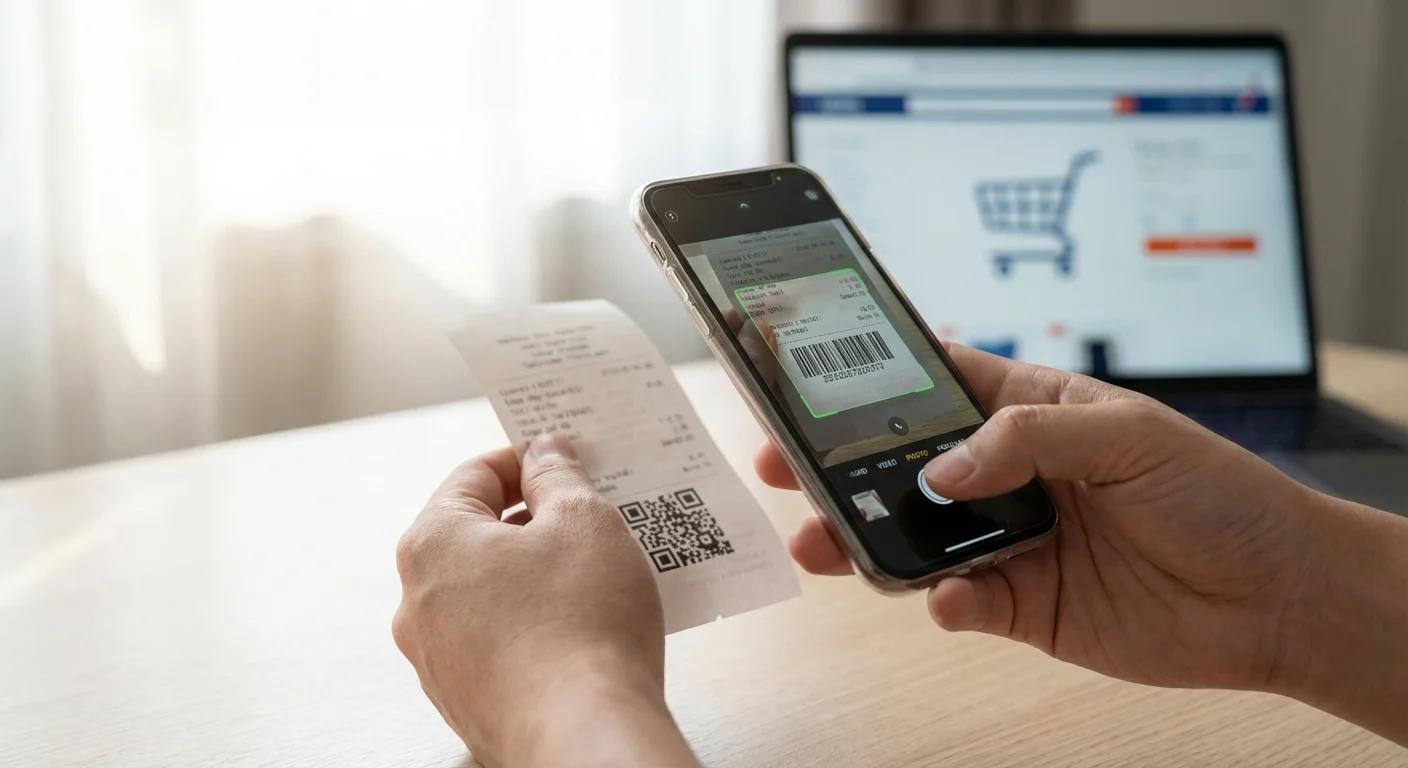
Before you download an app, it helps to understand why a company would simply give you money for shopping. These apps operate on an affiliate marketing model. When you use a link from an app like Rakuten or scan a receipt into Ibotta, the retailer pays that app a commission for “referring” the sale. Instead of keeping the entire commission, the app shares a portion of it with you. It is a win-win-win: the store gets a customer, the app gets a fee, and you get a rebate.
Most apps pay out in one of three ways: direct deposit to your bank account, PayPal transfers, or digital gift cards. While the lure of a “free” Starbucks card is tempting, we always recommend prioritizing apps that offer cold, hard cash. Cash provides the ultimate flexibility, allowing you to move those savings directly into a high-yield savings account or use them to pay down high-interest debt.
“It’s not your salary that makes you rich, it’s your spending habits.” — Charles A. Jaffe
The Heavy Hitters: Which Apps Are Worth Your Time?
To maximize your “earn money shopping” strategy, you need to match the right app to the right category of spending. Using a grocery app for a laptop purchase usually results in missed opportunities. Here is the breakdown of the most reliable platforms currently available.
1. Rakuten: The King of Online Shopping
If you do the majority of your shopping online, Rakuten (formerly Ebates) is the gold standard. They have partnerships with over 3,500 stores, including giants like Target, Walmart, and Macy’s. During major shopping holidays, it is not uncommon to see cashback rates jump from a standard 2% to a staggering 15% or 20%.
- Best for: Clothing, electronics, travel bookings, and big-box retail.
- How it works: You click through the Rakuten app or use their browser extension before you buy.
- Payout: Paid via check or PayPal every three months (provided you have earned at least $5.01).
2. Ibotta: The Grocery Powerhouse
Groceries represent one of the largest recurring expenses for American families. Ibotta specializes in this niche, offering rebates on specific products at hundreds of grocery chains. Unlike apps that give you a flat percentage, Ibotta offers fixed dollar amounts—for example, $0.50 back on a specific brand of milk or $2.00 back on a particular laundry detergent.
- Best for: Household essentials, groceries, and liquor stores.
- How it works: You “add” offers in the app before you shop, then scan your receipt afterward (or link your store loyalty card).
- Payout: Transfer to bank or PayPal once you hit a $20 threshold.
3. Upside: Saving at the Pump
Gas prices are notoriously volatile. Upside (formerly GetUpside) addresses this by offering per-gallon cashback at thousands of gas stations across the United States. Depending on your location, you can often save between $0.10 and $0.25 per gallon. If you commute daily, these savings can easily add up to $100 or more per year.
- Best for: Fuel and occasional dining at fast-food chains.
- How it works: You “claim” an offer on the map, pay with your linked credit card, and the app verifies the transaction.
- Payout: Bank transfer, PayPal, or gift cards.
Comparison: Rakuten vs. Ibotta
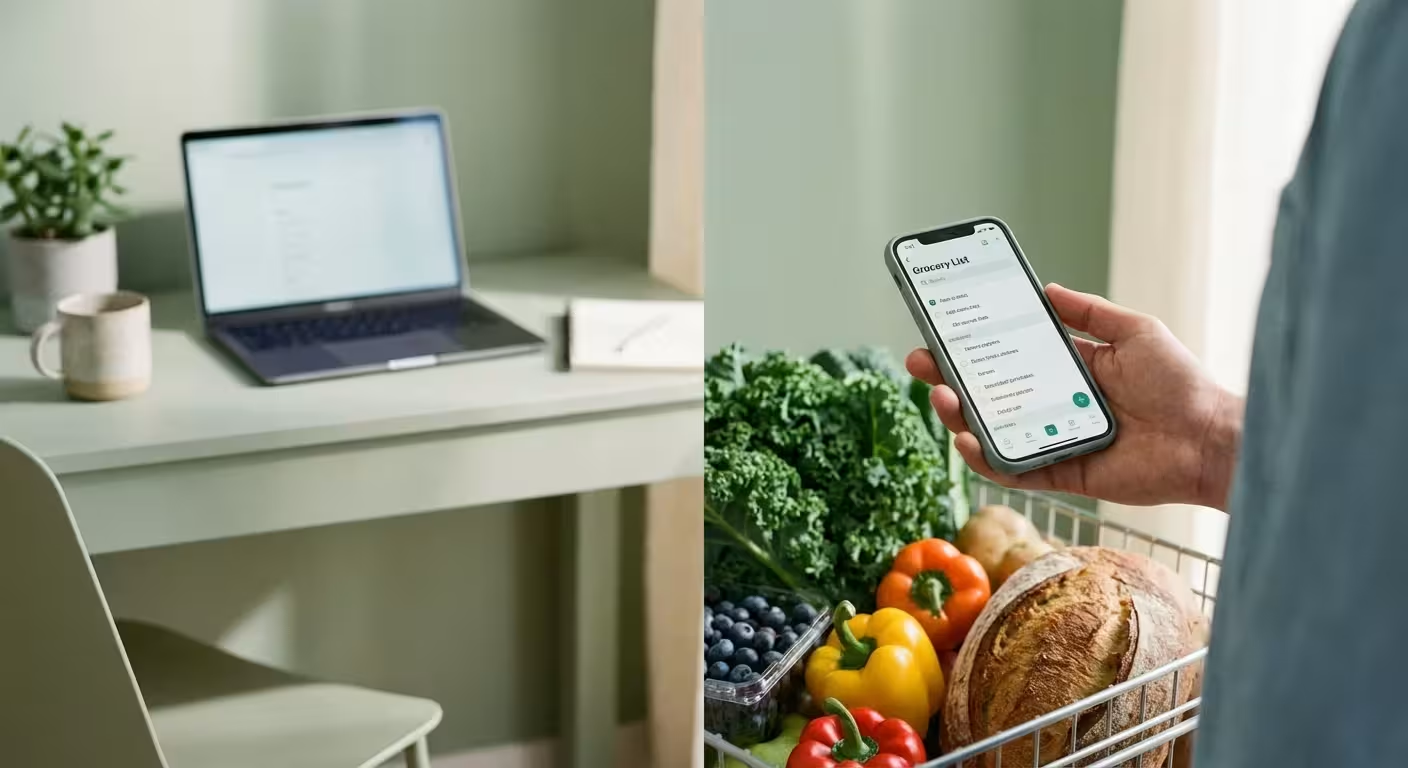
When comparing Rakuten vs Ibotta, it is not a matter of which is better, but rather where you spend your money. Most savvy savers use both. Use the table below to see how they differ in their primary functions.
| Feature | Rakuten | Ibotta |
|---|---|---|
| Primary Focus | E-commerce and Retail | Groceries and Essentials |
| Effort Level | Low (Browser extension handles it) | Medium (Must select offers/scan receipts) |
| Payment Frequency | Quarterly (“Big Fat Check”) | Anytime (Once $20 is reached) |
| Best Store Coverage | Macy’s, Nike, Dell, Sephora | Kroger, Walmart, Publix, Costco |
| In-Store Options | Limited (Requires card linking) | Extensive (Receipt scanning) |
How to Stack Rewards for Triple Savings
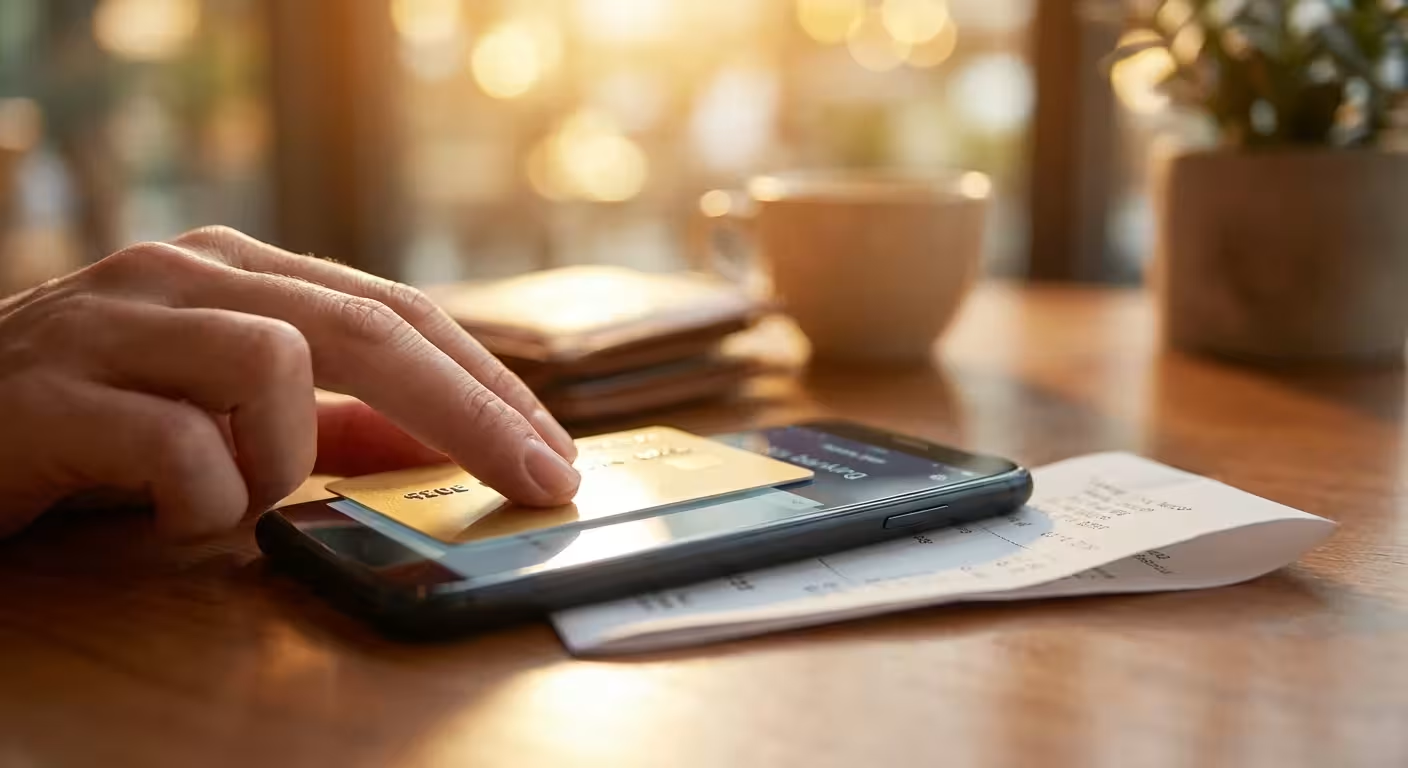
The real magic happens when you “stack” rewards. Expert savers never rely on just one source of cashback. You can often combine multiple layers of savings on a single purchase to drive the effective price down significantly. Consider this real-world example of buying a $100 pair of shoes:
- Store Sale: You find the shoes on sale for 20% off ($80).
- Cashback App: You use Rakuten to get 10% back on that $80 ($8.00).
- Rewards Credit Card: You pay with a card that gives 2% cashback ($1.60).
- Receipt Scanning: You scan the receipt into an app like Fetch for points worth roughly $0.25.
By stacking, your $100 shoes effectively cost you $70.15. This strategy requires almost no extra time once you have your apps set up; it simply requires a moment of intentionality before you swipe your card.

Where People Overspend: The Cashback Trap
While these apps are designed to save you money, they can occasionally encourage poor spending habits. Retailers use cashback rewards as a psychological trigger to make you feel like you are “winning.” This can lead to a phenomenon known as “spending to save.”
Never buy an item specifically because it has a high cashback rate if you didn’t already plan to purchase it. Saving 10% on a $50 item you don’t need still results in you being $45 poorer. To avoid this, always make a shopping list first, then consult your apps to see if any of those items have active offers. This keeps you in the driver’s seat of your budget rather than letting the marketing dictate your purchases.
Furthermore, be wary of “pending” periods. Most apps hold your cashback for 30 to 90 days to ensure you don’t return the item. If you are operating on a tight budget and counting on that money to pay next week’s bills, you will be disappointed. Treat cashback as a “bonus” for your future self, not as immediate cash flow for current expenses.
Security and Privacy: Are Your Receipts Safe?
When you use these apps, you are trading some level of privacy for financial reward. These companies analyze your buying patterns to provide market research to brands. For most people, this is a fair trade, but you should take steps to protect your sensitive information. The Federal Trade Commission (FTC) recommends being cautious about what permissions you grant to mobile apps.
To stay safe, follow these principles:
- Use a dedicated email address for your shopping apps to keep your primary inbox clean and secure.
- Never provide your bank login credentials directly to an app; use secure third-party processors like Plaid or PayPal when available.
- Regularly review the “connected apps” in your Google or Apple account and remove any you no longer use.
- Check the Consumer Financial Protection Bureau (CFPB) for any major complaints or red flags regarding financial technology companies.

The Low-Effort Alternative: Fetch Rewards
If the idea of clipping digital coupons in Ibotta sounds like too much work, Fetch Rewards is your best alternative. Fetch does not require you to select offers before you shop. You simply take a photo of any receipt—grocery, gas, or restaurant—and the app automatically identifies brands that offer bonus points. Even if your receipt has no “name brand” items, you still get a base amount of points for the upload. While the payout per receipt is generally lower than Ibotta, the friction is almost zero, making it one of the best cashback rewards options for busy people.
“Beware of little expenses; a small leak will sink a great ship.” — Benjamin Franklin
Frequently Asked Questions
Are cashback apps actually free?
Yes, the reputable apps listed in this guide are free to download and use. They make their money from merchant commissions, not from charging users. If an app asks for a “membership fee” to access cashback, it is likely a scam or a low-value service you should avoid.
Can I use multiple apps for the same receipt?
In many cases, yes. You can scan the same grocery receipt into Ibotta and Fetch Rewards. However, you generally cannot use two “click-through” portals (like Rakuten and Capital One Shopping) for the same online purchase, as the retailer will only attribute the sale to one affiliate.
How much can I realistically earn?
The average user who consistently uses 2-3 apps can expect to earn between $200 and $600 per year. While this won’t make you rich, it can easily cover a month of groceries or a significant portion of your holiday shopping budget.
Do cashback rewards count as taxable income?
According to the IRS, most cashback earned on purchases is considered a “rebate” or a discount on the purchase price, rather than income. Therefore, you typically do not have to pay taxes on it. However, if you earn money through “refer-a-friend” bonuses, that specific portion may be considered taxable income if it exceeds $600 in a year.
Your Next Steps to Saving
Start small so you don’t get overwhelmed. Download one app today—either Rakuten if you shop online or Ibotta if you handle the groceries—and use it for your very next purchase. Once you see that first dollar hit your account balance, the process becomes addictive. Over time, these small “pennies” coalesce into significant savings that can bolster your emergency fund or fund your next vacation.
The most important part of the best cashback apps 2025 strategy is consistency. Make it a habit to check your apps before you head to the checkout counter. It takes less than thirty seconds, but over the course of a year, that habit can put hundreds of dollars back into your pocket. You are already spending the money; you might as well get some of it back.
The savings estimates in this article are based on typical costs and may differ in your area. Always compare current prices and consider your household’s specific needs. For more information on smart spending and consumer rights, visit the USA.gov Consumer Resources page.
Last updated: February 2026. Prices change frequently—verify current costs before purchasing.









Leave a Reply