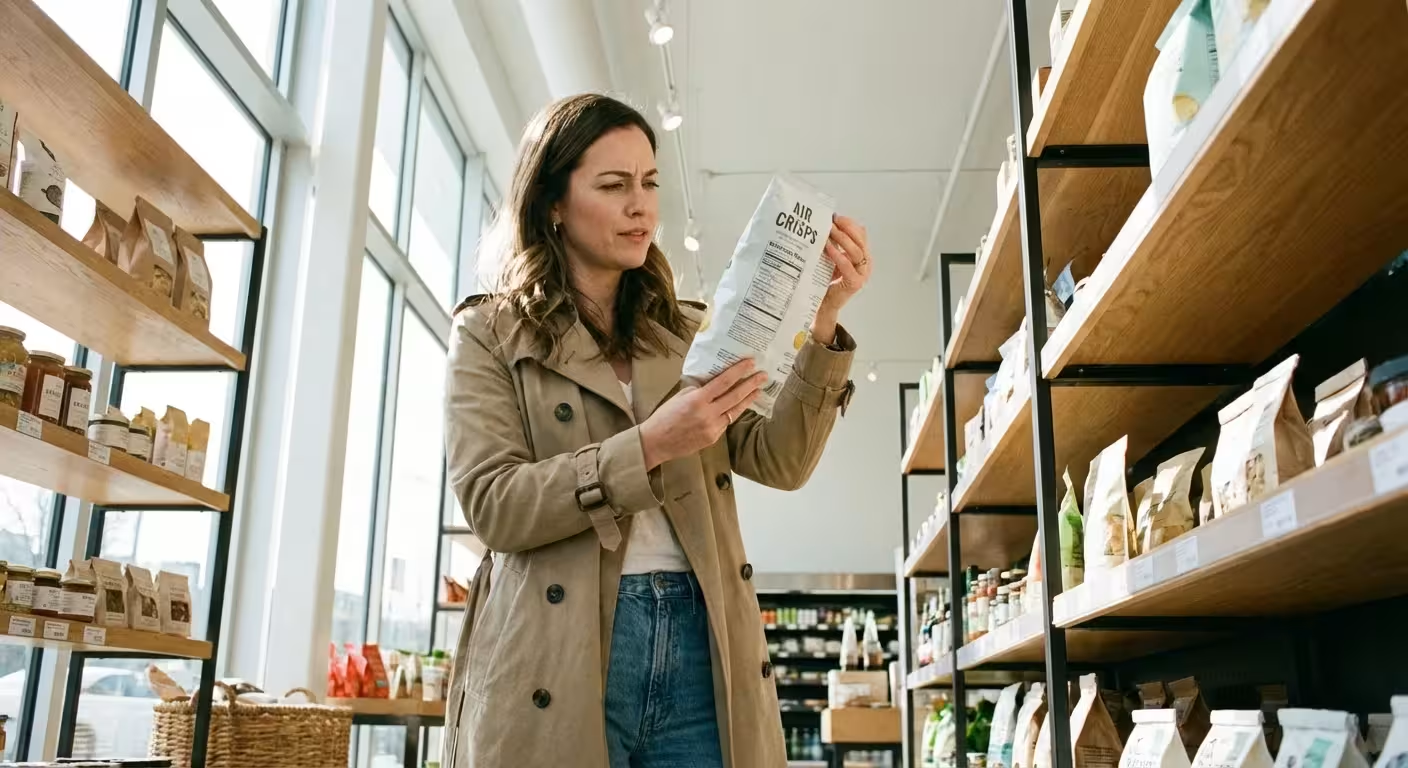
You walk down the grocery aisle and reach for your usual bag of corn chips. The price tag says $4.99—the same price you paid last month. You toss it in the cart, feeling like you have dodged the latest wave of grocery inflation. But when you get home and open that bag, you find yourself staring at a mountain of air and a small pile of chips at the bottom. You are not imagining things; you are a victim of shrinkflation.
Shrinkflation is the sneaky practice where manufacturers reduce the size or quantity of a product while maintaining the same sticker price. In some cases, they even raise the price while downsizing the container. It is a subtle way for brands to protect their profit margins without triggering the immediate “sticker shock” that sends shoppers running to competitors. Because most of us remember prices better than we remember net weights, companies bet on the fact that you will notice a fifty-cent price hike faster than you will notice a bag losing half an ounce of weight.
To keep your budget intact, you must look past the colorful packaging and flashy “New Look!” banners. Understanding how these brands operate—and which ones have recently trimmed their offerings—will help you make smarter purchasing decisions in 2025 and beyond.
The Hidden Mechanics of Shrinkflation
Manufacturers do not just wake up and decide to cut three cookies from a package. These decisions result from complex calculations involving raw material costs, transportation, and consumer psychology. When the cost of cocoa, sugar, or plastic resin spikes, companies face a choice: raise the price or shrink the product. Data from the Bureau of Labor Statistics (bls.gov) shows that while overall inflation fluctuates, the price of household staples often remains “sticky” because brands use size reduction as a buffer.
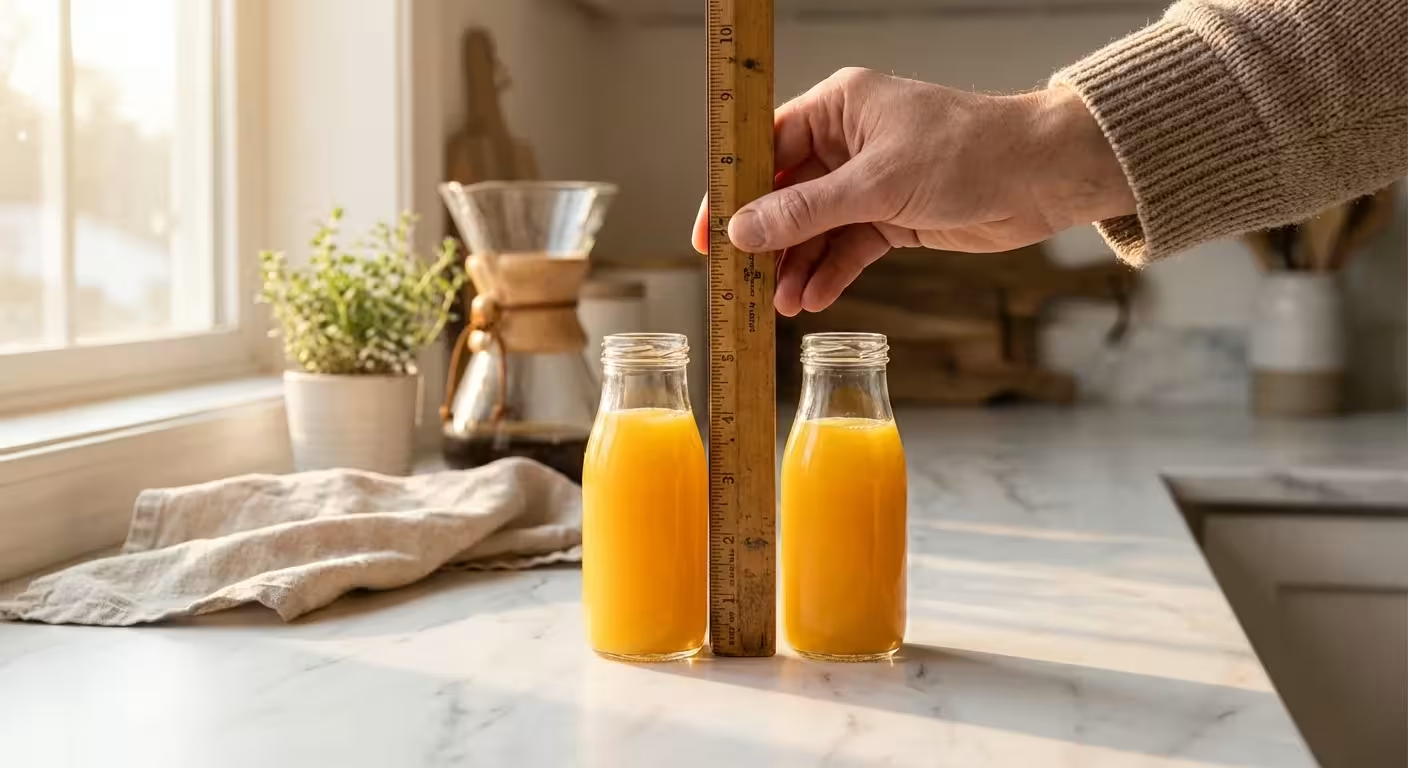
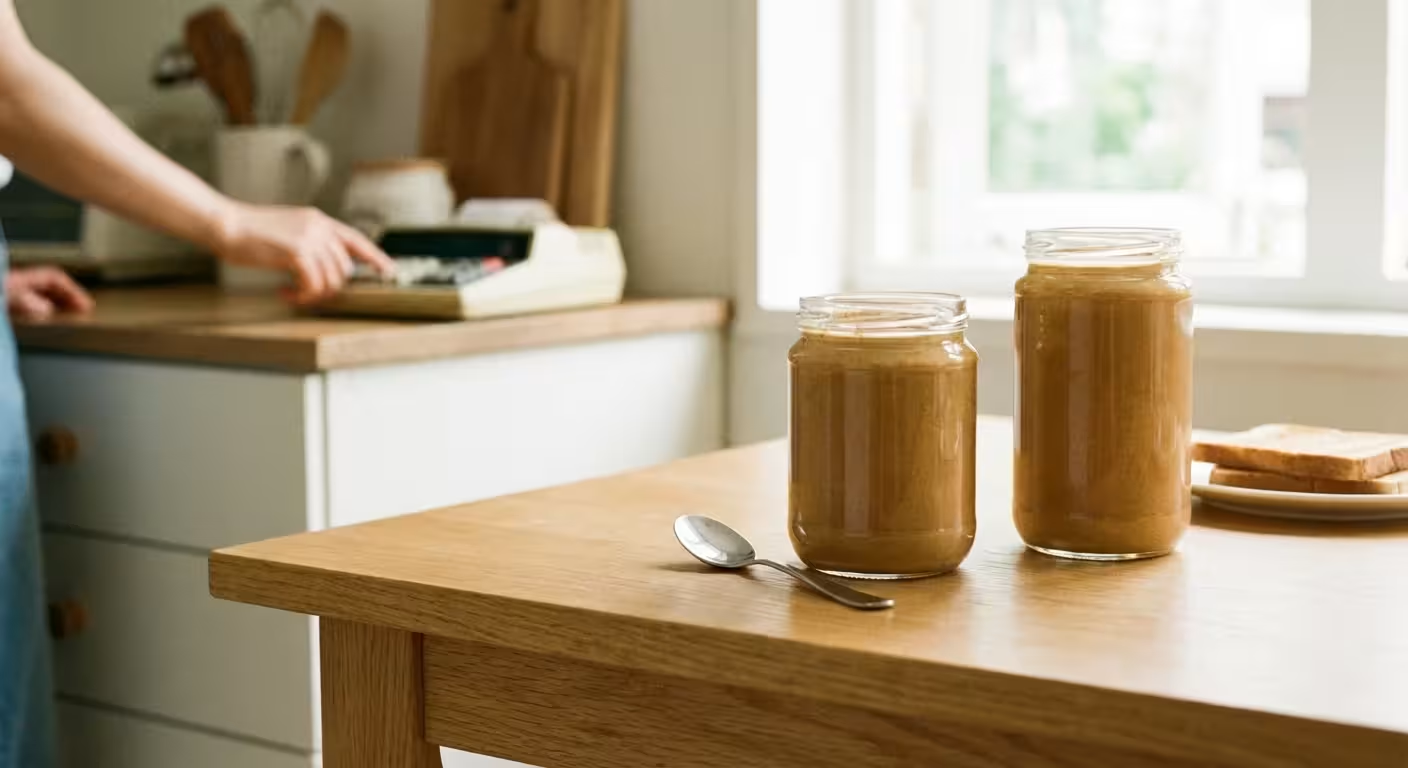
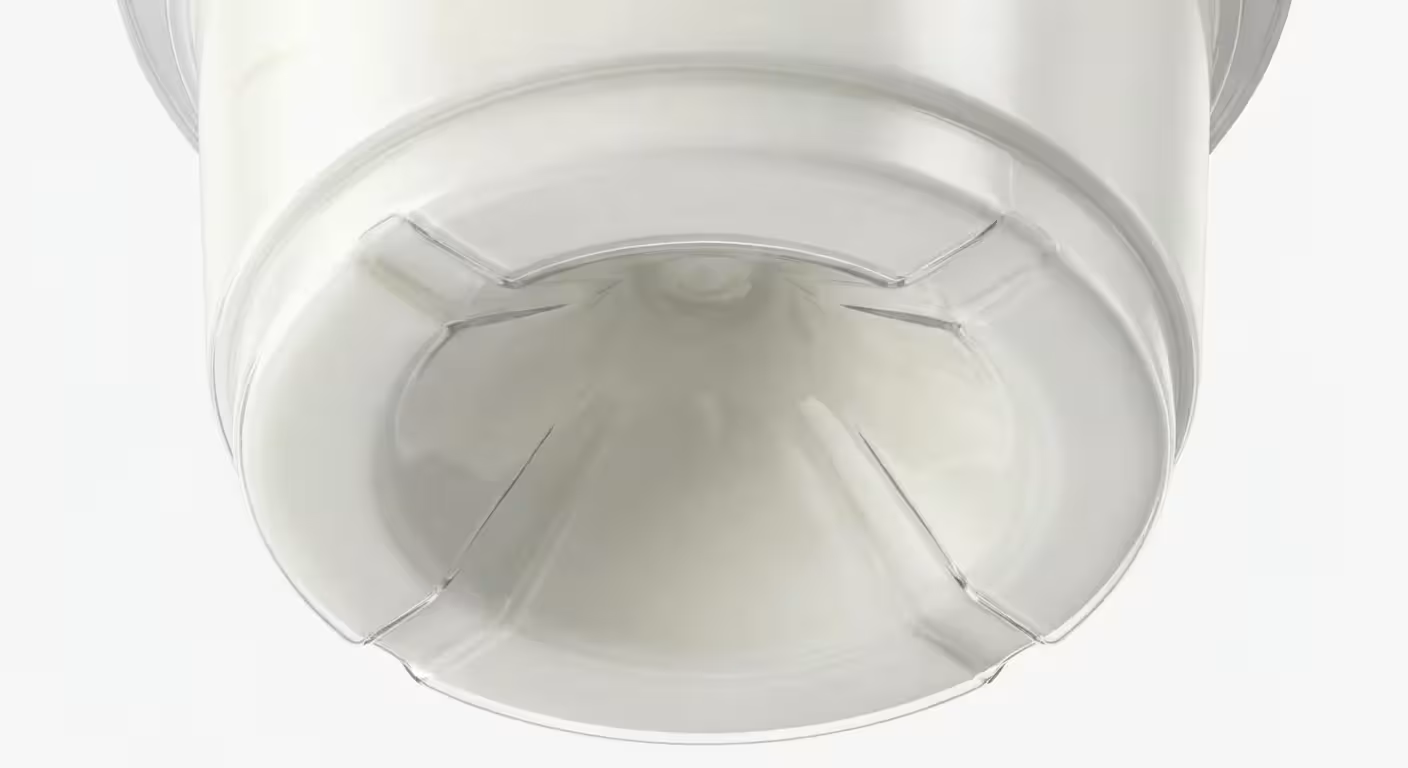
They use several tactics to hide these changes. You might see a bottle that is taller and thinner, giving the illusion of volume while actually holding less liquid. Some brands add a deeper “dimple” or “punt” to the bottom of a jar of peanut butter or a container of yogurt. To the casual eye, the jar looks identical on the shelf, but that extra bit of plastic at the base displaces several tablespoons of product. These minor tweaks allow brands to maintain their shelf presence while providing less value for your dollar.
“Beware of little expenses; a small leak will sink a great ship.” — Benjamin Franklin
Shrinkflation Examples 2025: The Hall of Shame
While almost every category in the supermarket has seen some form of downsizing, several major brands have made headlines for significant reductions. According to recent consumer advocacy reports and data from Consumer Reports, the following categories and brands have seen the most aggressive shrinkflation.
Paper Products and Household Goods
Paper towels and toilet paper are the easiest targets for shrinkflation because consumers rarely count individual sheets. You might notice your “Mega Roll” does not last as long as it used to. Brands like Charmin and Bounty have historically adjusted sheet counts. For example, some “Super Mega” rolls that previously contained 396 sheets have been spotted with 366 sheets—a nearly 8% reduction while the price remains stagnant or increases.
Snacks and Cereal
General Mills and Kellogg’s have both faced scrutiny for their cereal packaging. In several shrinkflation examples 2025, “Family Size” boxes that once weighed 19.3 ounces have dropped to 18.1 ounces. Within the snack world, Frito-Lay has notably reduced the weight of Doritos bags; a standard bag that once weighed 9.75 ounces now often weighs 9.25 ounces. While five-tenths of an ounce sounds negligible, it adds up to millions of dollars in saved production costs for the manufacturer—at your expense.
Beverages and Dairy
Gatorade famously transitioned its 32-ounce bottles to a more “ergonomic” 28-ounce shape. The new bottle is easier to grip, but you lose four ounces of hydration per purchase. Similarly, Chobani and other yogurt brands shifted from 6-ounce cups to 5.3-ounce cups years ago, a standard that has now become the industry norm. This “creeping shrinkage” sets a new baseline that makes the old, larger sizes seem like a distant memory.
Comparing the Shrinkage: Value Loss Over Time
The table below illustrates how much value you actually lose when a product shrinks but the price stays the same. For this example, we assume a static price of $5.00 to show the impact on your price per ounce.
| Product Category | Original Size | New Size | Increase in Price Per Ounce |
|---|---|---|---|
| Breakfast Cereal | 19.3 oz | 18.1 oz | 6.6% |
| Potato Chips | 9.75 oz | 9.25 oz | 5.4% |
| Laundry Detergent | 100 fl oz | 92 fl oz | 8.7% |
| Paper Towels (Sheets) | 160 sheets | 142 sheets | 12.6% |
| Liquid Body Wash | 18 fl oz | 16 fl oz | 12.5% |
When you view it through the lens of price per ounce, a 12.6% increase in the cost of paper towels is staggering. If your salary did not increase by 12% this year, you are effectively working longer hours just to buy the same amount of household supplies you used to afford with ease.

The Psychology of the “New Look”
Brands rarely announce that they are giving you less. Instead, they frame the change as a positive upgrade. Have you ever seen a package that says “New Improved Design” or “Stay-Fresh Pouch”? Often, these packaging “innovations” serve as a distraction from a weight reduction. A taller, narrower bottle might be marketed as “fitting better in your fridge door,” even if it holds 10% less juice.
Another common tactic is the “Bonus Pack” trap. A brand might offer a “20% More Free” bottle for a limited time. Once consumers get used to the larger size, the brand reverts to the “standard” size—but that new standard is actually smaller than the original size before the bonus promotion began. This creates a psychological anchor that makes the smaller bottle feel normal.
How to Beat Shrinkflation at the Grocery Store
You do not have to be a victim of these corporate maneuvers. By changing the way you look at products and prices, you can reclaim control over your grocery budget.
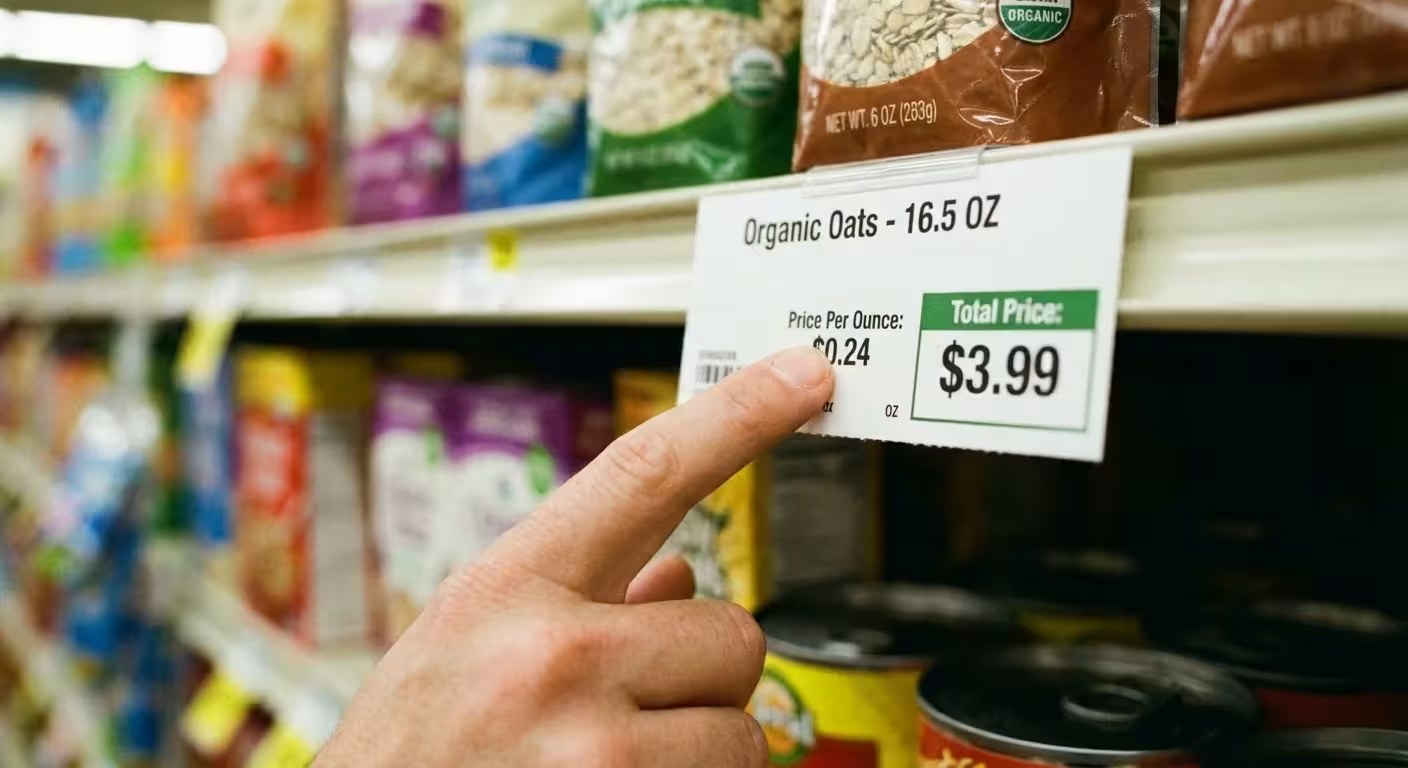
- Ignore the Sticker Price: The large number on the shelf tag is often a distraction. Instead, look for the price per ounce, price per quart, or price per sheet. This is usually listed in small print in the corner of the tag. This is the only way to accurately compare a 12-ounce bag of coffee to a 10.5-ounce bag.
- Verify the Net Weight: Make it a habit to check the actual weight printed at the bottom of the package. If you notice a “New Look” on your favorite brand, compare its weight to the store brand sitting next to it.
- Switch to Store Brands: Generic or “private label” brands (like Costco’s Kirkland or Aldi’s Simply Nature) are often the last to shrink. Because they do not spend millions on flashy advertising and ergonomic bottle designs, they can offer larger quantities for lower prices.
- Buy in Bulk Strategically: Buying the largest size available usually yields the lowest price per unit. However, always double-check. Sometimes “jumbo” sizes are priced higher per ounce than the standard size during a sale.
- Stock Up During Sales: When you find a product that has not yet succumbed to shrinkflation, buy several. Building a small pantry reserve of staples at “old” prices can save you significantly over a six-month period.
Don’t Fall For These Marketing Tricks
As you navigate the aisles, stay alert for these specific red flags that often signal a product is about to shrink or has already done so:
“Modern” Packaging: If a box suddenly has curved sides or a tapered middle, the volume has likely decreased. These shapes are harder for consumers to mentally calculate volume for, making the shrinkage less obvious.
“Concentrated” Formulas: Laundry detergents and dish soaps often claim to be “2X Concentrated,” allowing for a much smaller bottle. While this can be environmentally friendly, manufacturers sometimes reduce the bottle size by 50% but only increase the concentration by 80%, leaving you with fewer total loads of laundry for the same price.
Increased “Air” or “Headspace”: Nitrogen flushing is used to keep snacks fresh and prevent breakage, but if the “slack fill” (the empty space in a bag) seems excessive, the company may have reduced the product weight without shrinking the bag size to maintain shelf presence.
When It’s Worth Paying
While stretching every dollar is important, there are times when “intentional spending” is better than chasing the absolute lowest price. Not every reduction in size is a dealbreaker.
If a brand reduces its size but maintains high-quality ingredients while a cheaper competitor uses fillers or artificial preservatives, the smaller, high-quality option might still be the better value for your health and satisfaction. Similarly, if a smaller package prevents food waste in a one-person household, the higher price per ounce might be offset by the fact that you aren’t throwing away half a container of expired product. The goal is to be intentional about where your money goes, ensuring you receive the value you expect.
“It’s not your salary that makes you rich, it’s your spending habits.” — Charles A. Jaffe

The Role of Consumer Protection
The issue of shrinkflation has reached the highest levels of government. The Federal Trade Commission (FTC) (ftc.gov) and various state attorneys general have begun investigating whether certain packaging changes constitute deceptive marketing. While it is generally legal for a company to change its product size, it becomes a legal issue if the packaging is intentionally misleading or if the weight listed on the package is inaccurate.
You can report suspicious packaging or misleading weight claims to the Consumer Financial Protection Bureau (CFPB) (consumerfinance.gov) or your state’s consumer protection office. Public pressure and “naming and shaming” on social media have occasionally forced brands to reconsider their downsizing strategies or offer “bonus” sizes to win back disgruntled customers.

Practical Action Plan for Your Next Shopping Trip
- Create a “Price Book”: Keep a small note on your phone with the price per ounce of your top 10 most-purchased items. When you see a change, you will know immediately.
- Shop the Bottom Shelf: Stores often place the most expensive (and most shrunken) brand-name items at eye level. Larger, better-value items are frequently relegated to the bottom shelf.
- Compare Weight, Not Height: When comparing two brands of the same product, ignore the physical size of the containers. Hold them both and check the grams or ounces. You will be surprised how often the smaller-looking box is actually heavier.
- Use Tools: Websites like CamelCamelCamel can help you track price fluctuations on sites like Amazon, ensuring you aren’t buying during a peak price period for a shrunken item.
FAQs About Shrinkflation
Is shrinkflation illegal?
Generally, no. As long as the manufacturer accurately prints the new, lower weight on the package, it is legal. It only becomes a legal matter if they use deceptive packaging that makes it impossible for a consumer to see the weight or if the weight listed is false.
Why don’t companies just raise prices?
Psychological research shows that consumers are much more sensitive to price changes than to size changes. A $0.50 increase on a $4.00 item is a 12.5% jump that people notice immediately. Reducing the weight by 12.5% is much harder for the average shopper to detect at a glance.
Does shrinkflation happen to fresh produce?
It is rarer in the produce aisle because items like apples or broccoli are often sold by the pound. However, it does happen with “pre-packaged” produce, such as bagged salads or containers of berries, where the price stays the same but the weight drops from 12 ounces to 10 ounces.
Will sizes ever go back up?
Rarely. Once a company successfully transitions consumers to a smaller size, that becomes the “new normal.” On the rare occasions that sizes increase, it is usually branded as a “New Jumbo Size” and accompanied by a significant price hike.
Navigating the grocery store in 2025 requires more than just a list; it requires a keen eye for detail. By focusing on the price per ounce and staying skeptical of “new and improved” packaging, you can protect your hard-earned money. Companies will continue to find ways to squeeze more profit out of every box and bottle, but as an informed consumer, you hold the power. Use your data, compare the labels, and do not be afraid to walk away from a brand that no longer offers the value you deserve.
The savings estimates in this article are based on typical costs and may differ in your area. Always compare current prices and consider your household’s specific needs.
Last updated: February 2026. Prices change frequently—verify current costs before purchasing.




Leave a Reply