
Most Americans own a ladder they haven’t touched in three years; it sits in the garage, slowly gathering dust while occupying prime real estate. According to data from the Bureau of Labor Statistics, the average household spends over $2,500 annually on “housewares, small appliances, and other household textiles.” Much of this spending goes toward items we use infrequently—think power drills, punch bowls, or extra folding chairs for the one time you host Thanksgiving. This “ownership tax” drains your bank account and clutters your living space.
You probably know about basic Buy Nothing groups or the occasional free couch left on a curb. However, a deeper, more sophisticated local gift economy exists just beneath the surface of your neighborhood. When you master these hyper-local networks, you stop being a consumer of “stuff” and start becoming a manager of resources. This shift doesn’t just save you a few dollars; it fundamentally changes your household’s bottom line. By leveraging neighborhood sharing, you can effectively eliminate entire categories of spending from your budget.
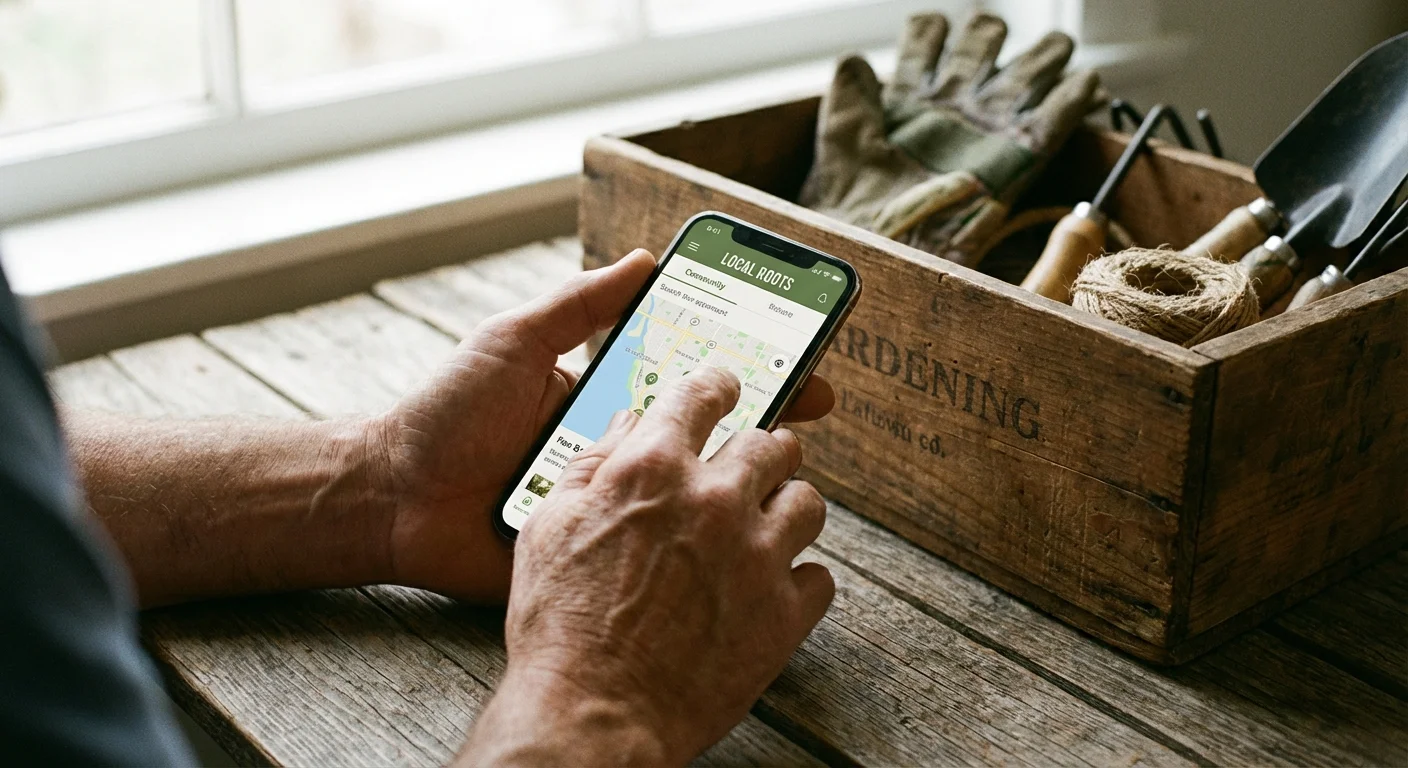
The Evolution of the Local Gift Economy
The concept of a gift economy isn’t new, but technology has transformed it from a niche hobby into a high-functioning financial strategy. In a traditional economy, you exchange currency for value. In a gift economy, you circulate value without the expectation of direct, immediate repayment. You give when you have an abundance, and you receive when you have a need.
This system thrives on proximity. While global marketplaces like eBay require shipping, packaging, and fees, hyper-local gifting costs you nothing more than the gasoline to drive three blocks. The Buy Nothing Project and similar platforms have popularized this, but the “advanced” user looks beyond the most popular Facebook groups. They look for specialized exchanges where high-value items often hide.
“It’s not your salary that makes you rich, it’s your spending habits.” — Charles A. Jaffe

Mapping Your Neighborhood Sharing Networks
To maximize your savings, you must diversify your sources. Relying solely on one platform limits the free items you see. Explore these specific channels to build your personal resource map:
- Dedicated Buy Nothing Apps: While Facebook groups are the most common, the official Buy Nothing app allows for more granular location tracking and better search functionality.
- Nextdoor: Use the “For Sale & Free” section, but filter specifically for “Free.” People moving out of the neighborhood often list high-quality furniture and appliances here just to avoid the hassle of hauling them away.
- Freecycle: One of the original pioneers, Freecycle remains a powerhouse for technical items and hobbyist supplies.
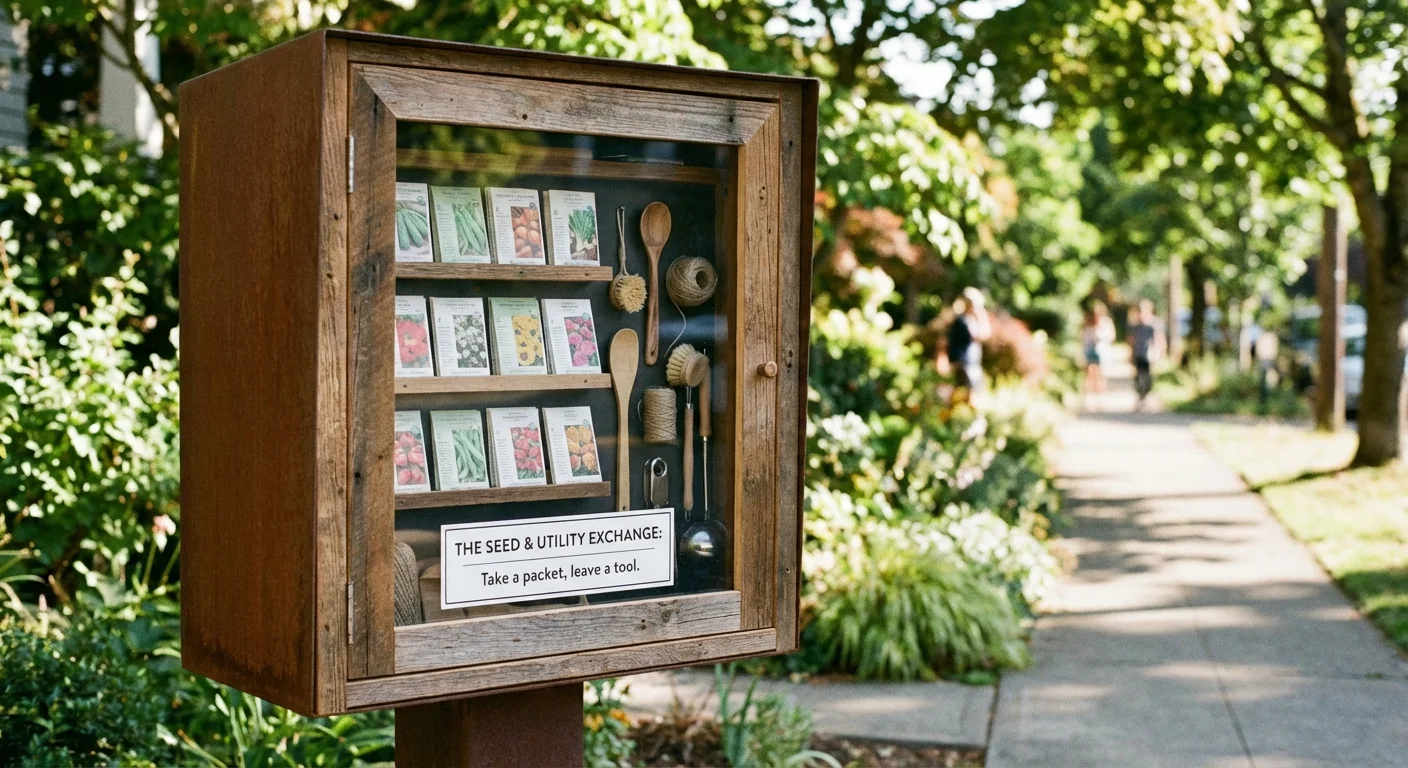
- Specialized Exchange Libraries: Look for Little Free Libraries, but also search for local tool libraries, seed swaps, and “toy libraries” often run by community centers or churches.
- Trash Nothing: This aggregator pulls listings from various free-cycle communities into a single interface, saving you time.
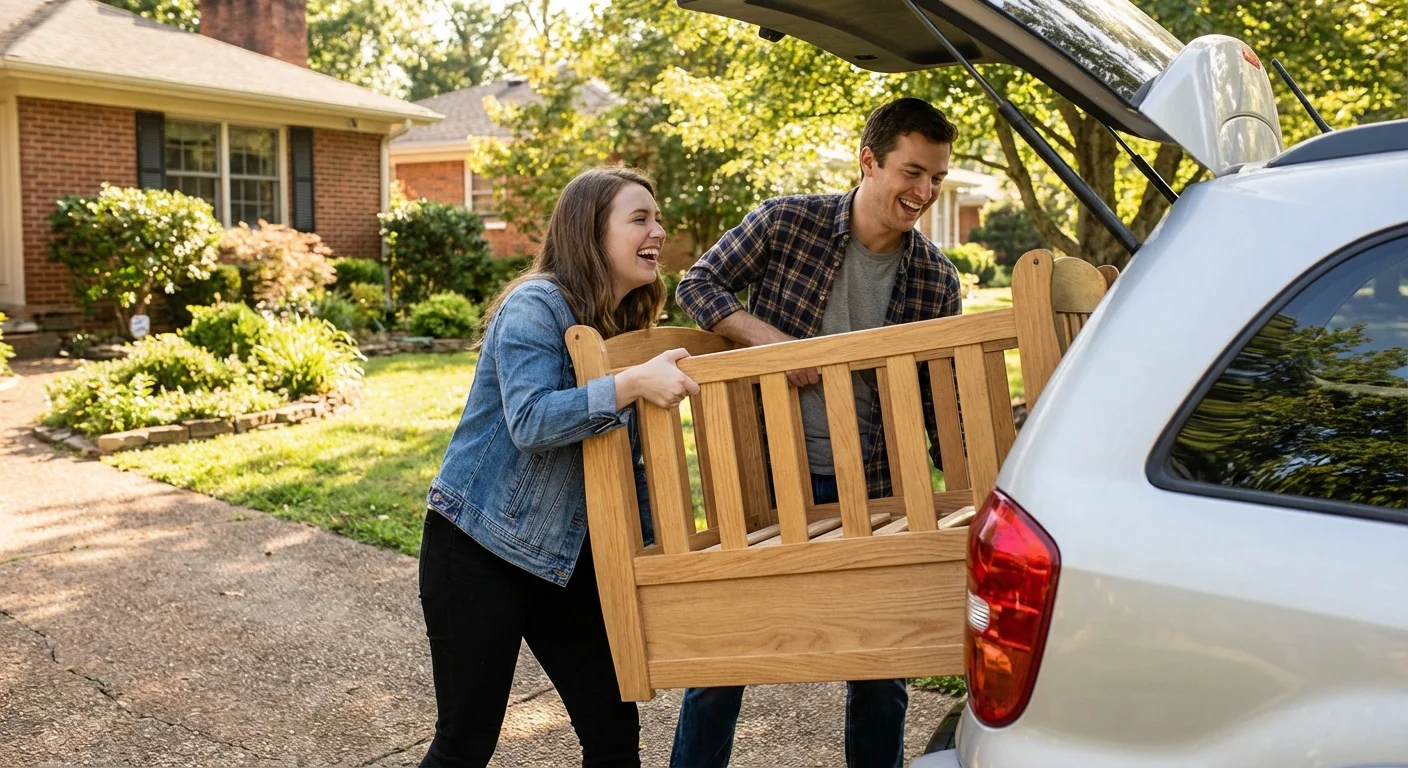
Advanced Strategies for Sourcing High-Value Items
Beginners wait for someone to post an item. Advanced users know how to signal their needs to the community effectively. This is the difference between getting a random bag of clothes and securing a $300 stroller for $0.
Mastering the “Wish” Post
Most people feel awkward asking for things. However, in a healthy gifting economy, “Wishes” are as valuable as “Gives” because they help neighbors declutter with purpose. When you post a wish, be specific but flexible. Instead of saying, “I need kitchen stuff,” try: “I am looking for a slow cooker for my meal-prep goals this month. Does anyone have one they no longer use?” Specificity triggers a memory in your neighbors—they remember the Crock-Pot buried in the back of their pantry.
Timing Your Requests
According to moving industry data, the end of the month and the start of summer are the most common times for household transitions. This is your “peak season.” Watch the boards closely during these windows. If you see a “moving sale” post on a Monday, check back on Thursday or Friday; the items that didn’t sell are frequently offered for free to anyone who can pick them up before Saturday.

The Financial Impact: A Comparison of Costs
To understand why this matters, look at the cost-to-use ratio. The following table compares the typical retail price of common household needs versus the “Gifted” cost over a five-year period.
| Item Category | Average Retail Cost (New) | Hyper-Local Gifting Cost | 5-Year Savings Potential |
|---|---|---|---|
| Power Tools (Drill, Saw, Sander) | $450+ | $0 (Borrowed/Gifted) | $450 |
| Baby Gear (Stroller, High Chair) | $800+ | $0 (Hand-me-downs) | $800 |
| Occasional Hosting (Extra Chairs, Platters) | $200 | $0 (Borrowed) | $200 |
| Lawn Equipment (Spreader, Aerator) | $150 | $0 (Shared) | $150 |
| Total Potential Savings | $1,600 | $0 | $1,600 |
By shifting these purchases to a gifting model, you keep that $1,600 in your high-yield savings account. You can find more tips on managing those extra savings at the Consumer Financial Protection Bureau (CFPB).

Etiquette: The Currency of the Gift Economy
You cannot simply take; you must be a “good citizen” of the network to ensure people choose you when high-value items become available. Givers often look at a recipient’s history. If you only ever take and never give, you may find yourself overlooked for the highly sought-after items like iPads or designer furniture.
Responsiveness is your reputation. If you are chosen for an item, reply immediately. Show up when you say you will. If you say you’re coming at 5:00 PM, don’t show up at 5:30 PM. In the world of free items, the “no-show” is the ultimate sin. By being the person who actually shows up, you become a preferred recipient for future gives.
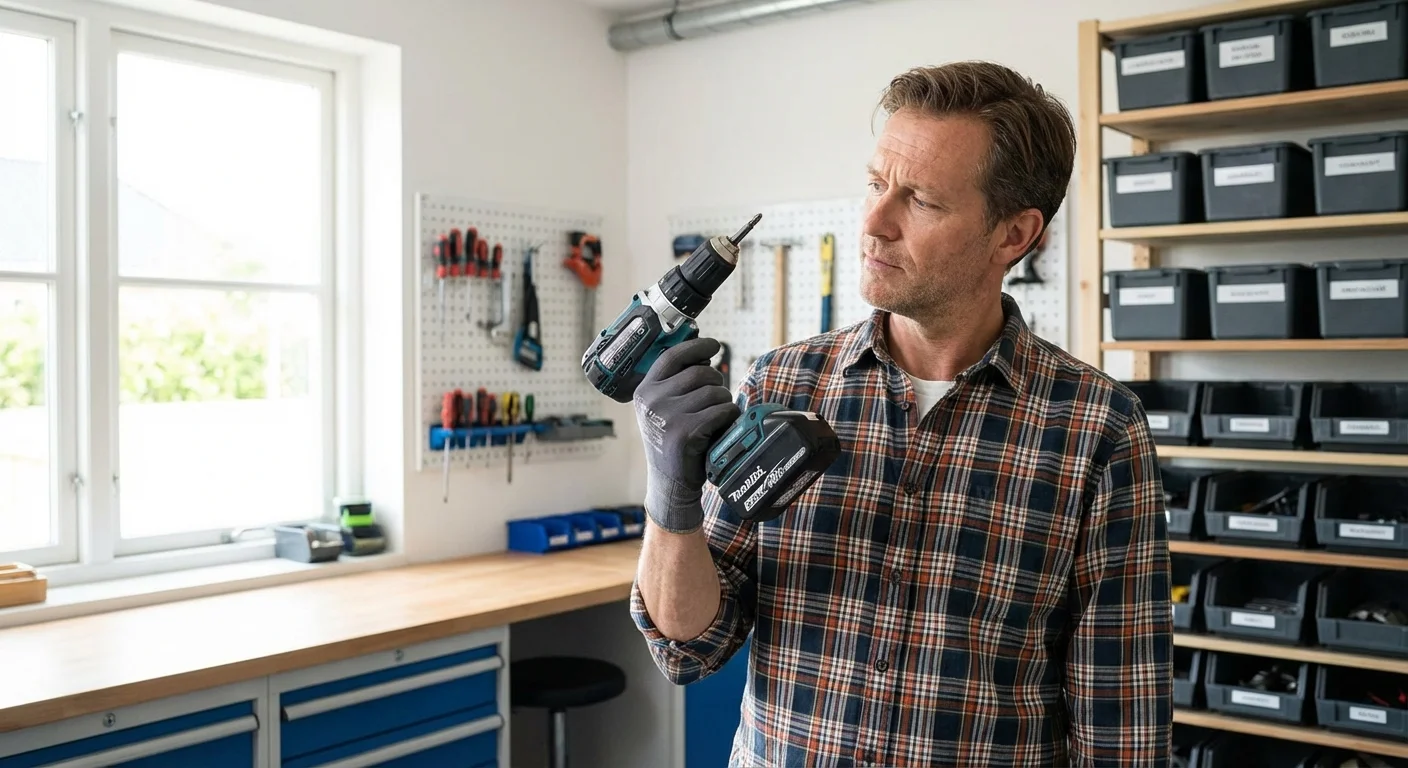
Savings Killers: Avoiding the Trap of “Free”
Just because something is free doesn’t mean it’s a good deal. Avoid these common mistakes that turn a savings strategy into a financial or mental drain:
- The Gas Trap: Don’t drive 15 miles round-trip for a $3 bottle of laundry detergent. With gas prices fluctuating (check AAA Gas Prices for your current local average), you might spend more on fuel and vehicle wear-and-tear than the item is worth.
- The Clutter Burden: Taking items “just in case” leads to a cluttered home. Clutter creates stress and can even lead to more spending as you buy organizers or larger storage solutions. Only take what you have a specific, immediate use for.
- Safety Risks: Never compromise safety for a freebie. Always meet in a public, well-lit place for small items. For larger items requiring a porch pickup, use the “buddy system” and notify someone of your location. You can review consumer safety guidelines at the Federal Trade Commission (FTC).
- Hidden Costs: A free printer is a liability if the ink costs $80. A free dishwasher is a burden if it requires a $200 plumbing repair. Always research the “cost of ownership” before accepting a high-maintenance item.
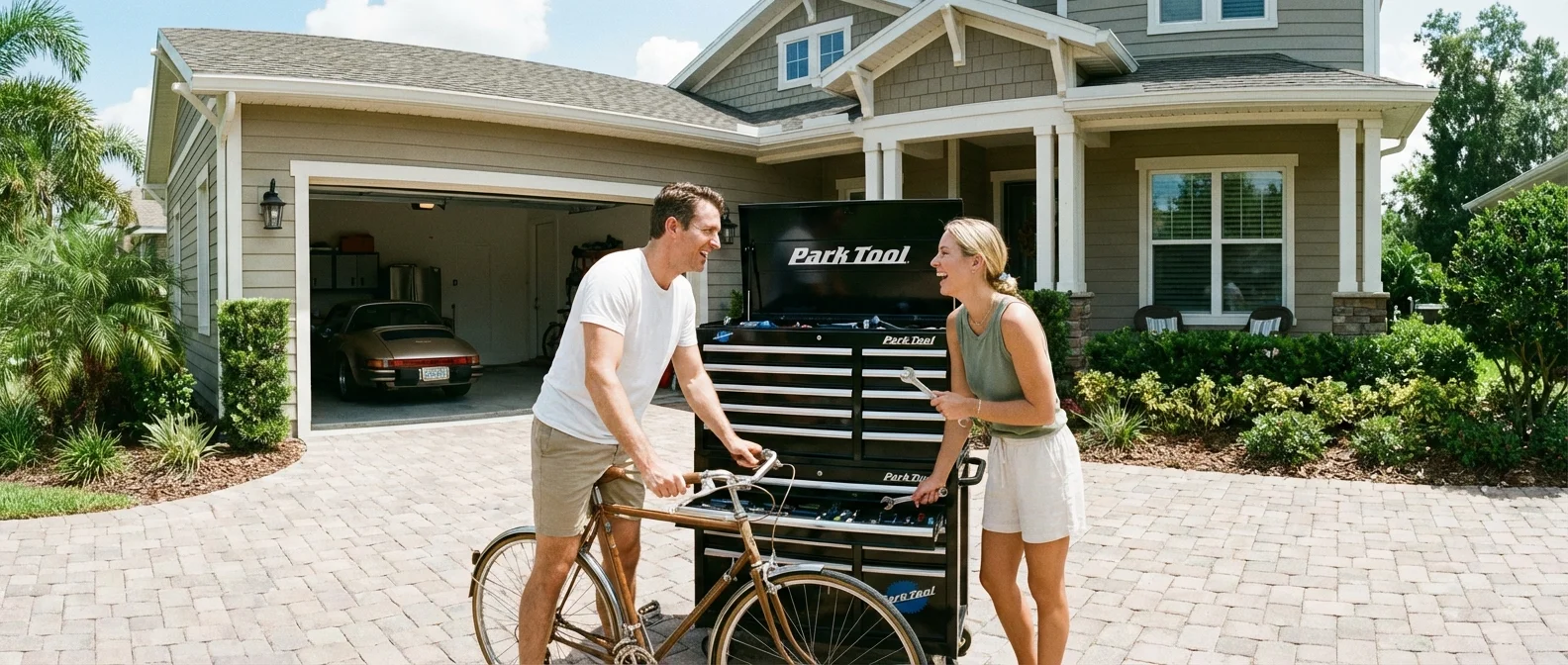
DIY vs. Professional: When Gifting Isn’t Enough
While gifting economies are great for goods, they can sometimes apply to labor through “time banks” or skill-sharing. However, you must know when to stop relying on the community and hire a pro.
DIY with Gifting:
- Painting a room (gifted tarps, brushes, and borrowed ladders).
- Minor landscaping (borrowed shovels or gifted perennial divisions).
- Basic home organization (gifted bins and shelving).
Hire a Professional:
- Electrical work: Never “wing it” with a gifted light fixture if you don’t know the wiring.
- Structural repairs: A gifted piece of lumber won’t fix a sagging foundation.
- Complex appliance repair: If a gifted dryer isn’t heating, call a technician rather than risking a fire.

The Sustainable Side of Hyper-Localism
Beyond the direct financial benefit, participating in these economies is one of the most effective ways to reduce your environmental footprint. Every item you save from a landfill is an item that doesn’t need to be manufactured, packaged, and shipped. The EPA notes that “reducing and reusing” is even more effective for the environment than recycling. By keeping products in circulation within your zip code, you reduce the carbon demand of your lifestyle. It’s a rare scenario where the most ethical choice is also the most profitable one for your household.
“The goal isn’t to be cheap—it’s to be intentional.”
Cultivating Your Own Micro-Economy
If your neighborhood doesn’t have a robust sharing group, you can start one on a smaller scale. Start a “tool pool” with your three immediate neighbors. Share a lawnmower, a pressure washer, and a heavy-duty leaf blower. By splitting the maintenance costs of these three items among four houses, you reduce your individual cost by 75% while maintaining full access to the utility of the tools.
This “micro-economy” approach works exceptionally well for parents. Create a “travel gear” circle where one family owns the portable crib, another owns the car-seat travel bag, and a third owns the hiking backpack carrier. Swap them as needed based on your travel schedules. This eliminates the need for every family to own (and store) all three bulky items.

Building Long-Term Wealth Through Community
The money you don’t spend on a new circular saw or a set of patio chairs is money that can go directly into your Roth IRA or your emergency fund. Over a decade, the compounding interest on those “small” savings can amount to tens of thousands of dollars. As Benjamin Franklin famously noted, “A penny saved is a penny earned.” In the modern era, a drill borrowed from a neighbor is $100 earned for your retirement.
The advanced user of gifting economies doesn’t see themselves as “getting free stuff.” Instead, they see themselves as part of a decentralized warehouse. Your neighbors’ garages are your storage units, and your attic is theirs. When you view your community this way, you realize you are far wealthier than your bank statement suggests. You have access to thousands of dollars’ worth of equipment and goods, all without the debt or maintenance burden of ownership.
Frequently Asked Questions
How do I find high-quality items before someone else grabs them?
Speed and notification settings are key. Enable “All Posts” notifications for your primary local groups. However, the best way is to build a reputation as a reliable “giver.” Givers often look at the profiles of people requesting items; if you are an active, helpful member of the group, they are more likely to choose you.
Is it okay to ask for something expensive, like a laptop or a fridge?
Yes, but manage your expectations. When asking for high-value items, explain the “why.” If you need a laptop for a child’s schoolwork or a fridge because yours just died, people are often incredibly generous. Be honest and transparent about your need.
What should I do if I receive an item that is broken or dirty?
Standard etiquette is to accept it gracefully if you can fix or clean it. If it’s truly unusable junk, you can politely decline at pickup or, if you’ve already taken it home, dispose of it properly. Never re-gift a broken item into the group without clearly labeling it as “for parts/repair.”
Taking Your First Step Today
Start by identifying one item you were planning to buy this week. Before you head to a big-box store or click “Buy Now” online, post a “Wish” in your local neighborhood group. Be specific, be polite, and see what happens. You might be surprised to find that the very thing you need is sitting in a neighbor’s closet, waiting for a new home. Once you experience the thrill of a successful gift exchange, look around your own home. Find one item you haven’t used in a year and offer it to the community. This simple act of giving and receiving builds a more resilient, affordable, and connected life for you and your neighbors.
The savings estimates in this article are based on typical costs and may differ in your area. Always compare current prices and consider your household’s specific needs.
Last updated: February 2026. Prices change frequently—verify current costs before purchasing.









Leave a Reply