
You probably know the feeling of a “small win” at the checkout counter—seeing a few dollars drop off your total because you entered a promo code or showed a student ID. But for most shoppers, that is where the journey ends. They accept a single discount as the final price, leaving significant money on the table. If you want to maximize your purchasing power in an era of rising costs, you must master the art of discount stacking.
Discount stacking is the strategic process of applying multiple layers of savings to a single transaction. While many retailers technically forbid “combining offers,” the digital landscape has opened backdoors that allow savvy consumers to layer identity-based discounts (like those for seniors, military, or students) with manufacturer coupons, site-wide sales, and cash-back rewards. According to the Bureau of Labor Statistics, consumer prices have remained a significant concern for American households, making these strategies more than just a hobby—they are a financial necessity. You can find detailed spending data at the Bureau of Labor Statistics to see exactly where the average American dollar goes.

The Mechanics of Modern Discount Stacking
At its core, discount stacking requires a shift in mindset. You are no longer looking for “a deal”; you are building a “savings stack.” Think of it as a pyramid. The base is the sale price of the item itself. The next layer is your identity discount—your status as a student, a veteran, or a senior. The third layer involves digital coupons or promo codes. Finally, the top layer consists of cash-back or rebate incentives. When you execute this correctly, you can often secure items for 40% to 60% below the original MSRP.
Retailers generally categorize discounts into two buckets: “Hard” discounts and “Soft” incentives. A hard discount is a direct reduction in the price at the point of sale, such as a 15% military discount. A soft incentive is money returned to you after the fact, such as credit card points or Rakuten cash back. The secret to stacking is that soft incentives almost always work regardless of what hard discounts you apply.
“It’s not your salary that makes you rich, it’s your spending habits.” — Charles A. Jaffe
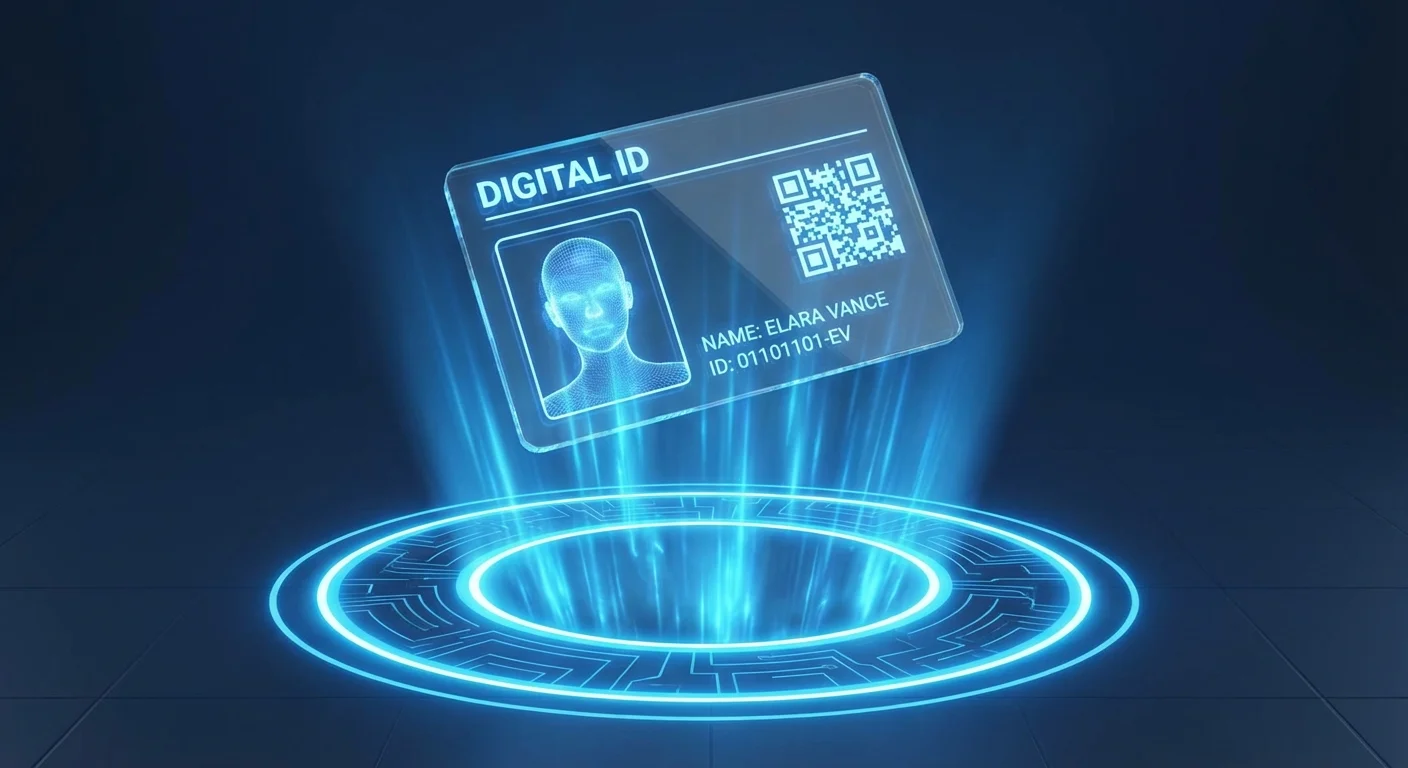
The Verification Gatekeepers: ID.me, SheerID, and UNiDAYS
Before you can stack, you must verify your identity. In years past, you simply showed a plastic ID card to a cashier. Today, digital verification platforms act as the gatekeepers for nearly every major online retailer. If you haven’t set up profiles on these platforms, you are missing out on the foundational layer of your stack.
- ID.me: This is the gold standard for military, first responder, and nurse discounts. Because ID.me verifies your identity against official records, your status is “locked in.” Many government agencies and retailers like Under Armour, Apple, and Samsung use this for seamless verification.
- SheerID: Similar to ID.me, SheerID focuses heavily on student and teacher verification. They partner with brands like Nike and Spotify.
- UNiDAYS and StudentBeans: These platforms are essential for anyone with a .edu email address. They provide unique, one-time-use coupon codes that frequently stack with existing site-wide sales.
To begin, create an account with each. Upload the necessary documentation once, and you will have a “digital passport” that unlocks discounts across thousands of websites instantly.

The Five-Layer Stack Strategy
To move from a casual saver to a stacking expert, follow this specific order of operations. Skipping a step or performing them out of order can sometimes “break” the digital cart and prevent a code from working.
Step 1: Start with a Sale or Clearance Base
Never stack on top of a full-price item unless it is an absolute necessity. Most retailers cycle their inventory every 6 to 8 weeks. Wait for a “site-wide” event or check the clearance section first. Your identity discount almost always applies to the clearance price, creating your first level of compounding savings.
Step 2: Activate Your Identity Discount
Log into your ID.me or UNiDAYS account to generate a unique code. Apply this at checkout. Note that some retailers, like Nike or Adidas, will replace the general “sale” code with your “identity” code if they aren’t stackable. However, if the item is already marked down on the page (red text price), the identity code usually takes an additional percentage off that lower price.
Step 3: Hunt for “Floating” Promo Codes
This is where many people fail. They assume their student discount is the only code allowed. Use a resource like Slickdeals to see if there are “stackable” codes, such as a free shipping code or a “gift with purchase” code. While two percentage-off codes rarely work together, a percentage-off code plus a dollar-off code (e.g., $10 off $50) sometimes does.
Step 4: Use a Cash-Back Portal
Before you click “purchase,” ensure you have routed your click through a portal like Rakuten, TopCashback, or Capital One Shopping. These services don’t care that you used a military discount; they pay you a percentage of the final sale price simply for using their link. This effectively shaves another 2% to 10% off the price.
Step 5: Pay with a Category-Specific Credit Card
The final layer is your payment method. If you are buying groceries, use a card that offers 3% or 6% back on groceries. If you are at a department store, use a card with a high “everything else” rate. This is the “cherry on top” that ensures you are getting paid to shop.

Comparison of Retailer Stacking Policies
Not every store plays by the same rules. Use the table below as a general guide for where your stacking efforts will be most rewarded.
| Retailer | Primary Discount | Stackable with Sales? | Stackable with Coupons? | Best Tool to Use |
|---|---|---|---|---|
| Nike | 10% Student/Military | Yes (Clearance) | Rarely | SheerID |
| Kohl’s | 15% Senior/Military | Yes | Yes (up to 4 codes) | Kohl’s App |
| Target | Varies (Circle) | Yes | Yes (RedCard + App) | Target Circle |
| Adidas | 30% Identity Discount | No (usually excludes sales) | No | ID.me |
| Michaels | 15% Senior/Teacher/Military | Yes | No (excludes “Great Buy”) | Michaels Rewards |

Senior Savings: Moving Beyond the “Early Bird Special”
If you are 55 or older, you have access to some of the most consistent—yet underutilized—stacking opportunities. Many retailers offer “Senior Days,” typically on Tuesdays or Wednesdays. Retailers like Walgreens, Ross, and Michaels offer 10% to 20% off for seniors on these specific days.
The key to 201-level senior saving is layering these specific days with digital manufacturer coupons. For example, if Walgreens offers a 20% Senior Day discount, you should spend the previous Sunday “clipping” digital coupons in the Walgreens app. When you scan your loyalty card on Tuesday, the system first deducts the digital manufacturer coupons (e.g., $2.00 off a specific laundry detergent) and then applies the 20% senior discount to the remaining balance. This “double-dip” can often result in essential household items costing less than their generic counterparts at discount warehouses.

Student Discounts for Life (and How to Use Them)
Student discounts aren’t just for 19-year-olds living in dorms. Many community colleges offer “non-degree” or “continuing education” classes that provide you with a valid .edu email address and a student ID. If you take one affordable personal interest class a year, you may find the savings on software (Adobe Creative Cloud), hardware (Apple’s Education Store), and streaming services (Spotify/Hulu) more than pay for the tuition.
When using student discounts, always check the “Education” portal of a brand’s website first. Companies like Lenovo and Dell have entirely separate versions of their websites for students. The prices there are already lower than the public site; applying a seasonal promo code on top of that specific portal price is the ultimate student stack.

Military and First Responder Benefits
Military members and their families have access to the most aggressive stacking tools, primarily through the Exchange (AAFES) and platforms like ID.me. One of the most powerful “stacks” involves using the 10% military discount at hardware stores like Lowe’s or Home Depot. While these stores have tightened restrictions on “stacking” with sales, the discount still applies to thousands of items that never go on sale, such as lumber or specific tools.
For even greater savings, veterans should look at the “Veterans Online Shopping Benefit,” which allows all honorably discharged veterans to shop tax-free at the online Exchange. Combining a tax-free price with a manufacturer’s rebate on major appliances can save you hundreds of dollars compared to traditional big-box retailers.

Grocery Store Tactics: Digital Coupons and Loyalty Programs
The grocery store is the most frequent place you will spend money, and it is also the easiest place to mess up your stack. Most people think using a loyalty card is enough. To truly stack, you must follow the “Rule of Three”:
- The Store Sale: Buy only what is on the “front page” of the circular.
- The Digital Store Coupon: Activate “Load-to-Card” coupons in the store’s app.
- The Rebate App: After the purchase, upload your receipt to apps like Ibotta or Fetch Rewards.
If you are a senior, performing this “Rule of Three” on a Senior Discount Day creates a four-layer stack that is nearly impossible to beat. For more information on how to manage your food budget effectively, the USDA Food and Nutrition page provides excellent resources on meal planning and cost-effective eating.

Where People Overspend: The Stacking Traps
Even expert stackers fall into certain traps that negate their savings. One common error is “Over-buying for the code.” If a retailer offers $20 off a $100 purchase, and your cart is at $80, you might feel compelled to find $20 worth of “filler” items. If you didn’t need those items, you didn’t save $20; you spent $20 more than you intended. Avoid the lure of “free shipping” thresholds and “minimum spend” requirements unless you were already planning to buy those items.
Another mistake is ignoring the “Exclusions” link. Almost every identity discount has a list of excluded brands. For example, a “20% off everything” senior discount at a department store will almost always exclude high-end cosmetics (Estée Lauder) and premium electronics (Bose). If you build your budget around a discount that doesn’t apply, you’ll face a nasty surprise at the register. Always click the “See Exclusions” fine print before you get your heart set on a specific price.

Tools to Automate Your Savings
You don’t have to do all of this manually. Several browser extensions and apps can do the heavy lifting for you. However, proceed with caution: some extensions will “overwrite” your cash-back link with their own, potentially stealing your rebate.
- Capital One Shopping: This extension is particularly good at searching for “hidden” coupon codes that other users have successfully used. It also compares prices across different retailers in real-time.
- Honey (PayPal): Honey has one of the largest databases of promo codes and a “droplist” feature that alerts you when an item you want hits a target price.
- CamelCamelCamel: If you are stacking on Amazon (where identity discounts are rare but price fluctuations are common), use this to track price history. For more on smart shopping, check out the consumer advice from the Federal Trade Commission (FTC).

When to Call a Pro
For most everyday purchases, you can manage your own stacks. However, there are scenarios—specifically regarding large-scale home energy improvements or medical expenses—where you should consult professional guidance. If you are trying to layer a “senior” or “veteran” discount with federal tax credits for things like solar panels or high-efficiency HVAC systems, the paperwork can be daunting. In these cases, consulting a tax professional or an energy auditor ensures you don’t accidentally forfeit a $2,000 tax credit just to save $200 on the initial purchase.
Frequently Asked Questions
Can I use a student discount and a military discount together?
Almost never. Most digital checkout systems only allow one “Identity” verification per transaction. Choose the one that offers the higher percentage or the better terms (some might include free shipping while others don’t).
Does the senior discount apply to alcohol or tobacco?
Generally, no. State laws and store policies almost universally exclude regulated substances from any percentage-off discounts. This also frequently applies to pharmacy prescriptions and gift cards.
What if the clerk refuses my digital code?
Be polite but prepared. Have the terms and conditions pulled up on your phone. If a store’s corporate policy says a discount is stackable with a sale, and the local manager disagrees, you can often resolve this by contacting corporate customer service via chat while you are still in the store.
Why did my cash-back app get declined?
This happens if you use a “unique” code generated by a site like UNiDAYS. Some cash-back portals have terms stating that the use of “non-portal” codes voids the cash back. If the student discount is 20% and the cash back is only 2%, prioritize the 20% discount and accept that you might lose the 2%.
“Beware of little expenses; a small leak will sink a great ship.” — Benjamin Franklin
Success in discount stacking comes down to intentionality. You aren’t just clicking “buy”—you are orchestrating a series of financial maneuvers designed to keep more of your hard-earned money in your pocket. Start small: try layering a digital coupon with a sale price on your next grocery trip. Once you see the “Total Saved” number climb at the bottom of your receipt, you’ll be hooked on the process of the stack.
Take one hour this week to set up your ID.me or SheerID profile. It is the single most effective action you can take to lower your cost of living for the long term. Once your identity is verified, the layers of the stack will fall into place naturally.
The savings estimates in this article are based on typical costs and may differ in your area. Always compare current prices and consider your household’s specific needs.
Last updated: February 2026. Prices change frequently—verify current costs before purchasing.








Leave a Reply