
You stand in front of the refrigerator at 6:15 PM, staring at a half-empty jar of pickles, a wilted head of romaine lettuce, and three different types of mustard. Fatigue from the workday sets in—the mental energy required to transform these random items into a cohesive meal feels impossible. Within five minutes, you find yourself scrolling through a delivery app; forty minutes later, a lukewarm $45 dinner arrives at your door. This cycle does not just drain your energy—it actively erodes your savings.
The average American household spends approximately $9,723 annually on food, according to the Bureau of Labor Statistics. A significant portion of that spending stems from lack of preparation rather than actual food costs. When you fail to plan, you default to convenience, and convenience always carries a premium price tag. Meal planning for beginners is not about becoming a gourmet chef or spending your entire Sunday in the kitchen; it is about creating a predictable system that protects your time and your bank account.
“It’s not your salary that makes you rich, it’s your spending habits.” — Charles A. Jaffe
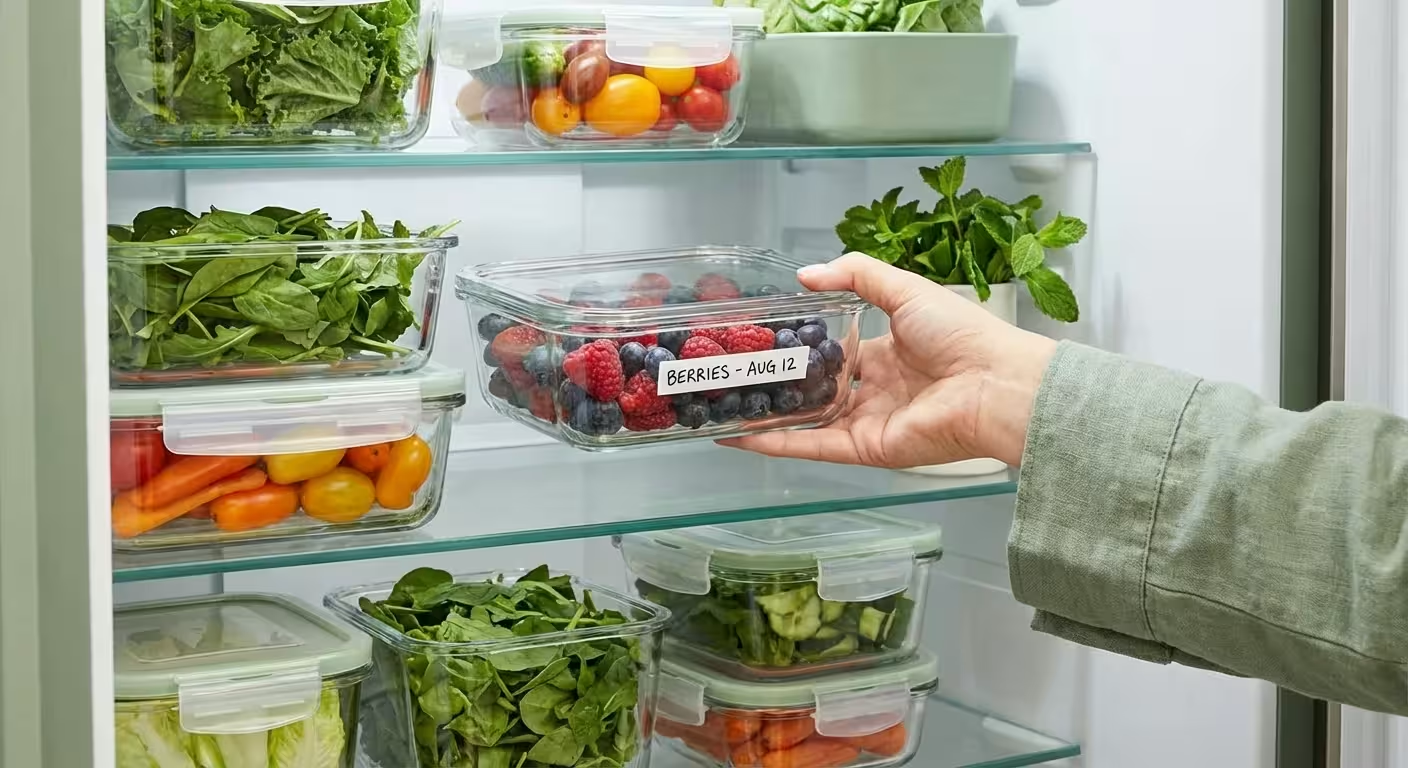
The Financial Impact of a Systematic Meal Plan
Most people view meal planning as a dietary tool, but its most immediate impact is financial. When you shop with a specific list derived from a meal plan template, you eliminate the “vague shopping” that leads to impulse buys. Data from the USDA Food and Nutrition Service suggests that food waste accounts for 30–40% of the United States food supply. For the average family, that equates to throwing hundreds of dollars into the trash every month because produce rotted before it could be used.
By implementing a weekly meal prep strategy, you gain three primary financial advantages:
- Unit Price Optimization: You can buy in bulk because you know exactly when and how you will use the ingredients.
- Reduced High-Frequency Trips: Every extra trip to the grocery store for “just one thing” carries the risk of adding $20 of unplanned items to your cart.
- The End of “Phantom” Spending: Those $15 lunches and $40 dinners out add up to thousands per year. Planning your meals makes the “default” option a home-cooked one.

Step 1: Conduct a Kitchen Audit (Shop Your Pantry First)
The most common mistake beginners make is starting their meal plan with a blank sheet of paper or a Pinterest board. This leads to buying an entirely new set of ingredients while the food you already own expires. Instead, start your week by auditing three areas: your freezer, your pantry, and your spice rack.
Look for the “anchors”—items that can serve as the base for a meal. A bag of frozen shrimp, a box of pasta, or a jar of marinara sauce is halfway to a dinner. Note these items down. Your goal is to build your first three meals of the week around ingredients you already own. This practice, often called “pantry cooking,” creates an immediate win for your budget by lowering your grocery bill for the current week.
Check for duplicates before you leave. How many times have you bought a container of cumin only to find two unopened ones hidden in the back? Organizing your pantry so items are visible—using clear bins or tiered shelving—can save you $50 to $100 annually simply by preventing duplicate purchases.
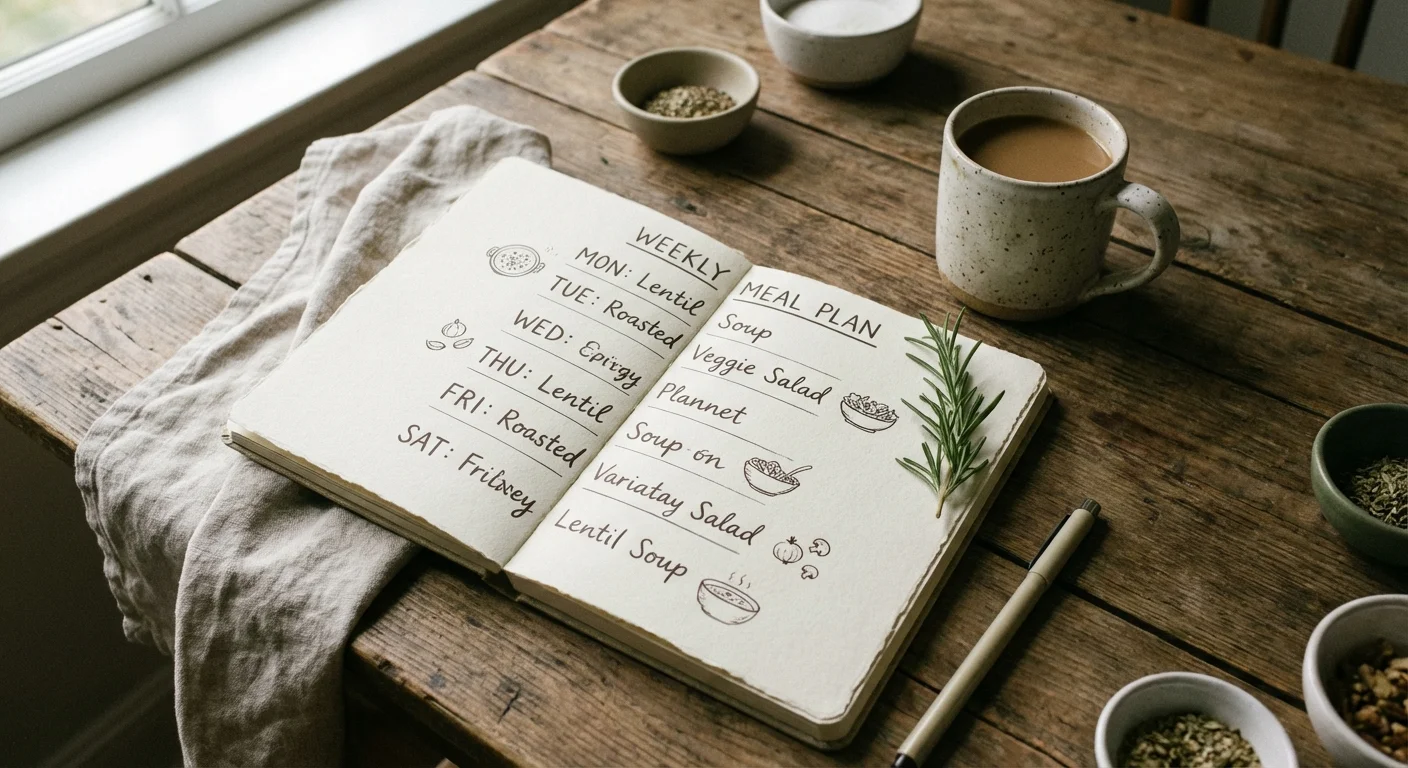
Step 2: Build Your Skeleton Meal Plan Template
Decision fatigue is the enemy of consistency. If you have to choose from ten thousand possible recipes every Sunday, you will eventually quit. Use a “skeleton” or “theme-based” meal plan template to narrow your choices. Themes provide a framework while allowing for variety. Consider this common structure:
- Meatless Monday: Beans, lentils, or tofu-based dishes (generally the cheapest protein sources).
- Taco Tuesday: Ground turkey, shredded chicken, or roasted vegetables.
- Pasta Wednesday: Easy to scale and utilizes pantry staples.
- Leftover Thursday: Clear out the fridge to prevent waste.
- Sheet Pan Friday: Protein and veggies roasted together for minimal cleanup.
When you use themes, your brain only has to solve a small puzzle (e.g., “What kind of taco am I making?”) rather than the entire universe of food. This structure makes meal planning for beginners sustainable over the long term. You can find excellent nutritional guidelines to help balance these themes at USDA Food and Nutrition.

Step 3: Strategic Grocery List Construction
Once you have your meals selected, translate them into a highly organized grocery list. Organize your list by the layout of your local store (Produce, Meat, Dairy, Aisle 1, etc.). This prevents you from wandering back and forth across the store—the more time you spend in the aisles, the more likely you are to fall for “end-cap” marketing and impulse buys.
Keep these grocery savings strategies in mind:
Compare Unit Prices: Don’t look at the total price of the item; look at the price per ounce or pound listed in small print on the shelf tag. Often, the “family size” isn’t actually the best deal. Consumer Reports often highlights that store brands or generic options provide the same quality as name brands for 25–40% less cost.
The “First Five” Rule: Focus your budget on the five most expensive items on your list—usually meats, cheeses, and specialty oils. If you can find a sale or a cheaper substitute for these five, you will see a massive impact on your final total. For example, swapping out chicken breasts for chicken thighs can often save you $2 per pound.
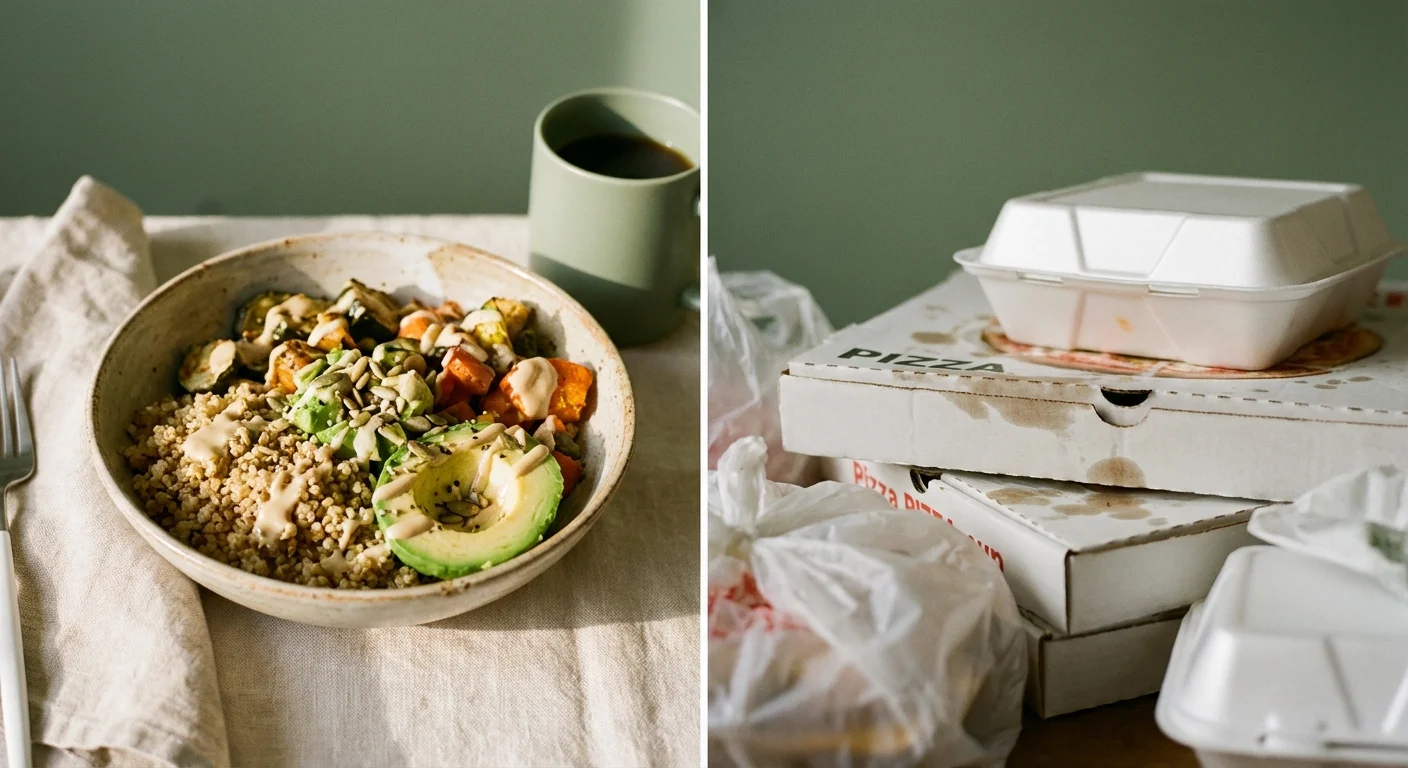
Comparison: Planned vs. Unplanned Weekly Spending
| Expense Category | Ad-Hoc Shopping (No Plan) | Strategic Meal Planning | Potential Savings |
|---|---|---|---|
| Grocery Bill | $180 (Impulse buys & duplicates) | $110 (Targeted list) | $70 |
| Mid-Week “Quick Trips” | $45 (3 trips @ $15) | $0 (Everything on hand) | $45 |
| Work Lunches | $60 (4 days @ $15) | $10 (Leftovers/Batch prep) | $50 |
| Panic Takeout | $50 (1 night) | $0 (Plan in place) | $50 |
| Weekly Totals | $335 | $120 | $215 |
Over a single month, this disciplined approach can keep over $800 in your pocket. That is the power of intentionality over impulse.

Step 4: The Weekly Meal Prep Session
You do not need to cook every single meal on Sunday. For many, “marathon cooking” leads to burnout. Instead, focus on “component prep.” Component prep involves preparing the building blocks of meals rather than the finished dishes. This keeps the food tasting fresher throughout the week.
Spend 60 to 90 minutes on a Sunday doing the following:
- Wash and Chop Vegetables: If your onions, peppers, and broccoli are already cut, you are 70% more likely to use them in a stir-fry than to let them rot in the crisper drawer.
- Cook a Large Batch of Grain: Prepare a massive pot of quinoa, brown rice, or farro. These can be used for dinner bases, salad additions, or even breakfast bowls.
- Pre-Portion Snacks: Divide large bags of nuts, pretzels, or yogurt into individual containers. This prevents mindless overeating and stops you from buying expensive pre-packaged snack packs.
- Marinate Proteins: Put your chicken or tofu in bags with marinade. This infuses flavor and makes the actual cooking process during the week take less than 15 minutes.
If you prefer more guidance on safe food storage and preparation times, USA.gov Consumer Resources provides links to food safety and storage guidelines that ensure your prepped meals stay fresh and safe to eat.
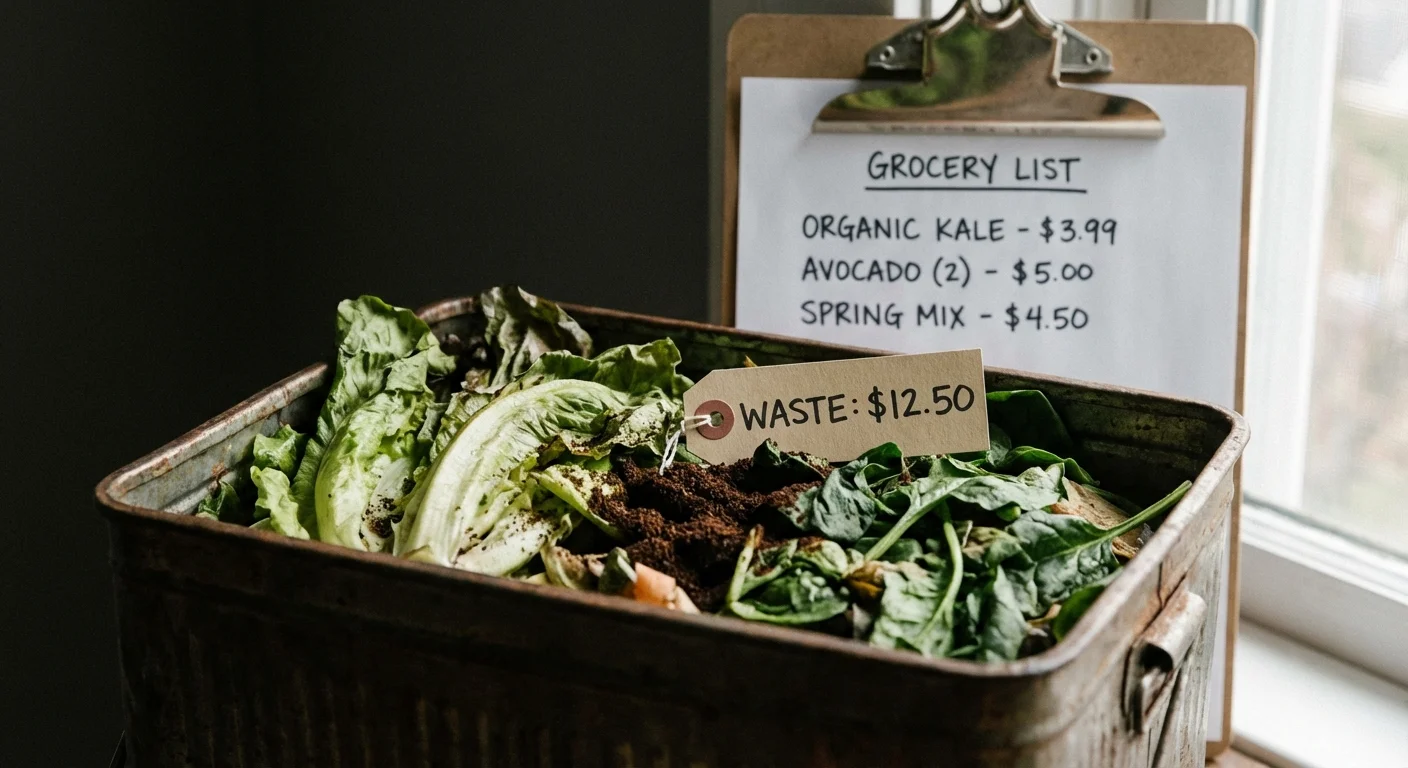
Costly Mistakes to Avoid
As you begin your journey, watch out for these common pitfalls that can actually increase your spending:
The “Aspirational” Grocery Shop: This is when you buy a mountain of kale and exotic vegetables because you *want* to be the kind of person who eats them, but your actual schedule doesn’t allow for it. Be honest about your habits. If you hate kale, don’t buy it just because it’s on sale. Stick to what you will actually eat.
Ignoring the Freezer: The freezer is your best friend for saving money. Frozen vegetables are often frozen at peak ripeness and are significantly cheaper than fresh out-of-season produce. Furthermore, if you see meat on a “manager’s special” because it’s near its sell-by date, buy it and freeze it immediately for later in the week.
Complicating the Recipes: Beginners often choose recipes that require 15 different ingredients, 10 of which they don’t own. This leads to a massive initial bill for spices, vinegars, and oils. For the first month, stick to recipes with five main ingredients or fewer. Build your spice cabinet slowly over time.

Skip DIY When…
While meal planning is a superpower for most, there are specific scenarios where the “Do It Yourself” approach might not be the most efficient path:
- Extreme Time Poverty: If you are working 80 hours a week or dealing with a medical crisis, the mental load of meal planning might be too much. In these cases, a semi-prepared meal kit or a grocery delivery service—while more expensive than DIY—is still cheaper and healthier than constant fast food.
- Specialized Medical Diets: If you have recently been diagnosed with a complex condition requiring strict macros or allergen avoidance, it may be worth consulting a registered dietitian to create your initial plans. Once you understand the rules, you can take over the planning yourself.
- Single-Meal Events: Don’t try to meal plan for a week where you have four work dinners and a wedding. In “chaos weeks,” your plan should simply be “Buy milk, eggs, and bread” and rely on the events for your main calories to avoid wasting fresh food.
Frequently Asked Questions
How do I meal plan for a picky eater or a large family?
The “Deconstructed Meal” approach works best here. Instead of making a mixed casserole, serve the components separately (e.g., a bowl of pasta, a side of sauce, a side of meatballs, and roasted veggies). This allows everyone to build a plate they like without requiring you to cook three different meals.
What if I don’t feel like eating what I planned?
Flexibility is key. Your meal plan is a guide, not a law. If you planned for Salmon on Tuesday but had a rough day and want the comfort of Pasta Wednesday, just swap them. As long as the ingredients are used before they spoil, the order doesn’t matter.
Is meal planning actually cheaper than buying what’s on sale?
The best approach is a hybrid. Look at your local grocery store’s digital circular first, see what’s on sale, and *then* build your plan around those items. This combines the discipline of planning with the savings of seasonal shopping.
How long does it take to see savings?
You will see a difference at the cash register during your very first planned trip. However, the true “compounding” effect happens in months two and three, as your pantry becomes better organized and your “impulse muscle” weakens.
Taking the First Step
Do not try to overhaul your entire life this Sunday. Start small. For the coming week, plan only your dinners. Allow your breakfasts and lunches to remain flexible, but commit to having a plan for those seven evening meals. Write them down on a piece of paper and tape it to the fridge. This simple act of making a decision once—instead of seven different times when you are tired—will transform your relationship with both your kitchen and your wallet.
Remember, the goal is intentionality. Every meal you plan is a small victory against the “convenience tax” that keeps so many people in a cycle of financial stress. You have the tools to take control of your spending; now, you just need to open your pantry and start your audit.
This article provides general money-saving guidance. Individual results vary based on location, household size, and spending patterns. Verify current prices before making purchasing decisions.
Last updated: February 2026. Prices change frequently—verify current costs before purchasing.









Leave a Reply