You open the envelope or click the “View Statement” button, and there it is—a heating or cooling bill that looks more like a car payment than a utility charge. For the average American household, climate control accounts for nearly half of all energy consumption. We spend thousands of dollars every year trying to keep our homes at the perfect temperature, yet much of that money literally vanishes into thin air when we heat or cool an empty house.
The solution seems simple: upgrade your thermostat. But with options ranging from a $25 basic digital model to a $300 smart device that tracks your phone’s location, you might wonder if the upfront cost actually pays off. Navigating the world of heating and cooling costs requires more than just a quick purchase; it requires a clear understanding of your habits, your home’s hardware, and the actual math behind energy efficiency.

The Hidden Math of Your Monthly Utility Bill
Heating and cooling costs represent the largest energy expense for most homes. According to data from the Department of Energy, you can save as much as 10% a year on heating and cooling by simply turning your thermostat back 7° to 10°F from its normal setting for eight hours a day. While that sounds easy in theory, human error often gets in the way. You forget to turn it down before leaving for work, or you leave the AC blasting while you run errands for the afternoon.
A programmable thermostat removes the “human factor” from the equation. It acts as a set-it-and-forget-it manager for your HVAC system. However, the value of the device depends entirely on how much you currently overspend due to manual adjustments—or the lack thereof. If you are already diligent about adjusting your manual dial every morning and night, your programmable thermostat savings might be lower than someone who leaves their home at a constant 72 degrees year-round.
Programmable vs. Smart Thermostats: Defining the ROI
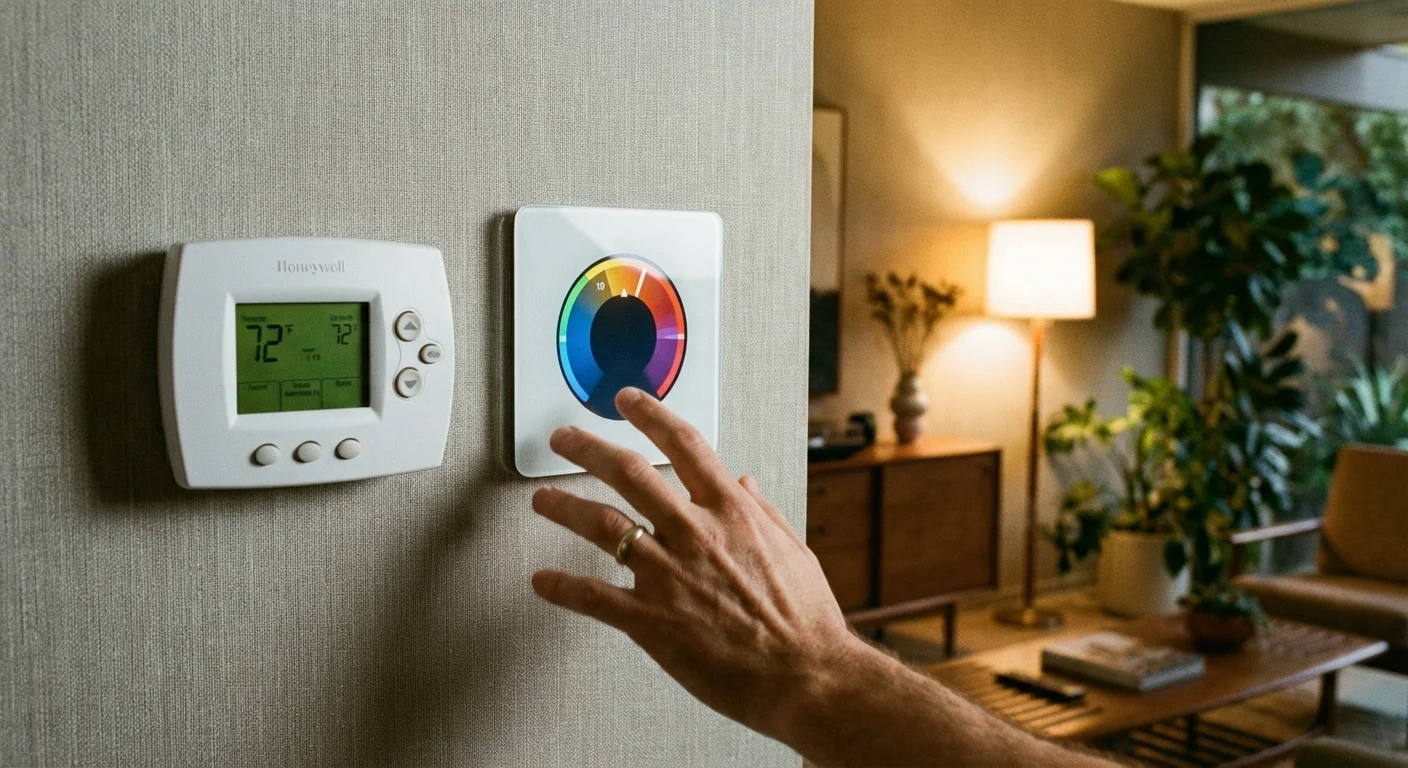
Before breaking down the savings, you must distinguish between the two primary types of automated thermostats. A standard programmable thermostat allows you to input a schedule. For example, you can tell it to drop to 62 degrees at 10:00 PM and rise to 68 degrees at 6:30 AM. These are generally inexpensive and do not connect to the internet.
A smart thermostat offers everything a programmable one does, plus Wi-Fi connectivity, app control, and often “learning” algorithms. They can detect when you are home via geofencing or motion sensors and adjust themselves accordingly. They also provide detailed energy reports, showing you exactly when your system ran and why your bill changed.
| Feature | Manual Thermostat | Programmable Thermostat | Smart Thermostat |
|---|---|---|---|
| Upfront Cost | $15 – $30 | $25 – $70 | $120 – $350 |
| Annual Savings Est. | $0 (Baseline) | $50 – $100 | $100 – $180 |
| Ease of Use | Simple dial | Moderate (Manual entry) | High (App-based) |
| Payback Period | N/A | 6 – 12 months | 1 – 3 years |
The Real-World Cost Breakdown
To determine if the investment is worth your hard-earned money, look at the three pillars of thermostat costs: the purchase price, the installation fee, and the ongoing maintenance. A basic programmable unit from a big-box retailer often costs less than a week’s worth of groceries. In contrast, a high-end smart thermostat represents a significant layout of cash.
The smart thermostat ROI (Return on Investment) is often bolstered by utility rebates. Many energy providers across the United States offer instant rebates—sometimes as high as $100—to encourage customers to install smart devices. These incentives can effectively slash the payback period in half. Before you buy, check with your local utility company or visit ENERGY STAR to see which models qualify for local incentives in your zip code.
“Beware of little expenses; a small leak will sink a great ship.” — Benjamin Franklin
While Franklin wasn’t talking about HVAC systems, the principle applies. A thermostat that stays two degrees too high all summer is that “small leak” in your finances. Over a decade, that leak can cost you thousands of dollars.

How Much Can You Actually Save?
Most manufacturers claim you will save 10% to 15% on your bills. While these numbers are achievable, they aren’t guaranteed. Your actual programmable thermostat savings depend on several variables:
- Climate Severity: If you live in a temperate area where you rarely use heat or AC, a fancy thermostat won’t save you much. However, in the sweltering South or the freezing Northeast, the savings multiply.
- Home Insulation: A thermostat is only as good as the envelope it controls. If your windows are drafty and your attic lacks insulation, the HVAC will work overtime regardless of the thermostat setting.
- Your Current Habits: If you already manually adjust your temperature religiously, your savings will be marginal. If you are the person who leaves the AC at 68 while you are at work for 10 hours, you will see a massive drop in your bill.
- HVAC System Type: Some systems, like heat pumps, require specific types of thermostats to avoid engaging expensive “auxiliary heat” unnecessarily. Using the wrong thermostat can actually increase your bill.

Where People Overspend on Climate Control
The most common mistake people make is treating their thermostat like a throttle. If you come home to a hot house, setting the thermostat to 50 degrees will not cool the house down any faster than setting it to 70. HVAC systems generally run at one speed—on or off. Setting an extreme temperature just ensures the system stays on longer, often overshooting your comfort level and wasting electricity.
Another area of overspending is the “hold” button. Many users buy a programmable model but then use the “Permanent Hold” feature because they find the programming interface too clunky. This effectively turns an expensive programmable unit into a manual one. If you find technology frustrating, a smart thermostat with a sleek smartphone interface is actually a better financial choice because you are more likely to use the energy-saving features.
Placement also matters. If your thermostat is located in a drafty hallway, near a sunny window, or close to the kitchen, it will get false readings. A thermostat in the sun thinks the house is 85 degrees when it’s actually 72, causing your AC to run needlessly. Relocating a poorly placed thermostat can save you more than upgrading to a newer model.
When to Call a Pro
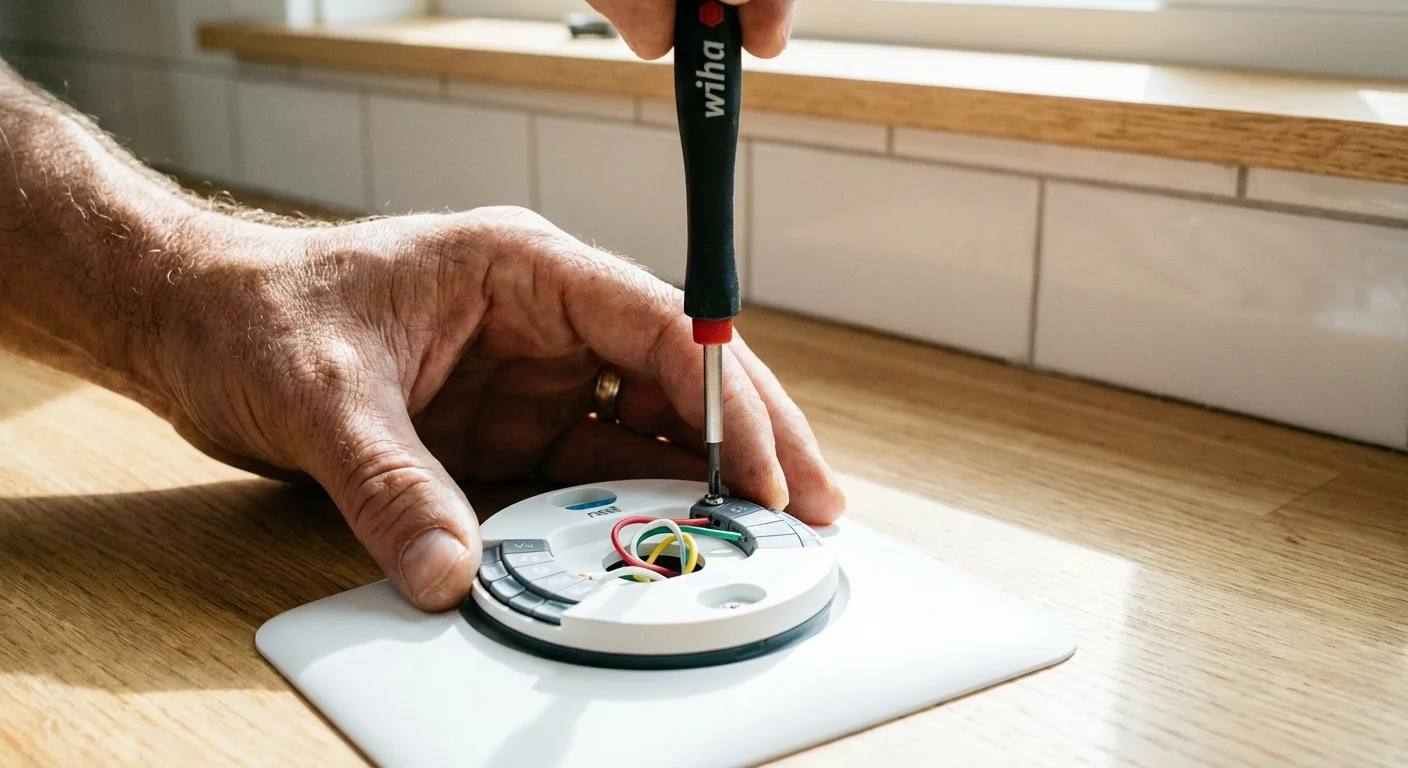
While most thermostat installations are straightforward DIY projects, certain scenarios require an expert. If you open your old thermostat and see thick wires connected with wire nuts (similar to what you’d see behind a light switch), you likely have a high-voltage system. These are common in older homes with baseboard heaters. Standard programmable or smart thermostats are low-voltage and will fail—or even catch fire—if connected to these lines.
You should also call a professional if your HVAC system is complex. Homes with multiple zones, integrated humidifiers, or heat pumps with multi-stage heating often require specific wiring configurations. According to Wirecutter, many smart thermostats also require a “C-wire” (common wire) to provide constant power. If your home doesn’t have one, a pro can install a power extender kit or run new wire to ensure your device doesn’t lose power in the middle of a winter storm.

Is the “Smart” Feature Worth the Extra $100?
If you are deciding between a $50 programmable unit and a $150 smart unit, the “worth” usually comes down to your lifestyle. If you have a predictable 9-to-5 schedule, a basic programmable unit is perfectly fine. You can set it once and it will work flawlessly for years.
However, if your schedule is erratic—perhaps you work shifts, travel frequently, or have kids with varying after-school activities—a smart thermostat is a superior investment. The ability to turn the heat up while you’re driving home from the airport, or the sensors that realize nobody is in the living room and adjust the temp accordingly, can bridge the gap in savings that a rigid schedule cannot cover.
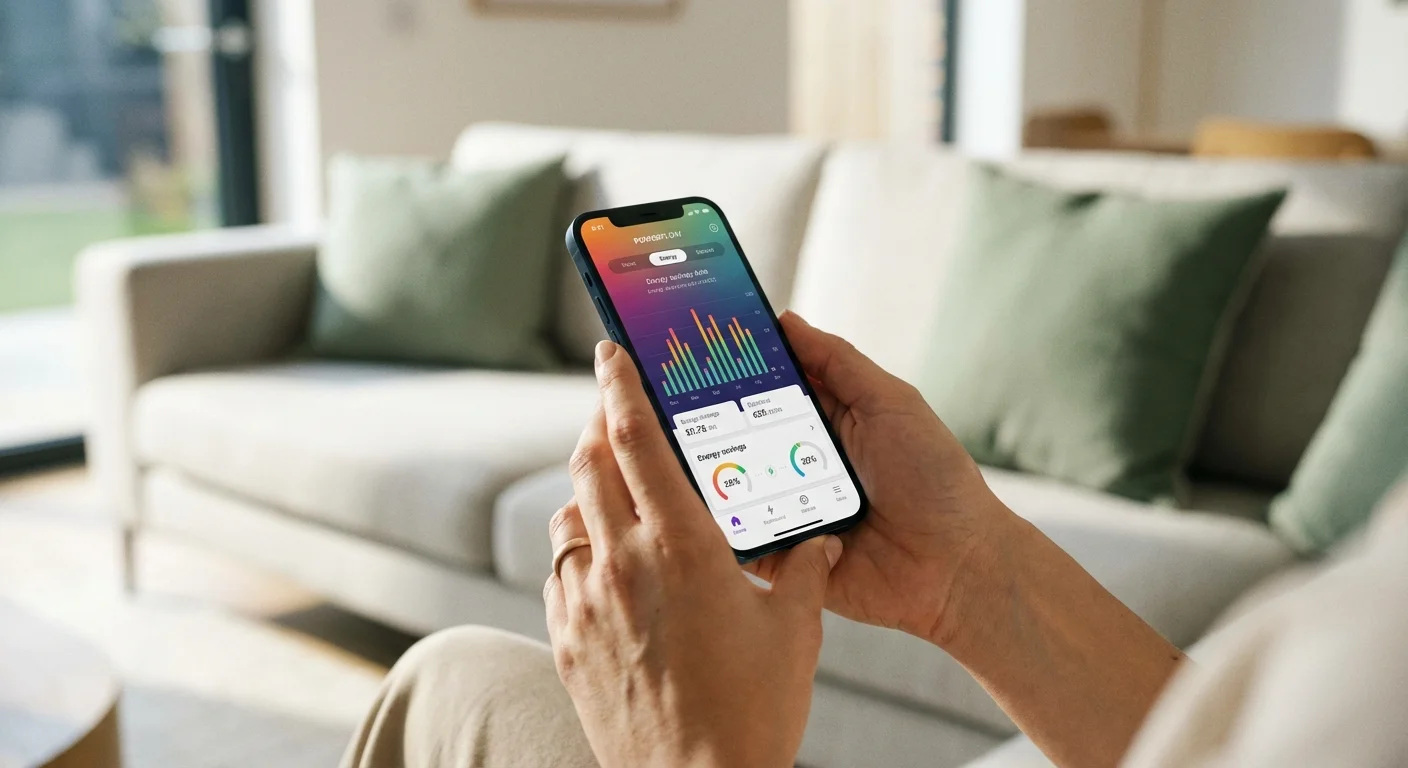
Furthermore, smart thermostats provide data. Seeing a graph that shows your furnace ran for 12 hours on Tuesday because you left a window cracked is an eye-opening experience that changes spending behavior. This psychological shift is often where the real money is made.

Maximizing Your Savings: The “8-Degree Rule”
To see the fastest ROI, follow the 8-degree rule. In the winter, set your thermostat to 68°F while you are awake and at home, but program it to drop 8 degrees (to 60°F) while you are asleep or away. In the summer, keep the house at 78°F when you are home, but let it rise to 85°F or higher when you are out.
Many people worry that the system has to “work harder” to recover from these temperature swings. This is a common myth. A house loses heat slower when the interior temperature is lower. The energy required to bring the temperature back up is significantly less than the energy required to maintain a high temperature against the cold outside air all day long.
Frequently Asked Questions
Will a programmable thermostat work with my old furnace?
Most programmable thermostats work with standard gas, oil, or electric furnaces. However, if you have a very old gravity furnace or unique floor heaters, check the compatibility guide on the manufacturer’s website. Most low-voltage (24V) systems are compatible.
Can I install a smart thermostat if I don’t have Wi-Fi?
You can install it, but you will lose almost all the benefits that justify the higher price tag. Without Wi-Fi, you cannot use the app, get weather updates, or receive energy reports. If you don’t have reliable internet, stick to a basic programmable model.
How long do these devices last?
A standard programmable thermostat can last 10 to 20 years. Smart thermostats, because they rely on software and screens, typically have a shorter lifespan of 10 years. However, the energy savings usually pay for the device within the first two years, making the long-term lifespan less of a financial concern.
Do I need a different thermostat for my heat pump?
Yes, you must ensure the thermostat is compatible with heat pumps, specifically regarding “Auxiliary” or “Emergency” heat. If a thermostat doesn’t manage these stages correctly, it may trigger expensive electric heat strips when the heat pump could have handled the load more efficiently.
The Verdict: Is It Worth It?
For almost every American household, the answer is a resounding yes. If you currently use a manual thermostat, switching to even a basic programmable model will likely pay for itself in a single season. The “worth” of the upgrade isn’t just in the dollars saved on the bill; it’s in the comfort of never waking up to a freezing house and the peace of mind knowing you aren’t paying to heat an empty building.
If you are on a tight budget, don’t feel pressured to buy the most expensive smart model. A $30 programmable unit offers roughly 80% of the savings potential of a $250 smart unit. Start where you can. The goal is intentionality—taking control of one of your largest monthly expenses rather than letting it control you.
The next time you see a high utility bill, don’t just complain about the rates. Take a look at your wall. If you’re still sliding a plastic lever or turning a physical dial, you are leaving money on the table. Upgrade your tech, set your schedule, and keep more of your paycheck in your pocket.
This article provides general money-saving guidance. Individual results vary based on location, household size, and spending patterns. Verify current prices and utility rebate eligibility before making purchasing decisions.
Last updated: February 2026. Prices change frequently—verify current costs before purchasing.








Leave a Reply