
Most drivers treat tire shopping like an unexpected trip to the dentist—unpleasant, expensive, and easy to procrastinate until something starts hurting. You likely ignore your tires until a dashboard light flickers or a mechanic mentions “low tread” during an oil change. Then, the reality hits: a set of four quality tires for a modern SUV or sedan can easily cost between $800 and $1,200. According to the Bureau of Labor Statistics, the cost of vehicle maintenance and repair consistently trends upward, making tires one of the most significant recurring expenses for any car owner.
When you realize you need new rubber, you generally face three choices. You can head to a warehouse club like Costco, visit a specialized brick-and-mortar chain like Discount Tire, or hunt for the cheapest tires through online giants like Tire Rack or Amazon. Each path offers distinct advantages in pricing, convenience, and long-term maintenance. To find the best deal, you must look beyond the initial sticker price and calculate the total cost of ownership over the next 50,000 miles.

Key Savings: At a Glance
Before diving into the granular details of each retailer, consider these high-level takeaways to help narrow your search. These “quick wins” represent the most consistent ways to save money during your tire search.
- The Rebate Strategy: Major manufacturers like Michelin, Bridgestone, and Goodyear offer “mail-in” rebates (usually via prepaid cards) ranging from $70 to $110. Time your purchase during holiday weekends—Memorial Day, July 4th, and Labor Day—to stack these with store-specific promotions.
- The Membership Advantage: Costco often includes road hazard protection and lifetime maintenance in their flat installation fee. This can save you $100 to $150 over the life of the tires compared to shops that charge for rotations and balances.
- The Price Match Leverage: Discount Tire frequently matches prices from online retailers. If you find a lower price on Tire Rack, show it to a Discount Tire representative to get the same price with local service.
- Online Selection: If your vehicle requires a rare size or you want a specific “value brand” tire, online retailers provide a selection that physical stores cannot match.

The Costco Tire Center: Value Meets Convenience
The Costco Tire Center has a cult following for a reason. For many, it represents the gold standard of “set it and forget it” value. However, shopping here requires a membership, and the experience differs significantly from a dedicated tire shop. Costco keeps its inventory lean, focusing primarily on premium brands like Michelin, Bridgestone, and BFGoodrich. If you are looking for the absolute cheapest tires on the market, Costco may not be your first choice because they rarely stock Tier 3 or “economy” brands.
Costco’s pricing model is remarkably transparent. They typically charge a flat installation fee—usually around $18.99 per tire—which covers mounting, balancing, and a new rubber tire valve stem. The real value, however, lies in the “Lifetime Maintenance” package included with that fee. This covers pressure checks, nitrogen inflation, tire rotations, and wheel balancing for as long as you own the tires. Furthermore, Costco provides a 5-year road hazard warranty at no extra cost, protecting you against non-repairable damage from nails or potholes.
The trade-off at Costco is the logistics. Because they offer high value, their tire centers stay busy. You may wait weeks for an appointment, and even with one, your car might be on the lift for two hours while you wander the warehouse. If you value your time as much as your money, the “Costco wait” is a factor you must weigh. Additionally, Costco does not perform wheel alignments. Since new tires require a proper alignment to prevent premature wear, you will need to pay a separate mechanic $80 to $120 to finish the job correctly.
“The goal isn’t to be cheap—it’s to be intentional.” — Charles A. Jaffe
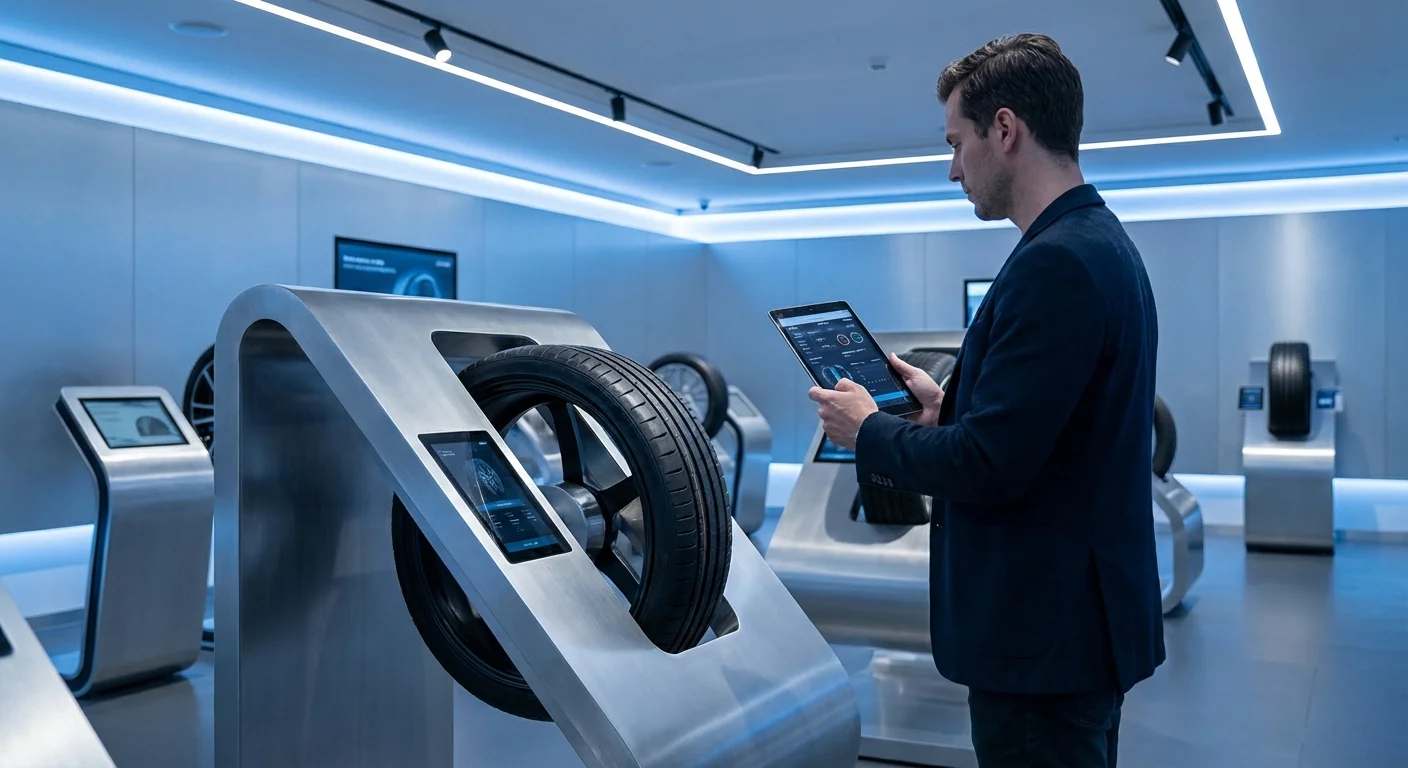
Discount Tire vs Tire Rack: The Specialized Giants
Discount Tire (known as America’s Tire in some regions) is the largest independent tire retailer in the United States. In recent years, the landscape changed when Discount Tire acquired Tire Rack, though they continue to operate as separate entities with different business models. This creates a powerful ecosystem for the consumer.
Discount Tire excels in speed and specialization. Unlike Costco, tires are their only business. Their technicians move faster, their inventory is broader, and they offer a “Good, Better, Best” selection that fits almost any budget. They carry everything from budget-friendly house brands to high-performance racing tires. One of their most aggressive tools for your wallet is their price-matching policy. They often match the total “out-the-door” price of any local or online competitor, including shipping costs.
Tire Rack, on the other hand, is the ultimate research tool. Their website provides exhaustive testing data, consumer reviews, and “torture test” results for nearly every tire on the market. If you want to know how a tire performs in deep snow versus wet pavement, Tire Rack is the place to look. While they ship tires directly to your home or a local installer, they have also pioneered mobile installation in many cities. A van equipped with a mounting machine and balancer can come to your driveway, saving you the trip to a shop entirely. When comparing Discount Tire vs Tire Rack, remember that Tire Rack is generally best for the “DIY researcher” who wants specific performance traits, while Discount Tire is for the shopper who wants local accountability and free flat repairs.
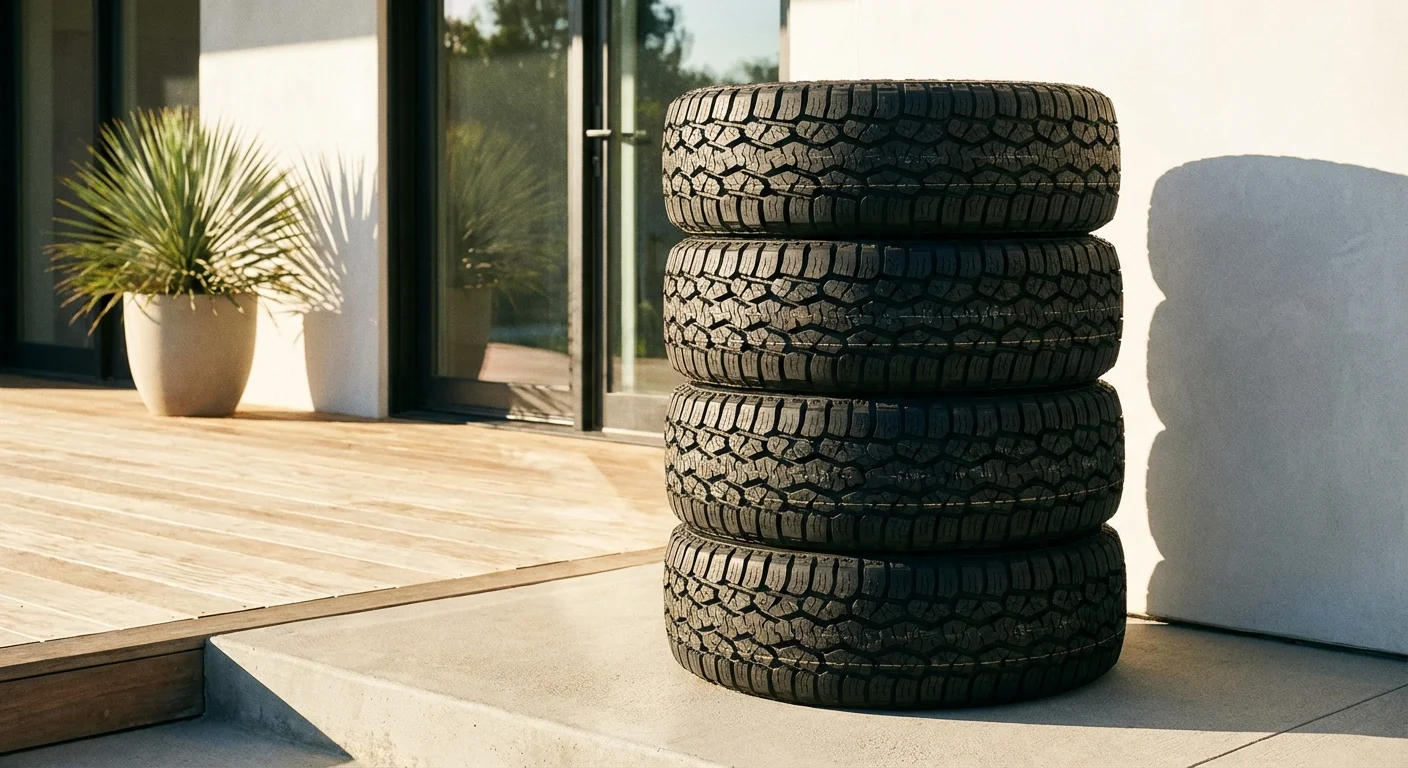
Online Retailers and the Amazon Factor
Buying tires on Amazon or through sites like SimpleTire can occasionally yield the absolute lowest price, but this path requires the most legwork. You must ensure you are buying the correct size, load rating, and speed rating for your specific vehicle. If you order the wrong tires, the return shipping costs for 200 pounds of rubber can be astronomical.
When you buy online, the tires show up on your doorstep. You then have to load them into your car, drive to a local shop, and pay for installation. Most local shops charge between $25 and $40 per tire for installation if you didn’t buy the tires from them. They may also refuse to provide free rotations or road hazard protection. However, if you have a trusted local mechanic and find a “blowout sale” online, you can sometimes save $200 on a set of tires. Always use a resource like Consumer Reports to verify that the cheap online brand you found actually performs safely in emergency braking situations.
The Hidden Costs: What the Sticker Price Ignores
When comparing prices, never look at the tire price alone. You must ask for the “Out the Door” (OTD) price. A shop might advertise a tire for $150, but by the time you leave, you are paying $220. Here are the components that pad your bill:
| Service/Fee | Estimated Cost | Is it Negotiable? |
|---|---|---|
| Mounting and Balancing | $15 – $40 per tire | Rarely; essential for safety. |
| Disposal Fee | $3 – $7 per tire | No; regulated by state law. |
| TPMS Rebuild/Reset | $5 – $15 per tire | Sometimes; depends on the car’s age. |
| Road Hazard Warranty | $10 – $30 per tire | Yes; often included for free at Costco. |
| Shop Supplies | $5 – $15 total | No; covers lube, weights, and valves. |
The Tire Pressure Monitoring System (TPMS) is a common source of “bill shock.” Most modern cars use sensors inside the wheel to monitor air pressure. When you get new tires, the shop must often replace the rubber seals and “relearn” the sensors to the car’s computer. While some shops include this, others tack it on as a hidden fee. Always ask if the TPMS service is included in the quote.

Where People Overspend
Overspending on tires usually happens in the heat of the moment when you feel pressured to make a decision. To keep your money in your pocket, avoid these common traps:
Buying “Too Much” Tire: If you drive a 10-year-old sedan primarily for grocery runs and school drop-offs, you do not need ultra-high-performance summer tires or 80,000-mile premium touring tires. You likely won’t own the car long enough to see the benefit of that 80,000-mile warranty. A mid-range tire with a 50,000-mile warranty is often the smarter financial move.
Ignoring the DOT Code: Tires have a shelf life. Even if they have never been driven, the rubber degrades over time. Look at the “DOT” code on the sidewall—the last four digits represent the week and year of manufacture (e.g., “1223” means the 12th week of 2023). Some discount retailers or online sellers offload “new old stock” that is already three or four years old. These tires will crack and fail much sooner than fresh rubber.
Skipping the Alignment: It feels counterintuitive to spend another $100 on an alignment when you’ve just dropped $800 on tires. However, a car that is out of alignment can ruin a brand-new set of tires in less than 10,000 miles. Think of an alignment as an insurance policy for your investment. Resources like Kelley Blue Book emphasize that proper maintenance is the only way to retain your vehicle’s value and safety.
Paying for “Nitrogen” Fills: Some shops charge $5 to $10 per tire to fill them with nitrogen instead of regular air. While nitrogen molecules are larger and leak slower than oxygen, the benefit for the average driver is negligible. Since air is already 78% nitrogen, paying extra for the remaining 22% is rarely worth the cost. If it’s free (like at Costco), take it. If it’s an extra charge, skip it.

When to Call a Pro
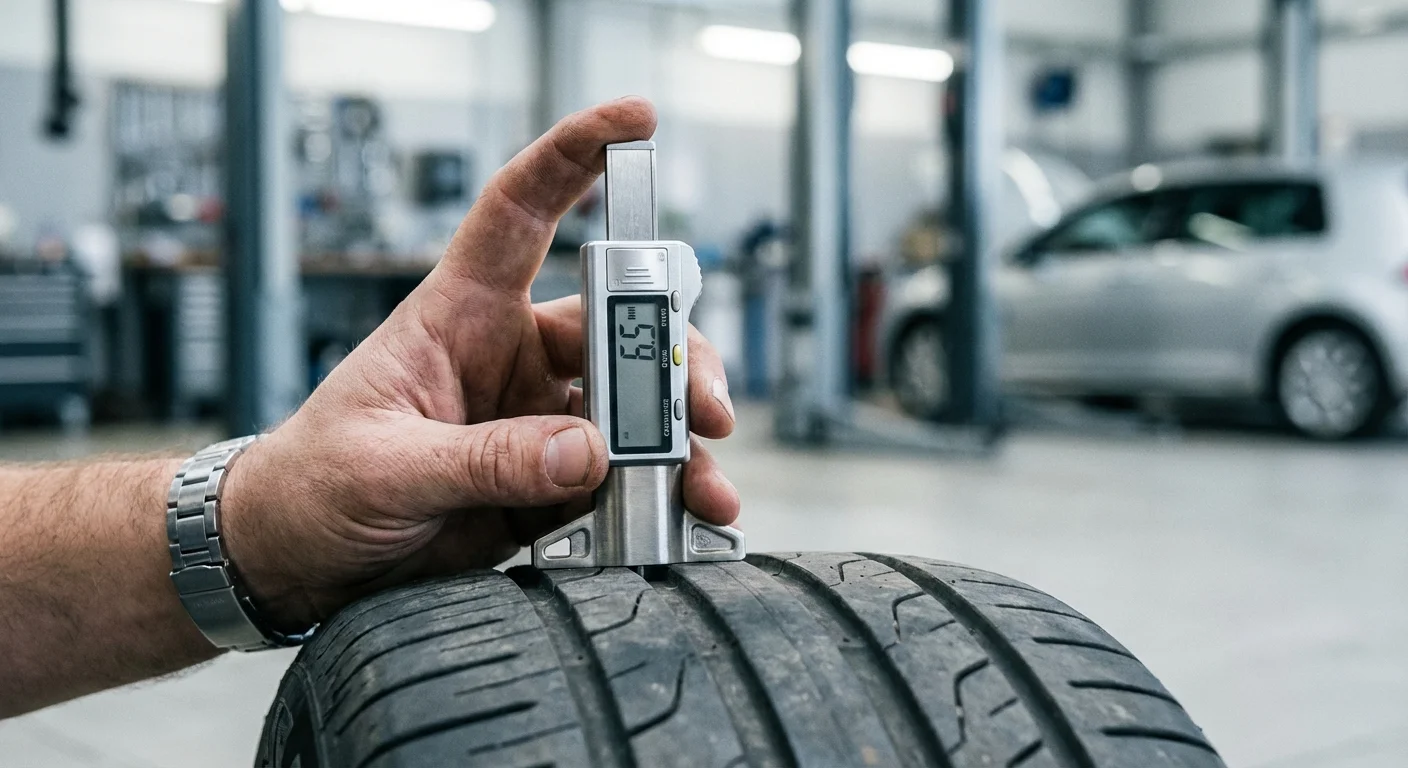
While you can certainly check your own tread depth with a penny (if Lincoln’s head is covered, you’re usually okay), some situations require a professional diagnostic before you spend money on tires. If your car shakes at high speeds, you might just need a wheel balance ($20) rather than new tires ($800). If your tires are wearing unevenly—balding on the inside edge but thick on the outside—new tires won’t fix the problem; you likely have worn suspension components or a bad alignment.
Visit a professional if you see “cupping” (scalloped dips in the tread), “bulging” (a bubble in the sidewall), or “dry rot” (tiny cracks in the rubber). Sidewall damage is particularly dangerous and cannot be repaired. In these cases, your safety outweighs any potential savings from waiting for a sale.
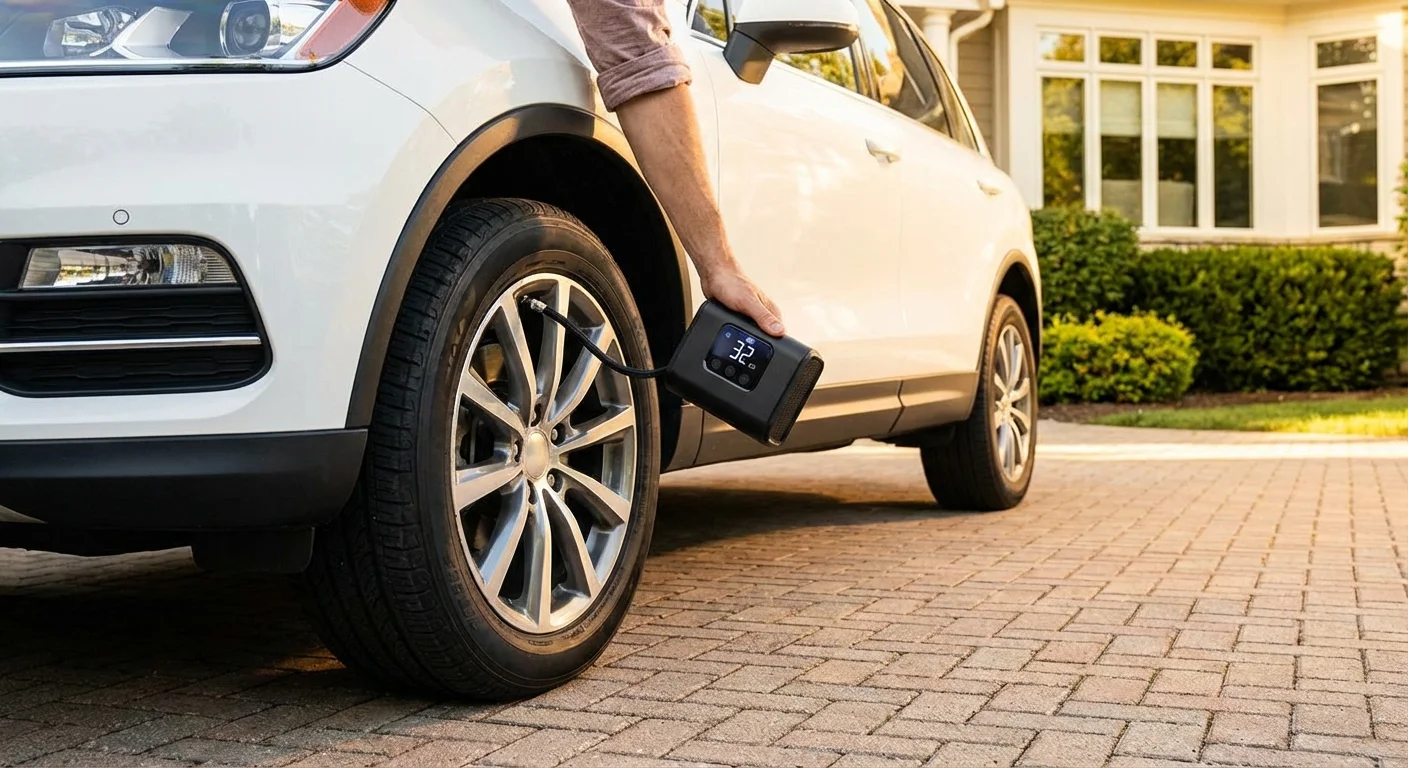
Maintenance: The Secret to Saving $1,000
The cheapest tires are the ones you don’t have to buy. You can extend the life of your tires by 20% to 30% simply by maintaining the correct air pressure. Under-inflated tires generate excess heat and friction, which eats through tread and kills your fuel economy. According to Energy.gov, keeping your tires inflated to the proper pressure can improve your gas mileage by up to 3%.
Rotate your tires every 5,000 to 7,500 miles. Most front-wheel-drive cars put immense stress on the front tires because they handle steering, braking, and power delivery. If you don’t rotate them to the back, the fronts will wear out twice as fast. By visiting a shop like Discount Tire or Costco that offers free lifetime rotations, you remove the “cost barrier” to this essential maintenance.
“Beware of little expenses; a small leak will sink a great ship.” — Benjamin Franklin

Costco vs. Discount Tire vs. Online: The Final Verdict
Choosing the winner of the tire price wars depends on your priorities. If you are already a member and want the best price on a premium Michelin or Bridgestone tire with everything included, Costco is nearly impossible to beat. Their warranty and lifetime service provide peace of mind that pays for itself after just two rotations.
If you want the largest selection, the ability to price match, and the fastest service, Discount Tire takes the crown. They are the best choice for those who want a specific budget tire or who don’t want to deal with the warehouse crowds. Their presence in almost every major city makes their warranty easy to use if you experience a flat while traveling.
If you are a performance enthusiast or a meticulous researcher who wants the absolute lowest “raw” price and doesn’t mind managing the installation yourself, Tire Rack or Amazon is the way to go. Just ensure you calculate the local installation costs before clicking “Buy Now.”
Frequently Asked Questions
Is it better to replace all four tires at once?
On All-Wheel Drive (AWD) vehicles, yes. Different tread depths can strain the drivetrain. For front or rear-wheel drive cars, you can replace them in pairs, but always put the new tires on the rear axle to prevent hydroplaning.
Does Discount Tire price match Costco?
Yes, in most cases. However, they will factor in Costco’s installation fees and membership requirements to ensure an “apples-to-apples” comparison. Bringing a printout of the Costco quote is your best negotiation tool.
Are “cheap” tires safe?
All tires sold in the U.S. must meet Department of Transportation (DOT) safety standards. However, “cheap” tires often have longer braking distances in wet conditions and shorter lifespans. They are safe for basic driving, but they may cost you more in the long run due to frequent replacements.
How often do tire sales happen?
Major sales typically happen once per quarter. April (before summer road trips) and October (before winter weather) are peak months for tire promotions. Keep an eye on manufacturer websites for “Instant Savings” events.
Take control of your car’s most important safety feature by shopping with intent. Start by checking your current tread depth and identifying your tire size (found on the driver’s side door jamb). Get quotes from at least two of the sources mentioned above, and always ask for the total out-the-door price. By spending thirty minutes on research now, you can keep hundreds of dollars in your pocket over the next few years.
The savings estimates in this article are based on typical costs and may differ in your area. Always compare current prices and consider your household’s specific needs.
Last updated: February 2026. Prices change frequently—verify current costs before purchasing.









Leave a Reply