
You have likely experienced the frustration of buying a budget-friendly pair of shoes only to watch the sole separate after three months of walking. This cycle of “disposable fashion” creates a massive drain on your bank account; it forces you to spend $50 or $100 repeatedly to replace items that simply cannot withstand daily use. While the upfront cost of high-end, luxury goods often feels prohibitive, the math tells a different story over time. A well-crafted leather handbag or a pair of Goodyear-welted boots can last decades if maintained, whereas their fast-fashion counterparts rarely survive a single season.
The challenge lies in the entry price. Most Americans do not have thousands of dollars to drop on a single wardrobe staple. This is where designer resale platforms bridge the gap. By leveraging the secondary market, you can acquire high-quality second-hand items for 60% to 90% off their original retail price. This approach turns your wardrobe from a depreciating expense into a collection of assets with actual resale value. According to the Bureau of Labor Statistics, the average American household spends nearly $2,000 annually on apparel and services; shifting that budget toward a few high-quality pieces rather than dozens of cheap ones is the most effective way to build long-term wealth through your closet.

The Economics of Buying High-End Second-Hand
Before looking at where to shop, you must understand the “Cost Per Wear” (CPW) formula. To calculate this, divide the price of the item by the number of times you will realistically wear it. A $30 fast-fashion sweater that pilled and stretched after five wears costs you $6 per wear. A $300 high-end cashmere sweater bought via luxury on a budget strategies that lasts for 100 wears costs you only $3 per wear.
Beyond the CPW, luxury goods often retain a “floor” value. If you buy a pre-owned Louis Vuitton or Chanel bag today, you can likely sell it for a similar price in three years. Try doing that with a bag from a big-box retailer—it effectively becomes worthless the moment you leave the store. By choosing high-quality materials like full-grain leather, heavy-weight wool, and silk, you invest in durability that saves you from the constant “replacement tax.”
“It’s not your salary that makes you rich, it’s your spending habits.” — Charles A. Jaffe
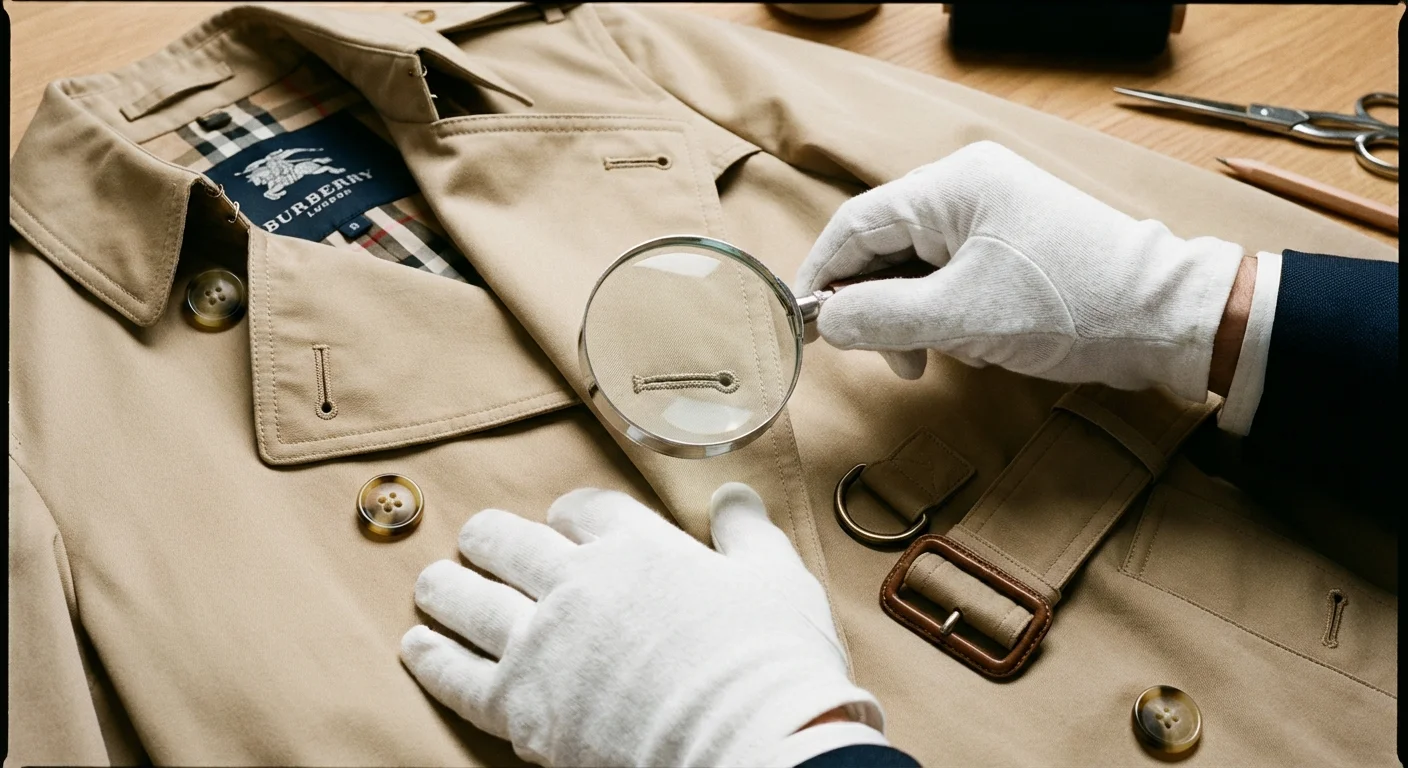
1. The RealReal: The Gold Standard for Authentication
If you feel nervous about the risk of buying a counterfeit item, The RealReal is your safest entry point into the world of luxury resale. Unlike peer-to-peer apps where you rely on the seller’s honesty, The RealReal operates on a consignment model. Sellers send their items to a central warehouse where a team of horologists, gemologists, and brand experts inspects every stitch, serial number, and logo. This “white-glove” service removes the guesswork for you as a buyer.
The platform excels in its pricing transparency and frequent sales. You can often find “Fair Condition” items that have minor, repairable scuffs for a fraction of the cost of “Pristine” items. For example, a Burberry trench coat that retails for $2,400 might appear on the site for $450. If you wait for one of their frequent “20% off” promotions, that price drops even further. The RealReal is particularly strong for those looking for professional workwear, high-end denim, and luxury home decor.
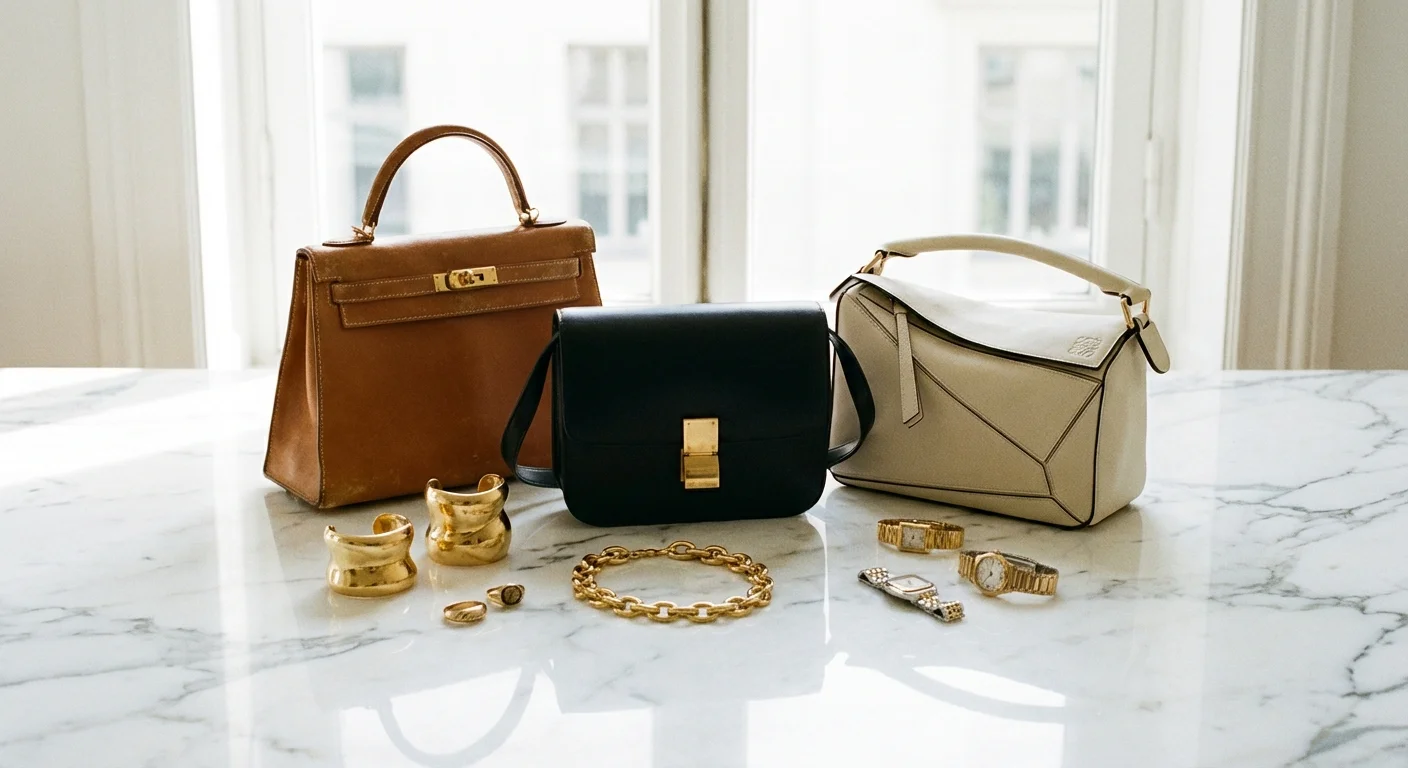
2. Fashionphile: The Specialist for Bags and Jewelry
When your goal is to find a “forever bag” or a piece of fine jewelry, Fashionphile stands out for its laser focus. They do not sell clothes; they specialize in high-end accessories. This specialization allows them to offer some of the most robust authentication guarantees in the industry. If you have ever compared The RealReal vs Poshmark, you will notice that Fashionphile feels more like a curated boutique than a chaotic marketplace.
One of the most practical features for a savvy budgeter is their “Buyback” program. If you purchase an item from them and decide to sell it back within six months, they offer a predetermined price—usually around 60-70% of what you paid. This effectively allows you to “rent” a luxury item for a few months for a very low net cost. They also offer a “Reserve” layaway program, allowing you to pay for an item over 60 days with 0% interest, which helps you avoid high-interest credit card debt while securing a rare find.

3. Vestiaire Collective: The Global Powerhouse
Vestiaire Collective is based in Europe, which gives you access to a massive inventory of brands that are often more expensive in the United States, such as Celine, Loewe, and Prada. Because the platform is global, the sheer volume of listings is staggering. You can often find better deals here on European luxury houses because the supply is higher in their home markets.
The platform offers two ways to shop: “Direct Shipping” for trusted sellers or “Authenticated Shipping.” For a small fee, you can have your purchase routed through one of their hubs for a physical inspection. This flexibility allows you to save on shipping and authentication fees for lower-risk items (like a contemporary brand dress) while opting for full protection on a high-value watch or handbag. Their “Make an Offer” button is a powerful tool—most sellers are willing to drop their price by 10-15% if you ask politely.

4. Poshmark: The King of the Deal Hunt
Poshmark operates differently than the previous platforms because it is a peer-to-peer marketplace. You are buying directly from another person’s closet. This requires more due diligence on your part, but it also offers the highest potential for massive savings. If you know how to spot quality, you can find incredible deals that professional authenticators might have missed or priced higher.
The key to success on Poshmark is engagement. Use the “Bundle” feature to request a discount on multiple items from the same seller, which also saves you on shipping costs. For high-end items over $500, Poshmark provides a free “Posh Protect” authentication service where the item is shipped to their headquarters before it reaches you. If you are shopping for mid-range luxury—think Coach, Tory Burch, or Vince—Poshmark is often the most cost-effective option because the seller fees are lower, and those savings are frequently passed on to you.
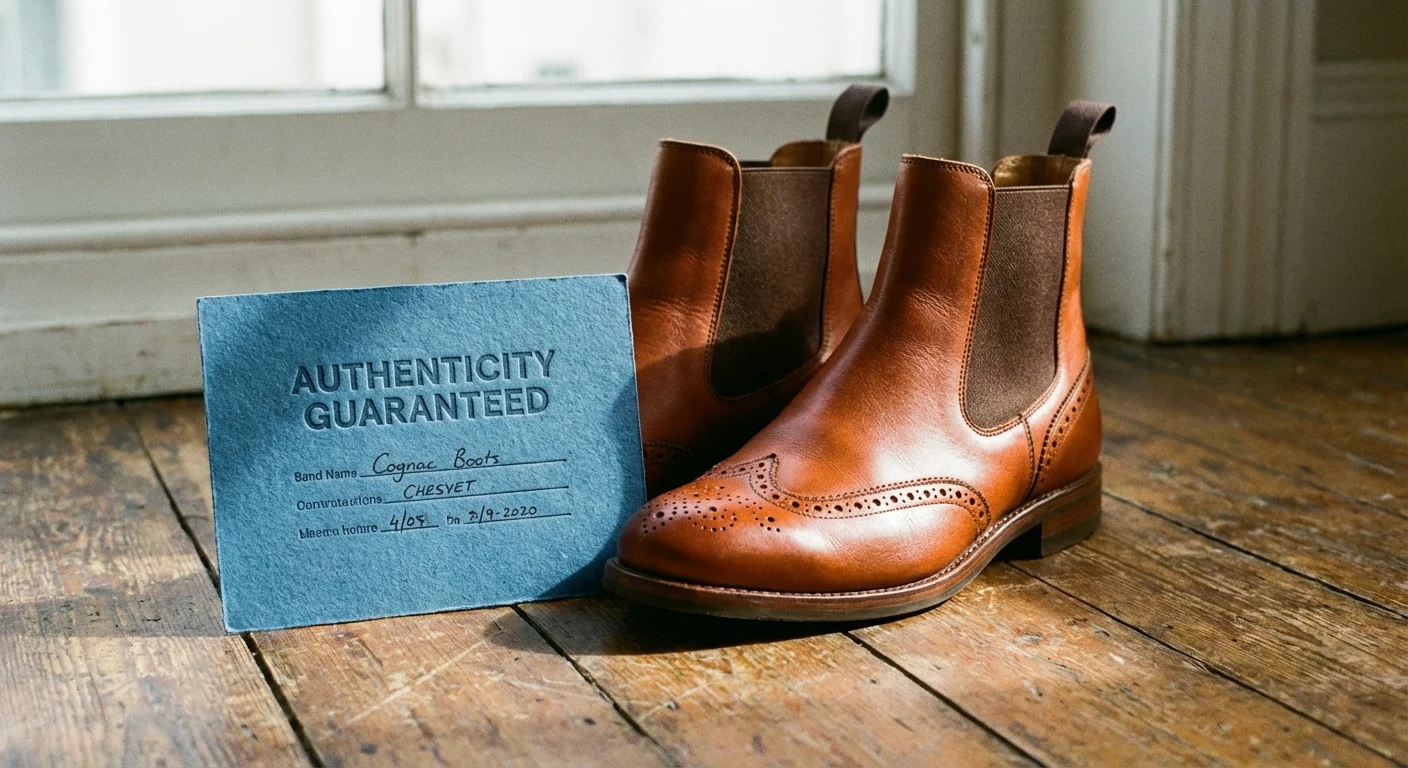
5. eBay: The Reimagined Veteran
For years, many avoided eBay for luxury goods due to the “Wild West” nature of its listings. However, eBay recently launched its “Authenticity Guarantee” for sneakers, watches, and handbags. Items that meet the criteria are shipped to a third-party facility where they are inspected and given a physical tag with a unique digital identifier. This has turned eBay into a formidable competitor in the designer resale space.
eBay is particularly useful for finding specific, older models of high-quality goods that are no longer in production. If you are looking for a specific vintage leather jacket or a discontinued watch model, eBay’s global reach is unmatched. You can set up “Saved Searches” that will email you the moment a specific item in your size and price range is listed, ensuring you don’t miss out on a rare bargain.

Comparing the Platforms: Which One Fits Your Budget?
| Platform | Primary Strength | Authentication Process | Best For |
|---|---|---|---|
| The RealReal | Ease of use; high volume of clothing. | In-house experts inspect every item before listing. | People who want a “traditional” retail experience with zero risk. |
| Fashionphile | Specialized accessory knowledge. | Rigorous multi-point inspection for bags/jewelry. | Investing in a high-value handbag or diamond jewelry. |
| Vestiaire Collective | Access to European designers and global trends. | Optional physical authentication or digital screening. | Finding brands like Celine or Gucci at lower European price points. |
| Poshmark | Direct negotiation and social shopping. | Required for items over $500; buyer-led for others. | Bargain hunters who enjoy haggling and “the hunt.” |
| eBay | Unmatched variety and vintage finds. | Professional third-party authentication for specific categories. | Collectors and those seeking discontinued “buy it for life” items. |
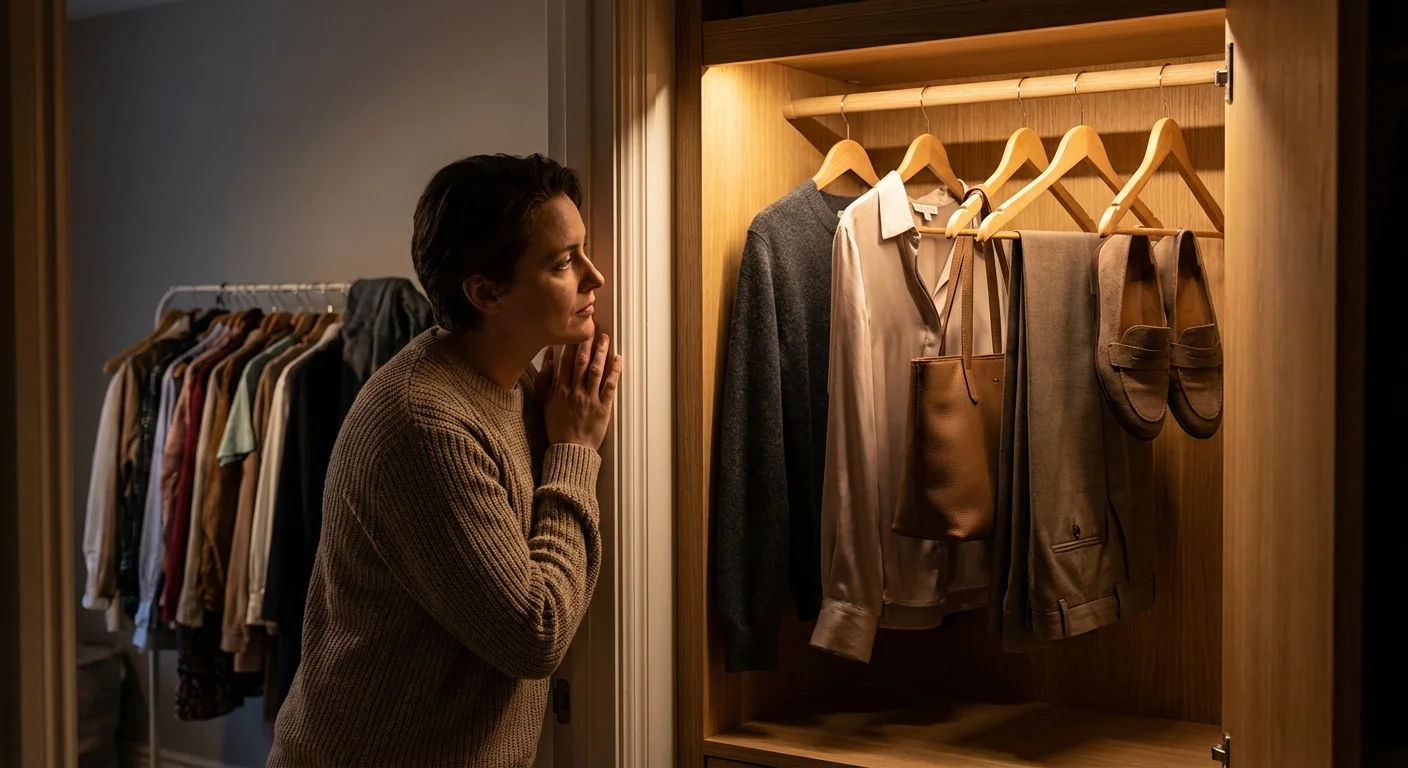
Where People Overspend
Even on resale platforms, it is easy to fall into spending traps that negate your savings. One of the most common mistakes is ignoring the “Condition” notes. A “Good” condition item on many sites might mean it has significant staining or structural damage that will cost you more in repairs than you saved on the purchase price. Always look for “Very Good” or “Excellent” ratings unless you have a trusted local cobbler or tailor who can perform miracles.
Another area of overspending is failing to check measurements. Luxury sizing is notoriously inconsistent between brands and even between different decades of the same brand. A “Size 8” from a vintage Italian designer may fit like a modern “Size 2.” Always compare the listed measurements against a garment you already own that fits perfectly. Returning items on resale sites can be difficult—many platforms only allow returns for “misrepresentation,” not for fit. If you buy something that doesn’t fit, you are stuck with the task of re-selling it yourself.
Lastly, beware of “Sale Fatigue.” Just because a designer item is 80% off does not mean you should buy it. If you wouldn’t have considered the item at 20% off, you probably don’t need it. Stick to a list of “foundation pieces”—neutral blazers, leather boots, sturdy handbags—rather than chasing trendy items that will look dated by next year.

When to Call a Pro: The Importance of Maintenance
Buying luxury for less is only half the battle; the other half is making those items last. While these platforms provide high-quality goods, those goods require professional care to maintain their value and utility. You should build a relationship with a local cobbler and a specialized dry cleaner. The Federal Trade Commission (FTC) provides guidelines on clothing care labels, but high-end materials often require more than the minimum care recommended.
Consider calling a professional in these scenarios:
- Leather Sole Protection: If you buy high-end heels or dress shoes, have a cobbler add a thin rubber “topy” to the sole immediately. This prevents the leather from wearing down and can be replaced cheaply every few years.
- Internal Structure Repair: If the lining of a luxury bag begins to shred or the hardware breaks, professional bag restorers can often make it look new for a fraction of the cost of a new bag.
- Tailoring for Fit: A $100 second-hand blazer that is tailored for $40 to fit your specific frame will always look more expensive than a $1,000 blazer that fits poorly.

Practical Steps to Start Your High-End Journey
You do not need to replace your entire wardrobe at once. In fact, doing so usually leads to expensive mistakes. Start by identifying the one item in your closet that you replace most often. Is it your work tote? Your winter coat? Your daily boots? Focus your search on that specific category.
Set a budget based on what you would normally spend on three “cheap” versions of that item. For example, if you usually buy a $60 coat every year, set a $180 budget for a pre-owned wool coat from a brand like Max Mara or Theory. Use the filters on these platforms to narrow your search by size, material (filter for 100% wool or 100% silk), and condition. This targeted approach prevents overwhelm and ensures every dollar you spend goes toward an item that will actually improve your financial outlook by ending the cycle of constant replacement.
“The goal isn’t to be cheap—it’s to be intentional.”
Building a high-quality wardrobe through resale is a marathon, not a sprint. It requires patience and a bit of research, but the payoff is a closet full of items you love that actually stand the test of time. By shifting your mindset from “how much does this cost today” to “how long will this serve me,” you empower yourself to live a more luxurious life on a fraction of the traditional budget.
The savings estimates in this article are based on typical costs and may differ in your area. Always compare current prices and consider your household’s specific needs.
Last updated: February 2026. Prices change frequently—verify current costs before purchasing.








Leave a Reply