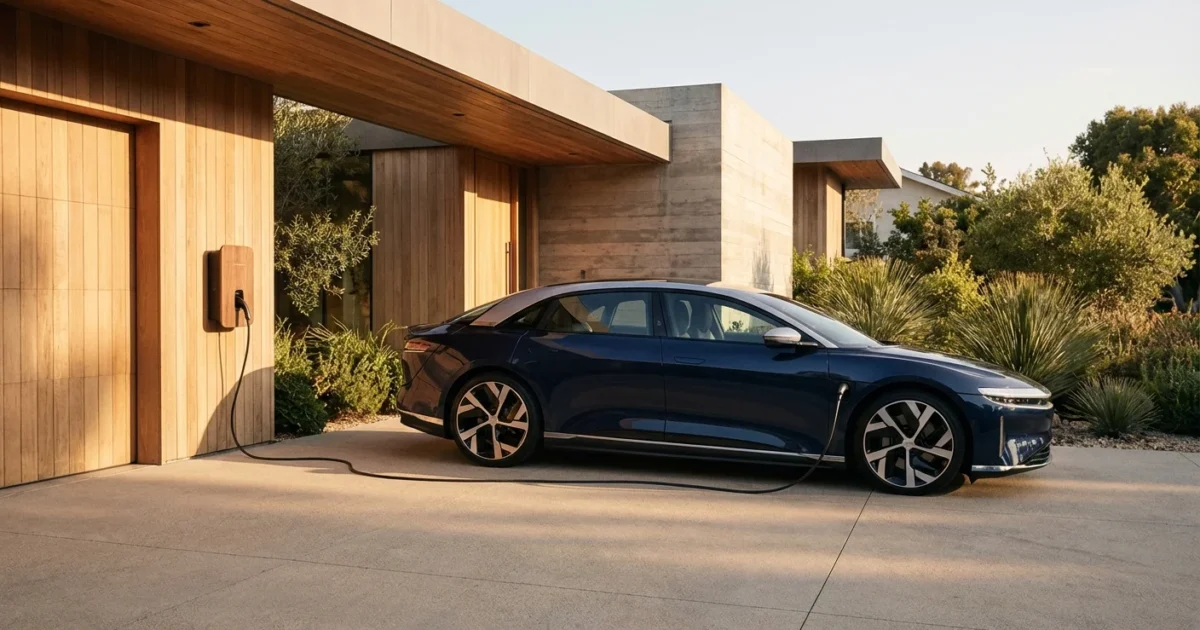
You probably remember the exact moment you decided to look into electric vehicles. Maybe it was the third time in a week you watched the digits on a gas pump screen fly past eighty dollars; perhaps it was the quiet realization that your commuter car’s maintenance schedule felt more like a second mortgage. Whatever the spark, the promise of an EV is almost always rooted in the same seductive idea: “fueling” should be cheaper.
However, the financial reality of owning an electric car is more nuanced than simply trading a gas nozzle for a charging cable. While you will almost certainly spend less per mile than you did with internal combustion, the gap between “very cheap” and “surprisingly expensive” depends entirely on your charging habits. If you treat an EV like a gas car—only filling up at public “stations”—you might find your savings evaporating faster than you expected. To master the economics of your new ride, you need to understand the stark divide between home electricity rates and the premium prices of public infrastructure.
The Unit of Measure: Transitioning from Gallons to Kilowatt-Hours
Before you can compare costs, you must learn the language of the electric bill. Gasoline is sold by the gallon, a physical volume you can visualize. Electricity is sold by the kilowatt-hour (kWh), which represents the energy used by a 1,000-watt appliance running for sixty minutes. To calculate your actual EV charging cost, you need to know your car’s efficiency, which is usually expressed as “miles per kWh.”
Most modern electric sedans, like the Tesla Model 3 or Hyundai Ioniq 6, achieve between 3.5 and 4.0 miles per kWh. Larger SUVs and trucks, like the Ford F-150 Lightning, might only get 2.0 to 2.5 miles per kWh. If you know your car gets 3 miles per kWh and you need to drive 30 miles, you know you need 10 kWh of energy. The question then becomes: what does that 10 kWh cost you at home versus at a Supercharger?

Home Charging: Your Most Powerful Savings Tool
Charging at home serves as the foundation of EV savings. When you plug in at your house, you pay residential electricity rates, which are significantly lower than commercial rates. According to the U.S. Department of Energy, the average residential electricity rate in the United States hovers around 16 to 17 cents per kWh, though this varies wildly by state.
At 16 cents per kWh, a car that gets 3 miles per kWh costs roughly 5.3 cents per mile to operate. For a driver covering 12,000 miles a year, that totals about $636 in “fuel” costs. Compare that to a gas-powered car getting 30 MPG. With gas at $3.50 a gallon—a price you can track via AAA Gas Prices—that same 12,000-mile year costs $1,400. Home charging effectively puts $764 back in your pocket annually.
Level 1 vs. Level 2 at Home
You have two primary choices for home setups. Level 1 charging uses a standard 120-volt wall outlet. It is slow—adding about 3 to 5 miles of range per hour—but it requires zero upfront investment. If you drive less than 40 miles a day, Level 1 might be all you ever need.
Level 2 charging requires a 240-volt outlet, similar to what a clothes dryer uses. This setup adds 20 to 40 miles of range per hour. While the electricity cost remains the same, the “cost” here is the initial hardware and installation. A quality Level 2 charger costs between $400 and $700, and an electrician may charge anywhere from $500 to $2,000 to install the dedicated circuit. Despite these upfront costs, the convenience and ability to take advantage of “time-of-use” rates often make it a smart long-term investment.
“It’s not your salary that makes you rich, it’s your spending habits.” — Charles A. Jaffe
Public Charging: The Price of Convenience
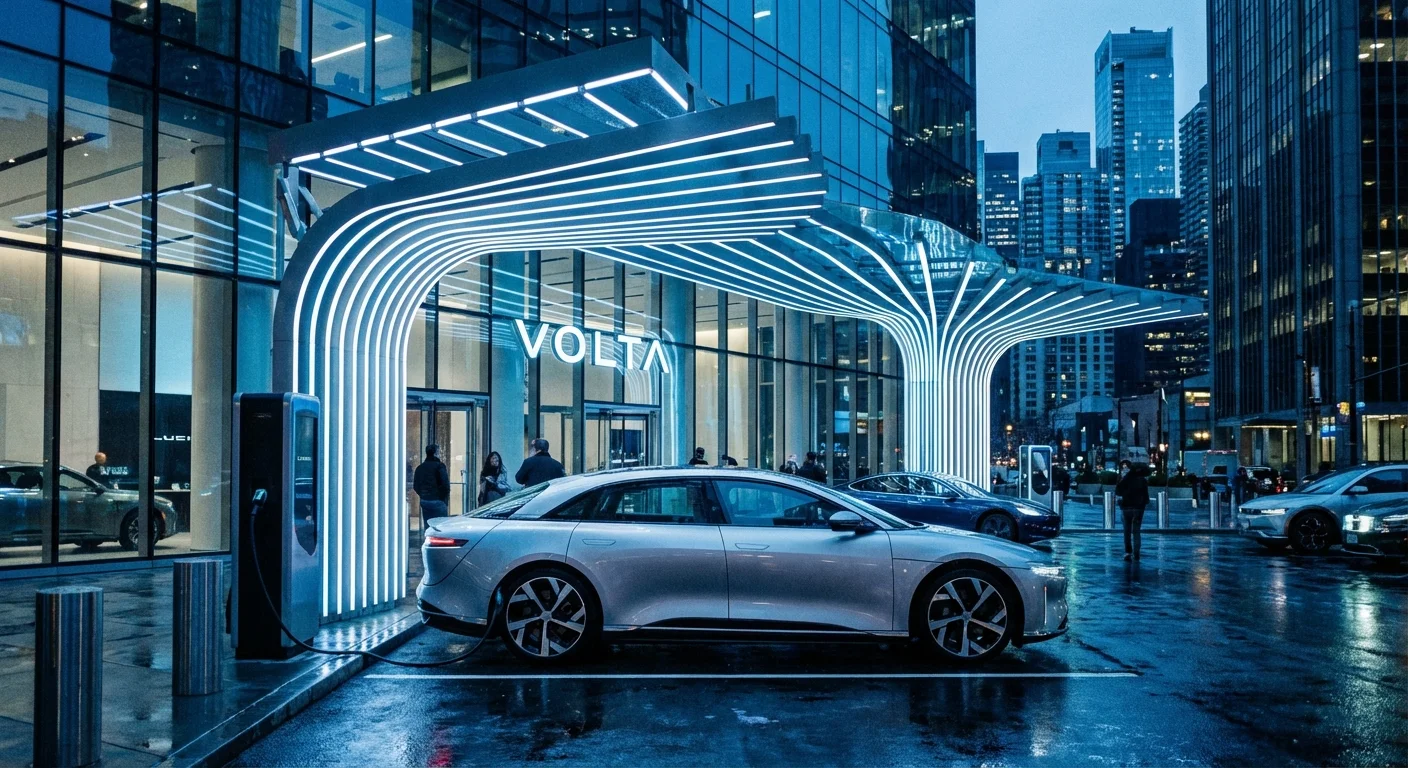
Public charging falls into two categories: Level 2 destination chargers and DC Fast Chargers (often called Level 3 or Superchargers). While you can sometimes find free Level 2 charging at hotels or shopping malls, most public fast charging comes at a steep premium.
Public charging networks like Electrify America, EVgo, and Tesla Charge typically price their energy between 40 cents and 60 cents per kWh. At 50 cents per kWh, that same car getting 3 miles per kWh now costs 16.6 cents per mile to drive. If you rely exclusively on these stations, your 12,000-mile year now costs $1,992. In this scenario, driving an EV actually costs more than driving a fuel-efficient gasoline car.
Public stations charge more because they must recoup the massive costs of hardware, grid upgrades, and maintenance—not to mention the “demand charges” utilities levy on high-draw commercial locations. You aren’t just paying for energy; you are paying for the infrastructure that can shove 200 miles of range into your battery while you grab a coffee.

Side-by-Side: The Financial Breakdown
To see how these numbers play out in the real world, consider the following table. This comparison assumes a standard electric SUV with an efficiency of 3.0 miles per kWh, comparing different charging environments against a 25 MPG gasoline vehicle.
| Fuel Source | Price per Unit | Cost per 100 Miles | Annual Cost (12,000 mi) |
|---|---|---|---|
| Home Charging (Off-Peak) | $0.12 / kWh | $4.00 | $480 |
| Home Charging (Average) | $0.17 / kWh | $5.66 | $679 |
| Gasoline (25 MPG) | $3.50 / gal | $14.00 | $1,680 |
| Public DC Fast Charging | $0.48 / kWh | $16.00 | $1,920 |
As the data shows, the “electric car savings” narrative only holds true if you do the majority of your charging at home. Using a public fast charger as your primary energy source can actually increase your monthly “fuel” spend by nearly 15% compared to a moderate-efficiency gasoline vehicle.

Maximizing Your Savings with Time-of-Use Rates
If you want to push your costs even lower, you must investigate “Time-of-Use” (TOU) plans with your local utility provider. Many power companies face low demand at night and offer significantly discounted rates to encourage people to shift their usage. In some parts of the country, overnight rates can drop as low as 4 to 8 cents per kWh.
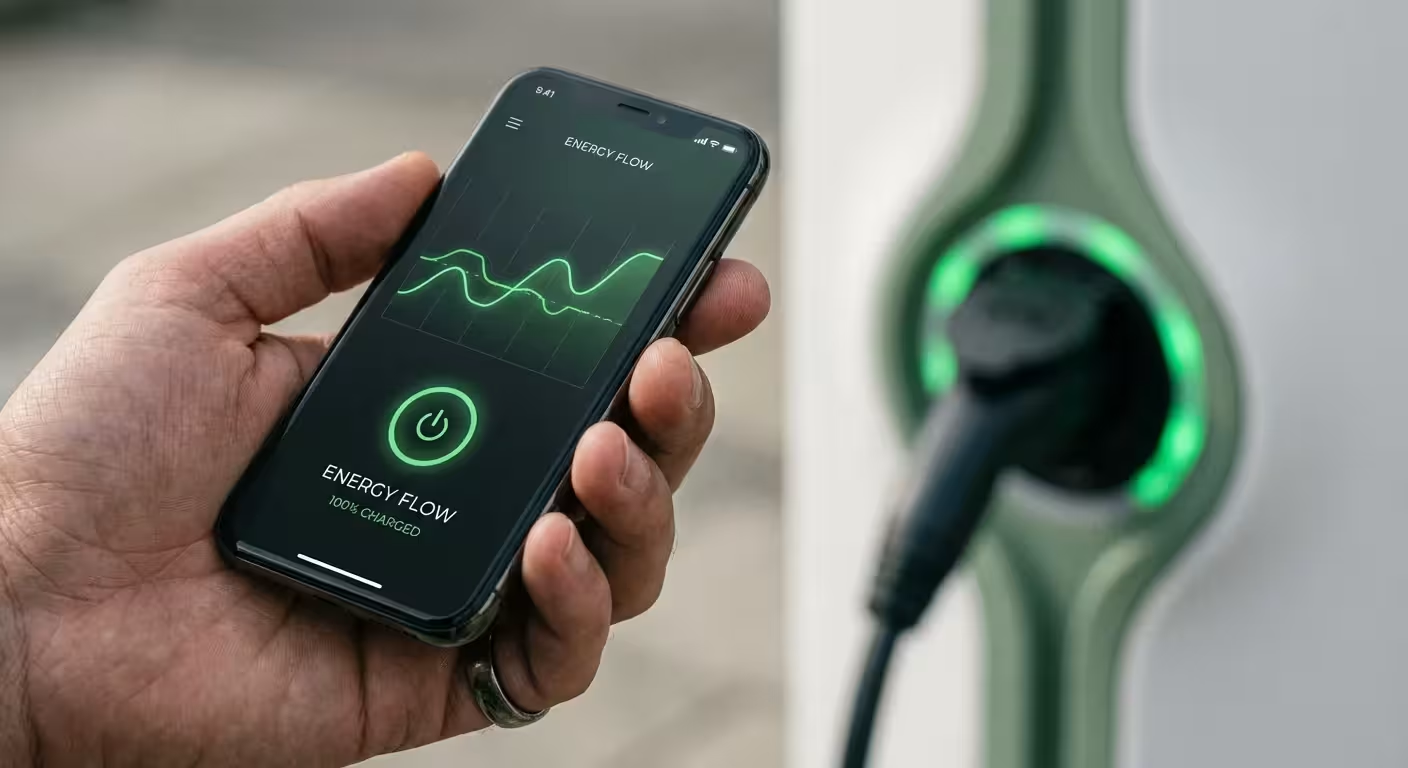
Most EVs allow you to schedule your charging through an app. You can plug the car in when you get home at 6:00 PM, but the car won’t actually pull power until 11:00 PM when the rates drop. This simple habit can cut your home charging bill in half, making your per-mile cost lower than almost any other form of motorized transport.

Costly Mistakes to Avoid
Even seasoned EV owners occasionally fall into traps that drain their bank accounts. Avoid these common financial pitfalls to keep your savings on track:
- Ignoring Idle Fees: Most public charging stations charge by the minute once your car reaches 100% or finishes its session. These “idle fees” can be as high as $1.00 per minute. If you leave your car plugged in while you finish a movie, you might return to a bill that exceeds the cost of the actual energy.
- Charging to 100% at Fast Chargers: Charging speed slows down significantly after your battery reaches 80%. Because many stations charge by the minute or have tiered pricing, those last 20% of battery capacity can take as long—and cost as much—as the first 80%. Unless you absolutely need the range to reach your next stop, unplug at 80%.
- Skipping Membership Programs: If you find yourself using one specific network (like Electrify America or EVgo) frequently, check their monthly membership options. Often, a $4 to $7 monthly fee can reduce your per-kWh cost by 25%. If you charge publicly more than twice a month, these plans pay for themselves.
- Over-installing at Home: Don’t pay for an 80-amp home charging station if your car’s onboard charger can only handle 48 amps. Check your vehicle’s specifications before buying hardware to avoid wasting hundreds of dollars on capacity your car cannot use.
Skip DIY When…
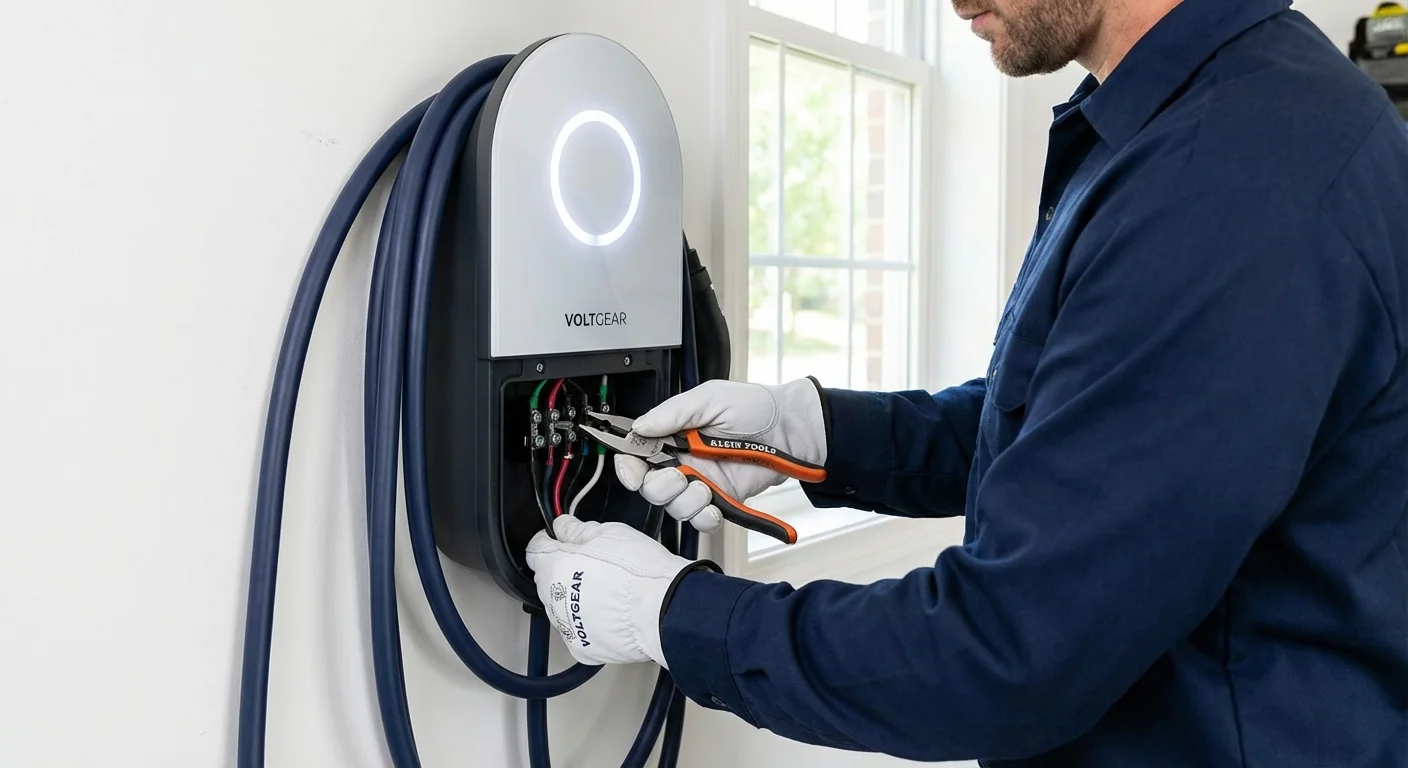
While we advocate for smart spending and DIY when possible, installing a home EV charger is one area where you should probably call in a professional. Electricity is dangerous; high-amperage circuits are even more so. You should skip the DIY route and hire a licensed electrician in these scenarios:
- Your Electrical Panel is Full: If your breaker box has no open slots, an electrician will need to install a sub-panel or upgrade your service. This is not a project for a weekend warrior.
- The Run is Long and Complex: If your garage is 100 feet away from your electrical panel and requires trenching or navigating through multiple load-bearing walls, professional expertise ensures the wire is sized correctly for the distance to prevent overheating.
- Permitting is Required: Many municipalities require a permit for 240-volt circuit installations. An electrician handles the paperwork and ensures the work meets local building codes, which protects your home insurance coverage.

The Impact of Weather on Your Wallet
You must also factor in the “weather tax.” Electric vehicle batteries are sensitive to temperature. In extreme cold, your efficiency might drop by 30% or more as the car uses energy to heat the cabin and the battery itself. This means you need more kWh to travel the same distance. If you live in a climate with harsh winters, expect your January “fuel” bill to be higher than your October bill. To mitigate this, use the “pre-conditioning” feature while the car is still plugged in at home; this uses wall power rather than battery power to warm the car up.
Maintenance Savings: The Hidden Bonus
While this guide focuses on the “per-gallon vs. per-kWh” debate, a holistic view of EV costs must include maintenance. According to Consumer Reports, EV owners spend about 50% less on repair and maintenance over the life of the vehicle compared to internal combustion owners. You have no oil to change, no spark plugs to replace, and significantly less wear on your brakes thanks to regenerative braking. When you calculate the “real cost,” remember that every dollar saved on an oil change is a dollar you can put toward your home charging setup.
“A penny saved is a penny earned.” — Benjamin Franklin
Frequently Asked Questions
Is it cheaper to charge an EV at night?
Generally, yes. Most utilities offer lower rates during “off-peak” hours, typically between 11:00 PM and 6:00 AM. Check with your local provider for a Time-of-Use plan.
Can I charge my EV using a regular 120V wall outlet?
Yes, this is called Level 1 charging. It adds about 3-5 miles of range per hour. It is the cheapest way to start because it requires no hardware installation, but it may be too slow for long commutes.
Are Tesla Superchargers more expensive than other public chargers?
Tesla pricing varies by location and time of day. While they are often competitively priced compared to other fast chargers (like Electrify America), they are still significantly more expensive than charging at home.
Do I need to buy a specific brand of home charger?
No. Most EVs use a standard J1772 plug (or the NACS/Tesla plug). You can use any high-quality Level 2 charger that matches your car’s connector type. Many owners prefer chargers with “smart” features that track energy costs.
Making the Transition Work for Your Budget
Transitioning to an electric vehicle offers a rare opportunity to take control of your transportation costs. Unlike gasoline prices, which fluctuate based on global politics and refinery issues, your home electricity rate is relatively stable and predictable. By focusing on home charging and utilizing off-peak rates, you can effectively lock in a “fuel” price that remains the equivalent of paying $1.20 per gallon of gas.
The key to success is intentionality. Don’t simply buy the car and hope for the best. Audit your home’s electrical capacity, compare your utility’s rate plans, and download apps like PlugShare to find free or low-cost Level 2 charging in your community. When you treat your EV like a mobile appliance—charging it while you sleep and avoiding high-cost public terminals—you turn the promise of savings into a mathematical certainty.
Start by calling your utility company today to ask about EV-specific rebates. Many providers offer hundreds of dollars toward the purchase of a Level 2 charger, potentially making your home setup nearly free. This article provides general money-saving guidance. Individual results vary based on location, household size, and spending patterns. Verify current prices before making purchasing decisions.
Last updated: February 2026. Prices change frequently—verify current costs before purchasing.









Leave a Reply