
You pull up to the pump, glance at the rising numbers on the display, and feel that familiar pang of frustration. According to data from AAA Gas Prices, the average American driver spends nearly $3,000 annually on fuel—a figure that fluctuates wildly based on geopolitical tensions and refinery maintenance cycles. While you cannot control the global oil market, you can control the price you pay at the nozzle. In 2025, leaving money on the table by paying the “sticker price” for gas is an avoidable mistake.
The landscape of fuel savings has shifted from physical punch cards to sophisticated mobile ecosystems. Today, the best gas apps do more than just show you the nearest station; they leverage location data, credit card partnerships, and merchant rebates to shave significant amounts off your total. Whether you want an instant discount at the pump or cash back in your bank account, selecting the right loyalty program determines whether you save five cents or fifty cents per gallon.
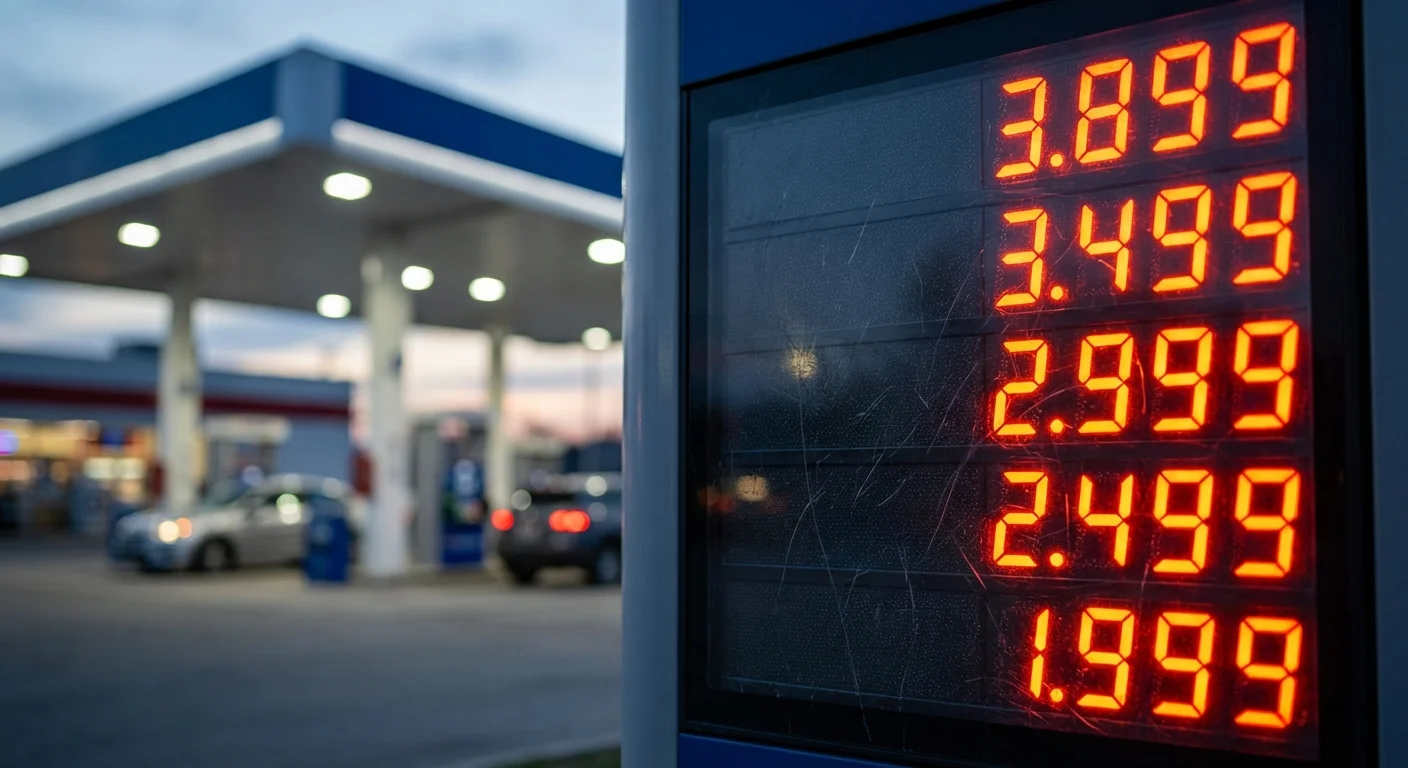
What You Will Save: 2025 Snapshot
If you are looking for the highlights before diving into the mechanics, here is what the top performers currently offer:
- Upside: Up to 25 cents per gallon in cash back at participating stations.
- Shell Fuel Rewards: A baseline of 5 cents off per gallon for Gold Status, often stackable to 15–20 cents through partner programs.
- ExxonMobil Rewards+: Approximately 3 cents per gallon in points, with frequent “double point” weekend promotions.
- BPme Rewards: A consistent 5 cents off per gallon plus a unique “Price Match” feature for a small monthly fee.
- Murphy Drive Rewards: Points-based system that often yields $1 off per gallon after reaching specific spending thresholds at Walmart or Murphy stations.

Ranking the Best Gas Apps of 2025
To rank these apps, we analyzed three primary metrics: ease of use, geographic availability, and total value per gallon. Not every app works the same way; some provide an immediate “rollback” at the pump, while others require you to scan a receipt or link a card to receive cash back later.
| App Name | Type of Discount | Ease of Use | Best For |
|---|---|---|---|
| Upside | Cash Back | High | Maximum raw savings per gallon |
| Shell Fuel Rewards | Instant Discount | High | Reliability and stacking options |
| BPme Rewards | Instant Discount | Medium | Frequent drivers in the Eastern US |
| ExxonMobil Rewards+ | Points/Credit | High | Walmart+ members |
| GasBuddy | Payment Card/Discount | High | Finding the absolute lowest price locally |
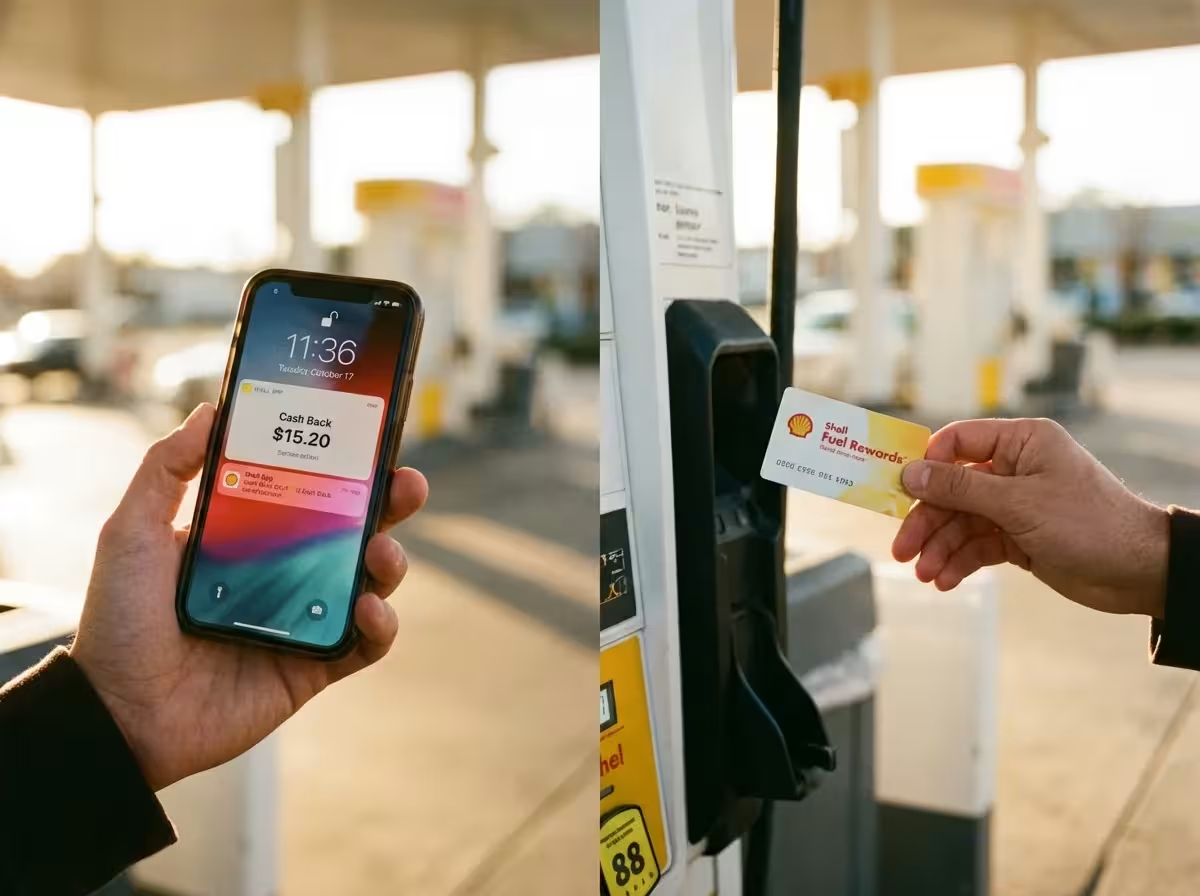
Upside vs Shell: Which Strategy Wins?
When you look for ways to save money on gas, you will inevitably encounter the “Cash Back vs. Instant Discount” debate. This is most clearly seen when comparing Upside vs Shell. These two giants represent the two dominant schools of thought in fuel savings.
Upside operates as a third-party aggregator. It does not own the gas stations; instead, it partners with them to drive traffic. When you open the app, you see a map of offers nearby—sometimes as high as 25 cents per gallon. You “claim” an offer, pay with your linked credit card, and the cash appears in your Upside account within a few days. The strength of Upside lies in the sheer volume of savings. It is not uncommon to save $4 or $5 on a single fill-up.
Shell Fuel Rewards, conversely, focuses on brand loyalty. When you join, you typically start with “Silver Status” (3 cents off) but quickly jump to “Gold Status” (5 cents off). The magic of Shell is its integration with other brands. If you shop at certain grocery stores, use a specific credit card, or participate in T-Mobile Tuesdays, those discounts stack. You might walk up to the pump and see the price drop by 30 cents or more instantly because you bought groceries earlier that week.
The winner? Use Upside if you want the highest potential cash return and do not care about the brand of gas. Choose Shell if you prefer an immediate lower price and already shop at partner retailers like Kroger or Stop & Shop.
“The goal isn’t to be cheap—it’s to be intentional.”
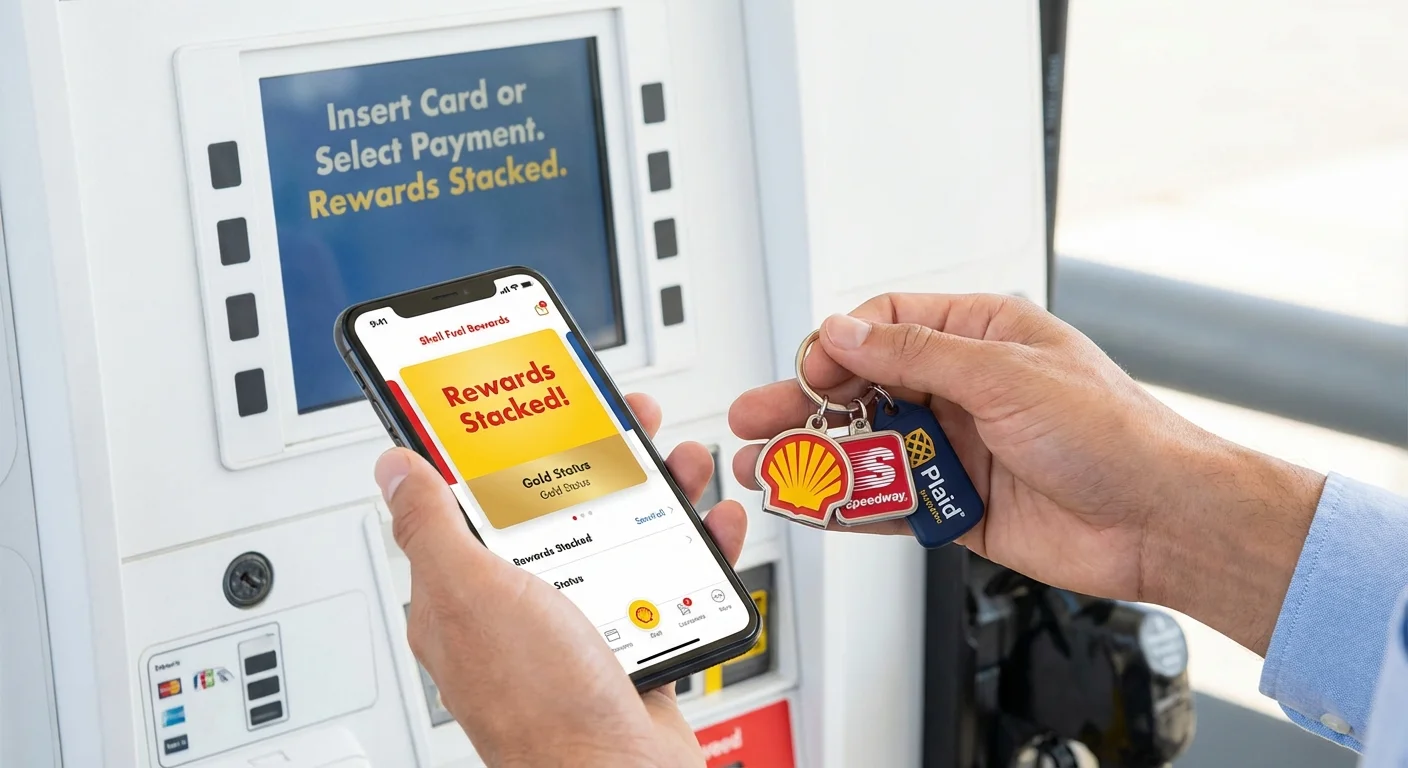
Deep Dive: Shell Fuel Rewards and the Power of Stacking
Shell remains a heavyweight in the industry because it rewards behavior you are likely already doing. By reaching Gold Status—which usually requires filling up six times over three months—you secure a permanent 5-cent discount. However, you should never stop at the baseline.
To maximize Shell, link your account to the Fuel Rewards Network partners. For example, linking a JetBlue or American Airlines account can earn you miles alongside your fuel points. More importantly, pay attention to “Featured Offers” within the app. Often, buying two bottles of water or a specific snack inside the convenience store can trigger an additional 10-cent-per-gallon discount on your next fill-up. Since the discount applies to up to 20 gallons, a 10-cent “snack bonus” saves you $2 at the pump—essentially making the snack free.
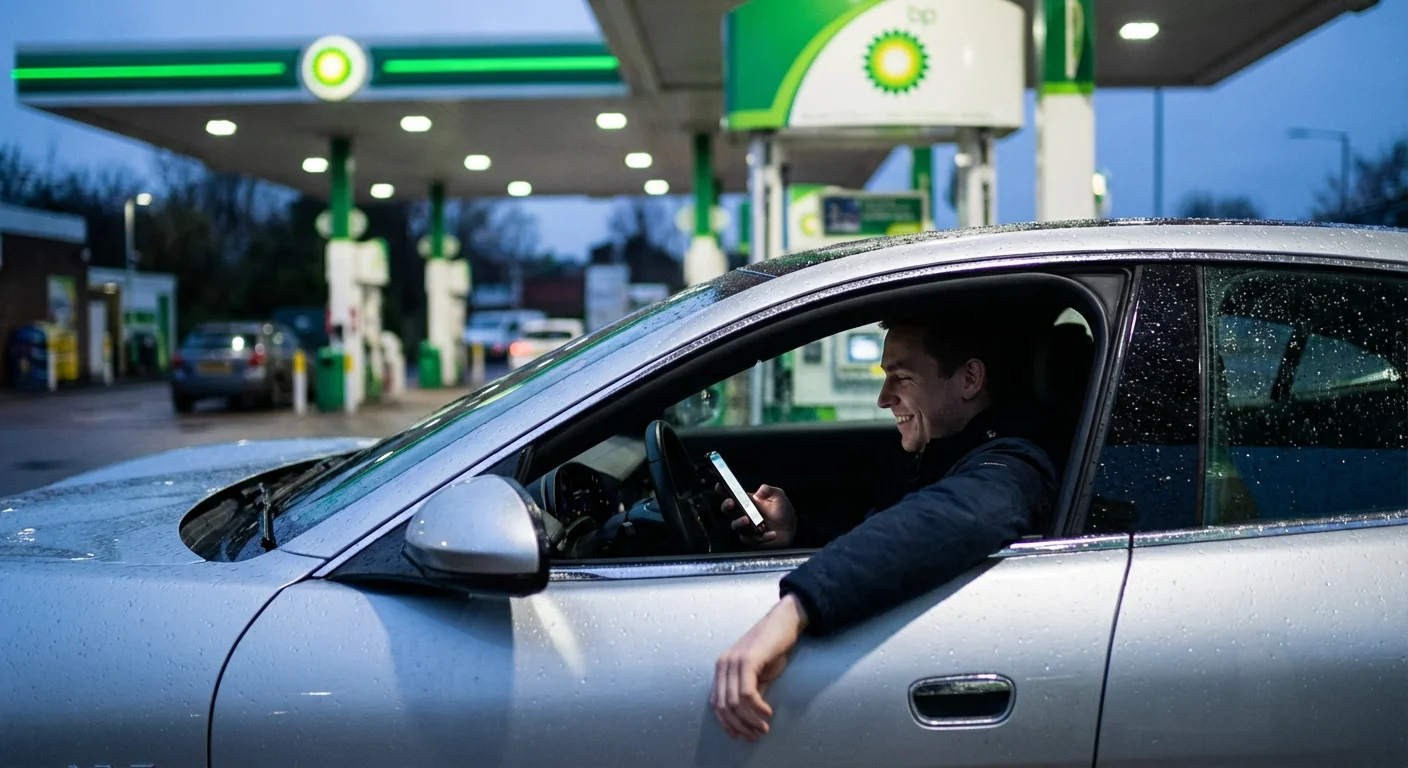
BPme Rewards: The Price Match Advantage
BP has refined its app to cater to the tech-savvy driver. The standard BPme Rewards program offers 5 cents off every gallon at BP and Amoco stations. Where they differentiate themselves is through the “Price Match” feature. For a subscription fee (typically around $0.99 per month), BP will compare its price against local competitors. If a nearby station is cheaper, BP automatically matches that price for you in addition to your 5-cent loyalty discount.
This feature is a game-changer if you live in an area where gas prices vary wildly across the street from one another. You gain the peace of mind of using a “Top Tier” detergent gasoline without the “Top Tier” price premium. You can track your total savings within the app, making it easy to see if the monthly subscription fee pays for itself; for most commuters, it does so within the first two fill-ups.
ExxonMobil Rewards+ and the Walmart Connection
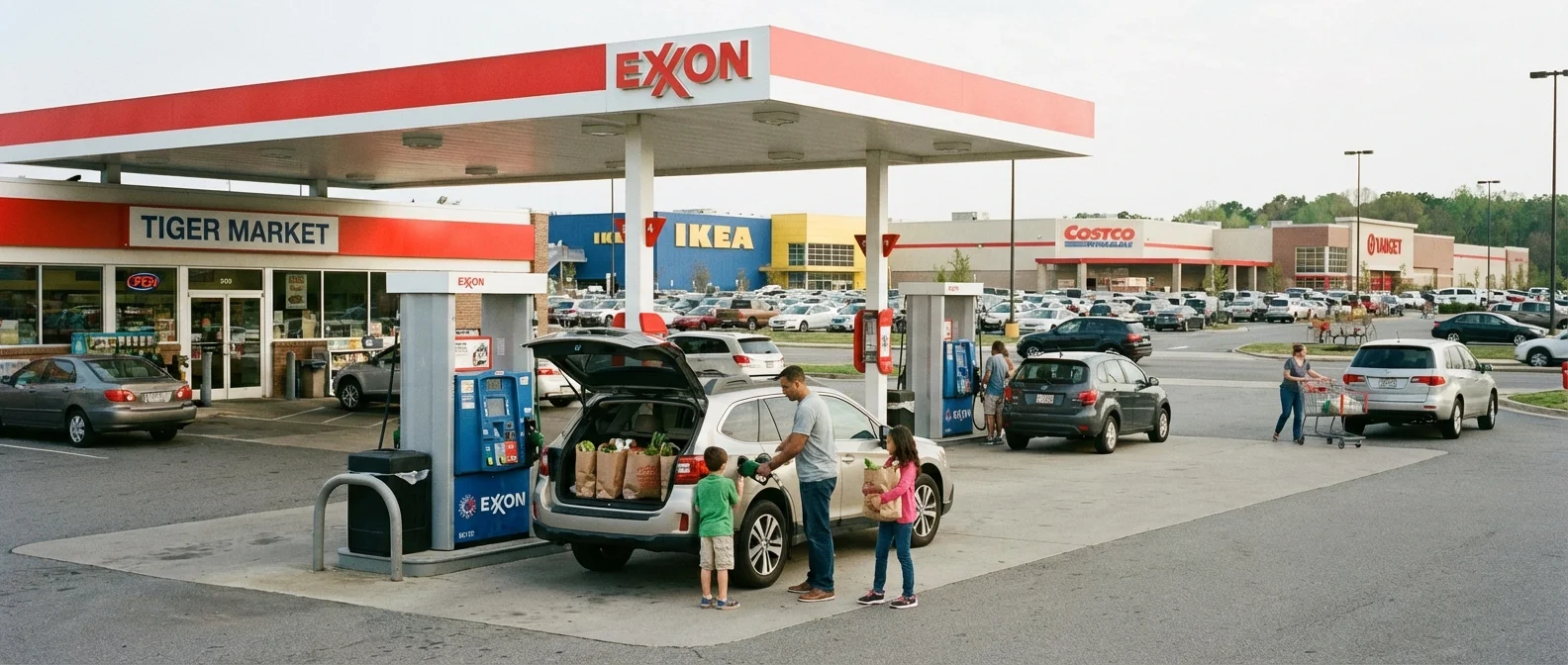
ExxonMobil has moved toward a “Points” ecosystem. You earn 3 points per gallon on regular fuel and 6 points on Synergy Supreme+ premium fuel. Every 100 points equals $1 in savings. While this sounds more complex than a flat discount, it integrates seamlessly with Walmart+.
If you are a Walmart+ member, you automatically receive 10 cents off per gallon at over 12,000 Exxon and Mobil stations across the country. This partnership makes ExxonMobil the most practical choice for suburban families who already utilize Walmart for groceries and household goods. Simply open the Walmart app, select “Member Prices on Fuel,” and scan the QR code at the pump to trigger the discount.
GasBuddy: The Comprehensive Comparison Tool
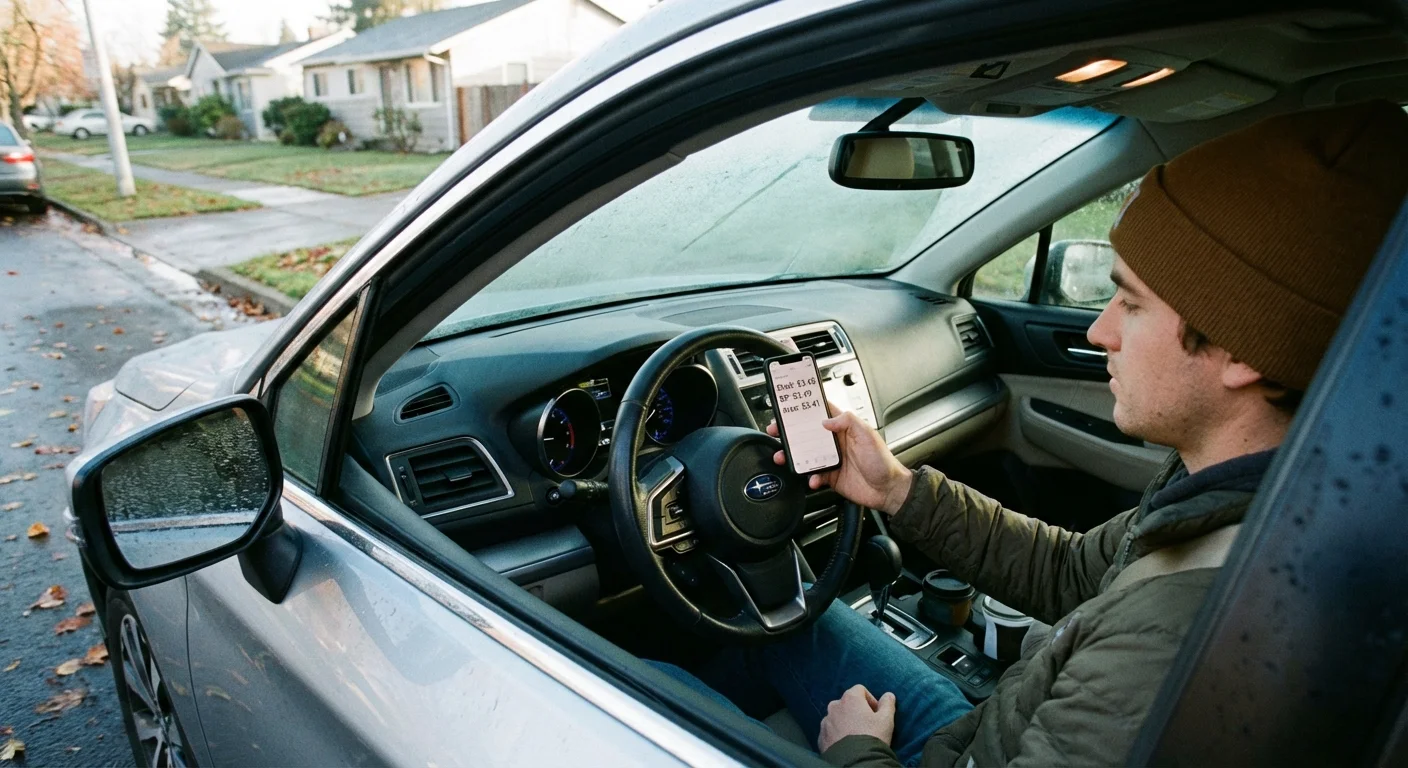
No discussion about the best gas apps is complete without GasBuddy. While others focus on loyalty, GasBuddy focuses on data. It remains the most accurate way to see what every station in your zip code is charging. However, their “Pay with GasBuddy” card is where the real value lies. By linking your checking account to a GasBuddy debit card, you can save up to 25 cents per gallon without being tied to a specific brand.
The Bureau of Labor Statistics notes that transportation is the second-largest expense for the average American household. Using GasBuddy to locate the cheapest station—and then using their payment card to shave another 5 to 10 cents off that price—is one of the most effective ways to lower that overhead. GasBuddy also offers a “Premium” tier for a yearly fee that includes roadside assistance, which may be worth considering if your vehicle is out of warranty.
Where People Overspend at the Pump
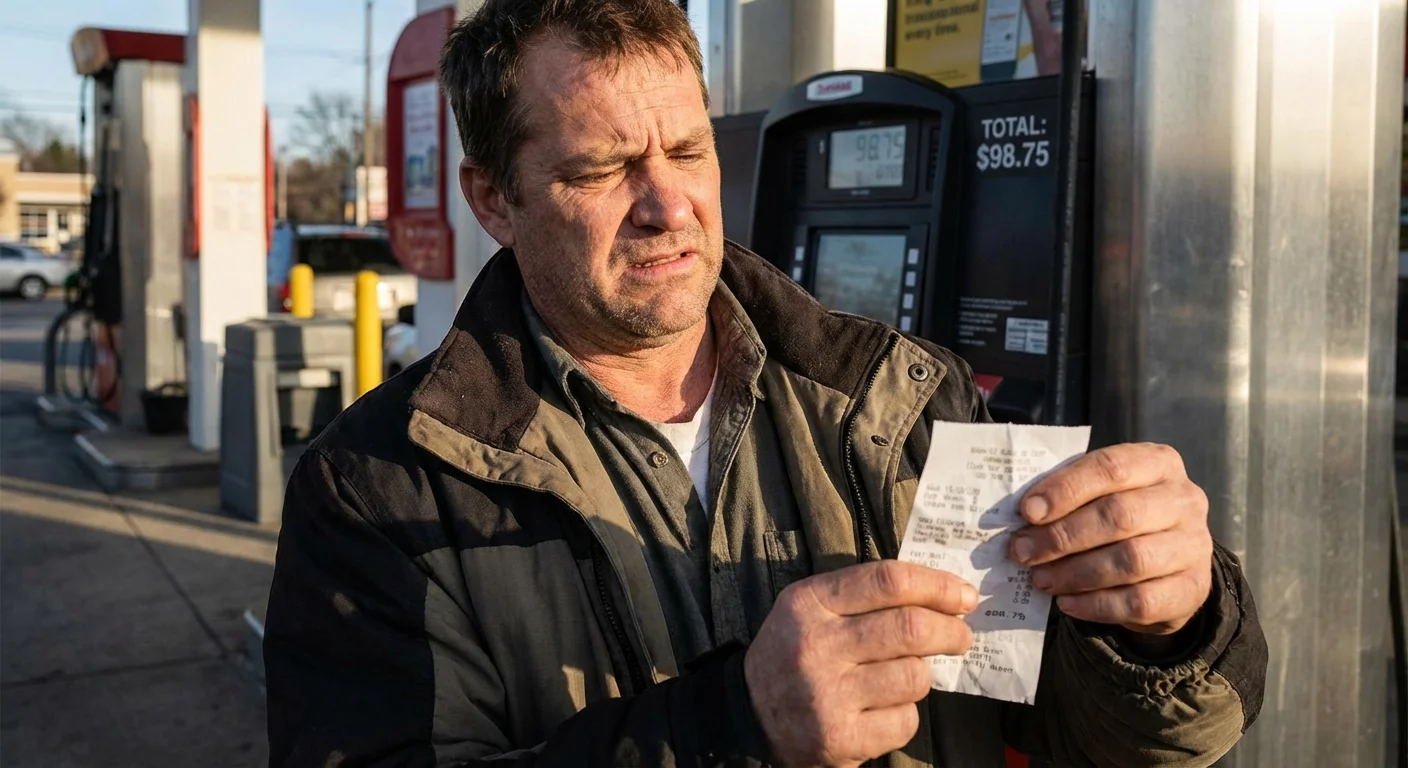
Even with the best apps, you can accidentally negate your savings through poor habits. Avoiding these common pitfalls ensures your loyalty discounts actually stay in your pocket.
- Buying Premium When Unnecessary: Many drivers believe premium fuel (91-93 octane) is “cleaner” or better for all engines. Unless your owner’s manual explicitly states “Premium Fuel Required,” you are throwing away roughly 40 to 60 cents per gallon for no benefit. Research from Edmunds shows that modern engines with “Recommended” premium ratings can often run safely on 87 octane with only a negligible dip in horsepower.
- Chasing the Lowest Price: If you drive five miles out of your way to save two cents per gallon, you are likely losing money. If your car gets 25 MPG and you go five miles off-route, you’ve used 0.2 gallons of gas. At $3.50 a gallon, that detour cost you 70 cents. If you have a 15-gallon tank, you only saved 30 cents at the pump. You lost 40 cents and ten minutes of your time.
- Ignoring “Cash vs. Credit” Pricing: Some stations offer a lower price for cash. Often, the cash discount is 10 cents, while your credit card only gives you 2% back (roughly 7 cents). In these cases, the “old school” cash method beats the app. Always check the sign before you swipe.
- The “Convenience Store” Trap: Gas stations make very little profit on the fuel itself; their margins come from the soda, chips, and coffee inside. If you save $2 on your fill-up but spend $6 on a literal “gas station snack,” your net loss is $4.
The Advanced Strategy: The “Triple Stack”
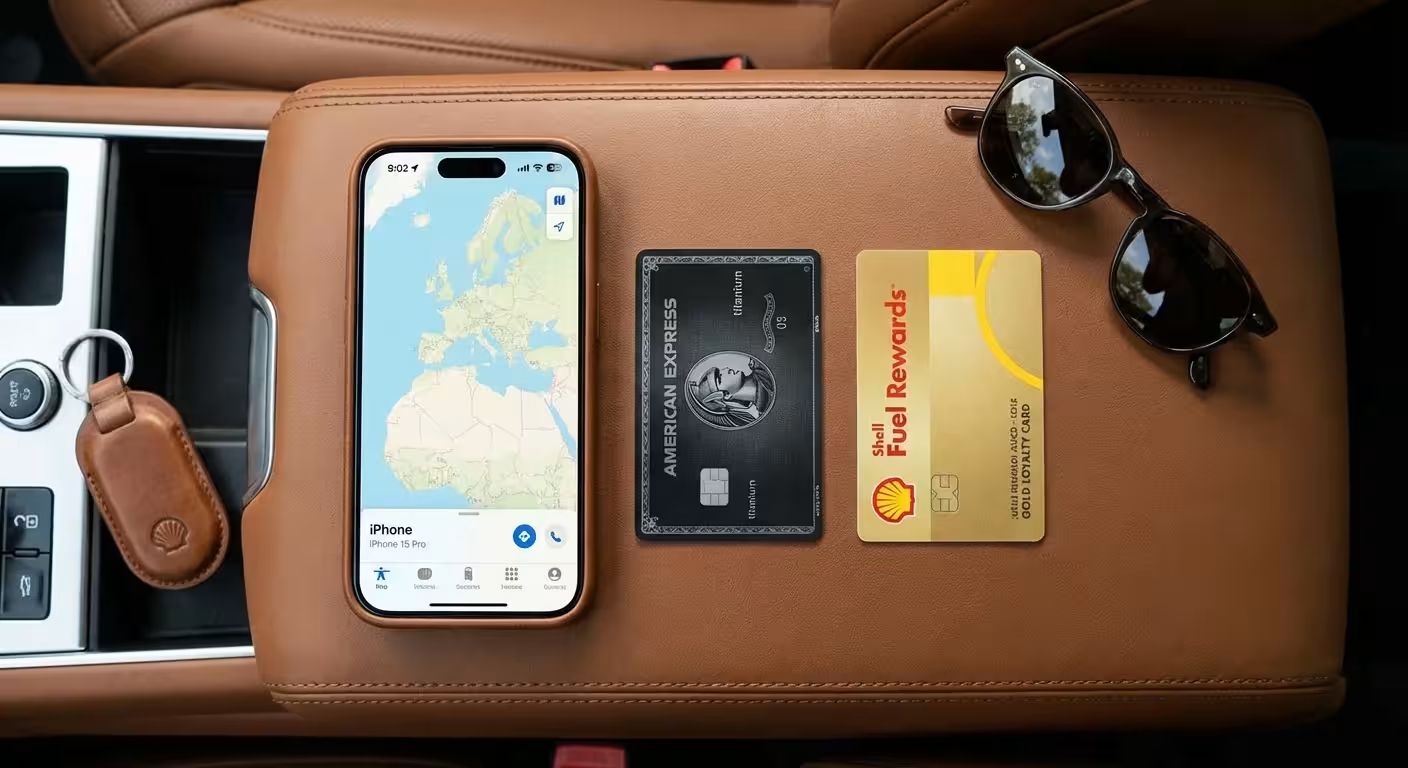
If you want to maximize your 2025 fuel savings, you need to “stack” your rewards. A stack occurs when you use multiple independent programs on a single transaction. Here is how a professional saver executes a Triple Stack:
- The Base Loyalty App: You use the Shell Fuel Rewards app to get your 5-cent Gold Status discount.
- The Cash Back App: You open Upside and claim a 15-cent cash back offer for that same Shell station.
- The Payment Card: You pay with a credit card that offers 3% to 5% cash back on fuel (like the Blue Cash Everyday from American Express or the Costco Anywhere Visa).
On a $3.50 gallon of gas, the 5-cent Shell discount brings it to $3.45. The 15-cent Upside rebate effectively brings it to $3.30. Finally, a 5% credit card rebate adds another 17 cents in value. Your total “real” price is $3.13—a savings of 37 cents per gallon. Over a year of driving 15,000 miles in a car that gets 25 MPG, this strategy puts over $220 back in your wallet.
When to Consider a Gas Station Credit Card
Most financial experts recommend general-purpose cash-back cards over branded gas cards, but there are exceptions. You should consider a branded card (like the ExxonMobil Smart Card+ or the Techron Advantage card) only if:
- The station is conveniently located on your daily commute.
- The card offers an “instant” cents-off discount rather than a points system.
- You have a lower credit score and cannot qualify for high-tier rewards cards, as branded gas cards often have more lenient approval requirements.
However, be wary of the interest rates. Branded gas cards often carry APRs exceeding 30%. If you do not pay your balance in full every single month, the interest charges will instantly dwarf any savings you earned at the pump.
Frequently Asked Questions
Are gas apps safe to link to my bank account?
Most major apps like GasBuddy and Shell use encrypted, third-party payment processors (like Plaid) to handle your data. They do not store your actual bank login credentials on their servers. However, always enable two-factor authentication (2FA) on any app that handles your financial information.
Can I use Upside and Shell Fuel Rewards at the same time?
Generally, yes. Upside is a post-purchase cash back system, while Shell Fuel Rewards is an at-the-pump discount. Because they operate on different “rails,” they usually do not conflict. This is the foundation of the “Triple Stack” strategy mentioned above.
Do these apps work for Diesel or E85?
Most major loyalty apps (Shell, BP, ExxonMobil) offer rewards for Diesel. Upside frequently includes Diesel offers as well. E85 and other alternative fuels are less commonly rewarded, though you can still earn standard credit card cash back on those purchases.
Is “Top Tier” gas really better?
Yes. “Top Tier” is a performance standard developed by auto manufacturers like BMW, GM, and Toyota. It ensures the gasoline contains a higher concentration of detergents to prevent carbon buildup in your engine. Many brands with loyalty apps (Shell, Mobil, BP, Costco) are certified Top Tier. Using these apps allows you to buy better fuel for the same price as the “no-name” gas down the street.
The Bottom Line on Fuel Savings
Saving money on gas in 2025 does not require driving a hybrid or hypermiling behind a semi-truck. It requires five minutes of setup on your smartphone. By choosing the right app for your region and shopping habits, you turn a mandatory expense into an opportunity for cash back.
Start by downloading Upside for its high cash-back rates and the Shell Fuel Rewards app for its reliable, stackable discounts. Use them consistently for one month, and you will see exactly how much your “fuel tax” has decreased. Every cent you save at the pump is a cent you can redirect toward your emergency fund, your retirement, or your next road trip. As Benjamin Franklin famously noted, “A penny saved is a penny earned”—and at the gas pump, those pennies add up to hundreds of dollars a year.
Prices and availability mentioned reflect research at the time of writing and may vary by location and retailer. Your actual savings will depend on your specific situation and shopping habits.
Last updated: February 2026. Prices change frequently—verify current costs before purchasing.







Leave a Reply