
You stand in the grocery aisle, staring at a carton of eggs that costs 30% more than it did two years ago. According to the Bureau of Labor Statistics, the Consumer Price Index for food at home has consistently outpaced general inflation in several recent quarters, leaving many Americans searching for an escape hatch from corporate pricing structures. You might have noticed a local food cooperative in your neighborhood—often housed in a modest building with hand-painted signs—and wondered if it offers a genuine path to savings or if it is merely a high-priced boutique for the health-conscious elite.
The answer is rarely a simple yes or no; it depends entirely on how you shop. While big-box retailers rely on massive supply chains and loss leaders to get you through the door, food cooperatives operate on a member-ownership model that prioritizes community value over quarterly dividends for distant shareholders. To decide if a co-op makes sense for your wallet, you must understand the mechanics of these organizations, the hidden ways they slash prices, and the specific categories where they simply cannot compete with the likes of Kroger or Walmart.
The Fundamental Difference: How a Co-op Works for You
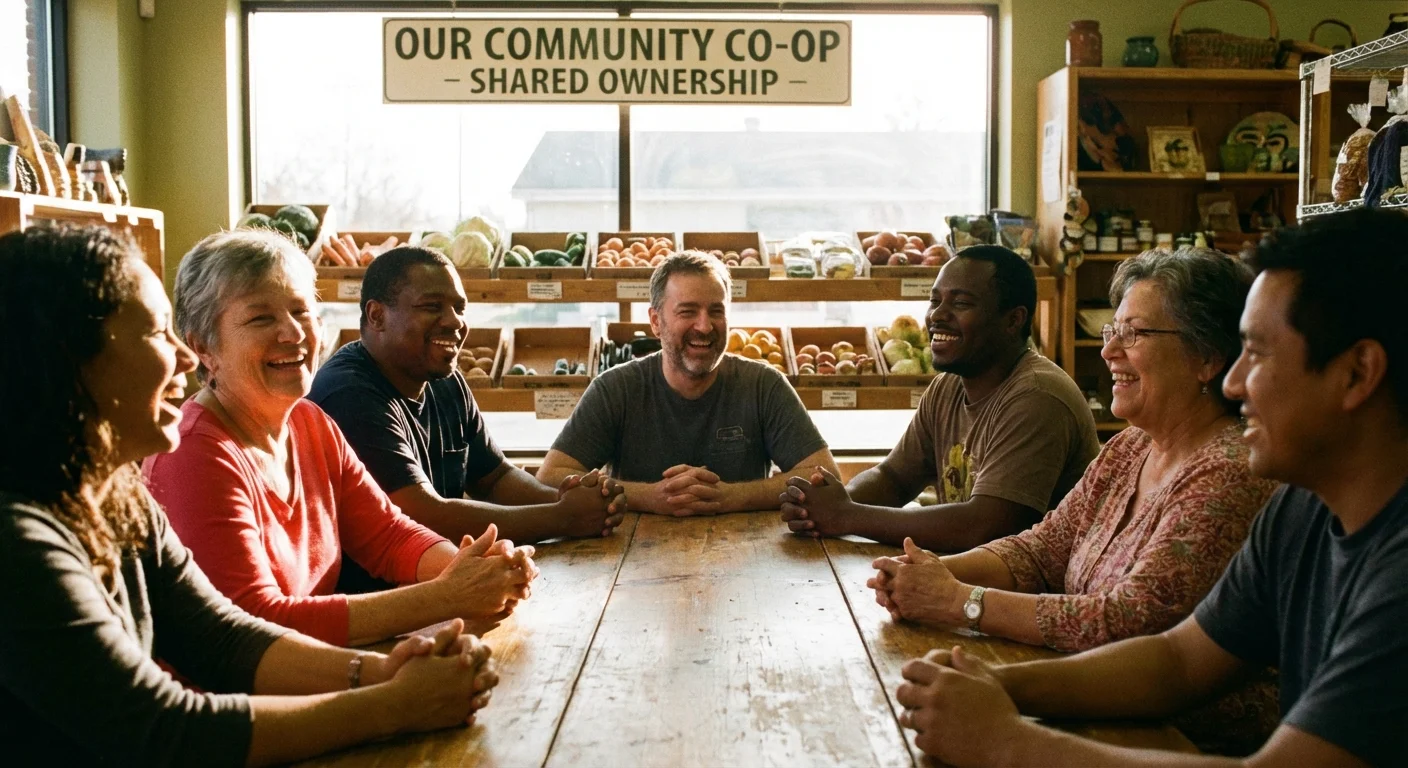
A food cooperative is not just a store; it is a business owned and governed by the people who shop there. When you join, you usually pay a one-time equity investment—often ranging from $50 to $200—which grants you a share of ownership. Unlike a Costco membership, which is an annual fee you never see again, this equity is often refundable if you choose to leave the co-op. This ownership structure changes the store’s motivation; rather than maximizing profit, the co-op seeks to provide the best possible goods at the lowest sustainable prices for its owners.
You will encounter two primary types of co-ops: retail storefronts and buying clubs. Retail co-ops look like traditional grocery stores but emphasize local sourcing and bulk bins. Buying clubs are more decentralized; members pool their money to order directly from wholesalers like United Natural Foods (UNFI), then meet at a designated garage or community center to divide the shipment. If your primary goal is finding organic food on a budget, these buying clubs often offer the steepest discounts because they eliminate the overhead of a physical storefront.
Price Comparison: Food Co-op vs. Grocery Store
To determine if a co-op is cheaper, you have to look at specific “baskets” of goods. If you buy processed, name-brand snacks and soda, the supermarket will win every time. However, if your diet focuses on whole foods, grains, and organic produce, the co-op frequently takes the lead. The following table illustrates how prices typically stack up across different categories based on national averages for organic-leaning households.
| Product Category | Big Chain Supermarket (Organic) | Local Food Co-op | Winner for Budget |
|---|---|---|---|
| Bulk Grains/Legumes (per lb) | $2.49 – $3.99 (Packaged) | $1.15 – $1.85 (Bulk Bin) | Food Co-op |
| Local Seasonal Produce | $3.99 (Premium Pricing) | $2.50 (Direct Sourcing) | Food Co-op |
| Name-Brand Cereal/Soda | $4.50 (Frequent Sales) | $6.25 (Lower Volume) | Supermarket |
| Spices (per ounce) | $4.00 – $7.00 (Glass Jar) | $0.50 – $1.50 (Bulk) | Food Co-op |
| Household Cleaning Supplies | $6.00 (Standard) | $8.50 (Specialty/Eco) | Supermarket |
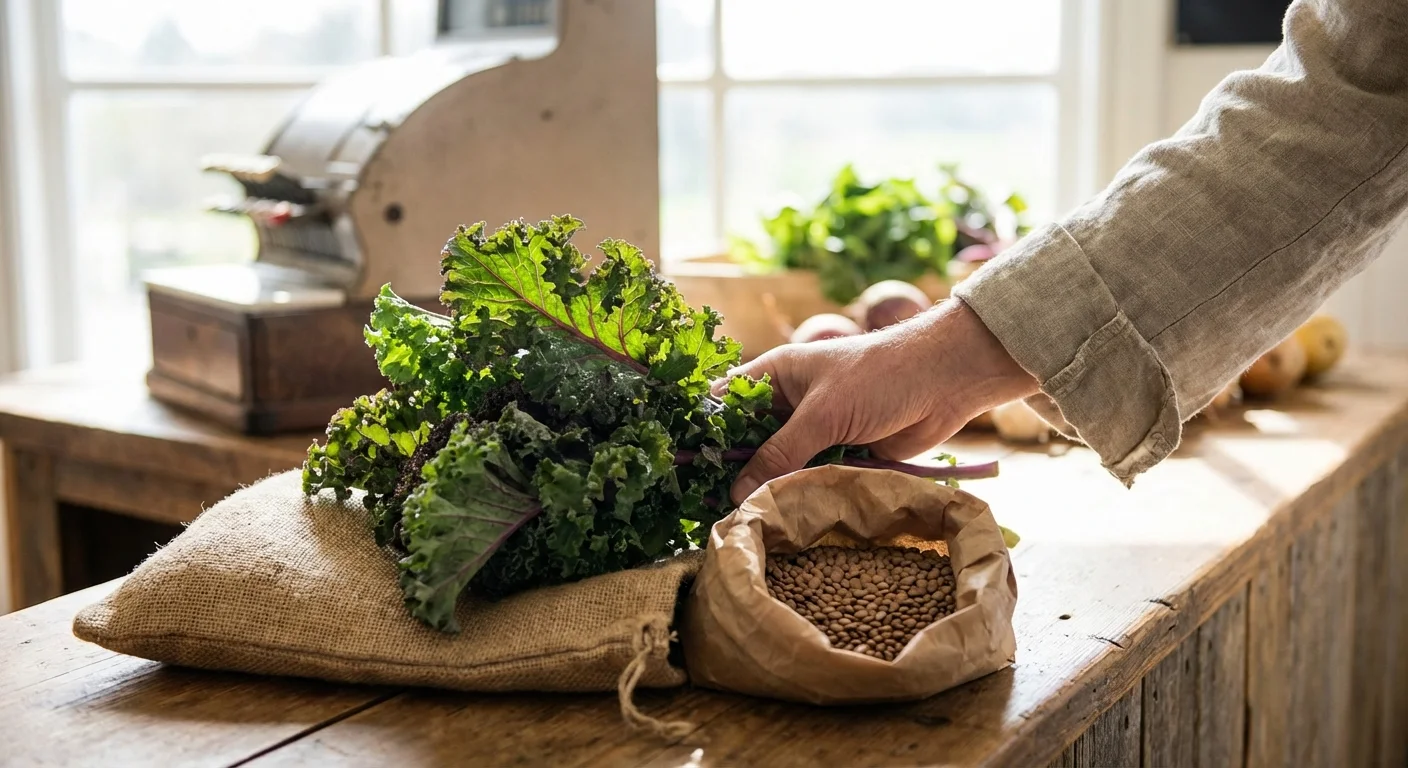
The co-op’s greatest weapon is the bulk section. By removing packaging, shipping weight, and branding costs, co-ops allow you to buy exactly what you need. If a recipe calls for two tablespoons of smoked paprika, you can buy exactly that for pennies at a co-op, whereas a supermarket forces you to buy a $6 jar that will eventually lose its potency in your pantry.
“It’s not your salary that makes you rich, it’s your spending habits.” — Charles A. Jaffe

The “Sweat Equity” Secret to 20% Discounts
Many cooperatives offer a unique way to lower your bill that no traditional supermarket would ever consider: working for your discount. This is often called a “working member” program. By volunteering just two to four hours of your time per month—stocking shelves, bagging groceries, or even helping with administrative tasks—you can unlock a significant across-the-board discount. These discounts typically range from 10% to 25%.
Think about the math of this arrangement. If your monthly grocery bill is $600 and you receive a 20% working-member discount, you save $120 for a four-hour shift. That effectively values your time at $30 per hour, tax-free. For many families, this is the single most effective way to afford high-quality organic meat and produce that would otherwise be out of reach. Check the USDA Food & Nutrition resources to see how community-supported agriculture and co-ops help bridge the gap for families looking for nutrient-dense options on a tight budget.
Buying Clubs: The Purest Way to Save
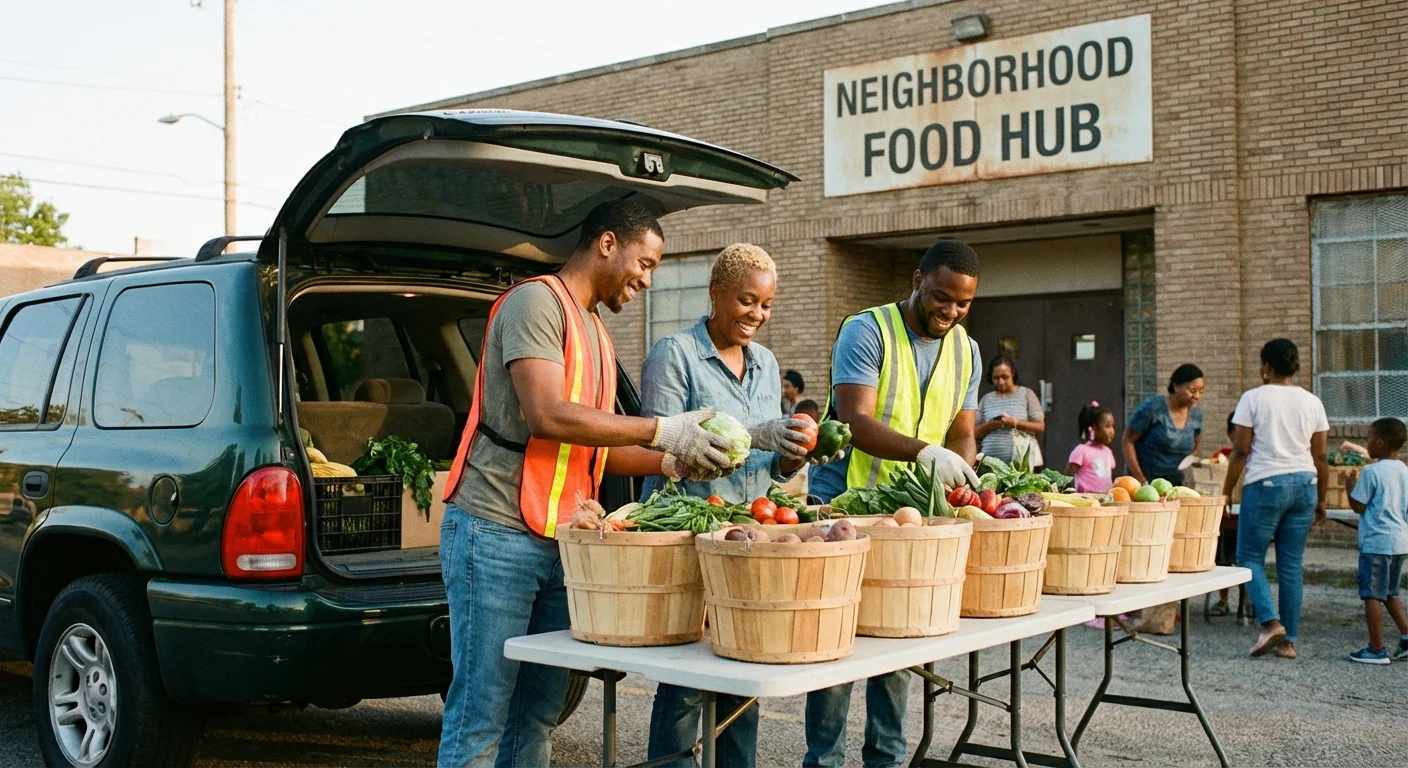
If you have a group of like-minded friends or neighbors, you can bypass the retail markup entirely by forming or joining a buying club. These clubs act as “mini-wholesalers.” You order items by the case—think 25-pound bags of flour, cases of canned beans, or gallons of olive oil. Because you are performing the labor of sorting and distributing the food yourselves, the savings are massive.
According to data from various cooperative development centers, buying clubs can save members 30% to 50% compared to retail prices for the same organic goods. The trade-off is convenience. You must be organized, you need storage space for bulk items, and you cannot “pop in” for a missing ingredient on a Tuesday night. However, if you are serious about long-term savings, the buying club model is the gold standard for high-volume households.

Hidden Financial Benefits of Co-op Membership
Beyond the price on the shelf, co-ops offer two financial perks that supermarkets don’t: patronage dividends and case discounts. Because you are an owner, the co-op’s surplus profit at the end of the year doesn’t go to Wall Street; it gets returned to the members. If the co-op has a good year, you might receive a check for a percentage of what you spent at the store over the previous 12 months.
Furthermore, most co-ops allow members to special-order cases of products at a deep discount, often 10% to 15% above wholesale cost. If your family goes through a case of almond milk or organic pasta every month, ordering it through the co-op rather than buying individual units at the supermarket can save you hundreds of dollars annually. For more tips on managing your household cash flow to accommodate bulk purchases, the Consumer Financial Protection Bureau (CFPB) provides excellent budgeting tools and guides.

Costly Mistakes to Avoid at the Co-op
While the potential for savings is high, many new co-op members end up spending more than they intended because they fall into common traps. You must shop with a strategy to make the co-op model work for your budget.
- The “Halo Effect” Overspending: Just because a product is sold at a co-op doesn’t mean it is a bargain. Many co-ops carry artisanal, local cheeses or small-batch chocolates that are significantly more expensive than standard versions. Treat these as luxuries, not staples.
- Ignoring the Unit Price: Always look at the price per ounce or per pound. Sometimes a “member sale” at the co-op is still more expensive than a regular price at a discount grocer like Aldi or Lidl.
- Buying Too Much Bulk: The bulk bins are only a deal if you actually use the product. Buying five pounds of quinoa because it’s on sale is a waste of money if it sits in your pantry for two years until it goes rancid.
- Forgetting the Membership Fee: If you only shop at the co-op once every three months, the $100 equity investment might not be worth the small savings you gain. Calculate your “break-even” point based on your expected monthly spend.

Where the Supermarket Still Wins
You should not abandon the traditional supermarket entirely if your goal is maximum efficiency. Large chains have “economies of scale” that a local co-op cannot touch. You will almost always find better deals at a supermarket for the following:
1. Loss Leaders: Supermarkets often sell staples like milk, bread, and eggs at or below cost just to get you in the door. Co-ops rarely have the margin to do this.
2. Private Label (Store Brands): The “Great Value” or “365” brands are produced in such massive quantities that they are nearly impossible to beat on price, even by a co-op’s bulk section.
3. Coupons: Most co-ops do not accept manufacturer coupons for national brands because they don’t carry many of those brands to begin with. If you are a dedicated couponer, the supermarket is your natural habitat.
The smartest strategy for most Americans is a “hybrid” approach. Use the supermarket for your household paper goods, cleaning supplies, and non-organic staples. Use the food co-op for your spices, grains, nuts, and seasonal organic produce. This allows you to leverage the strengths of both systems.

Skip DIY When…
You might consider starting your own buying club or joining a board of directors at a co-op to influence pricing, but you should skip the “hands-on” approach in specific scenarios. If you are currently working 60+ hours a week or dealing with a medical crisis, the time-intensive nature of a “working membership” or a buying club will likely lead to burnout rather than savings. In these cases, your time is more valuable than the 15% discount. Similarly, if you do not have a dedicated pantry or basement space for bulk storage, buying in large quantities can lead to pest issues or food waste, which quickly erases any financial gains.

How to Audit Your Local Co-op
Before you hand over your equity investment, perform a “price audit.” Take a list of the ten items you buy most frequently—perhaps oats, coffee, apples, chicken breast, and milk. Visit the co-op and write down the prices for the versions of those items you would actually buy (organic vs. conventional). Compare those to your local grocery store prices. If the co-op is more than 10-15% higher and you aren’t interested in the working-member discount, the membership may be more of a “social investment” than a financial one.
However, remember to look at the “hidden” value. Does the co-op produce last longer? Because co-ops often source from local farms, the produce is frequently fresher and has a longer shelf life in your fridge than produce that spent a week on a truck from California. If you throw away 20% less food because it’s fresher, that is a direct 20% savings on your grocery bill.

Is a Food Co-op Right for You?
To summarize the decision-making process, consider your shopping habits. If you value knowing where your food comes from, prefer to buy in bulk to reduce waste, and are willing to trade a small amount of your time for significant discounts, a food co-op is likely a winning financial move. If you prioritize convenience, name-brand processed foods, and the lowest possible price on conventional staples, you are better off sticking with discount supermarket chains.
The goal isn’t to find the “perfect” store, but to be intentional with your spending. By moving even a portion of your shopping—specifically spices, grains, and seasonal produce—to a cooperative model, you gain more control over your food supply and keep more of your hard-earned money in your local economy rather than sending it to a corporate headquarters across the country.
“A penny saved is a penny earned.” — Benjamin Franklin
Frequently Asked Questions
Do I have to be a member to shop at a food co-op?
In most cases, no. Most retail food co-ops are open to the general public. However, non-members usually pay a slightly higher price (often a 5-10% surcharge) and do not receive the annual patronage dividend or access to special-order discounts.
What happens to my membership fee if I move?
Most cooperatives treat your membership fee as “equity.” If you move or decide you no longer want to be a member, you can typically request a refund of your equity, though the specific bylaws of each co-op vary. Some may require a waiting period before the funds are released.
Are food co-ops only for organic food?
While many co-ops focus on organic and natural foods, their primary mission is to serve the needs of their members. Some co-ops in “food deserts” focus on providing affordable conventional staples to the community where major chains refuse to open stores.
How do I find a food co-op or buying club near me?
You can use resources like the Clark Howard guide to saving on groceries or search the National Co-op Grocers (NCG) directory to find member-owned stores in your area. For buying clubs, check community bulletin boards or local social media groups.
Take your next trip to the grocery store and bring a notepad. Once you see the price differences in the bulk aisle for yourself, the decision to join a co-op often becomes a simple matter of math. Start by buying just your dry goods in bulk for one month, and watch how it affects your bottom line.
Prices and availability mentioned reflect research at the time of writing and may vary by location and retailer. Your actual savings will depend on your specific situation and shopping habits.
Last updated: February 2026. Prices change frequently—verify current costs before purchasing.






Leave a Reply