Walking into a grocery store in 2025 feels like a high-stakes strategy game where the rules change every week. According to data from the Bureau of Labor Statistics, while general inflation has cooled, the cumulative effect of the last few years means your grocery bill remains one of the largest controllable expenses in your monthly budget. For most American households, the battle for price dominance comes down to three major players: Aldi, Walmart, and the rapidly expanding Lidl.
You want to know which store actually leaves the most money in your pocket. Is the “quarter for a cart” at Aldi truly worth the effort? Does Walmart’s massive scale beat the European discounters on the items you buy every week? Or does Lidl provide a middle ground that balances quality and cost? To find the answer, you must look past the flashy circulars and examine the price-per-unit data on the staples that fill your pantry.
What You’ll Save: The Quick Breakdown
If you are short on time, here is the high-level reality of the grocery landscape this year. While geographic location influences specific prices, these trends hold steady across most U.S. markets:
- Aldi: Generally wins on private-label staples like flour, sugar, and canned goods. You will save the most here if you are willing to switch from national brands to Aldi’s exclusive labels.
- Walmart: Remains the undisputed king for national brands. If you refuse to give up your specific brand of cereal or soda, Walmart almost always beats the European discounters on those specific items.
- Lidl: Often provides the lowest prices on fresh bakery items and organic produce. Their aggressive “Lidl Specials” can occasionally undercut both Aldi and Walmart on rotating seasonal goods.
The Economics of the Discount Model
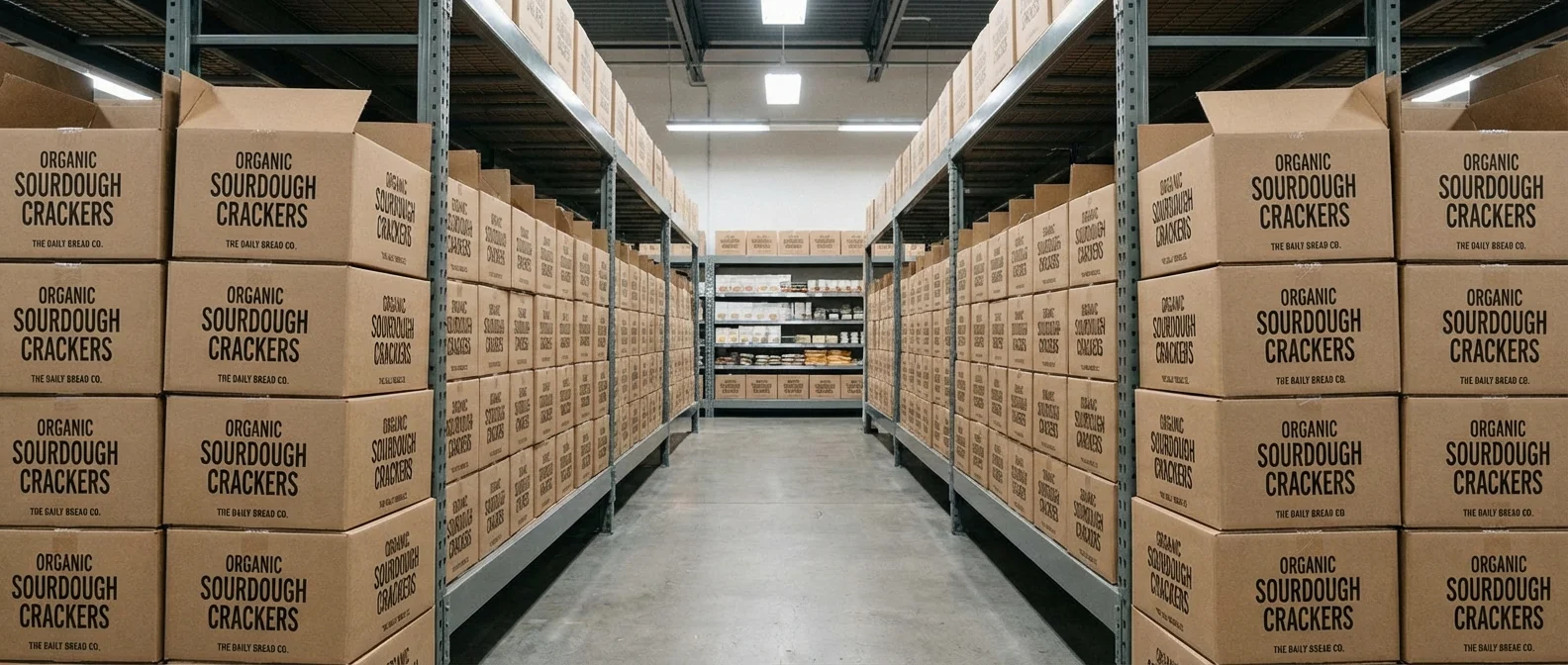
Understanding how these stores keep prices low helps you shop them more effectively. Aldi and Lidl utilize a “limited assortment” model. While a typical Walmart Supercenter might carry 120,000 different products, an Aldi or Lidl usually carries closer to 2,000. By limiting the number of items, they increase their buying power for each individual product. They aren’t buying ten types of peanut butter; they are buying massive quantities of one type, allowing them to negotiate significantly lower prices from suppliers.
Walmart operates on the principle of “Everyday Low Prices” (EDLP). They use their massive global supply chain and logistics network to squeeze every penny out of the distribution process. Because they own their trucks and often control the manufacturing process of their “Great Value” brand, they can maintain price stability even when competitors fluctuate. However, the sheer size of a Walmart store creates higher overhead costs—lighting, staffing, and maintenance—which must be accounted for in the pricing of certain goods.
“It’s not your salary that makes you rich, it’s your spending habits.” — Charles A. Jaffe
Head-to-Head: The 2025 Grocery Price Comparison
To determine the true winner, we compared a basket of 15 common household items. These prices represent the private-label (store brand) versions of each item to ensure an apples-to-apples comparison. Note that prices vary by region, but the ratios between the stores remain remarkably consistent.
| Item (Private Label) | Aldi Price | Walmart Price | Lidl Price |
|---|---|---|---|
| Milk (1 Gallon, Whole) | $3.15 | $3.28 | $3.12 |
| Eggs (1 Dozen, Large) | $2.05 | $2.12 | $1.99 |
| Bread (White Sandwich) | $1.25 | $1.32 | $1.20 |
| Chicken Breast (1 lb) | $2.69 | $2.97 | $2.65 |
| Butter (1 lb, Salted) | $3.45 | $3.98 | $3.50 |
| Bananas (per lb) | $0.48 | $0.52 | $0.46 |
| Pasta (16 oz Spaghetti) | $0.95 | $0.98 | $0.92 |
| Peanut Butter (16 oz) | $1.85 | $1.94 | $1.89 |
| Canned Beans (15 oz) | $0.79 | $0.82 | $0.79 |
| Rice (5 lb White) | $3.10 | $3.44 | $3.20 |
| Coffee (12 oz Ground) | $4.25 | $4.88 | $4.40 |
| Frozen Pizza (Pepperoni) | $3.50 | $3.97 | $3.65 |
| Olive Oil (16.9 oz) | $5.45 | $6.12 | $5.50 |
| Paper Towels (6 Roll) | $6.50 | $7.22 | $6.75 |
| Shredded Cheese (8 oz) | $2.15 | $2.22 | $2.10 |
| Total Basket Cost | $41.61 | $45.06 | $42.12 |
In this direct comparison, Aldi takes the lead as the overall cheapest for a standard basket of goods, though Lidl is breathing down its neck. Walmart trails the discounters by roughly 8% on store-brand items. However, the “cheapest” store for you depends entirely on what you put in your cart and how you shop.
Where Walmart Wins: The National Brand Advantage
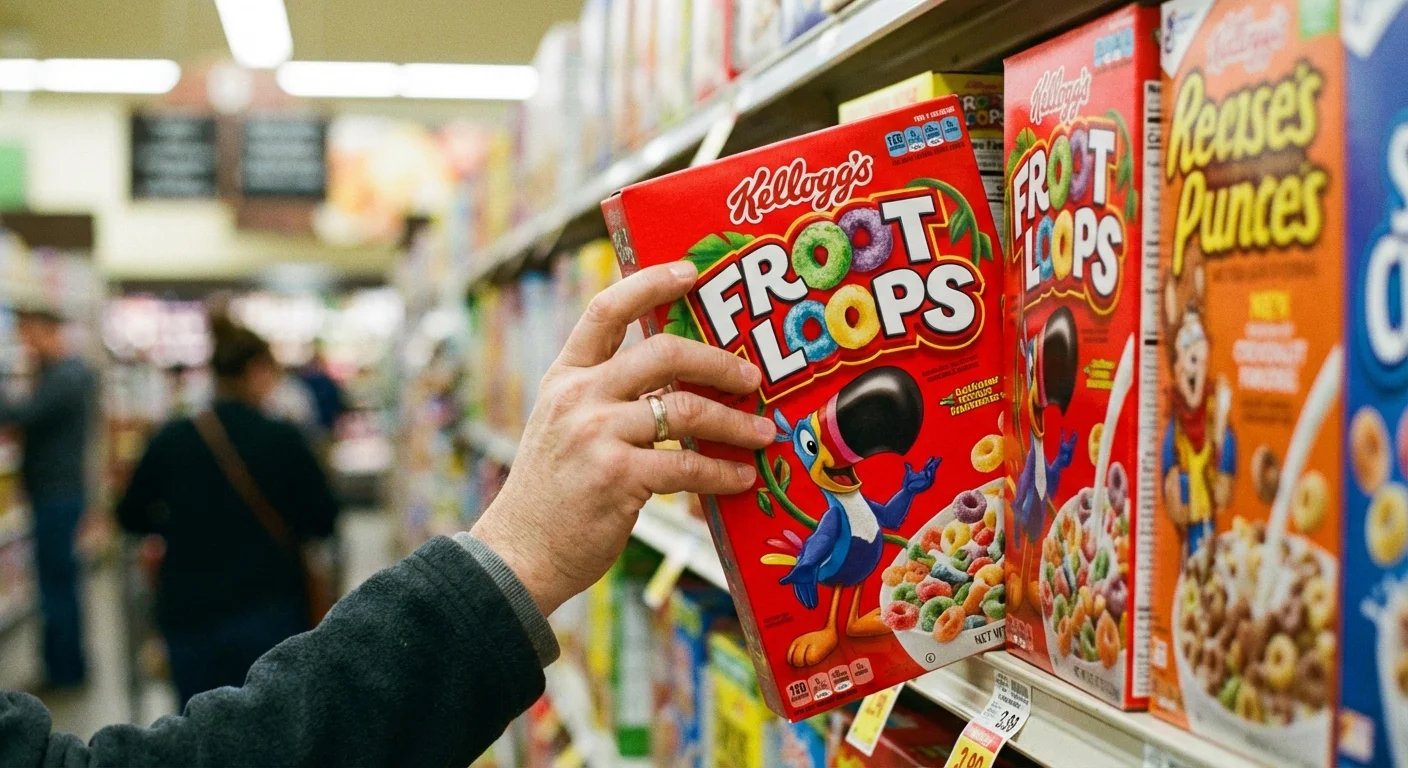
If your household is loyal to specific brands—think Tide, Oreos, or Coca-Cola—Walmart is almost certainly your best bet. Aldi and Lidl carry very few national brands, and when they do, they are often “special buys” that aren’t consistently stocked. Walmart’s ability to sell national brands at high volumes allows them to offer prices that even specialized discounters can’t match.
Furthermore, Walmart’s inventory depth is a major factor. If you need a specific type of gluten-free pasta, a particular shade of hair dye, and a specific brand of dog food, you can find them all at Walmart. Shopping at Aldi or Lidl often requires a “supplemental trip” to another store to find the items they don’t carry, which costs you gas and time. You should factor in your local gas prices when deciding if driving to two stores is worth a $4 savings.
The Aldi Strategy: Efficiency Over Everything
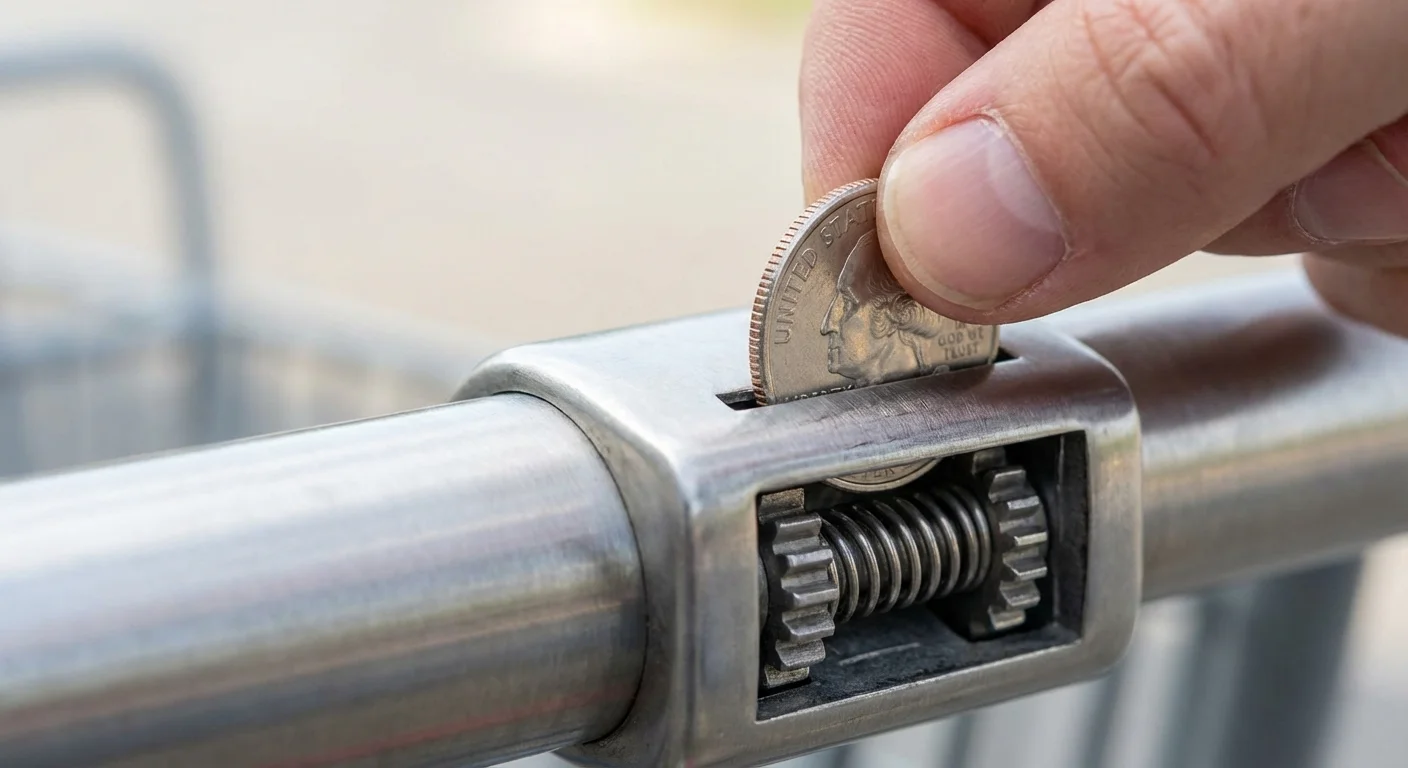
Aldi’s low prices aren’t magic; they are the result of extreme operational efficiency. You see this in several ways that might initially frustrate a new shopper. First, the quarter-deposit for shopping carts ensures that employees don’t have to spend hours gathering carts from the parking lot. Second, their products are displayed in their original shipping boxes. This eliminates the labor cost of “facing” shelves item-by-item.
The biggest savings at Aldi come from their private labels. Brands like Friendly Farms, Simply Nature, and Mama Cozzi’s are designed to mimic national brands at a fraction of the cost. In many cases, these products are manufactured by the same companies that produce name-brand goods. If you can move past the packaging, you can slash your bill by 20% to 30% simply by choosing the Aldi version of a product.
Lidl: The Quality Challenger
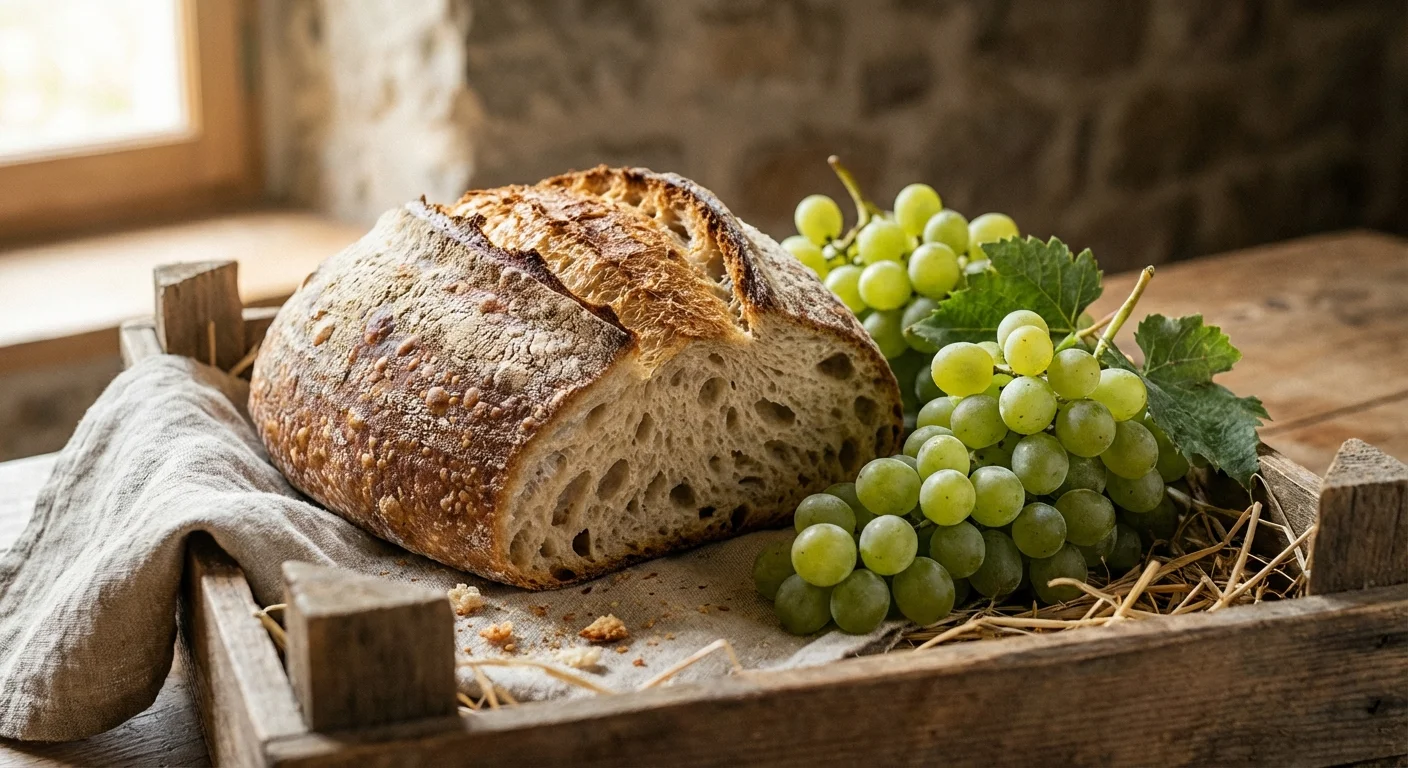
Lidl is the newer entrant in many U.S. markets, but they are carving out a niche by offering a slightly more “premium” feel than Aldi while maintaining discount prices. Their standout feature is almost always the bakery. Most Lidl locations feature an in-store bakery with fresh croissants, pretzels, and loaves of bread that are significantly cheaper and higher quality than the pre-packaged options at Walmart or Aldi.
Lidl also excels in the organic space. Their “Lidl Organic” line is often priced lower than Walmart’s “Great Value Organic” line. If your priority is healthy, organic eating on a budget, Lidl should be your primary destination. They also use a highly effective app-based loyalty program (Lidl Plus) that offers “buy-one-get-one” deals and percent-off coupons that can bring their total basket cost below Aldi’s during promotional periods.
Where People Overspend
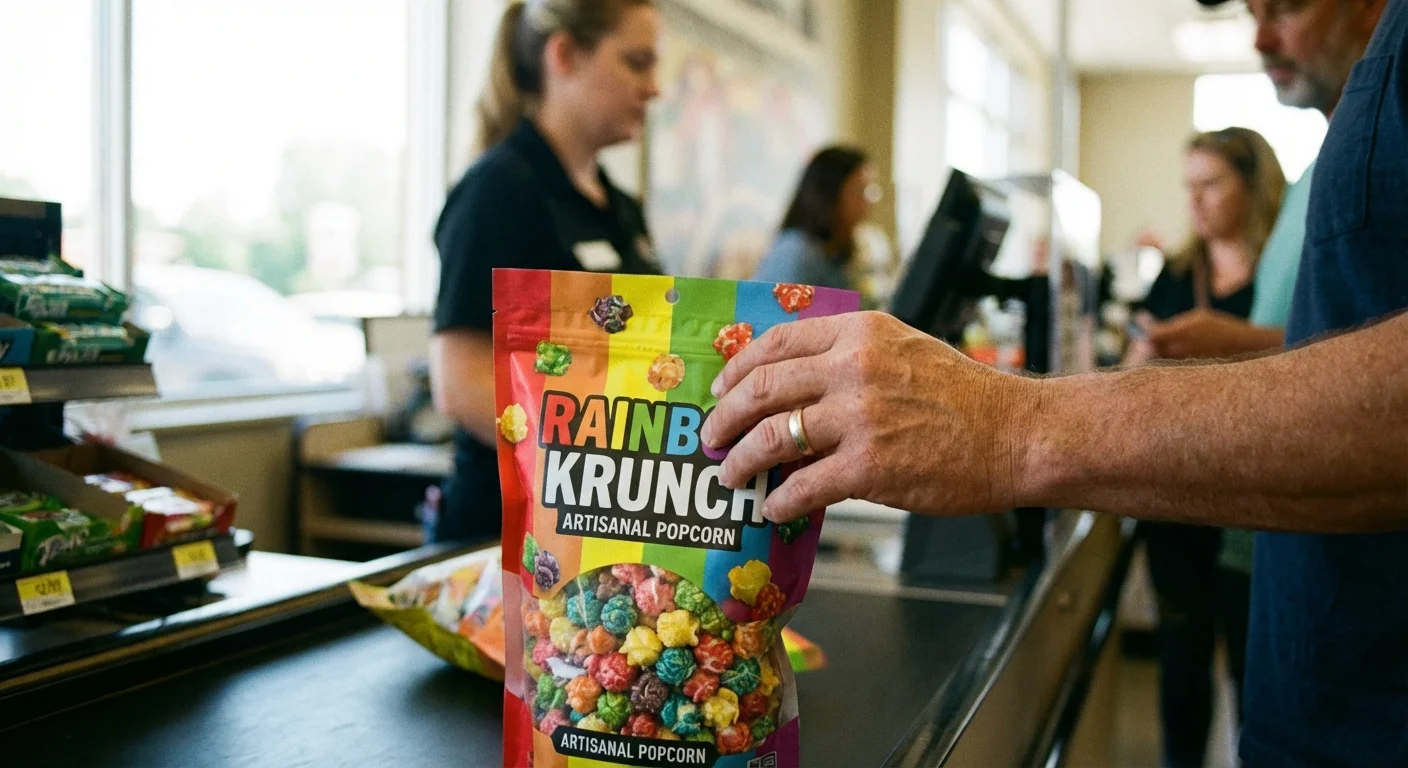
Even at the cheapest stores, you can easily blow your budget if you aren’t careful. Retailers use specific psychological triggers to encourage impulse spending. At Aldi and Lidl, the biggest trap is the “Middle Aisle” (often called the Aisle of Shame by enthusiasts). These are rotating “special buys” that range from air fryers to garden tools to children’s toys.
Because these items are “limited time only,” they create a sense of urgency. You might go in for milk and leave with a $40 weighted blanket you didn’t know you needed. To avoid this, you must stick strictly to your list. Walmart has its own traps, specifically the “End Cap” displays and the sheer convenience of non-grocery items. It is very easy to add a $15 shirt or a $20 electronic accessory to your cart at Walmart, negating all the savings you found on your groceries.

The “Hidden Costs” of Each Store
When calculating which store is the cheapest, consider the value of your time. This is a legitimate economic factor.
- Time Costs: An Aldi trip is usually fast. The stores are small, and the checkout process is notoriously quick (cashiers scan items at a blistering pace). A Walmart trip can easily take twice as long due to the store’s size and potentially longer lines.
- Bagging Costs: Both Aldi and Lidl require you to bring your own bags or buy them at the register. You also have to bag your own groceries. This might only cost you $0.50 to $1.00 per trip, but it is an added expense and effort that Walmart (usually) handles for you.
- Availability: Lidl’s footprint is still largely concentrated on the East Coast. If you have to drive 20 miles to save $5 on groceries, you are losing money. Use tools like Google Maps to calculate the true cost of the commute to each store.
Strategies for Maximizing Your Savings
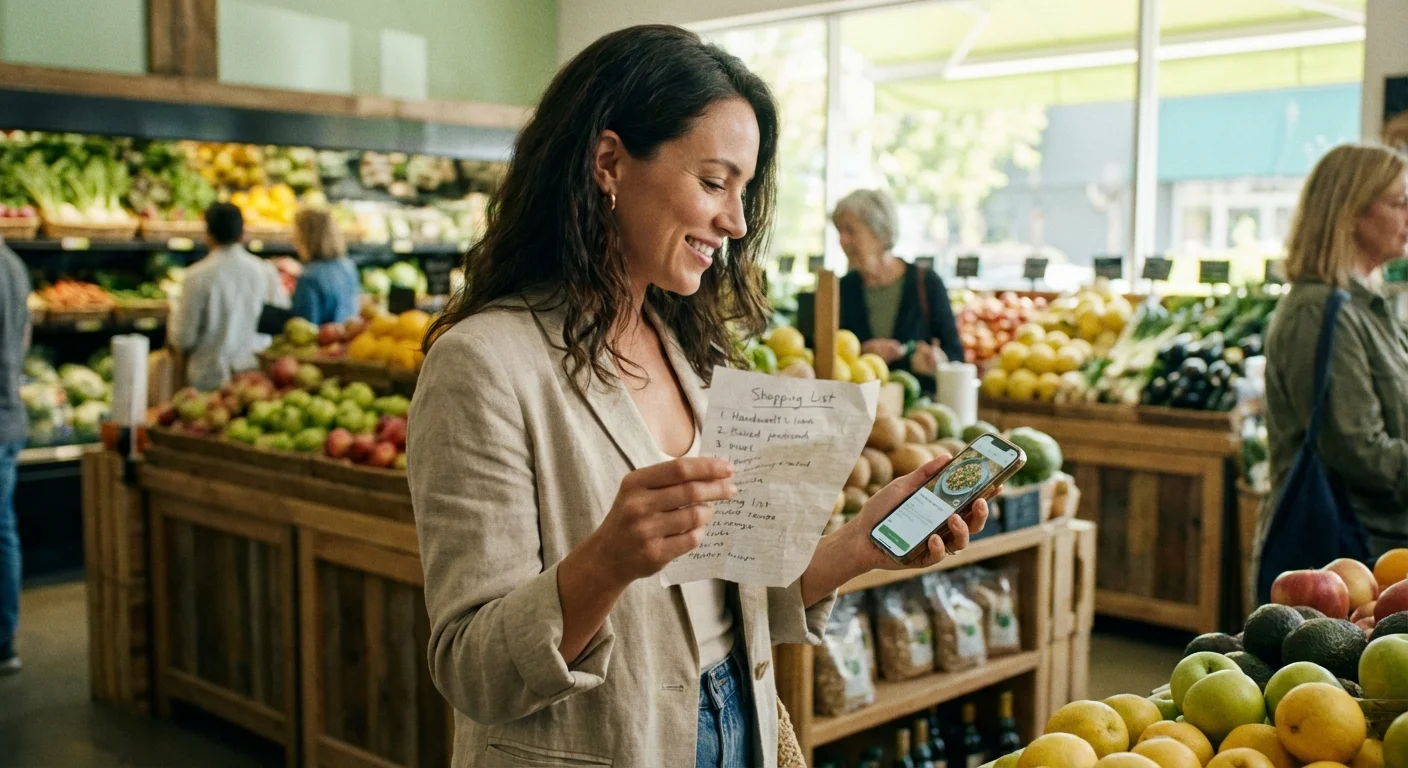
To get the absolute lowest prices in 2025, you should consider a hybrid shopping approach. You don’t have to be loyal to just one store. Instead, use each for its specific strengths:
- The Monthly Bulk Run: Go to Walmart for your household essentials that don’t spoil—toilet paper, cleaning supplies, and specific national-brand snacks or toiletries.
- The Weekly Staple Run: Visit Aldi for your dairy, eggs, canned goods, and baking supplies. The savings here are consistent and significant.
- The Fresh Hunt: If you have a Lidl nearby, use them for your fresh produce, meat, and bakery items. Their rotating “Super Deals” on meat can offer some of the lowest price-per-pound points in the industry.
Additionally, check the USDA’s nutritional guidelines to ensure that while you are cutting costs, you aren’t cutting quality. Often, the store brands at Aldi and Lidl have fewer artificial ingredients than their national-brand counterparts because European regulations (where these stores originated) are stricter regarding food additives.
“Beware of little expenses; a small leak will sink a great ship.” — Benjamin Franklin
The Role of Technology in Comparison Shopping
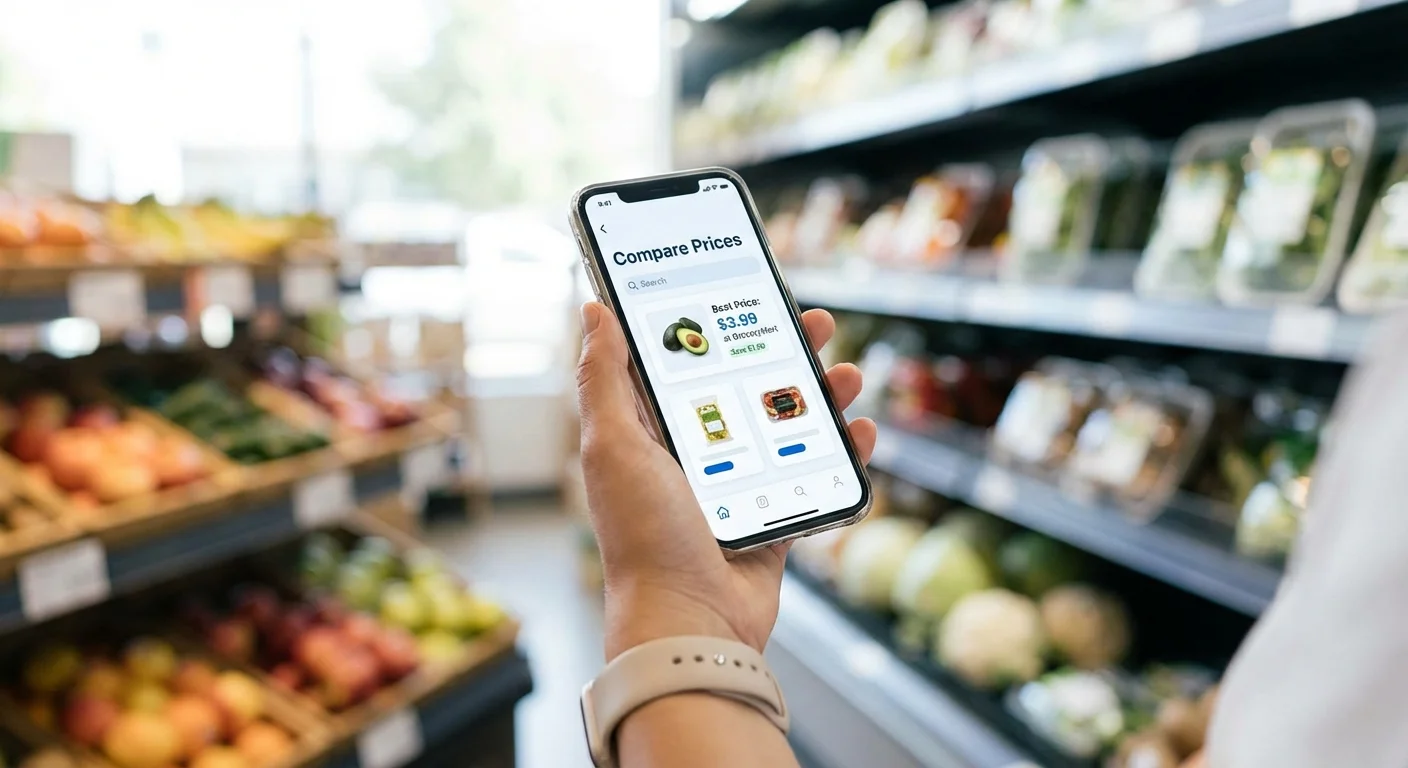
In 2025, you have more tools than ever to track prices. Most grocery apps now allow you to build a cart and see the total before you ever leave your house. Before you head out, take five minutes to check the prices on the five most expensive items on your list (usually meat, coffee, and paper products) across the Walmart and Lidl apps. This small habit can save you $10 to $20 per week.
Don’t ignore cashback apps like Ibotta or Fetch Rewards. While these apps primarily offer rebates on national brands (favoring Walmart shoppers), they are increasingly offering “any brand” rebates on staples like milk and bread. Integrating these can tip the scales of which store is truly the cheapest for your specific household.
FAQ: Making the Right Choice for Your Wallet
Is Aldi’s quality lower because the prices are so low?
No. In many cases, Aldi’s private labels perform as well as or better than national brands in blind taste tests. Much of their cost savings comes from packaging and labor efficiency, not from lower-quality ingredients. Organizations like Consumer Reports frequently rank Aldi highly for both value and quality.
Does Walmart price-match Aldi or Lidl?
As of 2025, Walmart does not officially price-match competitors at the register. However, they do monitor competitor prices aggressively and adjust their “Great Value” pricing to stay competitive in markets where Aldi and Lidl have a strong presence.
Which store is best for organic and specialty diets (Keto, Gluten-Free)?
Aldi and Lidl are surprisingly strong in this area. Aldi’s “LiveGfree” brand is one of the most affordable gluten-free lines on the market. Lidl offers a wide range of organic produce that often undercuts Walmart’s organic prices. Walmart has the largest variety of specialty items, but the discounters usually have the best prices on the basics within those categories.
Are the meats at discount stores safe and high-quality?
Yes. All meat sold in these stores must meet USDA inspection standards. Lidl, in particular, has made a push to offer more grass-fed and antibiotic-free options. The main difference is that these stores may have a smaller selection of cuts compared to the full-service meat counter at a traditional grocery store.
Your Action Plan for Next Week
To find your personal “cheapest” store, perform a one-week experiment. Take your standard grocery list and price it out at the store you usually visit. Then, take that same list and visit the nearest Aldi or Lidl. Do not buy extra impulse items—just stick to the list.
Compare the totals. If the difference is more than $15, the switch is likely worth the effort. For many families, shifting just 70% of their shopping to a discounter like Aldi or Lidl results in an annual savings of over $1,500. That is money that could be redirected toward high-interest debt, an emergency fund, or a much-needed vacation.
Start small. If you are intimidated by the “Aldi experience,” just go for your dry goods first. Once you see the savings on your receipt, you will likely find the motivation to navigate the cart quarters and the self-bagging. The goal is intentionality. When you control where your money goes, you take the power back from inflation.
Prices and availability mentioned reflect research at the time of writing and may vary by location and retailer. Your actual savings will depend on your specific situation and shopping habits.
Last updated: February 2025. Prices change frequently—verify current costs before purchasing.






Leave a Reply