
You open your utility bill and feel that familiar sting. Whether it is a sweltering July or a freezing January, energy costs often feel like an uncontrollable tax on your existence. According to the Bureau of Labor Statistics, the average American household spends over $4,000 annually on utilities and fuels; yet, a significant portion of that money literally vanishes through cracks in your window frames and outdated habits. You do not need a degree in engineering or a thousand dollars in high-tech sensors to stop the bleeding. In the time it takes to drink a cup of coffee, you can perform a comprehensive, free home energy audit that identifies the “low-hanging fruit” of savings.
Efficiency is not about living in the dark or shivering under three blankets to save a nickel. It is about intentionality. When you optimize how your home uses power, you keep more of your hard-earned money in your pocket without sacrificing comfort. Let’s walk through your home, room by room, and hunt down the inefficiencies that are bloating your monthly expenses.
“Beware of little expenses; a small leak will sink a great ship.” — Benjamin Franklin

The Visual Perimeter Check: Hunting for Air Leaks
The most common source of energy loss is air infiltration. Your HVAC system works hard to condition the air inside your home—only for that expensive, climate-controlled air to escape through gaps you cannot see. Start your 15-minute audit by walking to your front door. If you can see daylight through the bottom or sides of the frame, you are essentially paying to air condition the neighborhood. Check the “weep holes” in your window tracks and the seals around your sliding glass doors; over time, weatherstripping compresses and loses its effectiveness.
You can identify these leaks using a simple DIY trick: the incense or candle test. Turn off your HVAC system and any ceiling fans to keep the air still. Light a stick of incense or a candle and hold it near window frames, door edges, and electrical outlets on exterior walls. If the smoke wafts horizontally or the flame flickers aggressively, you have found a draft. Focus your attention on these areas:
- Baseboards and crown molding: Gaps between the wall and floor often lead directly to unconditioned crawl spaces or attics.
- Attic hatches: Most people forget that the door to their attic is usually just a thin piece of plywood. It acts as a massive chimney, sucking warm air out of your living space in the winter.
- Electrical outlets: If an outlet feels cold to the touch on an exterior wall, it likely lacks an inexpensive foam gasket behind the faceplate.
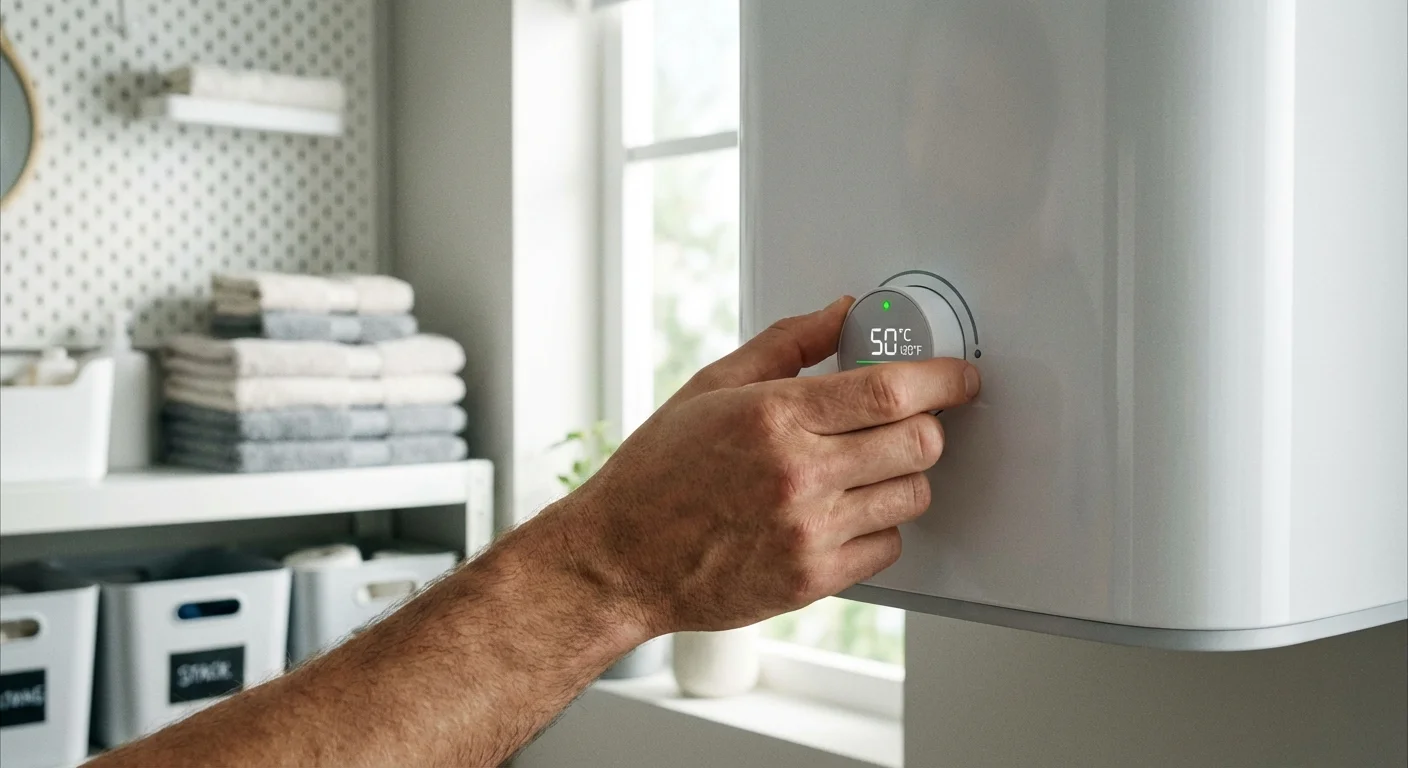
The 120-Degree Rule for Water Heaters
Your water heater is typically the second-largest energy consumer in your home, trailing only your HVAC system. Most manufacturers ship water heaters with a default setting of 140°F. This is unnecessarily hot for almost every household task; it also poses a scalding risk and accelerates mineral buildup in your tank. By turning the thermostat down to 120°F, you can save between 4% and 22% on your water heating costs annually.
This adjustment takes less than two minutes. Locate the thermostat on your unit—electric heaters may have two panels (upper and lower) behind screw-on plates, while gas heaters usually have a visible dial near the bottom. If your dial doesn’t have degree markings, use a thermometer under the kitchen tap at its hottest setting to calibrate it. For every 10-degree reduction in temperature, you save roughly 3% to 5% on your bill. Additionally, feel the outside of your tank. If it is warm to the touch, it is losing “standby heat.” A simple insulating blanket, available at most hardware stores, can pay for itself in less than a year.
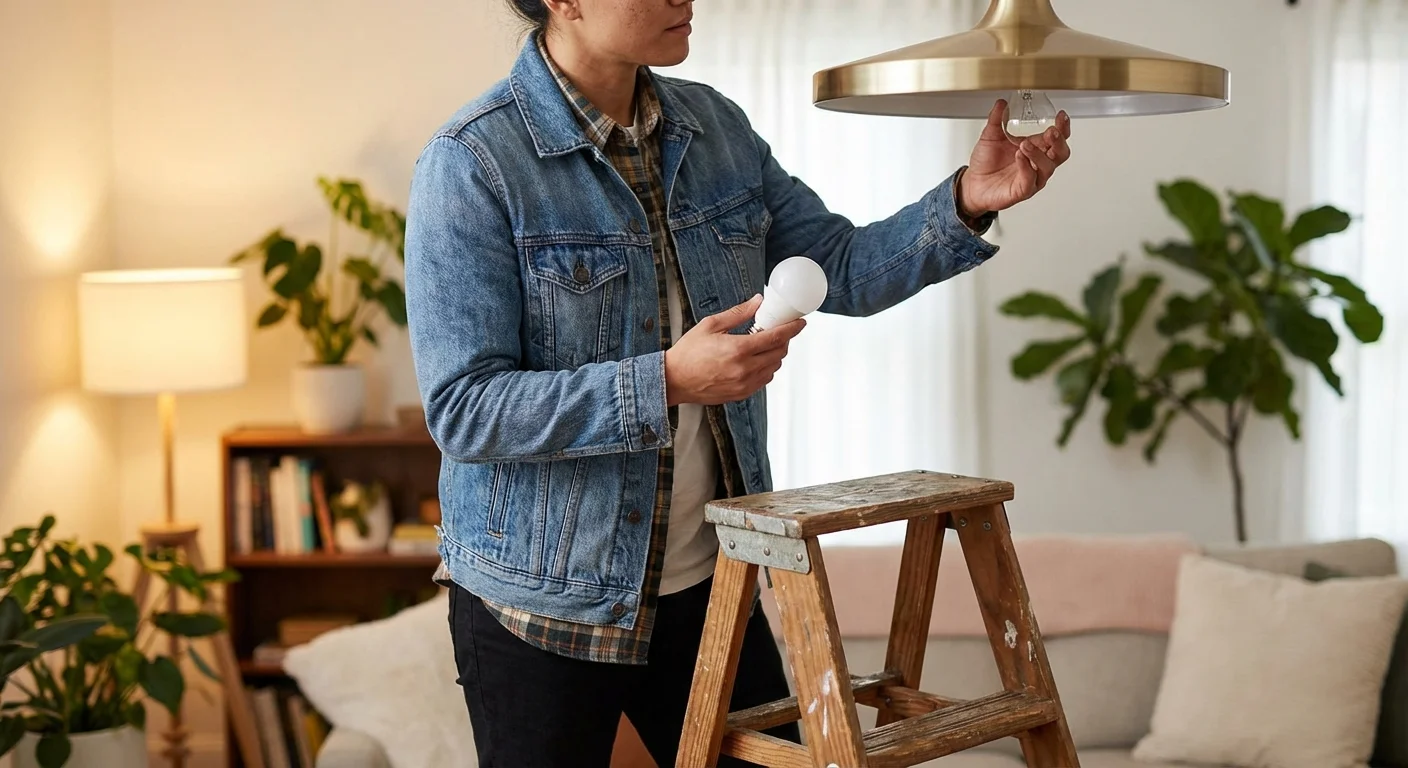
The Lighting Inventory: Stop Paying for Heat
It is time to be honest about your light bulbs. If you are still using old-fashioned incandescent bulbs, you are not just paying for light—you are paying for heat. Incandescent bulbs convert 90% of their energy into heat and only 10% into light. During the summer, these bulbs actually force your air conditioner to work harder to compensate for the heat they generate. Switching to LEDs is the single easiest way to save on electricity without changing your lifestyle.
Walk through your home and count the bulbs in your most-used fixtures (kitchen, living room, and porch). If you find incandescents or even CFLs (the curly bulbs), mark them for replacement. LEDs use 75% less energy and last 25 times longer. The table below illustrates the dramatic difference in operating costs for a single bulb over a year, assuming five hours of use per day at the national average rate of $0.16 per kWh.
| Bulb Type | Wattage (Equivalent) | Annual Operating Cost | Lifespan (Hours) |
|---|---|---|---|
| Incandescent | 60W | $17.52 | 1,000 |
| Halogen | 43W | $12.55 | 2,500 |
| CFL | 15W | $4.38 | 10,000 |
| LED | 9W | $2.63 | 25,000+ |
The math is undeniable. Replacing just ten frequently used 60-watt incandescent bulbs with LEDs saves you approximately $150 per year in electricity costs alone—not to mention the savings from not having to buy replacement bulbs for a decade.
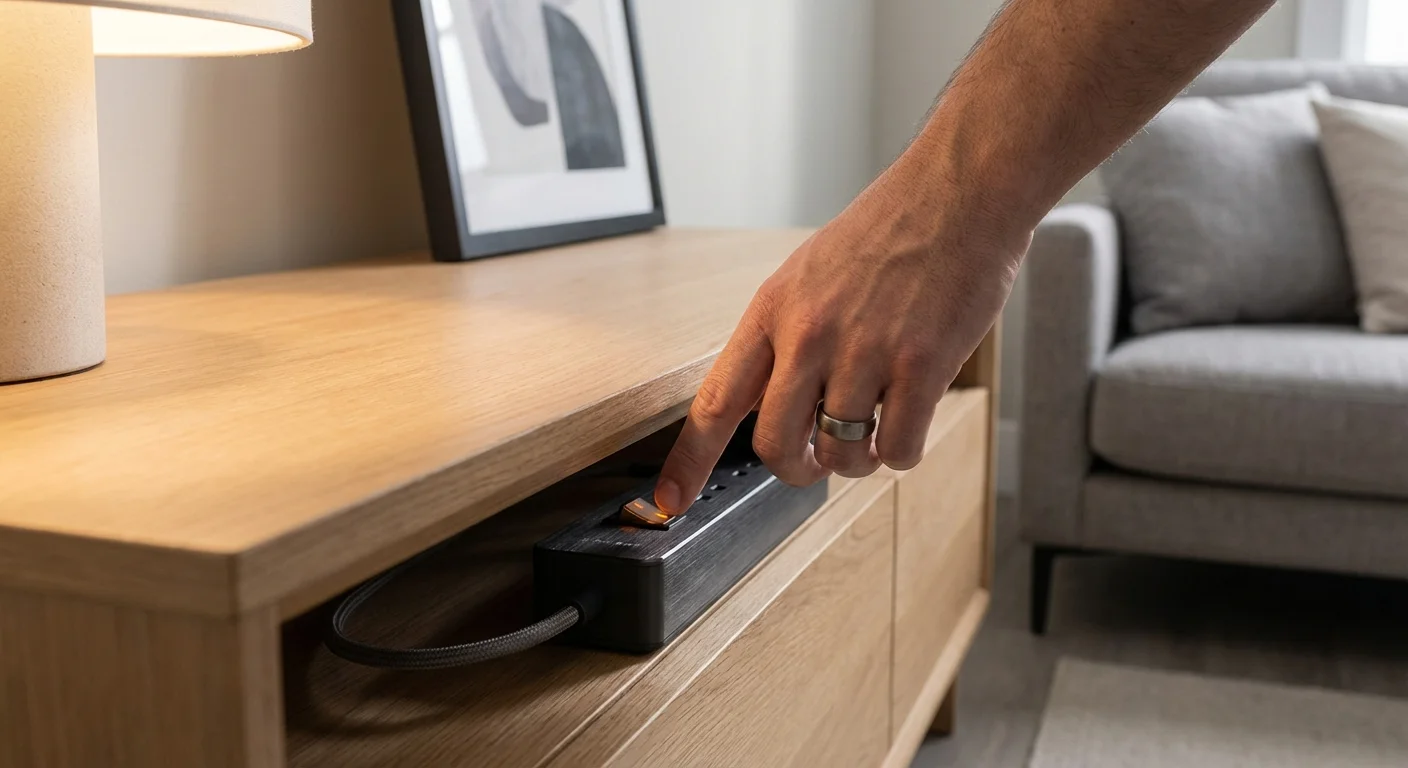
Defeating “Vampire Power” in the Living Room
Even when your electronics are turned “off,” they are often still drawing power. This phenomenon, known as phantom load or vampire power, accounts for about 5% to 10% of residential electricity use according to Energy.gov. Any device with a remote control, a clock display, or an external power brick is a culprit. In your audit, look for these common offenders:
- Video game consoles in “standby” or “instant-on” mode.
- Desktop computers and monitors.
- Toasters, coffee makers, and microwaves with digital clocks.
- Phone and laptop chargers left plugged in without a device attached.
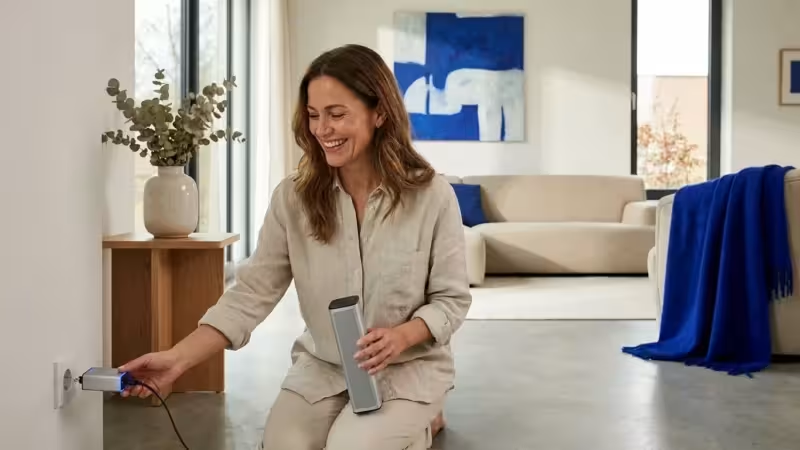
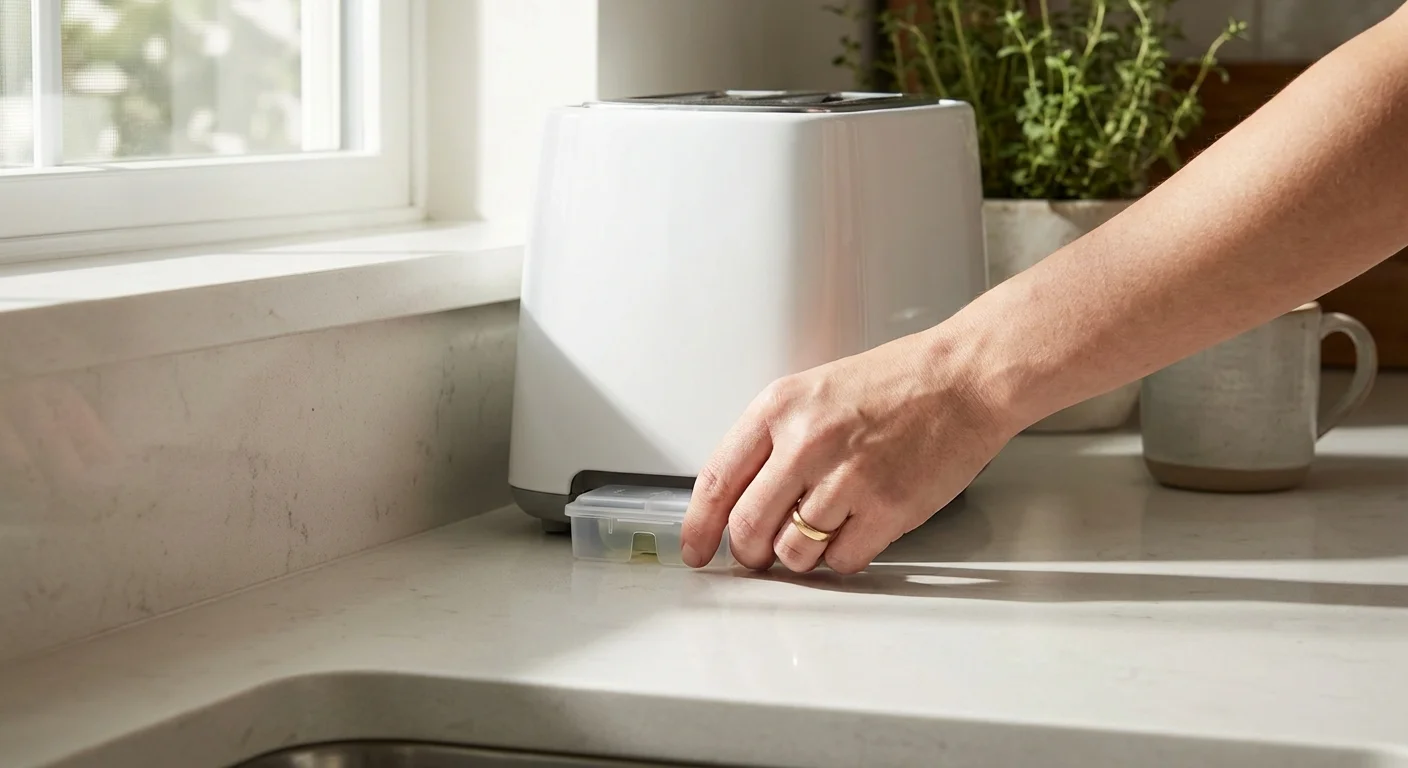
Your action step is simple: use power strips. Group your home theater equipment (TV, soundbar, gaming console) onto one strip. When you go to bed or leave for work, flip the switch. This physically disconnects the devices from the grid, ensuring they draw zero power. For devices you want to keep on a schedule, such as a coffee maker, consider a cheap mechanical timer or a smart plug that cuts power during your sleeping hours.
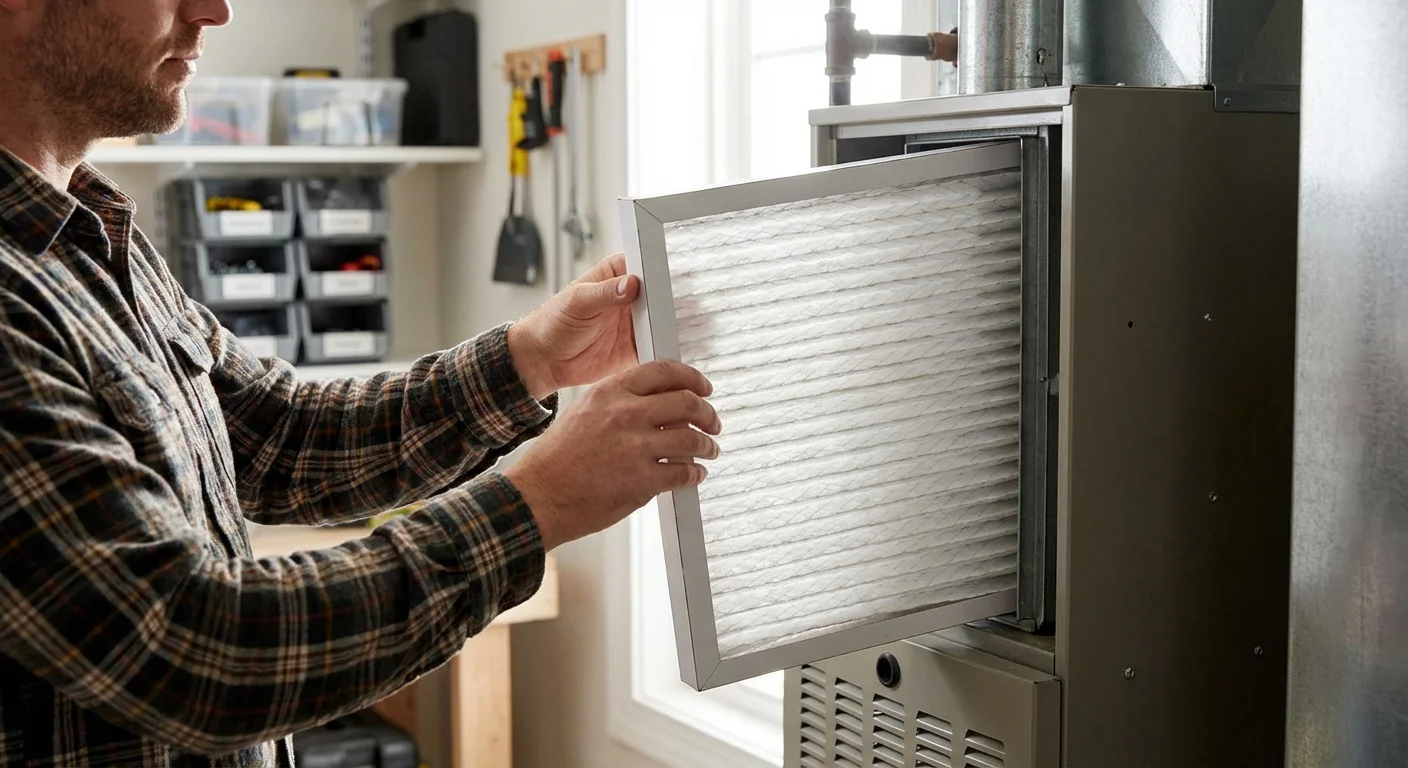
The HVAC Filter and Vent Inspection
Your heating and cooling system is the heart of your home’s energy consumption. When it struggles to breathe, it runs longer and works harder, driving up your bill and shortening the equipment’s lifespan. Check your air filter during this 15-minute walk-through. If it looks gray or furry, replace it immediately. A clogged filter can increase your system’s energy use by 5% to 15%.
Next, look at your vents and registers. A common myth suggests that closing vents in unused rooms saves money. In reality, modern HVAC systems are designed for specific “static pressure.” Closing vents can actually cause the system to operate inefficiently or even damage the compressor. Ensure all supply and return vents are clear of furniture, rugs, and curtains. Blocking a return vent is like trying to run a marathon while breathing through a straw; your system will gasping for air and burning money in the process.

Kitchen and Laundry Habits
The 15-minute audit includes a quick check of your appliance settings. Walk into the kitchen and check your refrigerator temperature. For maximum efficiency and food safety, the fridge should be between 35°F and 38°F, and the freezer should be at 0°F. If your settings are colder than this, you are wasting energy for no benefit. Also, check the coils behind or beneath the fridge. If they are coated in dust, your fridge can’t shed heat efficiently. A quick vacuuming can improve its efficiency by as much as 30%.
In the laundry room, check your washing machine settings. Approximately 90% of the energy used by a washing machine goes toward heating the water. Modern detergents are designed to work effectively in cold water. Switching to cold-water cycles for everything but your oiliest or most heavily soiled loads can save you more than $60 a year. Finally, check your dryer vent. If it is clogged with lint, your dryer will take twice as long to dry a single load, doubling the cost of every cycle.
DIY vs. Professional Energy Audits
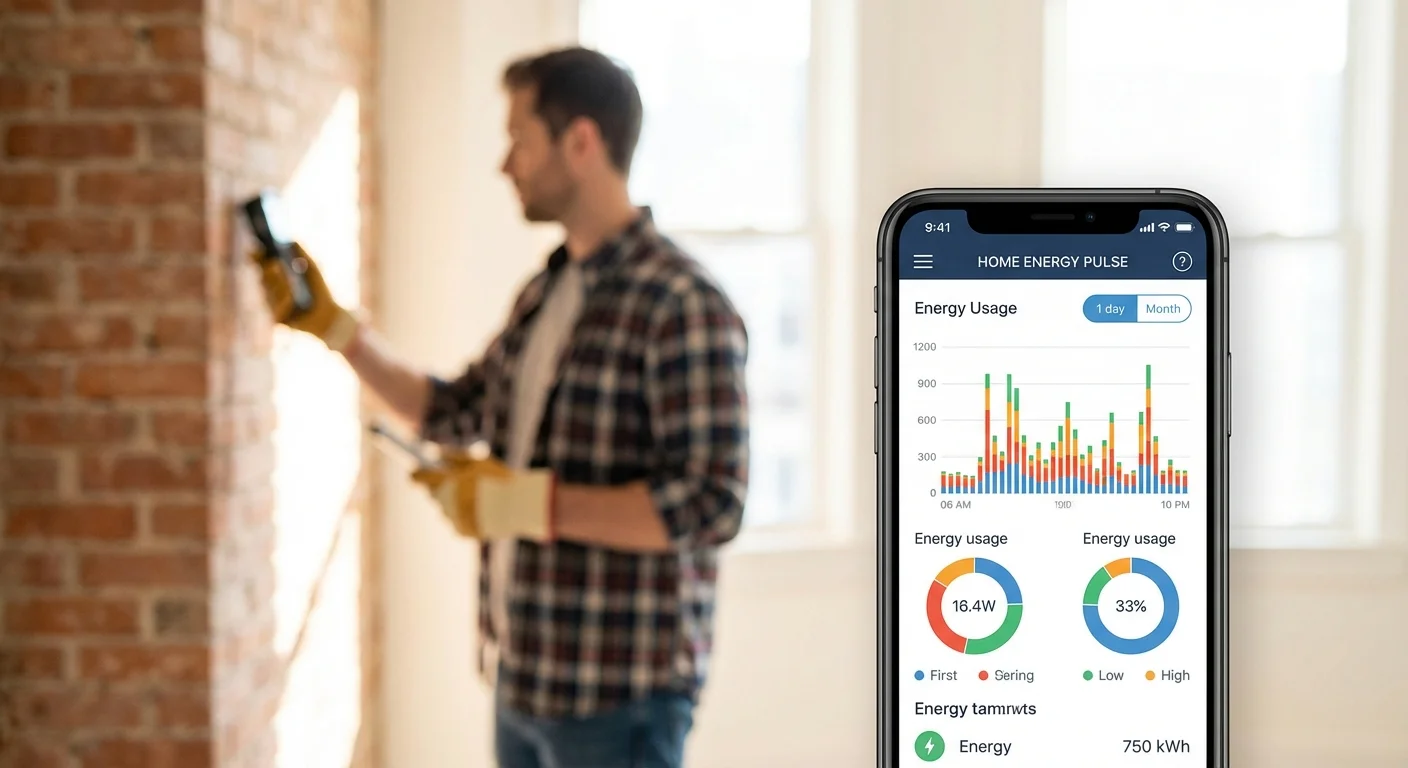
While this 15-minute DIY audit provides immediate wins, there are times when you should consider a professional assessment. A professional auditor uses tools like blower door tests and thermographic (infrared) cameras to find hidden issues deep within your walls or ductwork.
- When to stay DIY: If you live in a newer apartment or a small, relatively modern home, the DIY steps mentioned above will likely capture 80% of your potential savings.
- When to go Professional: If your home is more than 30 years old, or if you notice significant ice dams on your roof in winter, a professional can identify major insulation gaps. Many utility companies offer these audits for free or at a steep discount to their customers. Check your utility provider’s website or visit USA.gov Consumer Resources to find state-specific programs that might cover the cost.
“It’s not your salary that makes you rich, it’s your spending habits.” — Charles A. Jaffe

* Image: A woman smiling while looking at a laptop. There’s a mug and a “PAID” bill on the table.
* Context: “Savings Killers: The Mistakes That Negate Your Progress”.
* Requi
Savings Killers: The Mistakes That Negate Your Progress
Even if you seal every crack and change every bulb, certain habits act as “savings killers” that quietly drain your bank account. Avoid these common pitfalls:
- The “Guest Room” Trap: Heating or cooling a room that nobody uses for weeks at a time is a major waste. Instead of closing vents, keep the door closed and use a heavy door snake to prevent the conditioned air from your main living area from “leaking” into the unconditioned room.
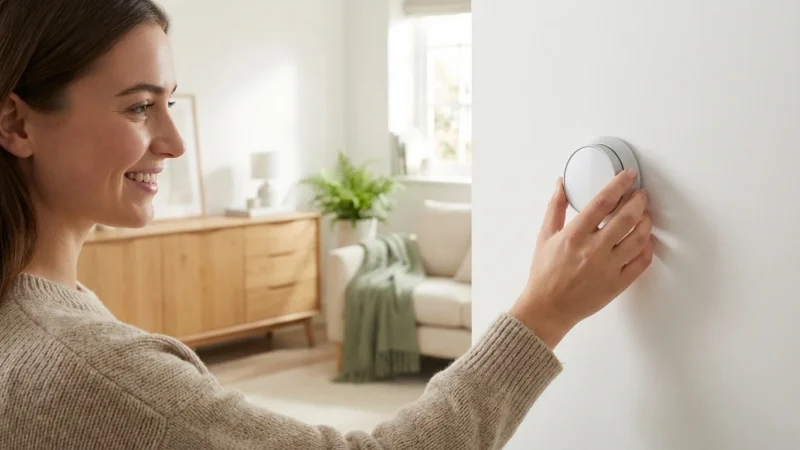
- Thermostat Yo-Yoing: Some people believe that turning the AC off entirely when they leave for work saves money. However, if the house heats up to 85°F, the system has to run at full tilt for hours to cool the walls, furniture, and air back down. A better approach is a 5-to-8 degree setback. A programmable thermostat can automate this so you never have to think about it.
- Ignoring the Sun: In the summer, open blinds are your enemy. Radiant heat from the sun can raise your indoor temperature by several degrees. Close south- and west-facing curtains during the day. In the winter, do the opposite: open them to let the sun provide free heating.
Frequently Asked Questions
How much can I actually save with a DIY audit?
Most homeowners find that implementing the basics—sealing drafts, adjusting the water heater, and switching to LEDs—reduces their monthly bill by 10% to 25%. On a $200 monthly bill, that is a savings of up to $600 per year.
Are smart thermostats worth the investment?
Yes, but only if you actually use the scheduling features. Most smart thermostats pay for themselves within 12 to 24 months through energy savings alone. They are especially helpful for people who frequently forget to adjust the temp before leaving the house.
Is it better to leave a light on or turn it off and on?
For LEDs and incandescents, you should always turn them off when leaving a room. The “surge” of energy used to turn them on is negligible compared to the energy saved by having them off for even a few minutes.
You have the power to lower your overhead today. Take fifteen minutes to walk through your home with a critical eye. Locate the drafts, check the temperatures, and identify the “vampire” electronics. These small, free adjustments accumulate into significant annual savings, transforming your home into an efficient machine rather than a financial drain. Start with the easiest fix—perhaps that 120-degree water heater setting—and watch your next utility bill reflect your efforts.
Prices and availability mentioned reflect research at the time of writing and may vary by location and retailer. Your actual savings will depend on your specific situation and shopping habits.
Last updated: February 2026. Prices change frequently—verify current costs before purchasing.






Leave a Reply