
You open your annual homeowners insurance renewal and notice the premium jumped another 12 percent. You haven’t filed a claim in years; your roof is in great shape; yet the bill keeps climbing. According to recent industry data, the average cost of home insurance in the United States now nears $2,500 per year—with some states seeing spikes of over 20 percent annually. While inflation and rising construction costs drive some of this, a portion of your premium often hides in “riders” or endorsements that you might not even realize you are paying for.
Insurance agents frequently add these optional coverages to “bolster” your protection. While some offer a critical safety net, others are redundant, overpriced, or simply unnecessary for your specific lifestyle. To lower your home insurance premium, you must audit these add-ons with a critical eye. This guide breaks down which riders provide genuine value and which ones you should likely cut to keep more money in your pocket.

What You’ll Save by Auditing Your Riders
Auditing your policy isn’t just about shaving off a few dollars; it is about intentional spending. By removing unnecessary endorsements, you can often see immediate results on your next premium statement.
- Identity Theft Protection: Saving $25 to $60 per year.
- Scheduled Personal Property (Low-Value Items): Saving $50 to $200 per year.
- Service Line Coverage (on New Homes): Saving $40 to $80 per year.
- Secondary Heat Source Riders: Saving $30 to $100 per year.
Total potential savings often range from $150 to $450 annually, depending on how “padded” your current policy has become.
“Beware of little expenses; a small leak will sink a great ship.” — Benjamin Franklin

The Anatomy of a Rider: Why They Exist
A standard homeowners insurance policy—typically known as an HO-3—covers your dwelling, your personal belongings, and your liability. However, these policies have “sub-limits.” For example, if a thief steals $10,000 worth of jewelry, your standard policy might only pay out $1,500. This gap is where riders, also known as endorsements or floaters, come into play.
Riders modify the standard policy to cover specific risks or increase the payout limits for certain categories of items. They offer a “buffet” style of insurance where you can pick and choose. The problem arises when you continue paying for a rider on a diamond ring you sold three years ago or a computer system that has depreciated to the point of being worthless.

Common Riders and Their Real-World Value
To determine if you are overpaying, you must evaluate each rider against your actual risk profile. Let’s look at the most common add-ons found on American policies today.
1. Scheduled Personal Property
This is the most common rider. It provides extra coverage for high-value items like jewelry, furs, fine art, or expensive musical instruments. Unlike standard coverage, scheduled property usually has no deductible and covers “mysterious disappearance” (losing a ring down a drain, for example).
The Audit: Check your schedule. Are you still insuring that 2015 MacBook Pro for its original $2,500 value? Electronics lose value rapidly. If the item’s current resale value is less than $1,000, you are likely wasting money on a specific rider. You should also check with Consumer Reports or similar valuation tools to see if the cost of the insurance over five years exceeds the replacement cost of the item.
2. Water Backup and Sump Pump Overflow
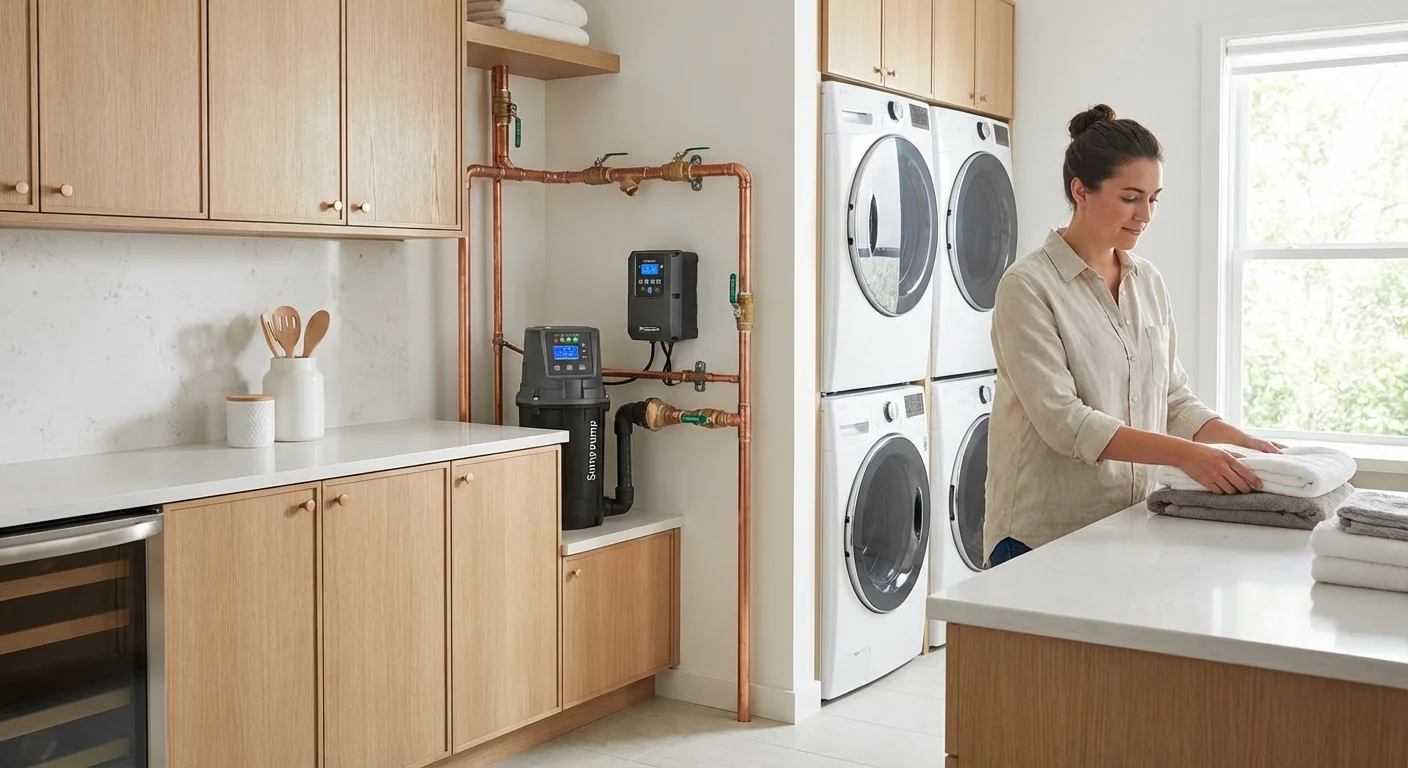
Standard policies do not cover damage caused by water backing up through sewers or drains. If your sump pump fails during a heavy rainstorm and floods your basement, a standard policy will leave you footing the entire bill. This rider is distinct from flood insurance, which covers rising water from outside.
The Audit: If you have a finished basement with expensive flooring, drywall, and furniture, this rider is non-negotiable. However, if you live in a third-floor condo or a home on a slab with no basement and your plumbing exits via gravity rather than a pump, you may be paying for protection against a risk that physically cannot happen to you.
3. Identity Theft Restoration
Insurance companies love to sell identity theft riders because they are high-margin products. They usually offer to help you “restore” your credit and provide a case manager if your identity is stolen.
The Audit: Many modern premium credit cards and even some bank accounts provide identity theft monitoring and restoration services for free. Furthermore, the Consumer Financial Protection Bureau (CFPB) provides extensive resources on how to freeze your credit and manage identity theft yourself at no cost. If you already have these tools, paying $50 a year to your insurance company is redundant.
4. Equipment Breakdown Coverage
This rider covers the repair or replacement of major home appliances (HVAC, water heaters, refrigerators) if they experience a mechanical or electrical failure. It acts like a home warranty but is managed through your insurance.
The Audit: Look at the age of your appliances. If your furnace and AC are under a manufacturer’s warranty, this rider is useless. Additionally, the deductible on these riders is often $500. If your 10-year-old washing machine breaks, the “actual cash value” payout after the deductible might be zero. According to ENERGY STAR, most appliances have a predictable lifecycle; it is often more cost-effective to “self-insure” by keeping an emergency fund rather than paying for a rider.

Comparison of Common Insurance Riders
Use the following table to weigh the costs versus the benefits of the most frequent endorsements.
| Rider Name | Estimated Annual Cost | Who Needs It? | Who Can Skip It? |
|---|---|---|---|
| Scheduled Jewelry | 1% – 2% of item value | Owners of items worth > $2,500 | Owners of modest or “costume” jewelry |
| Water Backup | $50 – $150 | Homes with basements or sump pumps | Condo owners (upper floors) or slab homes |
| Identity Theft | $25 – $60 | Those without credit monitoring services | Anyone with a high-end credit card or monitoring |
| Service Line | $30 – $50 | Owners of older homes (pre-1970) | New construction homeowners |
| Inflation Guard | Varies | Everyone (highly recommended) | Almost no one should skip this |

Don’t Fall For These Insurance Traps
Insurance is a business of “stacking.” Once an agent has you on the phone, they may try to add “peace of mind” coverages that don’t actually move the needle on your financial security. Avoid these common mistakes:
Insuring “Junk” Collectibles: Many people rider-up their “collections,” such as Beanie Babies or certain 90s sports cards, based on perceived value. Unless you have a certified professional appraisal from the last 24 months, the insurance company is unlikely to pay out what you think the collection is worth. Save the rider premium and put it into a high-yield savings account instead.
Over-Insuring for Business Property: If you run a small consulting business from home, you might be tempted by a “Home Business Rider.” However, if your only business equipment is a laptop and a desk, your standard personal property coverage often covers up to $2,500 of “business property” on the premises anyway. Read your “Section I – Property Coverages” carefully before adding this.
Redundant “Loss Assessment” Coverage: If you live in a Homeowners Association (HOA), you might have a rider for Loss Assessment. This covers you if the HOA sues all members to pay for a common area claim. Before paying for this, check your HOA’s master policy. Many modern HOAs carry enough insurance that a personal loss assessment rider is rarely triggered.
When It’s Worth Paying: The “Must-Have” Riders
While we focus on cutting costs, some riders are genuinely essential for long-term home insurance savings because they prevent catastrophic out-of-pocket losses. If you lack these, you aren’t saving money—you are gambling.
Building Ordinance or Law Coverage: If your older home is destroyed, it must be rebuilt to current building codes. Standard policies only pay to replace what was there, not the extra $20,000 it costs to bring the wiring and insulation up to 2026 standards. This rider covers that gap. It is a small cost for a massive benefit.
Inflation Guard: This automatically increases your dwelling coverage to keep pace with rising construction costs. Without it, you could find yourself underinsured by 30 percent after just a few years of high inflation.
Extended Replacement Cost: This provides a “buffer” (usually 25% to 50%) above your policy limit. If a localized disaster happens—like a wildfire or tornado—labor and material costs in your area will skyrocket. This rider ensures you can actually finish the rebuild.

How to Conduct Your Personal Insurance Audit
You should review your policy every twelve months. Do not just look at the total premium; look at the “Declarations Page,” which lists every endorsement by name and cost. Follow this three-step process:
- Inventory Check: Walk through your house with a smartphone and record a video of your belongings. If you find an item you specifically “scheduled” on your insurance three years ago but no longer own or value, call your agent immediately to remove it.
- Comparison Shop Deductibles: Sometimes, the cost of a rider is high because your main policy deductible is low. Raising your deductible from $500 to $1,000 can save you up to 15 percent on your total premium, which more than offsets the cost of the riders you actually need.
- Ask for the “Loss History Report”: Ask your agent for your “CLUE” report. If your house has a history of water backup and you don’t have that rider, you are at risk. If your house has never had a claim and is 100% updated, use that as leverage to ask for “new roof” or “updated systems” discounts.
For more information on managing your consumer rights regarding insurance, visit the USA.gov Consumer Resources page.

Lowering Your Premium Beyond Riders
While cutting riders is a surgical way to lower your home insurance premium, don’t ignore the broader “hammers” of savings. Bundling your auto and home insurance remains the single most effective way to drop your rate—often by 15 to 25 percent. Additionally, installing a “smart” leak detection system can often trigger a discount that covers the cost of the device within a year.
Check with your local municipality or FEMA to see if your flood zone designation has changed. If your home was remapped out of a high-risk zone, you might be able to drop expensive mandatory flood insurance or significantly reduce your premium.

The Intentional Homeowner
Managing your homeowners insurance is not a “set it and forget it” task. The goal is to be intentional, not just cheap. By stripping away redundant identity theft protection and over-valued electronics riders, you free up cash to pay for the coverages that actually matter—like adequate liability and replacement cost protection. Review your “Dec Page” tonight. If you see a line item you don’t understand, call your agent and make them justify its existence. If they can’t, cut it. Your bank account will thank you.
The savings estimates in this article are based on typical costs and may differ in your area. Always compare current prices and consider your household’s specific needs.
Last updated: February 2026. Prices change frequently—verify current costs before purchasing.







Leave a Reply