You open your utility statement and notice a number that feels higher than it should be. You haven’t started a commercial car wash in your driveway, and you certainly haven’t installed an Olympic-sized swimming pool in the backyard. Yet, the cost of water continues to climb. Across the United States, water and sewer rates have increased by approximately 80 percent between 2010 and 2018, and that trend shows no signs of slowing down. For many households, this monthly expense quietly erodes the budget, often because of inefficiencies you cannot see and habits you don’t even realize you have.
The good news is that you don’t have to resort to “navy showers” or stop watering your prized hydrangeas to see a difference. Most people assume that to save money on water bill payments, they must sacrifice comfort. In reality, the most significant savings come from optimizing the infrastructure of your home and addressing hidden waste. By making a few strategic adjustments to your plumbing and appliances, you can reduce utility costs by hundreds of dollars a year without ever changing how you live your life.
“Beware of little expenses; a small leak will sink a great ship.” — Benjamin Franklin
1. Identify and Kill the Silent Toilet Leak
A leaking toilet is the most common cause of a high water bill, and it is often completely silent. According to the EPA WaterSense program, a single leaky toilet can waste up to 200 gallons of water every day. Over a month, that is 6,000 gallons of water—and your hard-earned money—literally flushed down the drain. Because these leaks often don’t result in a puddle on the floor, they go unnoticed for months.
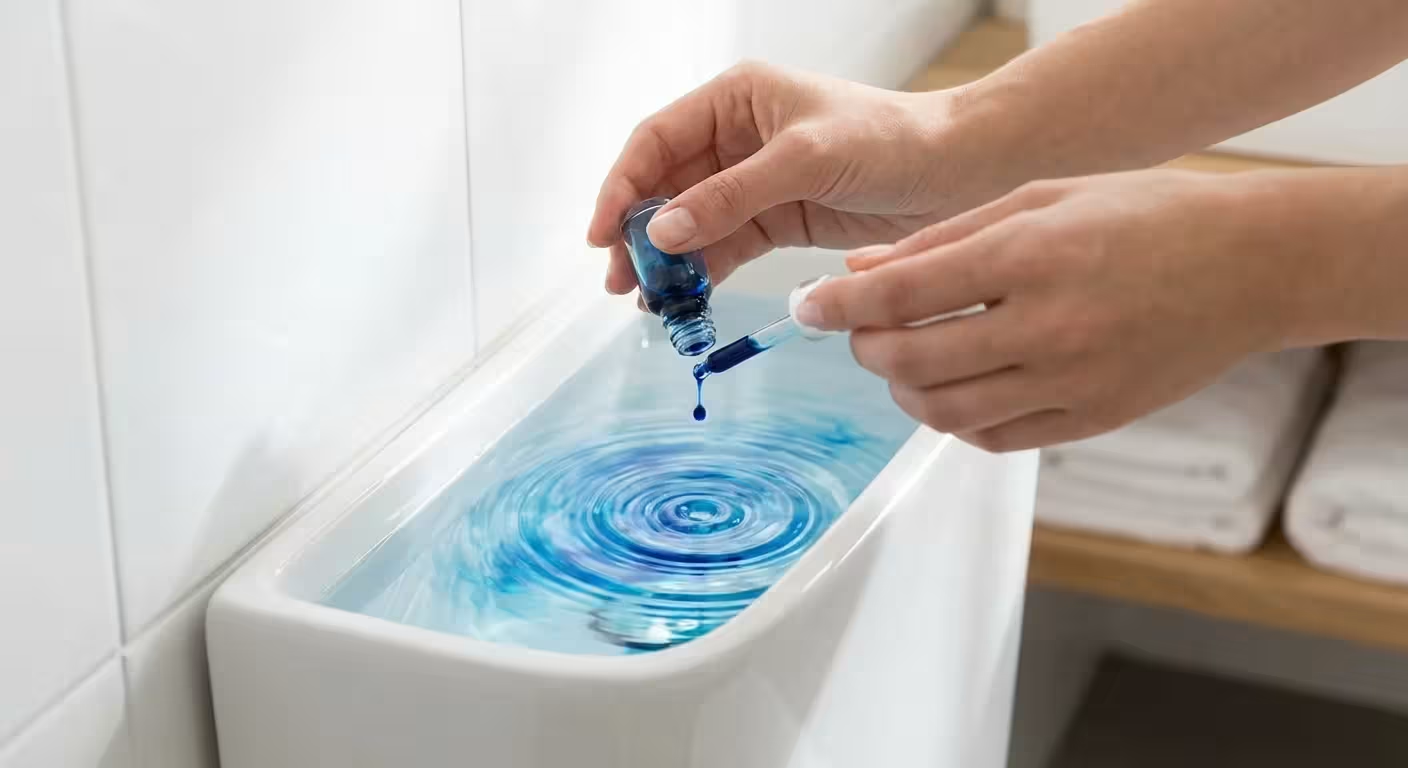
You can perform a simple “dye test” to find these invisible leaks. Remove the lid of your toilet tank and drop a few drops of food coloring into the water. Wait 15 to 20 minutes without flushing. If you see colored water seeping into the toilet bowl, your flapper valve is worn out. This rubber component degrades over time due to mineral buildup and cleaning chemicals. Replacing a flapper costs less than $10 at any hardware store and takes about five minutes of your time, yet it can save you $50 or more on your annual bill.
2. Upgrade to a High-Efficiency Low Flow Showerhead
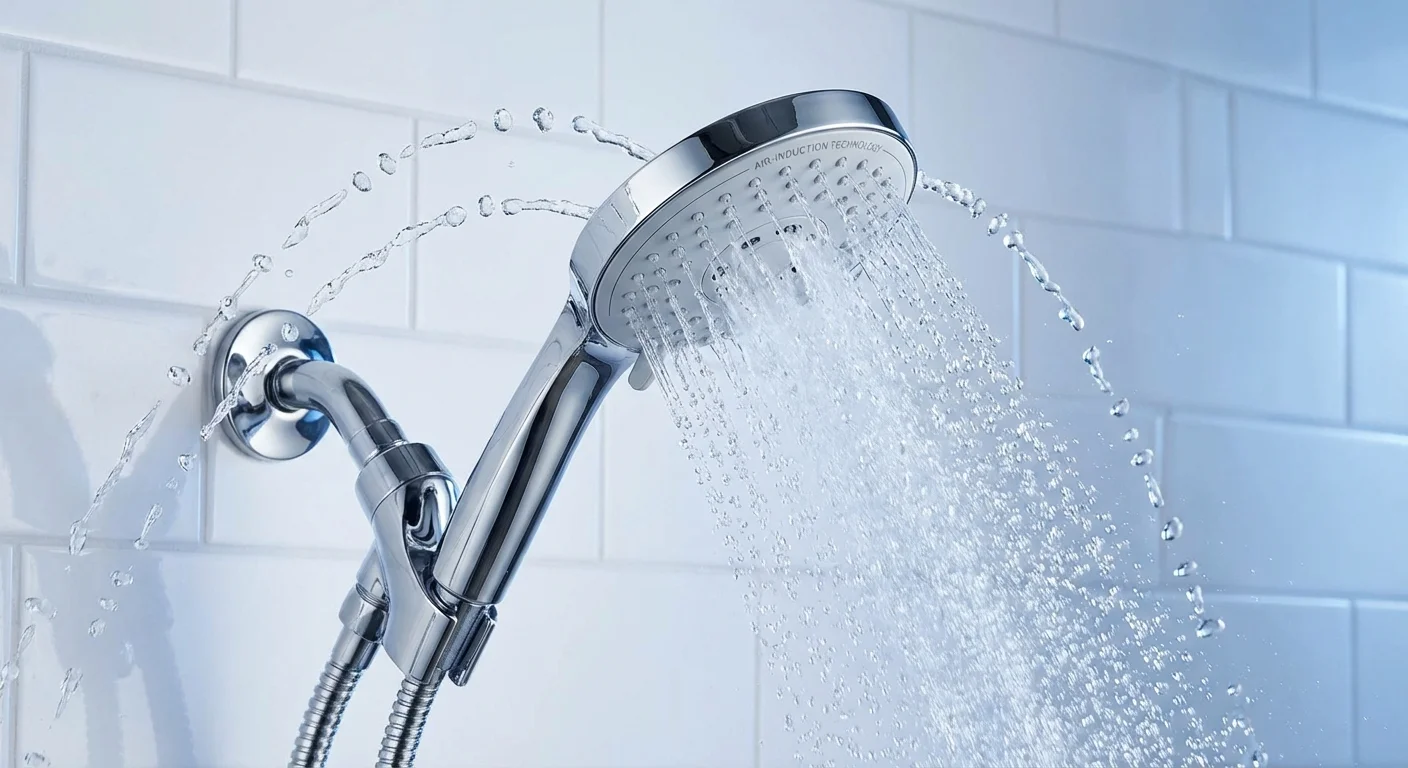
Many people resist the idea of a low flow showerhead because they associate it with weak, drizzly pressure. However, modern engineering has solved this problem. High-quality fixtures now use air-induction technology to mix air into the water stream, giving you the sensation of full pressure while using significantly less volume.
Standard showerheads manufactured before the mid-1990s often use 3.5 to 5 gallons per minute (gpm). Modern WaterSense-certified models use 1.75 to 2.0 gpm. By making this switch, a family of four can save approximately 11,000 gallons of water per year. Beyond the water savings, you also reduce utility costs related to energy; because you are using less hot water, your water heater doesn’t have to work as hard, lowering your gas or electric bill simultaneously. Look for the WaterSense label to ensure the fixture meets strict performance and efficiency standards.
3. Install High-Efficiency Faucet Aerators
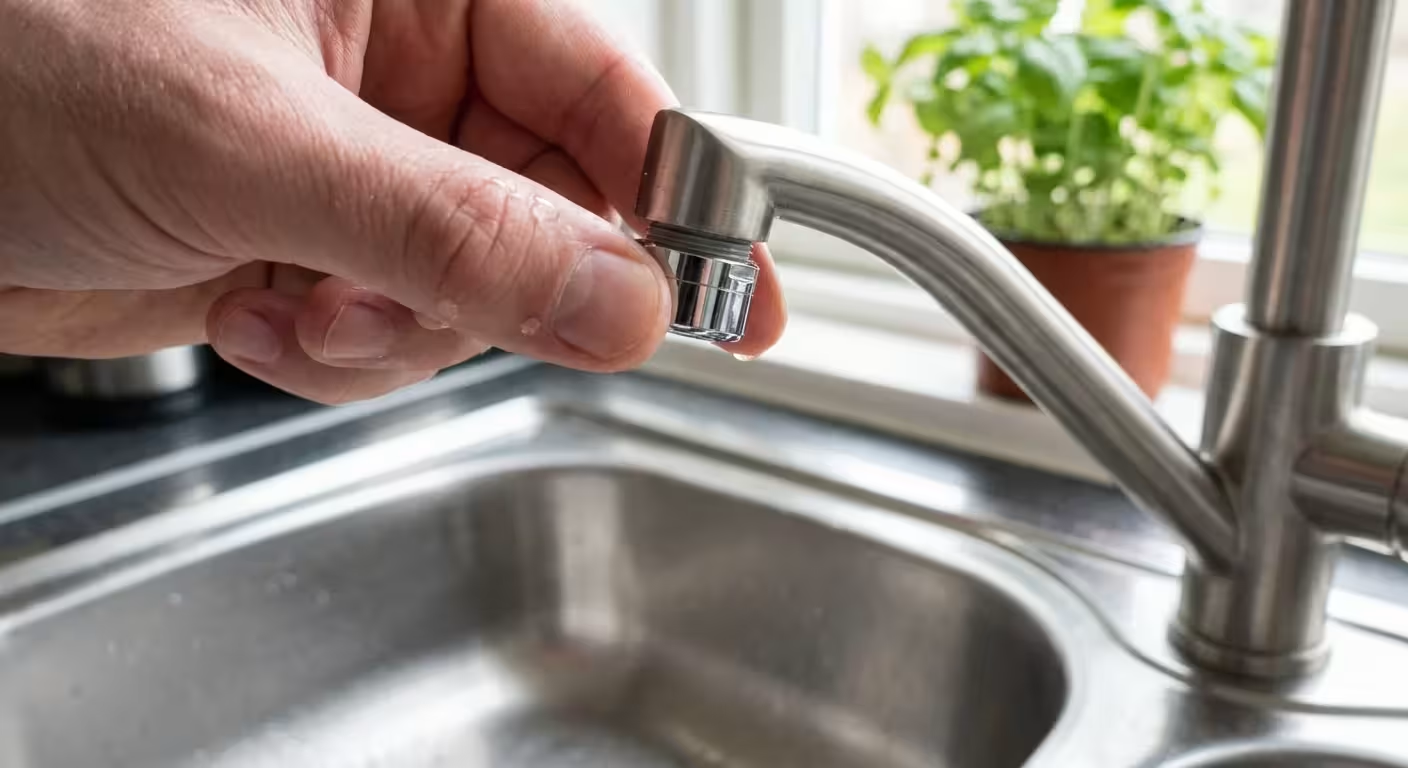
If you haven’t looked at the tips of your faucets lately, you are likely missing a massive savings opportunity. A faucet aerator is the small, screw-on screen at the tip of the spout. Its job is to break the water flow into many tiny droplets, maintaining high pressure while reducing the total amount of water used. Most older kitchen faucets flow at 2.2 gpm, while bathroom faucets often flow at the same rate.
You can replace these with 1.5 gpm aerators in the kitchen and 0.5 to 1.0 gpm aerators in the bathroom. For a few dollars per faucet, you effectively cut your water usage at the sink by 30 to 50 percent. You will find that you don’t notice the difference when washing your hands or brushing your teeth—the pressure feels identical—but your meter will certainly record the change.
4. Let the Dishwasher Do the Heavy Lifting
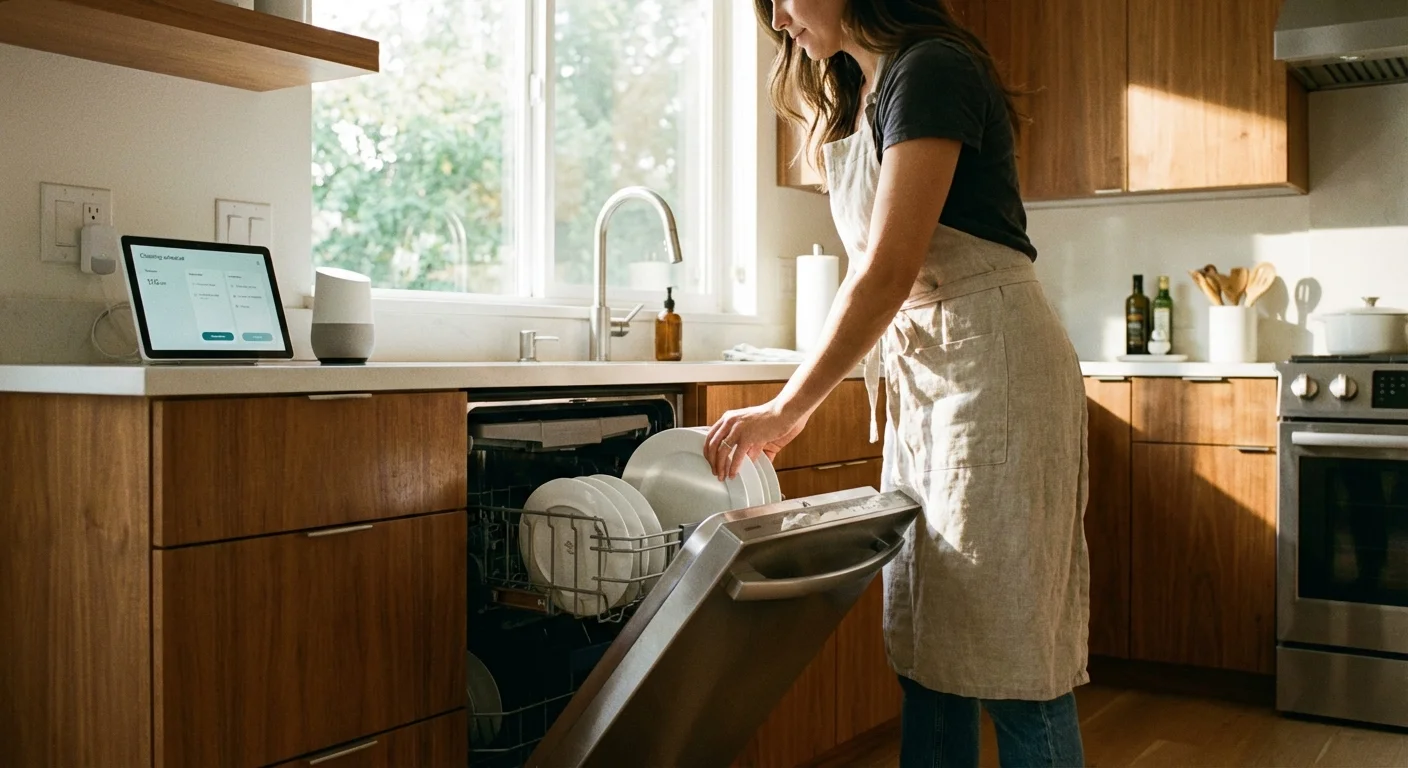
It is a common myth that washing dishes by hand saves water. In almost every scenario, this is false. An ENERGY STAR-certified dishwasher uses as little as 3.5 gallons of water per cycle. To match that efficiency by hand, you would have to wash and rinse an entire load of dishes in less time than it takes to hum a short song. Most people use nearly 20 gallons of water when washing a full load’s worth of dishes in the sink.
To maximize these savings without changing your habits, simply stop pre-rinsing. Modern dishwashers and detergents are designed to strip away food particles; rinsing dishes in the sink before putting them in the machine is essentially paying for the same job twice. Only run the dishwasher when it is full to ensure you are getting the best “water-per-dish” ratio possible. If you are in the market for a new appliance, checking ENERGY STAR ratings can help you identify models that use 15 percent less water than standard units.
5. Monitor Your Water Pressure
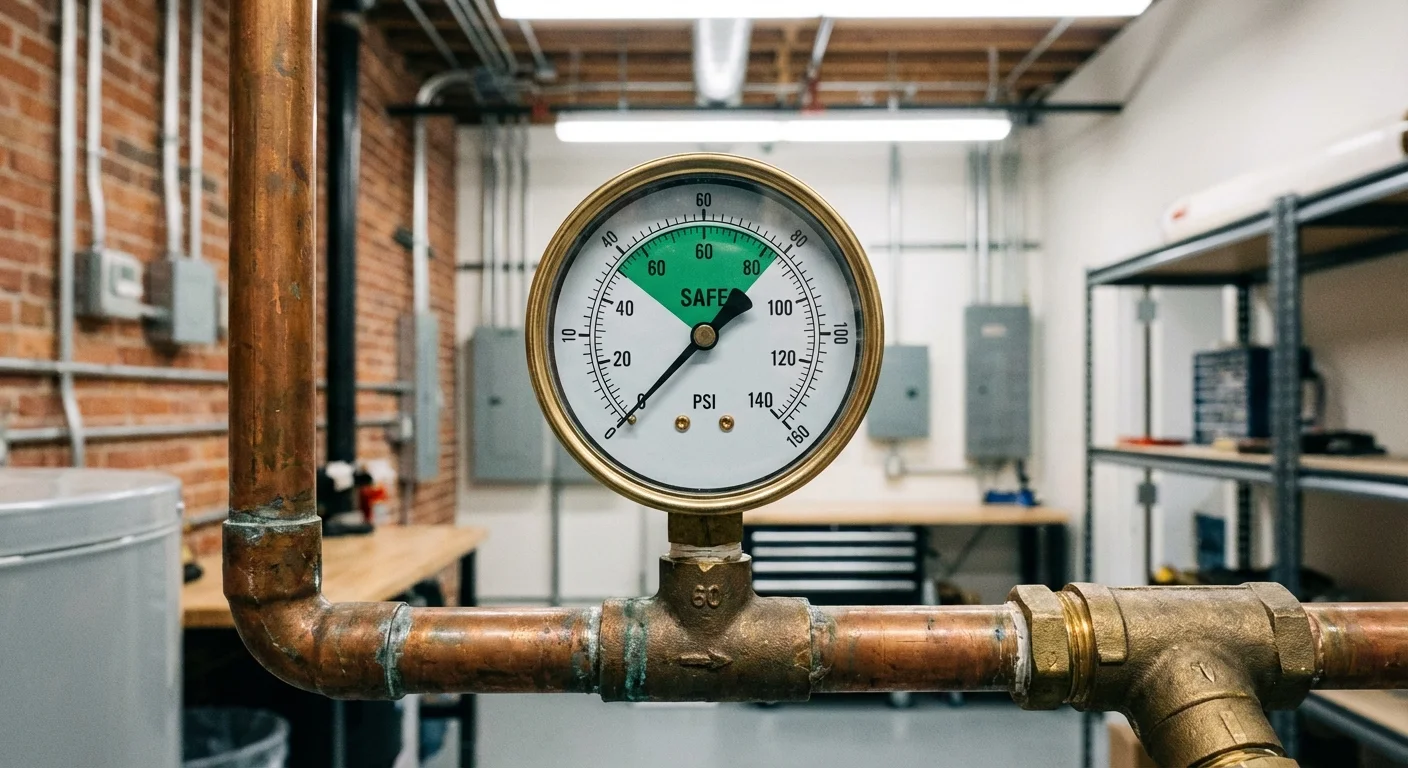
High water pressure might feel great in the shower, but it is often a hidden tax on your plumbing system. Most homes should have a water pressure between 40 and 60 pounds per square inch (psi). If your pressure is over 70 or 80 psi, you are not only wasting water every time you turn on a tap, but you are also stressing your pipes, joints, and appliances.
Excessive pressure leads to “water hammer,” leaking faucets, and premature water heater failure. You can buy a simple pressure gauge for under $15 that screws onto an outdoor hose bib. If the reading is consistently high, you may need to adjust your pressure-reducing valve (PRV) or install one if your home lacks it. Bringing the pressure down to a healthy range can extend the life of your appliances by years while reducing the volume of water pushed through your fixtures.
Comparison of Common Water-Saving Upgrades
| Upgrade Item | Approximate Cost | Estimated Annual Savings | Payback Period |
|---|---|---|---|
| Toilet Flapper Replacement | $5 – $10 | $50 – $200 | Less than 1 month |
| Low-Flow Showerhead | $20 – $50 | $70 – $100 | 4 – 7 months |
| Faucet Aerators (3-pack) | $10 – $15 | $20 – $40 | 4 – 6 months |
| Smart Irrigation Controller | $100 – $200 | $100 – $250 | 12 – 18 months |
6. Insulate Your Pipes to Reduce “Wait Time”
How much water do you let run down the drain while waiting for the shower to get hot? In many homes, the water heater is located far from the master bathroom. As you wait for the hot water to travel through the pipes, you are wasting several gallons of perfectly clean, cold water. This is a primary source of frustration when trying to water conservation tips into a busy morning routine.
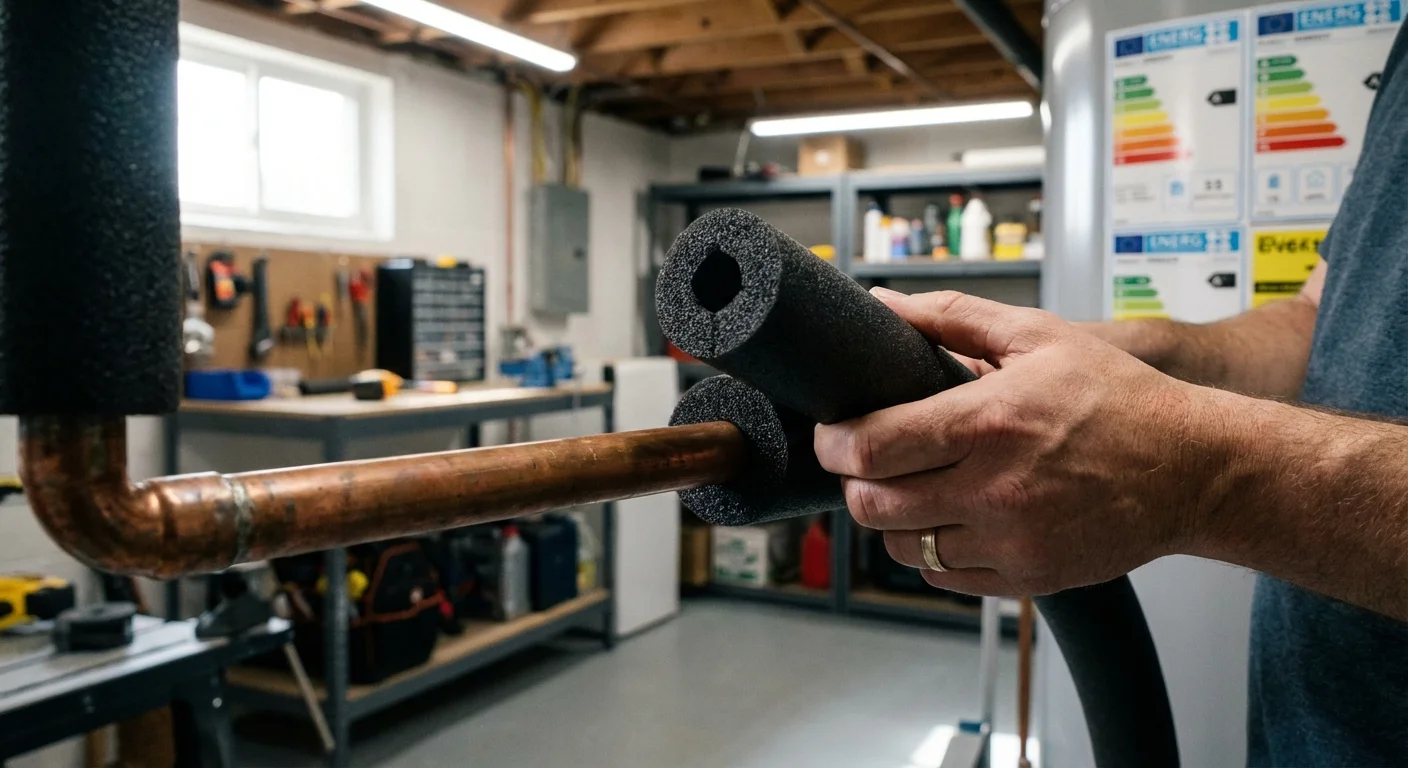
By insulating your exposed hot water pipes with foam sleeves—available for pennies per foot at hardware stores—you help the water inside the pipes stay warm for longer. This means that when you turn on the tap, the water reaches the desired temperature faster. While this doesn’t change the flow rate of the fixture, it significantly reduces the amount of time the faucet runs before you actually step into the shower. For even more significant impact, consider a hot water recirculating pump, which keeps hot water ready at the tap at all times.

7. Optimize Your Outdoor Strategy
For many Americans, outdoor water use accounts for 30 to 60 percent of their total bill. You don’t have to let your lawn die to save money, but you do need to stop watering the sidewalk. Evaporation is your biggest enemy. If you water your lawn in the middle of a hot, sunny afternoon, as much as 30 percent of that water can evaporate before it ever reaches the roots of your grass.
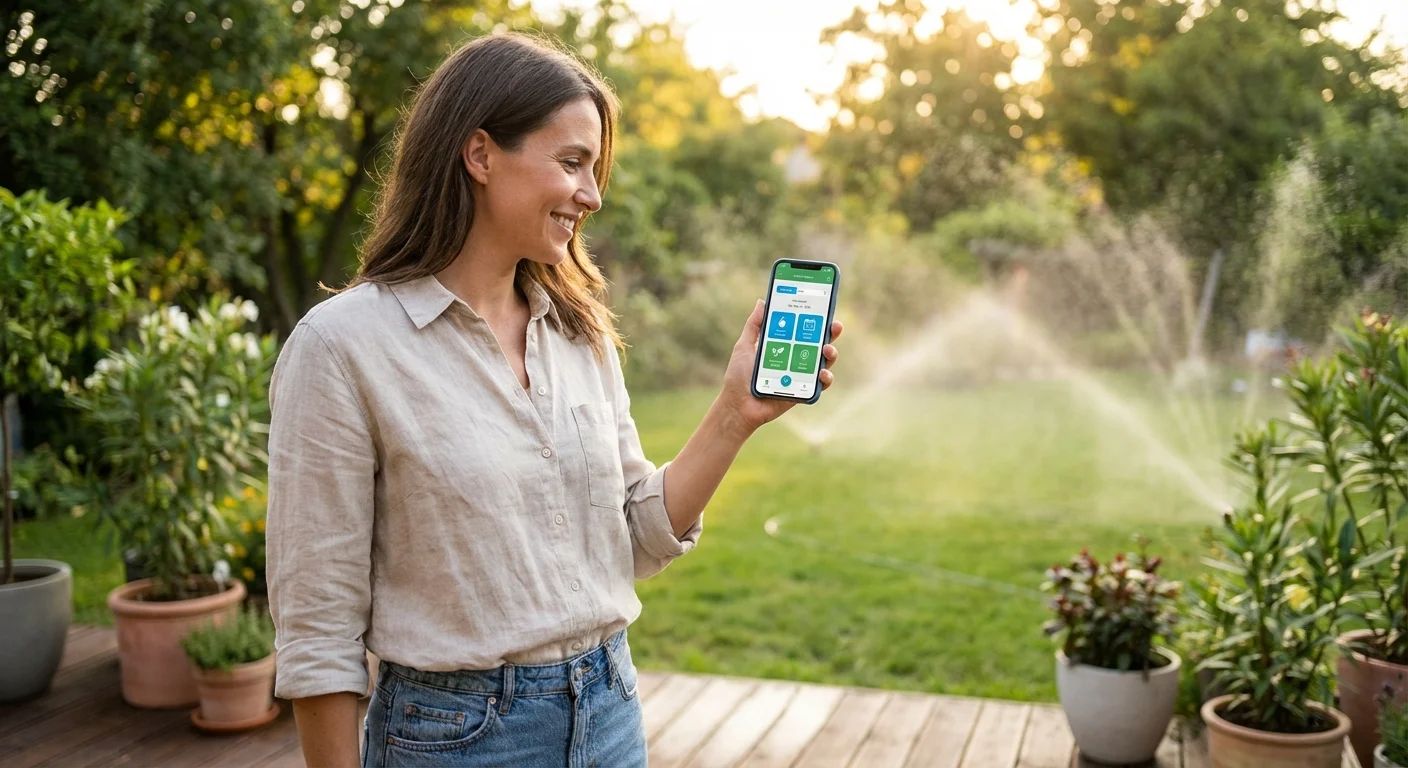
Shift your irrigation timer to the early morning hours, typically between 4:00 AM and 7:00 AM. This allows the water to soak deep into the soil without competing with the sun or wind. Additionally, consider a smart irrigation controller. These devices connect to local weather stations and automatically skip a scheduled watering if it has recently rained or if the forecast calls for precipitation. It is a “set it and forget it” solution that ensures you only pay for the water your landscape actually needs. You can find more information on efficient outdoor practices at USA.gov Consumer Resources.
Costly Mistakes to Avoid
When trying to lower your water bill, some “hacks” can actually cause more harm than good. Avoid these common pitfalls to protect your plumbing and your wallet:
- The Brick in the Toilet Tank: An old trick involves placing a brick in the toilet tank to displace water. Do not do this. Bricks disintegrate over time, and the resulting debris can ruin your flush valve and clog your pipes. If you want to displace water, use a sealed plastic bottle filled with pebbles and water.
- Ignoring a Damp Spot: If you see a patch of grass that is greener than the rest of the yard, or a damp spot on a wall, do not wait. This usually indicates a slab leak or a broken irrigation line. A pipe leak under pressure can escalate from a small drip to a catastrophic flood in hours.
- Using the Toilet as a Trash Can: Every time you flush a tissue, a dead spider, or a makeup wipe, you are using several gallons of water for a task a wastebasket could handle for free. Furthermore, “flushable” wipes are rarely flushable and often lead to expensive sewer backups.
Skip DIY When…
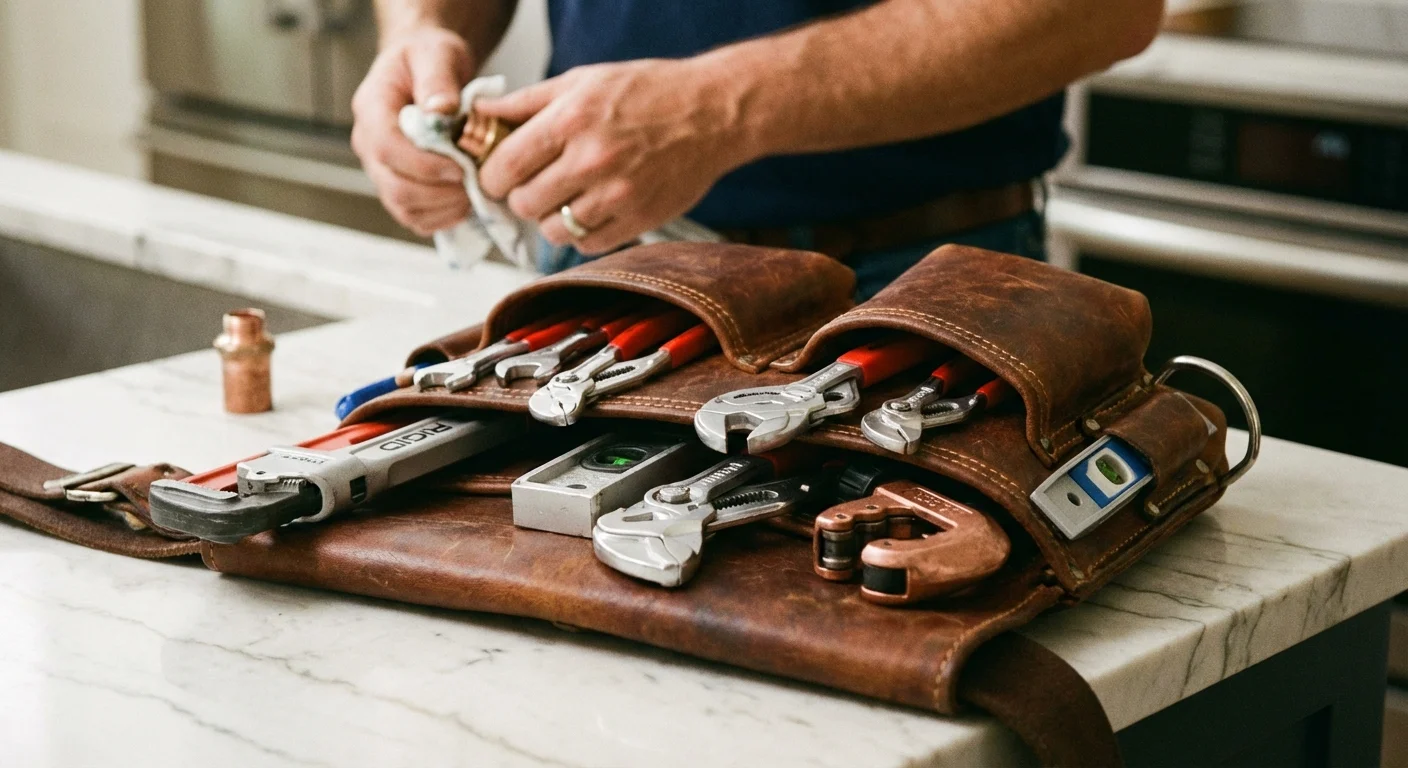
While most of these tips are beginner-friendly, some situations require a professional plumber. Do not attempt a DIY fix if:
- You suspect a leak in your main water line. If your water meter is spinning even when the main shut-off valve to the house is closed, the leak is likely underground. This requires specialized equipment to locate and repair.
- You have consistently low pressure throughout the house. This could indicate a failing pressure regulator or significant buildup in galvanized pipes, which is beyond a simple fixture swap.
- You smell sewage. If you notice a “rotten egg” smell near your drains, your P-traps may be failing or you may have a vent stack issue that needs professional attention.
Frequently Asked Questions
How can I tell if I have a leak if I don’t see any water?
The most reliable method is to check your water meter. Ensure all water-using appliances (dishwasher, washing machine) are off. Locate your meter, often found in a box near the street or in your basement. Note the position of the dial or the digital reading. Do not use any water for two hours, then check the meter again. If the number has changed, you have a leak.
Does a dishwasher really use less water than hand-washing?
Yes, provided the dishwasher was manufactured in the last 10 to 15 years. Older models were less efficient, but current ENERGY STAR standards are extremely strict. Hand-washing typically uses 2 to 3 gallons per minute of faucet run time, whereas a full dishwasher cycle uses roughly the same amount of water as a 2-minute shower.
Will a low-flow showerhead hurt my water pressure?
Not if you buy a quality model. Look for “pressure-compensating” showerheads. These are designed to maintain a consistent, forceful spray even if your home’s underlying water pressure fluctuates. Many users find they actually prefer the feel of modern high-efficiency heads over older, high-volume models.
Lowering your water bill is rarely about making a single massive change. Instead, it is the result of several small, intentional upgrades that eliminate waste. By addressing the “silent” leaks in your toilets, upgrading your fixtures to modern standards, and letting technology manage your irrigation, you can reclaim a significant portion of your monthly budget. Start with the dye test in your toilet tonight—it is the fastest way to turn hidden waste into immediate savings.
This article provides general money-saving guidance. Individual results vary based on location, household size, and spending patterns. Verify current prices before making purchasing decisions.
Last updated: February 2026. Prices change frequently—verify current costs before purchasing.





Leave a Reply