You push your cart through the automatic sliding doors and immediately feel the blast of cool air and the scent of rotisserie chicken or fresh bread. Within five minutes, your cart starts filling up with colorful boxes, “limited time” seasonal snacks, and convenient meal kits. By the time you reach the checkout line, you have spent $200, yet you look at your bags and realize you barely have enough ingredients to make three actual meals. This common frustration isn’t an accident—it is the result of a multi-billion dollar industry designed to separate you from your money through strategic store layouts.
The Bureau of Labor Statistics recently reported that food-at-home prices have remained a significant portion of the average American household budget, with many families seeing double-digit increases in specific categories over the last few years. To fight back against these rising costs, you must understand the geography of the store. The secret to slashing your grocery bill while improving your health lies in one simple rule: shop the perimeter.
The Psychology of the Grocery Store Layout
Grocery stores are not designed for your convenience; they are designed for maximum “dwell time” and impulse purchases. When you understand the architecture of a supermarket, you can navigate it with surgical precision. Retailers typically place essential items—like milk, eggs, and meat—at the very back or in the far corners of the store. They do this to force you to walk past thousands of high-margin, processed items in the middle aisles.
The “perimeter” refers to the outer ring of the store where you find fresh produce, the butcher counter, the seafood section, and the dairy cases. These areas contain “single-ingredient foods.” Think about a head of broccoli, a carton of eggs, or a pound of ground beef. These items lack the flashy packaging and heavy marketing budgets of the items found in the center aisles. Because these items are perishable, stores move them quickly, often pricing them more competitively to ensure they don’t spoil on the shelf.
In contrast, the center aisles are filled with shelf-stable goods. These products are high-profit for the store and often high-cost for you. You are paying for the convenience of processing, the cost of the cardboard box, and the massive advertising budget required to make that specific brand of cereal famous. When you stick to the edges, you bypass the psychological triggers designed to make you spend more on less nutritious food.
“It’s not your salary that makes you rich, it’s your spending habits.” — Charles A. Jaffe
Maximizing Your Savings on Produce
The produce section is often the first thing you see when you enter. It is bright, colorful, and smells fresh, which puts you in a “healthy” mindset that often justifies spending more later in the trip. However, if you are strategic, the produce section can be the cornerstone of a low-cost, high-nutrition lifestyle.
To save the most, you must shop seasonally. According to the USDA Food & Nutrition resources, fruits and vegetables are at their cheapest and most nutrient-dense when they are in season. Buying strawberries in January means paying for the logistics of shipping them from a different hemisphere; buying them in June often means paying half the price for better flavor.
- Buy “Ugly” Produce: Many stores now offer a “misfit” section where slightly bruised or misshapen fruits are sold at a 30-50% discount. Once you chop them up for a stew or a smoothie, the shape doesn’t matter.
- Check the Unit Price: Always look at the price per pound rather than the price per bag. A 3-pound bag of apples might look like a deal at $5.00, but if the loose apples are $1.29 per pound, the bag is actually more expensive.
- Skip the Pre-Washed and Pre-Cut: This is a major “savings killer.” You can pay up to 300% more for the convenience of someone else chopping your onions or washing your kale.
The Protein Pitfall: Buying Meat and Dairy Without Overspending
Meat and dairy often represent the largest portion of a grocery bill. Because these items sit on the perimeter, they are fresh, but they are also expensive if you don’t have a plan. The key here is flexibility and understanding the “Manager’s Special.”
Most grocery stores mark down meat that is 1-2 days away from its “sell-by” date. This meat is perfectly safe to eat, provided you cook it that night or throw it directly into the freezer. You can often find high-quality steaks, chicken thighs, or ground pork at 40% to 60% off. By checking the meat department first and building your weekly meal plan around what is on clearance, you can save hundreds of dollars a year.
When it comes to dairy, store brands are almost always identical to name brands. The Federal Trade Commission (FTC) and food safety regulators enforce the same quality standards for generic milk and eggs as they do for the expensive versions. Choosing the “Great Value” or “365” brand over a national label is an instant 20-30% saving on items you likely buy every single week.

DIY vs. Professional: The Convenience Tax
In the grocery world, “Professional” refers to anything the store does for you. Every time a worker uses a knife, a plastic container, or a label-maker, the price of the food goes up. To shop the perimeter effectively, you must embrace the DIY approach.
| Item | Convenience Version (Professional) | Whole Version (DIY) | Potential Savings |
|---|---|---|---|
| Pineapple | Pre-cut chunks ($6.99/lb) | Whole Pineapple ($2.99/ea) | ~60% |
| Chicken | Boneless/Skinless Breasts ($5.49/lb) | Whole Chicken ($1.89/lb) | ~65% |
| Carrots | “Baby” Carrots ($2.50/lb) | Whole Carrots ($0.99/lb) | ~60% |
| Cheese | Shredded Bag ($4.50/8oz) | Block Cheese ($3.00/8oz) | ~33% |
Taking ten minutes on a Sunday to break down a whole chicken or chop a head of lettuce isn’t just a kitchen task—it’s an investment that pays a higher “hourly rate” than many side hustles. If you save $15 by doing 20 minutes of prep work, you are essentially “earning” $45 an hour tax-free.
When to Breach the Center Aisles: The “Smart Center” Strategy
While the perimeter is your primary territory, a total boycott of the center aisles is impractical and potentially more expensive. Some of the best “budget-friendly” staples live in the middle of the store. The trick is to enter the aisles with a specific list and a “no-eye-contact” policy with the brightly colored snack boxes.
Look for these high-value staples in the middle:
- Dried Beans and Lentils: These are the ultimate budget protein. A one-pound bag of dried black beans costs about $1.50 and yields roughly six servings.
- Grains: Large bags of white or brown rice, oats, and quinoa are significantly cheaper in the center aisles than the pre-seasoned microwave pouches.
- Canned Tomatoes and Paste: These are essential for making your own sauces, which is much cheaper than buying jarred pasta sauce filled with sugar and preservatives.
- Spices: Never buy spices in the “baking aisle” where they are sold in fancy glass jars for $8 each. Go to the international aisle or the bulk section where the same spices are often sold in bags for a fraction of the cost.
When navigating these aisles, remember the “Eye-Level is Buy-Level” rule. Stores place the highest-markup items at eye level. Look at the very top and very bottom shelves for the best values. This is where the store hides the bulk bags and the generic brands that offer the most “bang for your buck.”

Savings Killers: Avoid These Common Mistakes
Even if you stay on the perimeter, certain habits can drain your bank account. Avoid these common “savings killers” to keep your budget intact.
1. Shopping Without a List: If you don’t have a plan, you are at the mercy of the store’s marketing. You will buy things “just in case” or because they are on a flashy end-cap display. Use a simple notes app or a piece of paper to stay focused.
2. Buying “Bulk” Without Calculating: Bigger isn’t always better. Sometimes the “family size” package actually has a higher unit price than the standard size. Always check the small print on the shelf tag that shows the price per ounce or price per count. For more on how to compare these costs effectively, Consumer Financial Protection Bureau (CFPB) resources offer excellent guides on unit pricing and consumer awareness.
3. Falling for “10 for $10” Sales: You usually do not have to buy all ten items to get the sale price. Unless the sign specifically says “must buy 10,” you can buy just one for $1.00. Don’t let the store dictate your volume of consumption.
4. Shopping While Hungry: Research consistently shows that hungry shoppers spend more money and choose more calorie-dense, processed foods. Eat a small snack before you head out to maintain your discipline.
“Beware of little expenses; a small leak will sink a great ship.” — Benjamin Franklin

The Hidden Economics of Frozen Food
While technically in the center of the store (or sometimes the back wall), the frozen section is the “honorary perimeter.” In many cases, frozen fruits and vegetables are actually healthier and cheaper than their fresh counterparts. Produce destined for the freezer is picked at peak ripeness and flash-frozen, locking in nutrients. Fresh produce, meanwhile, may sit on a truck for a week and then on a shelf for another three days, losing nutritional value every hour.
Frozen produce also eliminates “food waste,” which is the biggest savings killer of all. If you buy a bag of fresh spinach and half of it turns to slime in your crisper drawer, you have effectively doubled the price of the spinach you actually ate. Frozen spinach allows you to use exactly what you need and keep the rest for later. Check the Natural Resources Defense Council or similar food waste resources to see how much the average family throws away—often over $1,500 a year.
Practical Action Plan for Your Next Trip
To implement the perimeter strategy, change the way you move through the building. Start at the produce section and spend the bulk of your time there. Move to the meat and seafood counter, looking for those manager’s specials. Head to the dairy for your staples. Only then should you venture into the “interior” for specific items like olive oil, coffee, or dried beans.
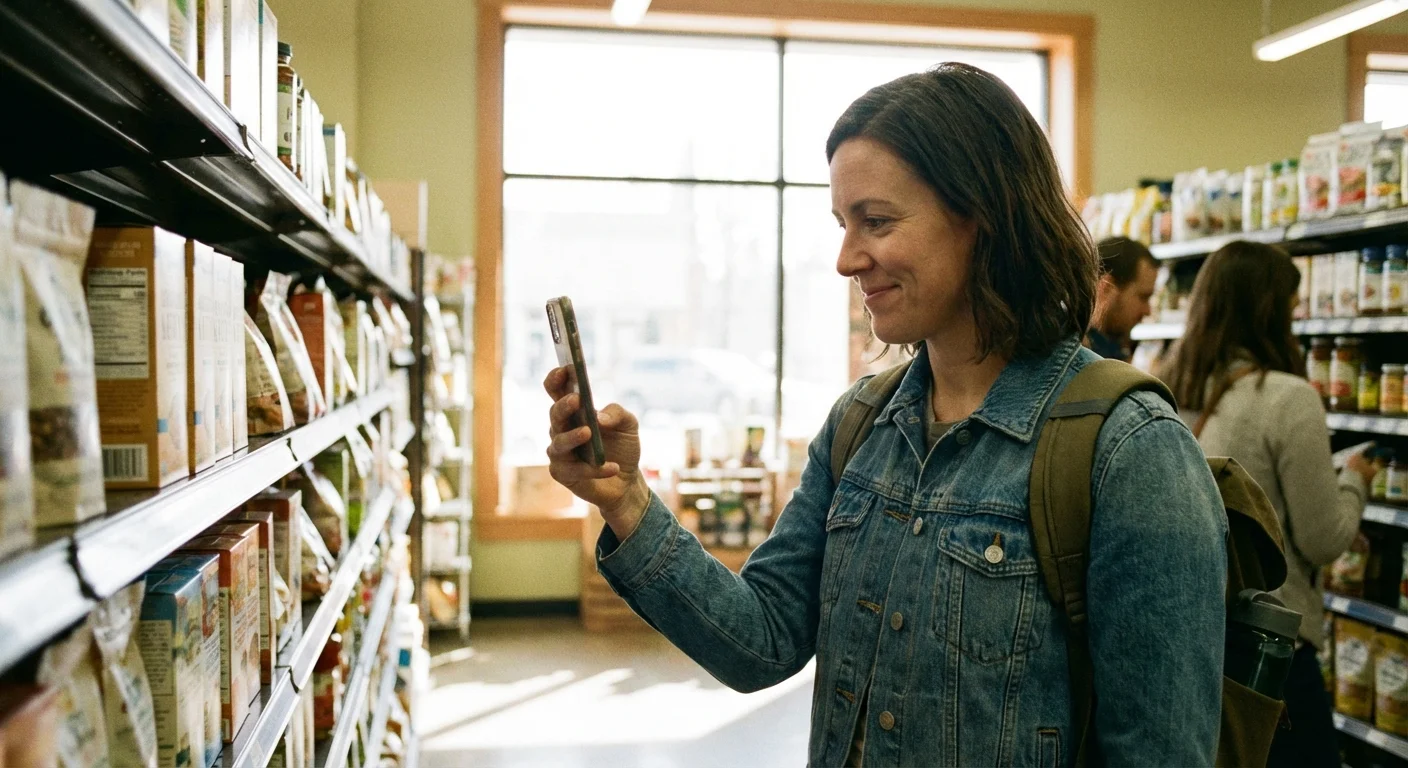
Keep a running tally in your head or on your phone as you shop. This creates a psychological “friction” that makes you think twice before grabbing an extra item. When you see your total climbing toward your limit, you are more likely to put back that bag of expensive pita chips and stick to the carrots you found on the perimeter.
Frequently Asked Questions
Is shopping the perimeter more expensive because fresh food spoils?
It can be if you overbuy. The key is to buy only what you will eat within 3-5 days. For everything else, use the “frozen perimeter” strategy. When you stop buying expensive boxed snacks and pre-made meals, you free up significant budget room for fresh proteins and produce.
What if my store doesn’t have a good produce section?
If your local supermarket has poor produce, look for a local ethnic grocery store or a discount chain like Aldi or Lidl. These stores often have much smaller “middle aisles” and focus heavily on perimeter staples at a significantly lower price point.
Are organic items on the perimeter worth the extra cost?
This is a personal choice, but for budget-conscious shopping, focus on the “Dirty Dozen” and “Clean Fifteen” lists. Some items, like avocados and onions, have very low pesticide residue, so buying conventional versions is a safe way to save. Spend your organic budget on items where it matters most, like berries or leafy greens.
Shopping the perimeter is more than just a navigation tactic; it is a shift in mindset. By prioritizing whole foods and avoiding the high-margin “traps” in the center of the store, you take control of both your health and your wallet. You don’t need to be an extreme couponer to save money. You just need to be intentional about where you spend your time and your dollars within those four walls.
Start small on your next trip. Spend 70% of your time on the edges of the store. You will likely find that your grocery bags are heavier, your body feels better, and your bank account stays fuller. The best time to start saving was yesterday, but the second best time is today.
This article provides general money-saving guidance. Individual results vary based on location, household size, and spending patterns. Verify current prices before making purchasing decisions.
Last updated: February 2026. Prices change frequently—verify current costs before purchasing.









Leave a Reply