
Standing at the grocery checkout line often feels like watching a high-stakes countdown, except the numbers only go up. According to the Bureau of Labor Statistics, food costs remain one of the most significant stressors for American households, trailing only housing and transportation. For a family of four, the USDA Thrifty Food Plan—the government’s estimate for a nutritious, low-cost diet—currently sits well above $900 per month. Attempting to slash that figure to $400 requires more than just clipping a few coupons; it demands a fundamental shift in how you view food, waste, and the retail environment.
Feeding four people on $100 a week is an aggressive goal, but it is achievable if you treat your kitchen like a business. You must eliminate impulse buys, master the art of the “re-purposed” meal, and understand that every dollar you save at the grocery store is a dollar that can go toward your mortgage, emergency fund, or retirement. This guide provides the blueprint to help you navigate the aisles with surgical precision and keep your family well-fed without draining your bank account.

The Math of a $100 Weekly Grocery Budget
To succeed, you must break the monthly $400 goal into a weekly $100 target. This allows you to pivot quickly if you overspend one week due to a stock-up sale. On a $100 weekly budget for four people, you are looking at approximately $3.57 per person, per day. If you break that down further into three meals a day, you have roughly $1.19 per meal.
These numbers seem tight because they are. However, you aren’t buying every meal in a vacuum. You are building a pantry of staples—rice, flour, beans, and oils—that lower the average cost of every dish you prepare. When you buy a 20-pound bag of rice, the “per meal” cost of that starch drops to pennies. Your success depends on balancing these low-cost staples with strategic protein purchases and seasonal produce.
“It’s not your salary that makes you rich, it’s your spending habits.” — Charles A. Jaffe

Strategic Meal Planning: The Reverse Method
Most shoppers make the mistake of choosing recipes and then buying the ingredients. This is the fastest way to blow a $400 budget because you become a “price taker” rather than a “price maker.” Instead, adopt the reverse meal planning method. This strategy ensures you use what you already have and only buy what is on sale.
- Shop your pantry first: Before looking at a circular, look in your cabinets. If you have two cans of black beans and a box of pasta, your meal plan should start with black bean chili and a pasta bake.
- Check the loss leaders: Open your grocery store’s app and look at the front-page specials. These are “loss leaders”—items stores sell at a loss to get you in the door. If chicken thighs are $0.99 a pound, chicken becomes your primary protein for the week.
- Build around the sales: Once you identify the 2-3 cheapest proteins and seasonal vegetables, build your menu around them. Do not deviate from this list once you enter the store.

Where You Shop Determines Your Success
You cannot hit a $400 monthly target if you do all your shopping at high-end grocers or boutique markets. Where you spend your money is just as important as what you buy. Data from Clark Howard consistently shows that deep-discount grocers like Aldi and Lidl can save consumers 30% to 50% compared to traditional supermarkets.
If you have access to a WinCo or a salvage grocery store, use them for your dry goods. For a family of four, the “warehouse club” model (Costco or Sam’s Club) can be a double-edged sword. While the unit prices on bulk oats or frozen fruit are excellent, the high “entry price” of a $200 bulk trip can wreck a weekly $100 budget. Use warehouse clubs only for non-perishable staples and only when your budget has a surplus from a previous week.
Price Comparison: Store Brands vs. National Brands
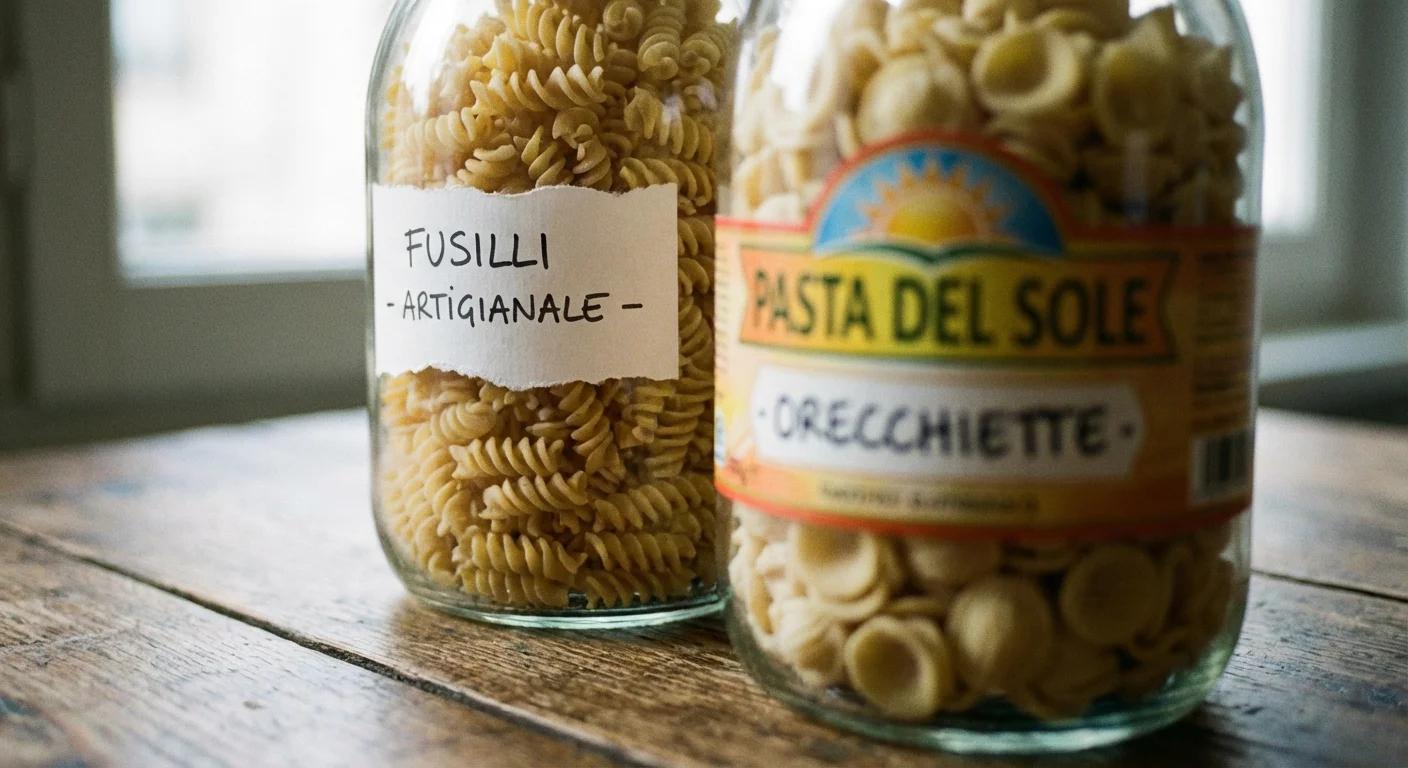
The easiest way to see an immediate 25% reduction in your food cost reduction efforts is to switch to private-label (store brand) products. In most cases, these products are manufactured in the same facilities as the brand-name versions, using nearly identical ingredients.
| Product (Typical Size) | National Brand Price | Store Brand Price | Potential Savings |
|---|---|---|---|
| Canned Black Beans (15 oz) | $1.49 | $0.79 | 47% |
| Peanut Butter (16 oz) | $3.89 | $1.99 | 49% |
| Quick Oats (42 oz) | $6.25 | $3.95 | 37% |
| Greek Yogurt (32 oz) | $5.99 | $3.49 | 42% |
| Pasta (16 oz) | $1.89 | $0.95 | 50% |
By making these swaps across your entire cart, you effectively increase your purchasing power without spending an extra dime. Focus on “blind” ingredients—items like salt, sugar, flour, canned veggies, and frozen fruit—where the brand name adds zero value to the final dish.
The “Meat as a Garnish” Philosophy
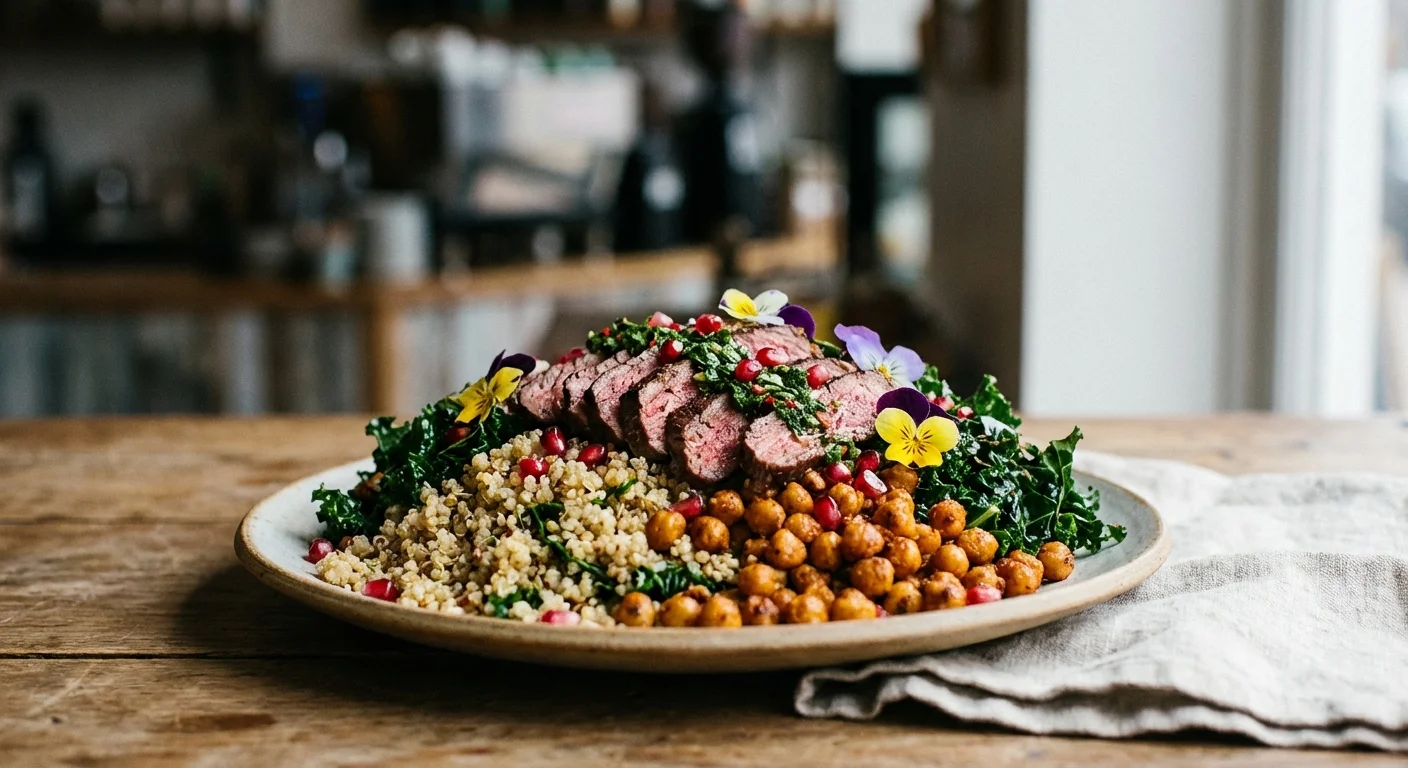
Protein is almost always the most expensive part of a grocery budget. To feed a family of four on $400, you must move away from the “meat, starch, and veg” plate structure where a large chicken breast or steak takes center stage. Instead, treat meat as a flavor enhancer or a garnish.
Stir-frys, casseroles, soups, and stews allow you to stretch one pound of ground beef or two chicken breasts across four to six servings. By bulking out these meals with high-fiber fillers like lentils, beans, or shredded carrots, you keep the family full for a fraction of the cost. Lentils, in particular, are a nutritional powerhouse that costs roughly $0.10 to $0.15 per serving when bought in dry bags. Use the USDA Food and Nutrition resources to find nutrient-dense, low-cost alternatives to expensive cuts of meat.
Costly Mistakes to Avoid
Even the best-laid plans fail when you fall into common retail traps. The grocery store is designed to make you spend money, from the smell of the bakery to the placement of items at eye level. Avoid these specific pitfalls to keep your $100 weekly goal intact:
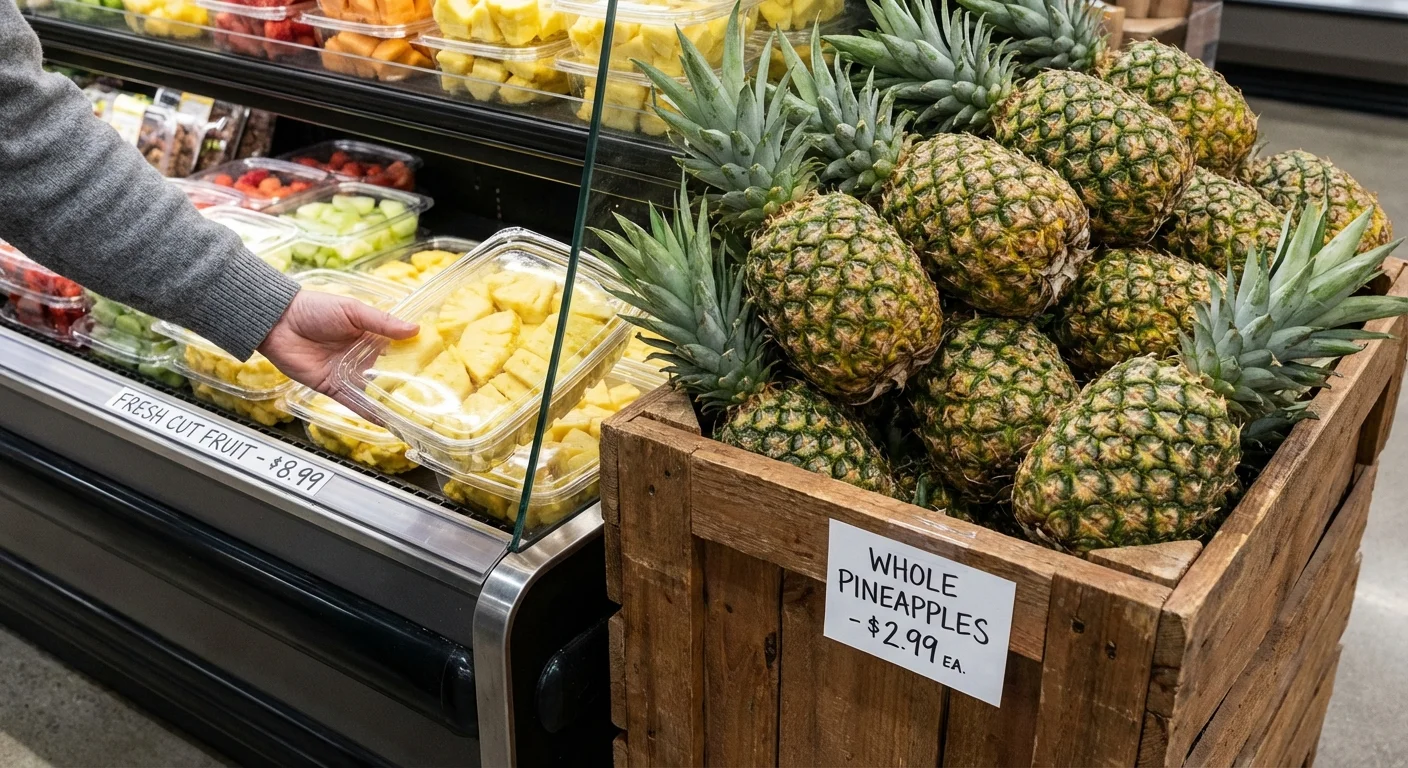
- Buying pre-cut produce: You pay a massive premium for convenience. A bag of pre-shredded lettuce or pre-sliced onions can cost three to four times more per pound than the whole versions. Invest ten minutes in knife work to save $10 a week.
- Ignoring the unit price: The large font on the price tag is the “retail price,” but the small font in the corner is the “unit price” (e.g., price per ounce). Always compare the unit price. Sometimes the “family size” is actually more expensive per ounce than the standard size.
- Shopping without a list: Data shows that shoppers without a list spend up to 40% more on impulse purchases. If it isn’t on the paper (or in your app), it doesn’t go in the cart.
- Falling for “10 for $10” traps: Retailers use these promotions to encourage volume. Read the fine print; usually, you can buy just one for $1.00. Don’t buy ten of an item you only need two of just because the sign looks appealing.
A Sample 7-Day $100 Menu for a Family of 4
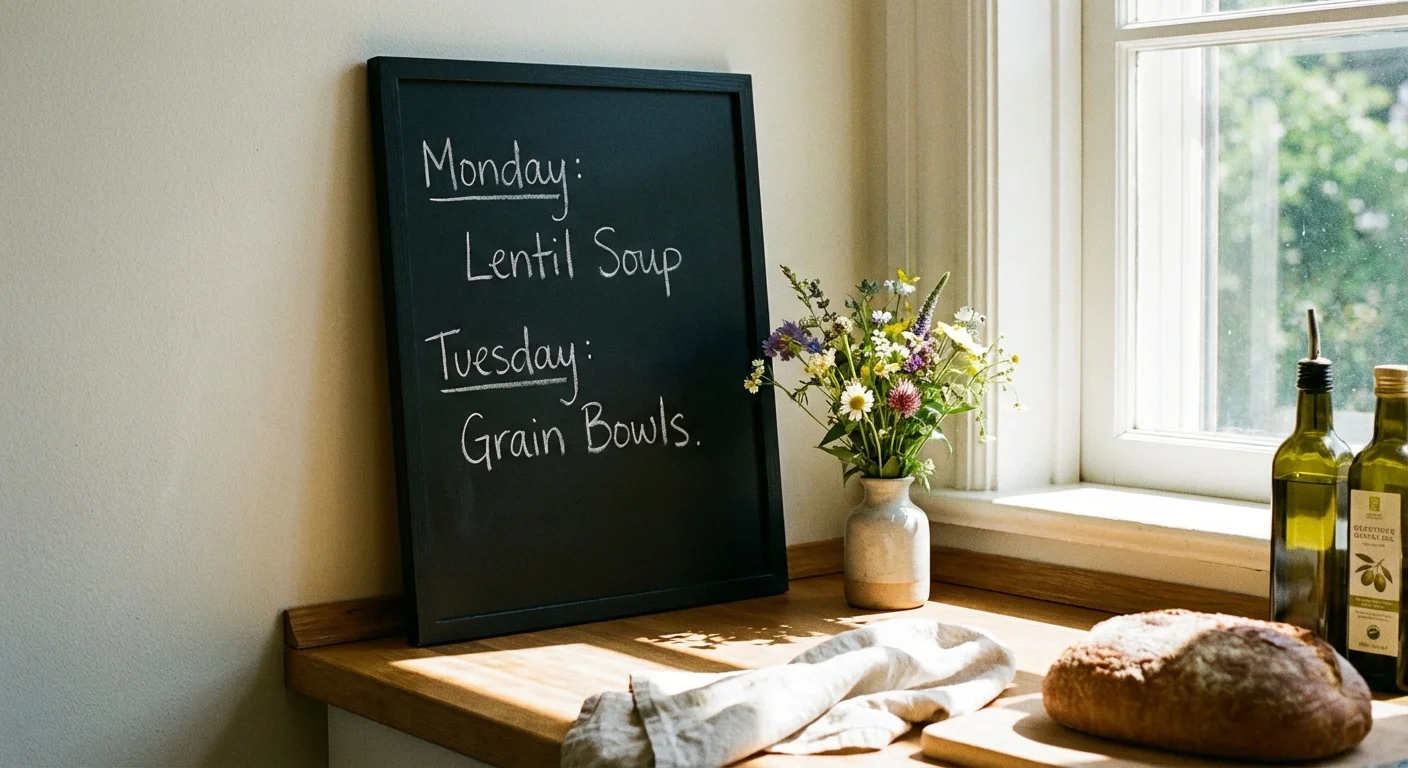
To visualize how this works in practice, consider a sample week where the primary proteins are a whole roaster chicken ($7.00), a 2-lb bag of dry black beans ($2.50), a dozen eggs ($2.50), and a 1-lb roll of ground turkey ($4.00).
- Breakfasts: Large tubs of oats with bananas or generic peanut butter. Hard-boiled eggs on weekends.
- Lunches: Leftovers from the night before or classic peanut butter and jelly sandwiches. Seasonal fruit (apples or oranges) on the side.
- Monday: Roasted chicken with carrots and potatoes. (Keep the carcass!)
- Tuesday: Chicken tacos using shredded meat from the leftover chicken, supplemented with black beans.
- Wednesday: Black bean and vegetable chili served over brown rice.
- Thursday: Homemade chicken noodle soup using the broth made from Monday’s chicken carcass and leftover veggies.
- Friday: Ground turkey pasta bake with generic marinara and a side of frozen peas.
- Saturday: Breakfast for dinner: Scrambled eggs, toast, and home fries.
- Sunday: “Kitchen Sink” Fried Rice using the last of the eggs, rice, and any wilting vegetables in the crisper drawer.
This menu focuses on “ingredient crossover,” where one purchase (like the whole chicken) provides the base for three different nights of food. This is the secret to cheap family meals that don’t feel like a sacrifice.
Skip DIY When…
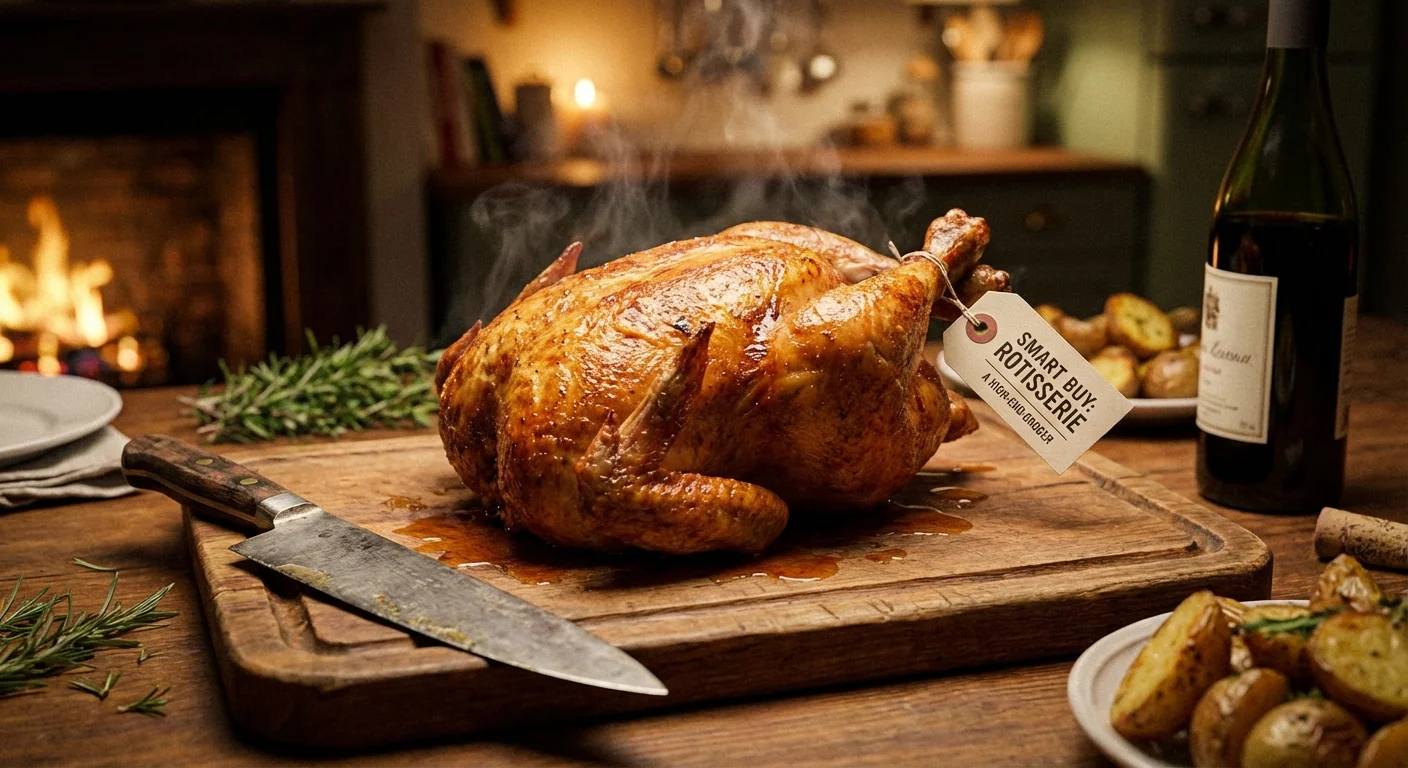
While DIY is the gold standard for grocery shopping on a budget, there are rare occasions where buying pre-made makes more sense. For example, if a rotisserie chicken is on sale for $4.99 at your local warehouse club, it is often cheaper than buying a raw whole chicken, plus you save the energy cost of running your oven for 90 minutes. Similarly, if you work a 12-hour shift and the choice is between a $5 frozen pizza and a $40 takeout order because you’re too tired to cook from scratch, choose the frozen pizza. Practicality must coexist with frugality.

The Role of Seasonal Produce
Buying strawberries in January or asparagus in October will destroy your budget. Out-of-season produce must be shipped from thousands of miles away, and you pay for that fuel. Stick to the “Core Four” vegetables that are almost always affordable: carrots, cabbage, onions, and potatoes. For everything else, follow the seasons or head to the freezer aisle. Frozen vegetables are frozen at peak ripeness and offer the same nutritional value as fresh, often at half the price per pound.
“Beware of little expenses; a small leak will sink a great ship.” — Benjamin Franklin
FAQs About Extreme Grocery Budgeting
Can I still buy organic on a $400 budget?
It is difficult but possible if you prioritize. Use the “Dirty Dozen” and “Clean Fifteen” lists to decide which organic items are worth the extra cost. Focus your organic budget on items where you eat the skin (like apples or berries) and buy generic for everything else. However, at the $400 level, you may need to prioritize calories and basic nutrition over organic labels.
How do I handle picky eaters with such a limited budget?
The best approach is “deconstructed meals.” If you are making a taco salad but one child hates beans, keep the beans in a separate bowl. You are still using the same low-cost ingredients, but allowing family members to customize their plates reduces food waste and dinner-time stress.
Is bulk buying always the best strategy?
No. Bulk buying is only a saving if you actually use the product before it expires. Buying a gallon of mustard because it’s a “great deal” is a waste of money if your family only uses one bottle a year. Prioritize bulk spending on items you use weekly, such as rice, flour, oats, and toilet paper.
Taking the First Step
Moving your family to a $400 monthly grocery budget won’t happen overnight. If you currently spend $1,000, aiming for $400 next month might lead to burnout and a Friday night pizza binge. Instead, aim to reduce your spending by $100 each month. Start by tracking every penny you spend on food for 30 days—including those “quick trips” for milk that turn into $40 hauls.
Use tools like budgeting apps to categorize your spending and identify your leaks. Once you see the data, the choices become easier. You aren’t just “cutting back”; you are choosing to spend your money on your family’s future rather than on overpriced cereal and convenience packaging. Start your next shopping trip with a clear list, a full stomach, and the determination to keep those dollars in your pocket.
This article provides general money-saving guidance. Individual results vary based on location, household size, and spending patterns. Verify current prices before making purchasing decisions.
Last updated: February 2026. Prices change frequently—verify current costs before purchasing.








Leave a Reply