
The average price of a new car in the United States has hovered near $47,000 for the last year—a figure that forces many families to reconsider their transportation budget entirely. While the used car market offers some relief, prices there remain elevated compared to pre-pandemic norms. You might find yourself scrolling through listing sites, wondering if there is a middle ground between an overpriced new sedan and a high-mileage gamble from a private seller. This is where retired rental cars enter the conversation.
Every year, major rental agencies like Hertz, Enterprise, and Avis refresh their fleets. They cycle out hundreds of thousands of vehicles that are typically only two to four years old. These cars often hit the market at prices significantly lower than what you would find at a traditional franchise dealership. However, the stigma of the “abused rental car” persists. To make an informed decision, you need to look past the myths and analyze the actual data regarding maintenance, depreciation, and long-term reliability.

Understanding the Rental Fleet Life Cycle
Rental companies operate on a high-volume, high-turnover business model. They generally purchase vehicles directly from manufacturers in massive quantities—often referred to as “program cars.” These vehicles serve their time in the rental pool for roughly 12 to 36 months before the company decides to sell them to keep the fleet fresh and under warranty. When you look at Hertz car sales or similar programs, you are looking at the inventory they chose to sell directly to consumers rather than shipping off to a wholesale auction.
According to data from Kelley Blue Book, rental units often accumulate miles faster than personal vehicles—averaging 20,000 to 30,000 miles per year—but they are also subjected to strict, documented maintenance schedules. Unlike a private seller who might forget an oil change for three months, a multi-billion dollar corporation views vehicle maintenance as a liability management strategy. They follow the manufacturer’s recommendations to the letter to ensure the cars remain safe and retain as much resale value as possible.

The Financial Advantages of Going Retired
The primary driver for buying rental cars is the immediate savings on the sticker price. Because these companies buy in bulk and self-insure, they can afford to price their inventory aggressively to move it quickly. You will often find these vehicles priced $1,000 to $3,000 below the market value of a comparable unit at a traditional used car lot.
- No-Haggle Pricing: Most rental sales divisions use a fixed-pricing model. If you find the negotiation process at a dealership stressful, this environment removes that friction. The price you see online is the price you pay.
- Recent Technology: Because the fleets turn over so quickly, you are almost guaranteed to get modern safety features like backup cameras, lane-departure warnings, and Apple CarPlay/Android Auto without paying new-car prices.
- Warranty Transfers: Many retired rentals are still young enough to carry the remainder of the original manufacturer’s powertrain warranty. Additionally, sellers like Enterprise or Hertz typically provide a limited powertrain warranty of their own (often 12 months/12,000 miles) for added peace of mind.
“The goal isn’t to be cheap—it’s to be intentional.”
The Potential Drawbacks You Must Consider
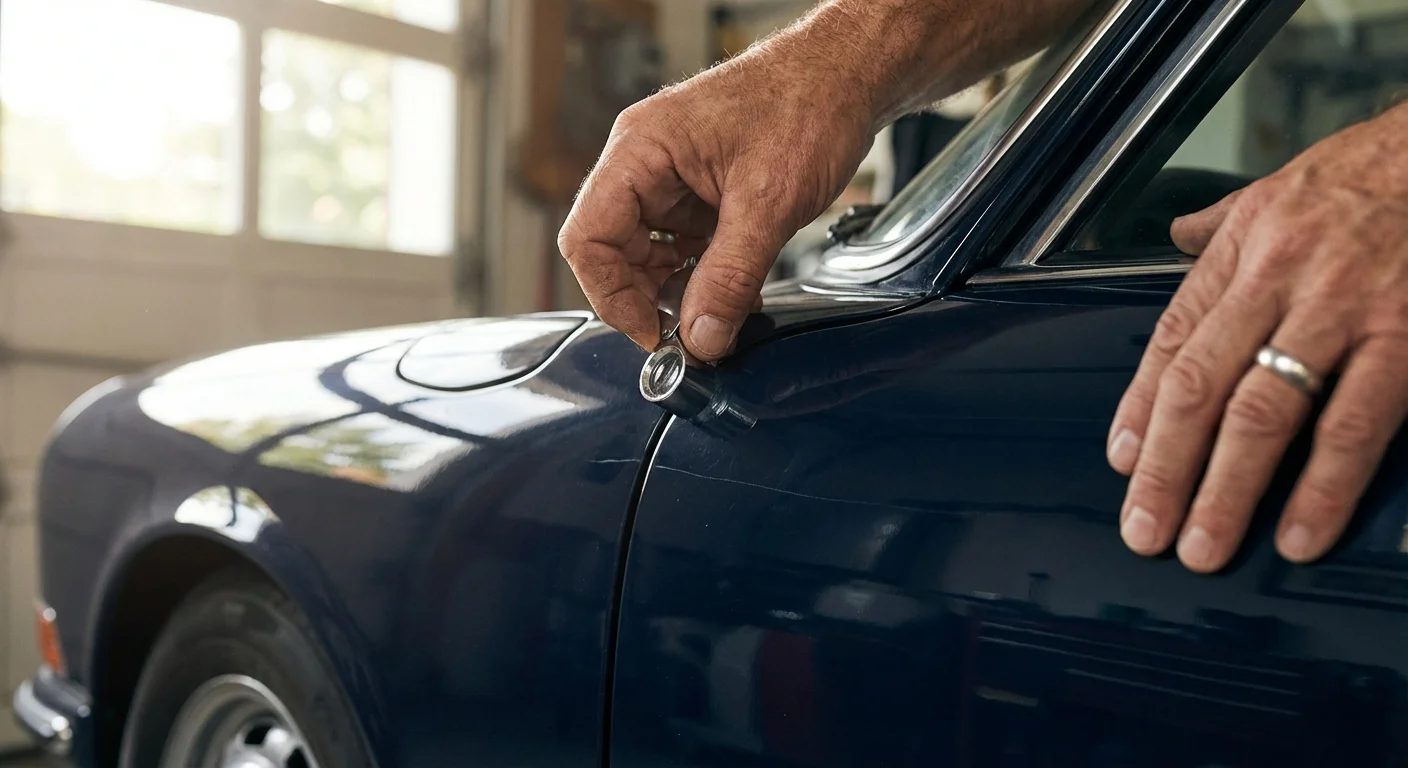
While the price tag is enticing, you are trading off certain “unknowns” for that discount. The most common concern is the variety of drivers who have sat behind the wheel. A single rental car may have been driven by 50 different people in one year—some of whom may have treated the engine with less respect than they would their own vehicle. While modern engines are resilient, frequent “hard” driving can lead to premature wear on components like brakes, tires, and suspension bushings.
Furthermore, these cars are often “base trim” models. Rental agencies prioritize fuel efficiency and ease of cleaning over luxury. You might find plenty of Toyota Camrys or Chevy Malibus with cloth seats, but you are less likely to find a top-tier trim with a panoramic sunroof or premium leather. If you want a specific color or a rare feature package, the rental market will likely disappoint you.
Finally, there is the “rental car tax” on resale value. When you eventually go to sell or trade in the car, the vehicle history report will clearly state “Ex-Rental” or “Fleet Vehicle.” Some buyers and dealerships perceive this as a negative, which could lower your trade-in value by 5% to 10% compared to a single-owner car. However, if you plan to drive the car into the ground over the next decade, this initial hit to resale value becomes irrelevant.

Buying Comparison: Rental vs. Private vs. Dealership
To visualize where your money goes, consider this comparison of a three-year-old midsize sedan with 45,000 miles.
| Feature | Retired Rental Sale | Traditional Used Dealer | Private Party Seller |
|---|---|---|---|
| Price Point | Lowest (Typically below KBB) | Highest (Includes dealer markup) | Moderate (Highly variable) |
| Maintenance Records | Excellent (Digital logs available) | Hit or Miss | Rarely Complete |
| Condition | Mechanically sound; cosmetic wear | Detailed/Refurbished | As-Is |
| Financing | Available on-site | Extensive options | Must secure your own |
| Return Policy | Often 3–7 days | Rare/Non-existent | None |
Essential Used Car Buying Tips for Rental Inventory
Do not let the professional atmosphere of a rental sales center lure you into a false sense of security. You still need to do your due diligence. Start by requesting the full maintenance history. A reputable seller should be able to show you exactly when the oil was changed, when the tires were rotated, and if any major repairs were performed.
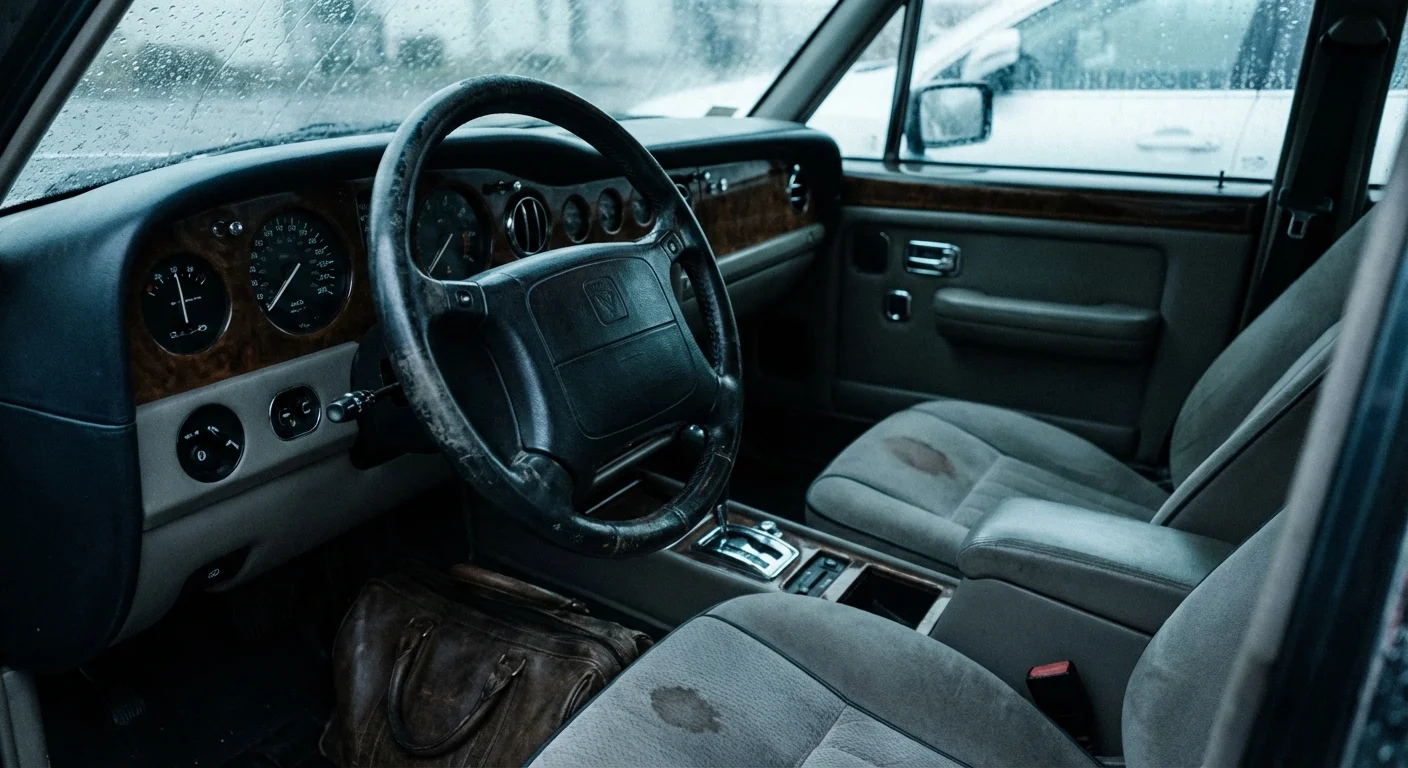
Pay close attention to the interior. While the mechanicals are usually well-kept, the cabin can take a beating. Look for stains in the headliner, heavy wear on the steering wheel, and scratches on the plastic door panels. These are “quality of life” issues that won’t stop the car from running but might annoy you daily. Use resources like Edmunds to check for common mechanical recalls on that specific year and model to ensure the rental agency addressed them.
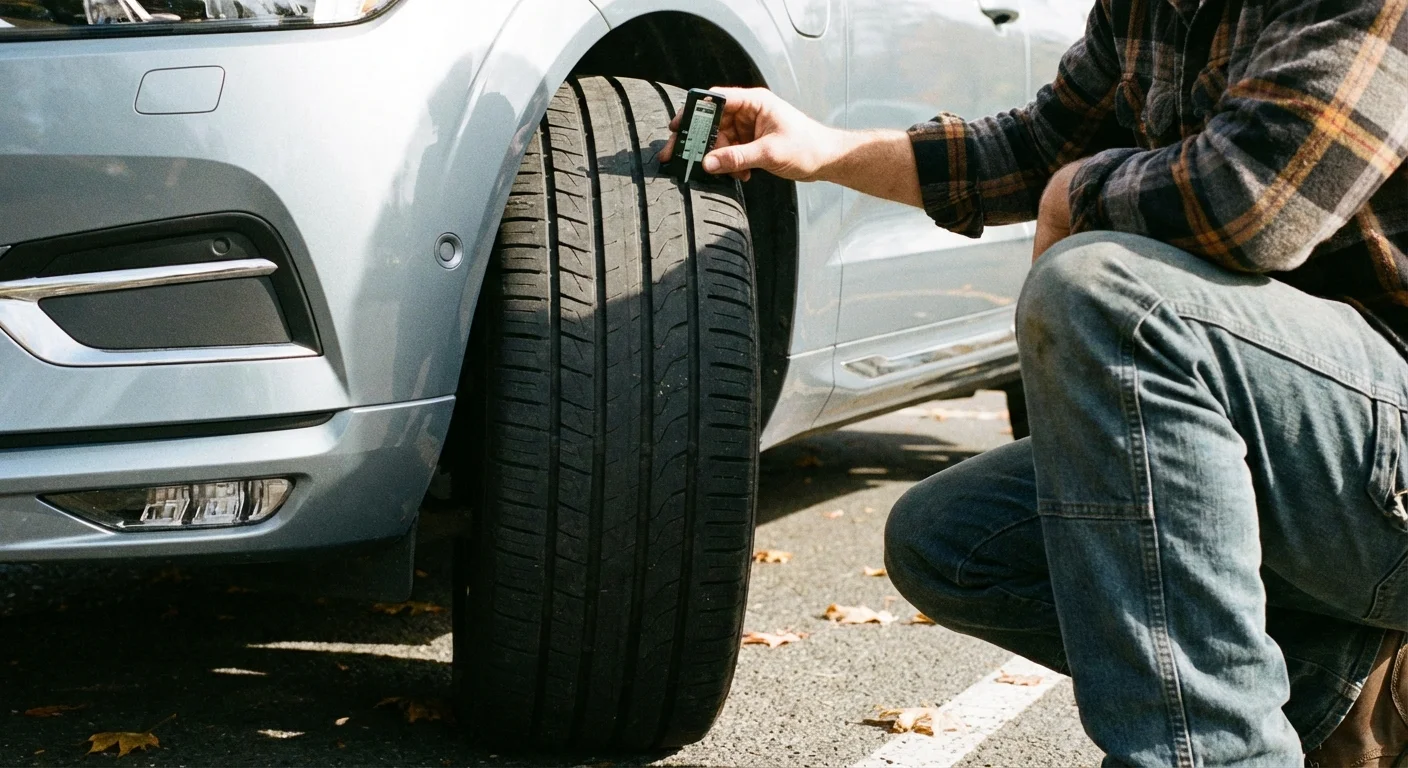
Check the tires immediately. Rental companies often replace tires with the cheapest available options just before selling the car. If the tread is low or the brand is an unknown “budget” tire, use that as leverage or prepare to spend $600 to $800 shortly after purchase to upgrade to a safer set. High-quality tires significantly impact fuel economy and stopping distances, which directly affects your long-term savings.
Costly Mistakes to Avoid
Buying a car is a major financial commitment, and even a “good deal” can turn sour if you miss the warning signs. Avoid these common pitfalls when shopping the rental lots:
- Skipping the Pre-Purchase Inspection (PPI): Even if the car comes with a 12-month warranty, take it to an independent mechanic. For about $150, they can put the car on a lift and check for frame damage or signs of a “hidden” accident that might not have made it onto a Carfax report.
- Ignoring the “Buy-Back” Window: Many rental sellers offer a 3-day or 7-day return policy. Use this time to drive the car in all conditions—highway, stop-and-go traffic, and at night. If you notice a transmission shudder or a strange noise, return it immediately rather than waiting for a warranty claim.
- Focusing Only on Monthly Payments: Rental car sales offices will try to sell you add-ons like gap insurance, extended warranties, and “paint protection.” According to the Consumer Financial Protection Bureau (CFPB), these add-ons can balloon your loan balance. Always negotiate based on the “out-the-door” price, not the monthly payment.
- Failing to Check Insurance Rates: Sometimes, cars with a “fleet” history carry slightly higher insurance premiums depending on the provider. Get a quote from your insurance agent using the specific VIN before you sign the paperwork.
“It’s not your salary that makes you rich, it’s your spending habits.” — Charles A. Jaffe

Long-Term Savings and the “Sweet Spot”
To maximize your savings, look for vehicles that have just hit the 35,000-mile mark. Why? Because most manufacturer bumper-to-bumper warranties expire at 36,000 miles. Rental companies often offload cars just before this threshold to avoid paying for repairs themselves. If you buy at 34,000 or 35,000 miles, you have a brief window to take the car to an authorized brand dealer and have any lingering issues fixed for free under the original factory warranty.
Also, consider the “boring” cars. The Toyota Corolla, Hyundai Elantra, and Ford Escape are staples of rental fleets. Because there are so many of them, the parts are cheap and every mechanic knows how to fix them. Choosing a common model ensures that your long-term maintenance costs remain low. Avoid the “prestige” rentals—like entry-level BMWs or Infinitis—which might have lower purchase prices but will crush your budget with expensive European parts and specialized labor rates later on.

Skip DIY When…
While stretching your dollar is the goal, there are times you should avoid buying a retired rental car and instead look at certified pre-owned (CPO) options or new cars:
- You need a specialized vehicle: If you require a heavy-duty towing capacity or specific off-road packages, rental fleets rarely carry these. Most rental trucks are base-model 1500 series with limited towing features.
- You drive very high annual miles: If you already drive 20,000 miles a year, starting with a car that already has 50,000 miles means you will hit the 100,000-mile mark (where major repairs often begin) much faster. In this case, a lower-mileage CPO car might be a better long-term value.
- You are sensitive to smells: Despite “no smoking” policies, rental cars occasionally have lingering odors from previous occupants or heavy industrial cleaning chemicals. If you have asthma or scent sensitivities, the deep-cleaning processes used by rental agencies might be an issue.
Frequently Asked Questions
Are rental cars actually maintained better than private cars?
In most cases, yes. Large corporations use automated systems to track maintenance. A private owner might delay an oil change because they are busy, but a rental agency risks liability if they rent out an unmaintained vehicle. They have on-site garages or contracts with national chains to ensure regular service.
Will I get a better interest rate at a rental car sales lot?
Not necessarily. While they offer financing, their rates are often comparable to standard used car dealerships. To save the most money, get a pre-approval from your local credit union first. Use that as your benchmark when the rental company offers you their financing package.
Do these cars have salvage titles?
No. Major rental companies sell their “clean title” vehicles through their consumer programs. Any vehicle that has been totaled or sustained major structural damage is typically sold at salvage auctions to parts recyclers, not to the general public through their retail arms.
Can I trade in my old car at a rental sale location?
Yes, most major players like Enterprise and Hertz Car Sales accept trades. However, you should still get a quote from a site like USA.gov Consumer Resources recommended sites or a dedicated car-buying service to ensure you are getting a fair price for your trade-in.
Is a Retired Rental Right for You?
Buying a retired rental car is a strategic move for the intentional spender. You are essentially taking advantage of the massive depreciation that occurs in the first two years of a car’s life—a cost the rental company has already absorbed. If you prioritize reliability, modern safety features, and a transparent buying process over “new car smell” and leather seats, this path offers a clear way to keep more money in your pocket.
The key to success is removing the emotion from the transaction. Treat the purchase like the business transaction it is. Inspect the vehicle, verify the records, and don’t be afraid to walk away if the specific unit doesn’t meet your standards. By doing the legwork upfront, you can secure a dependable vehicle that will serve you for years while keeping your monthly budget intact.
Take a look at your local inventory today. Compare the prices of a few models you like against their traditional dealership counterparts. You might find that the “rental” tag is actually a badge of savings in disguise.
Last updated: February 2026. Prices and availability mentioned reflect research at the time of writing and may vary by location and retailer. Your actual savings will depend on your specific situation and shopping habits.








Leave a Reply