
You wake up to a slow-draining shower and a faint, metallic odor wafting from the guest bathroom. By lunchtime, the floor drain in the basement begins to gurgle. Most homeowners ignore these subtle warnings until a literal geyser of waste erupts in the laundry room. At that point, you aren’t just looking at a plumber’s service call; you are staring down a catastrophic financial event. Whether your home relies on a backyard septic system or a municipal sewer line, neglect leads to the same destination: a five-figure repair bill that most homeowners’ insurance policies won’t fully cover.
Understanding the mechanics of your home’s waste management is the first step toward significant home utility savings. While a municipal sewer system might feel like someone else’s problem, you generally own the “lateral” line from your house to the street. If that pipe collapses, the $5,000 to $15,000 bill lands squarely on your shoulders. Septic owners face even steeper risks, with full system replacements often exceeding $20,000 in modern regulatory environments. You can avoid these financial landmines by adopting a proactive maintenance mindset today.

The Financial Stakes: Why Prevention Outpays Repair
Data from home services platforms like Angi and HomeAdvisor suggest that the average sewer line repair cost ranges from $1,500 to $4,000 for minor fixes—but complete replacements involving excavation under driveways or landscaping frequently hit the $10,000 mark. Septic systems are even more sensitive. A simple pump-out costs roughly $400, yet a failed drain field can cost as much as a new economy car.
“Beware of little expenses; a small leak will sink a great ship.” — Benjamin Franklin
This principle applies perfectly to your plumbing. A leaky toilet might seem like a minor nuisance, but in a septic system, that constant trickle of water saturates the soil in your leach field. Over time, this prevents the soil from treating waste effectively, leading to total system failure. By spending a few hundred dollars on routine inspections, you effectively purchase insurance against a $10,000 catastrophe.
What You’ll Save with Proactive Care
- Septic Pumping: Spending $400 every three years prevents a $15,000 leach field collapse.
- Sewer Scoping: A $200 video inspection can identify root intrusions before they crack your pipes, saving $5,000 in excavation costs.
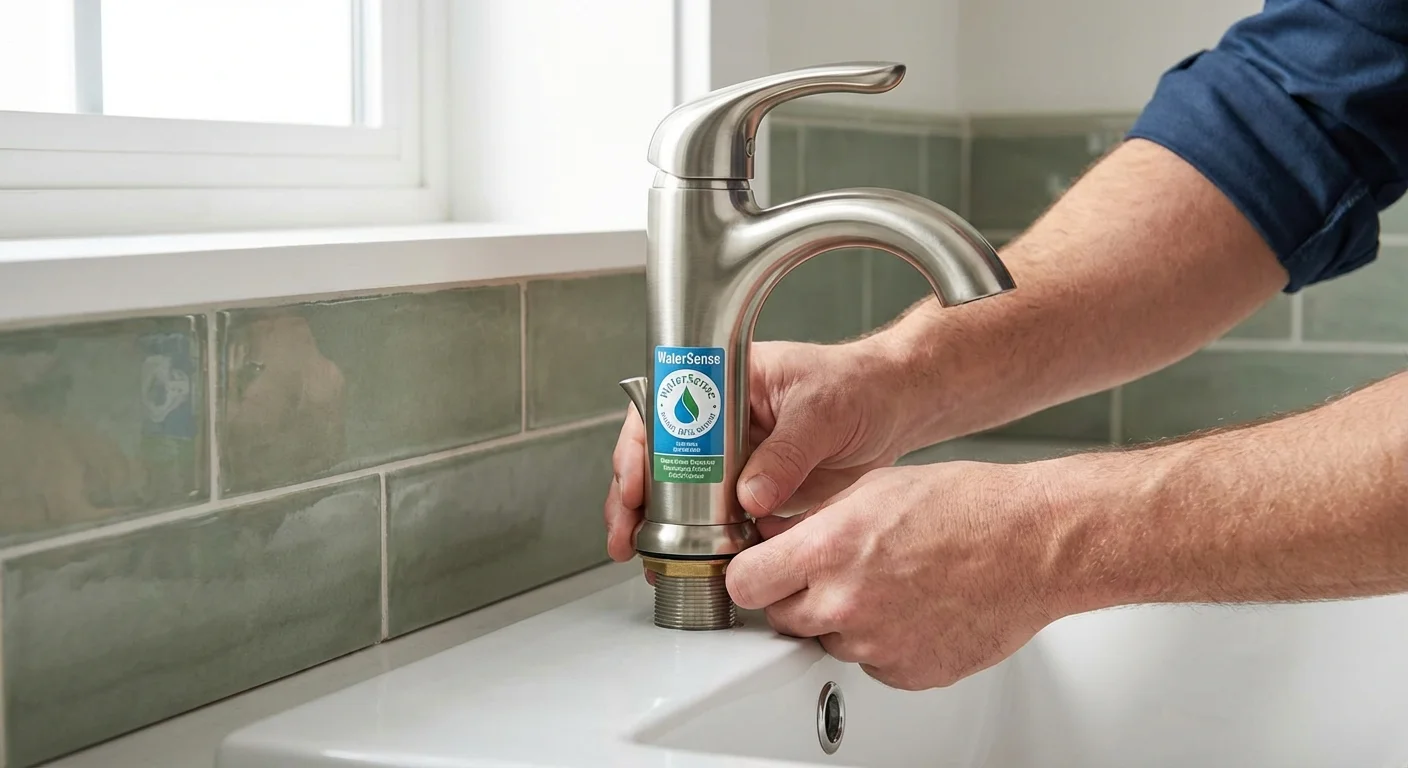
- Fixture Upgrades: Installing WaterSense-labeled toilets reduces the hydraulic load on your system, extending its lifespan by years.
- Tree Management: Removing a $500 invasive tree today prevents a $7,000 sewer line replacement tomorrow.

Mastering Septic Tank Maintenance
If you own a septic system, you are essentially the manager of a small-scale biological treatment plant. The system relies on a delicate balance of bacteria to break down solids. When you disrupt this balance or overwhelm the system with volume, the results are expensive.
Your primary goal is septic tank maintenance that preserves the health of the “sludge” and “scum” layers. Solids settle at the bottom (sludge), while grease and oils float to the top (scum). The liquid in the middle—the effluent—exits to the drain field. If you let the sludge layer grow too thick, those solids exit into your drain field pipes, clogging the soil pores and killing the system.
The EPA WaterSense program emphasizes that water efficiency is the most effective way to protect a septic system. Every gallon of water you save is a gallon that doesn’t have to be processed by your backyard soil. To maximize the life of your septic system, follow these tactical steps:
- Pump every 3 to 5 years: Do not wait for a backup. A professional should measure the sludge levels annually and pump when the solids occupy 30% of the tank volume.
- Map your system: Know exactly where your tank and leach field are located. Never drive a vehicle over them, as the weight can crush pipes and compact the soil, ending its ability to absorb water.
- Spread out laundry loads: Doing five loads of laundry on Saturday morning sends a massive “hydraulic surge” into the tank, pushing solids out into the drain field. Space your laundry throughout the week.
- Filter your washing machine: Synthetic fibers from fleece and polyester do not break down. They flow right through the tank and clog your drain field pipes. A $50 external lint filter can save you thousands.

Protecting Your Sewer Mainline
Many homeowners believe that because they pay a monthly utility bill, the city is responsible for everything beyond the toilet. This is a costly misconception. In almost every U.S. municipality, the homeowner is responsible for the “upper lateral”—the pipe connecting the home to the city’s main line under the street.
The biggest threat to sewer lines is root intrusion. Tiny hair-like roots find microscopic cracks in old clay or cast-iron pipes, seeking the nutrient-rich water inside. Once inside, they expand, acting like a net that catches grease and toilet paper. Eventually, the pipe bursts or clogs completely.
To keep your sewer line repair cost at zero, you must be vigilant about what enters the pipes. Older homes with “orangeburg” (bituminous fiber) or clay pipes are particularly vulnerable. If your home was built before 1980, consider a professional sewer scope every two years. This involves a technician running a camera through the line to check for cracks or sags (known as “bellies”) that collect debris.

Septic vs. Sewer: A Comparison of Costs and Responsibilities
Managing your expectations and your budget requires knowing which system you have and what the financial profile looks like over a decade.
| Feature | Septic System | Municipal Sewer |
|---|---|---|
| Monthly Cost | $0 (excluding electricity for pumps) | $40–$150 per month (usage dependent) |
| Routine Maintenance | $300–$600 every 3–5 years | Virtually $0 if used correctly |
| Expected Lifespan | 20–40 years | 50–100 years |
| Major Failure Risk | High (soil saturation/clogging) | Medium (root intrusion/pipe collapse) |
| Replacement Cost | $5,000–$25,000 | $3,000–$15,000 |
Where People Overspend: The “Flushable” Wipe Trap
One of the most effective ways to throw away money is by believing the marketing on a package of “flushable” wipes. Plumbers and wastewater engineers across the country are vocal about this: no wipe is truly flushable. Unlike toilet paper, which is designed to disintegrate in seconds, wipes are made of synthetic fibers and plastics that remain intact for weeks.
In a sewer system, these wipes combine with cooking grease to create “fatbergs”—massive, concrete-like clogs that stop up entire neighborhoods. In a septic system, they simply sit in the tank, taking up space and potentially clogging the baffles or pumps. If you want to protect your wallet, throw all wipes, feminine hygiene products, and paper towels in the trash can. The cost of a trash bag is pennies; the cost of hydro-jetting a wipe-clogged main line is often $500 or more.
Another area of overspending involves septic “starters” or chemical additives. Many companies sell monthly treatments claiming to “break down solids” so you never have to pump. However, the Consumer Reports and various university studies suggest these additives are often unnecessary and can sometimes be harmful. The human waste entering the tank already contains the bacteria needed for decomposition. Adding harsh chemicals can actually emulsify grease, allowing it to flow into your drain field and ruin it. Save your money and stick to regular pumping.

When to Call a Pro
You cannot DIY a collapsed sewer line or a saturated leach field. Recognizing the early warning signs allows you to call for a repair before the situation requires a total replacement.
- The “Sulfur” Smell: If you smell rotten eggs inside your home or near your septic tank, your vent stack is either blocked or your traps have dried out. More seriously, it could mean your septic tank is overfull.
- Lush Green Grass: If one patch of your lawn is significantly greener and faster-growing than the rest—especially over your drain field or sewer line—you likely have a leak. The sewage is acting as fertilizer, which indicates a breach in the pipe.
- Multiple Slow Drains: A single slow sink is a local clog. If every drain in the house is slow, the blockage is in the main line or the tank itself.
- Gurgling Noises: If your toilet bubbles when you run the bathroom sink, air is being trapped in the lines by a blockage. This is the final warning before a backup.
Smart Purchasing Decisions for Long-Term Savings
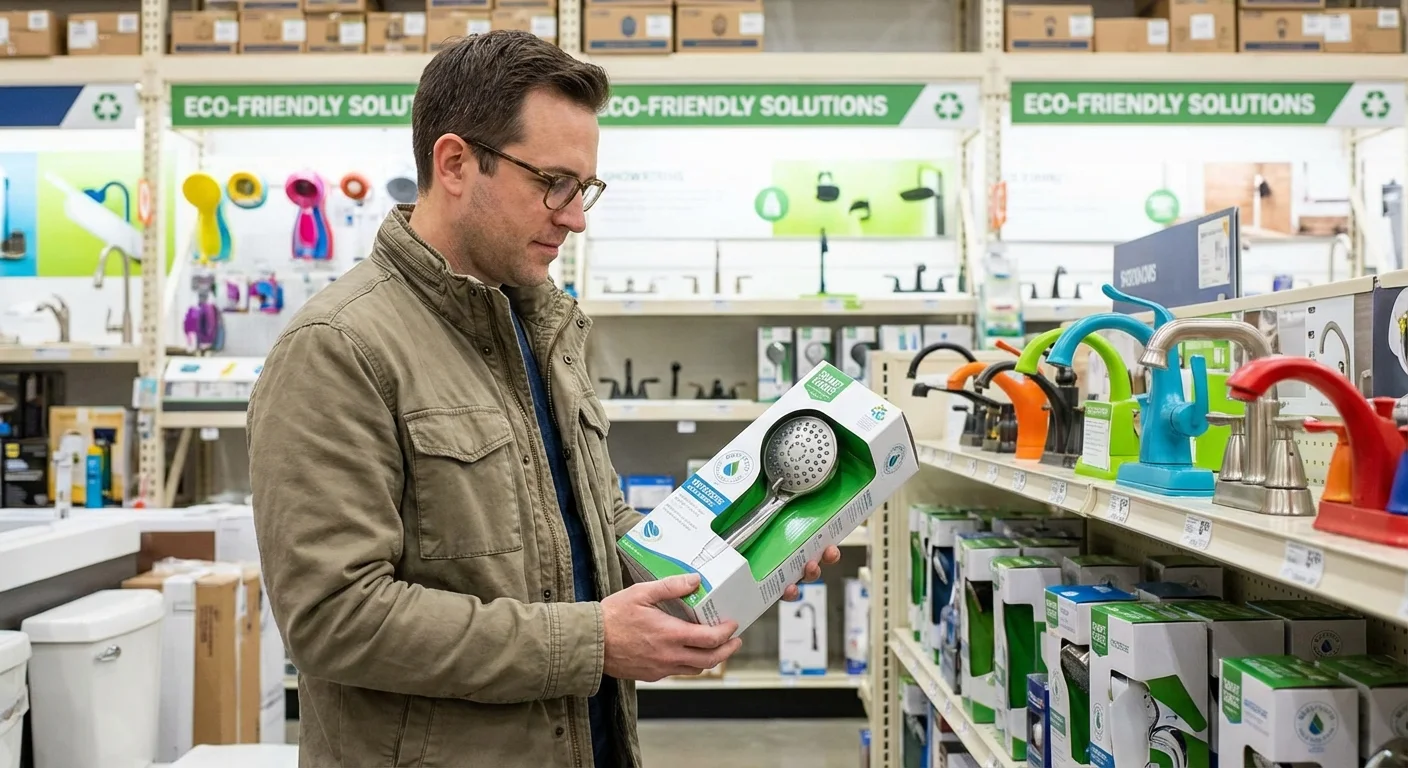
Your choices at the hardware store impact your plumbing health. If you are replacing fixtures, look for the WaterSense label. High-efficiency toilets use only 1.28 gallons per flush compared to older models that might use 3.5 to 5 gallons. Over the course of a year, a family of four can save 13,000 gallons of water. This isn’t just a win for the environment; it’s a massive reduction in the physical stress placed on your septic system or sewer lateral.
Furthermore, reconsider the garbage disposal. While convenient, garbage disposals are the natural enemy of septic systems. They introduce finely ground organic matter that doesn’t settle easily, increasing the sludge layer by up to 50%. If you must use one, you should double your pumping frequency. For the best home utility savings, compost your food scraps instead of sending them down the drain.
“It’s not your salary that makes you rich, it’s your spending habits.” — Charles A. Jaffe
Being intentional about what you put down your drains is a spending habit that pays dividends. You are choosing to keep $10,000 in your savings account rather than handing it to an excavation contractor because you were too lazy to scrape a dinner plate into the trash.
Frequently Asked Questions
Should I buy “sewer line insurance” offered by my utility company?
Many utilities partner with third-party insurers to offer coverage for $5 to $15 a month. For owners of older homes (pre-1970) with original clay or cast-iron pipes, this is often a wise investment. However, read the fine print; many policies exclude “pre-existing conditions” like root intrusion that was already present or “acts of God” like earth movement.
Can I use bleach if I have a septic system?
Moderate use of bleach for laundry is generally fine. However, you should avoid “everyday” use of heavy chemical drain cleaners or large amounts of bleach, as these can kill the beneficial bacteria in your tank. If you have a clog, try a mechanical snake or an enzyme-based cleaner before reaching for the caustic chemicals.
How do I know if my sewer line is failing?
Besides slow drains, look for patches of wet soil in your yard during dry weather or a sudden influx of rodents or sewer flies. If you suspect an issue, pay for a video pipe inspection. It is the only way to see the internal condition of the pipe without digging.
What is the average lifespan of a septic drain field?
With perfect maintenance, a drain field can last 30 to 50 years. With poor maintenance (flushing grease, never pumping, driving over the field), it can fail in as little as 5 to 7 years. The cost of a new drain field is the largest single expense in septic ownership.
Actionable Steps for This Weekend
Stop the cycle of “out of sight, out of mind” regarding your waste systems. This weekend, perform a simple “walk-over” of your property. Look for soggy spots, indentations in the soil, or unusually vibrant patches of grass. Check your home’s service records; if it has been more than three years since your last septic pump or ten years since a sewer scope, book an appointment. Spending $300 today is the most effective way to ensure you never have to find $10,000 for an emergency repair. Your future self—and your bank account—will thank you for being the diligent manager of your home’s most essential utility.
This article provides general money-saving guidance. Individual results vary based on location, household size, and spending patterns. Verify current prices and local regulations before making purchasing decisions or hiring contractors.
Last updated: February 2026. Prices change frequently—verify current costs before purchasing.









Leave a Reply