
You stand in the cereal aisle, staring at two nearly identical boxes. On the right, a household name with a colorful mascot that has been around since your childhood. On the left, a plain-looking box with the store’s logo and a price tag that is exactly $2.15 cheaper. You wonder if the store brand will taste like cardboard or if you are simply paying a “marketing tax” for the famous version. This internal debate happens dozens of times during every grocery trip, and the choices you make determine whether your monthly food budget stays on track or balloons out of control.
According to the Bureau of Labor Statistics, the average American household spends nearly 13% of its total income on food. With inflation fluctuating, that percentage often feels even higher at the checkout counter. Mastering the art of the generic vs name brand swap is one of the fastest ways to give yourself an immediate raise without working an extra hour. However, saving money shouldn’t mean sacrificing the quality of your life or the flavor of your Sunday dinner. Success lies in knowing exactly where the store brand quality matches the heavy hitters and where the extra two dollars is a necessary investment in your sanity.

The Economics of the Generic Label
To make smart purchasing decisions, you must understand why store brands cost less. It rarely comes down to “cheaper ingredients.” Instead, the price gap stems from the massive overhead costs that name brands carry. Companies like Kraft, Procter & Gamble, and Kellogg’s spend billions on national television campaigns, social media influencers, and elaborate packaging designs. They also pay “slotting fees” to grocery stores just to ensure their products sit at eye level on the shelf.
Store brands, also known as private labels, bypass these costs. They don’t need a Super Bowl commercial because you are already in their store. Retailers like Costco, Walmart, and Kroger often contract with the exact same manufacturers that produce the big-name brands. They simply put the product in a different bag and pass the marketing savings on to you. When you buy Kirkland vs Great Value, you aren’t just comparing two different products; you are often comparing two different marketing budgets.
“The goal isn’t to be cheap—it’s to be intentional.”
Where to Save: The Generic All-Stars
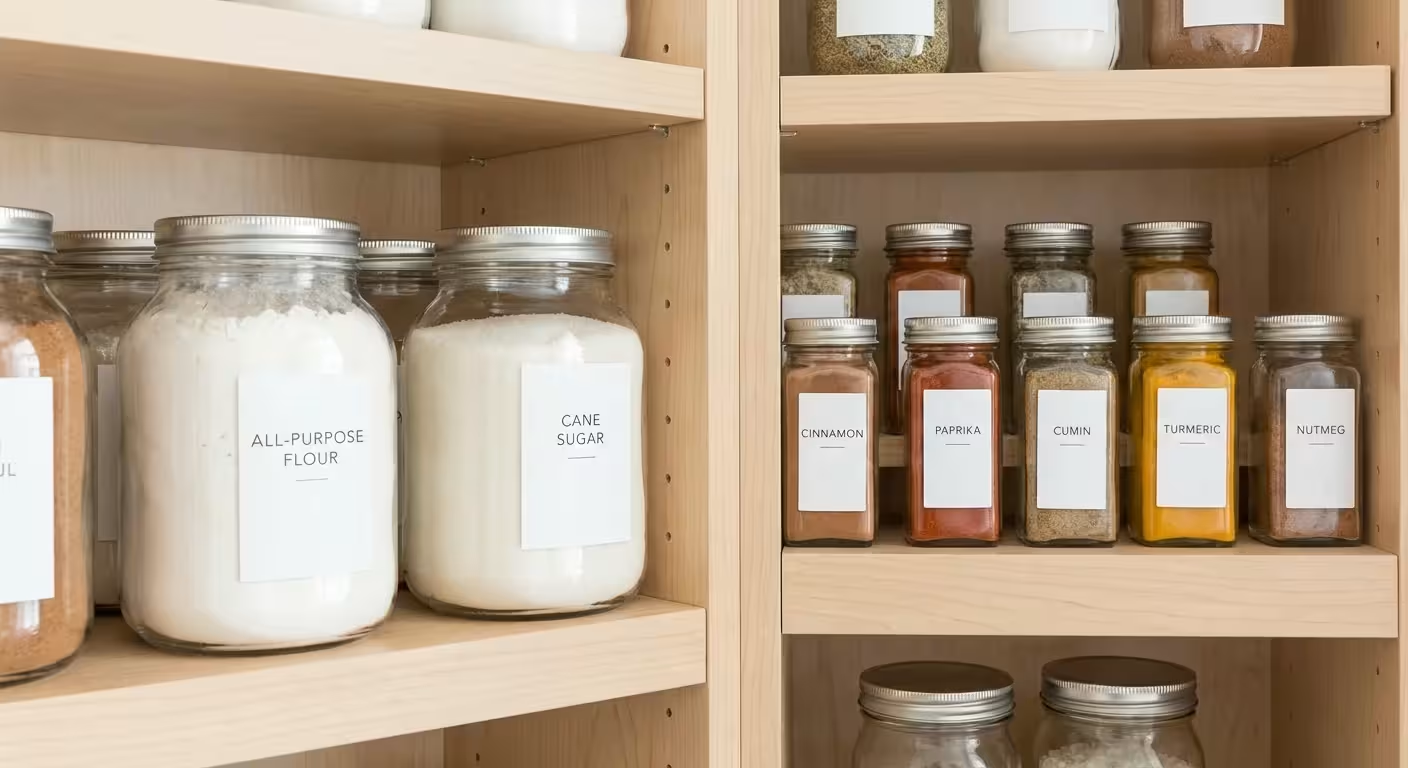
In many categories, the store brand is chemically or nutritionally identical to the name brand. Buying the “fancy” version of these items is essentially donating your hard-earned money to a corporate advertising fund. If you want to maximize your grocery shopping hacks, start by swapping these items immediately.
1. Over-the-Counter Medications
This is the most significant “win” for the store brand. The Federal Trade Commission and the FDA mandate that generic drugs have the same active ingredients, strength, dosage form, and route of administration as brand-name drugs. When you buy store-brand ibuprofen, it is molecularly the same as Advil. You can often find a 500-count bottle of store-brand pain relievers for the same price as a 50-count bottle of the name brand. You are paying for the brand’s reputation, not a better headache cure.
2. Pantry Staples (Baking and Spices)
Granulated sugar, all-purpose flour, baking soda, and salt are commodities. There is no “premium” version of sodium chloride that justifies a 40% markup. The same applies to spices. Unless you are buying high-end, whole-pod vanilla or saffron, the store-brand cinnamon and garlic powder will perform identically in your recipes. Consumer Reports has repeatedly found that in blind taste tests, many store-brand staples are indistinguishable from their more expensive counterparts.
3. Milk and Dairy Basics
Milk is highly regulated and usually sourced from local or regional dairies regardless of the label. Whether you buy the store brand or a national name, the milk often comes from the same processing plant. The same logic applies to sour cream, heavy cream, and butter. Unless you are looking for European-style cultured butter with higher fat content, the store-brand stick will bake your cookies just as well as the brand that costs twice as much.
4. Frozen Fruits and Vegetables
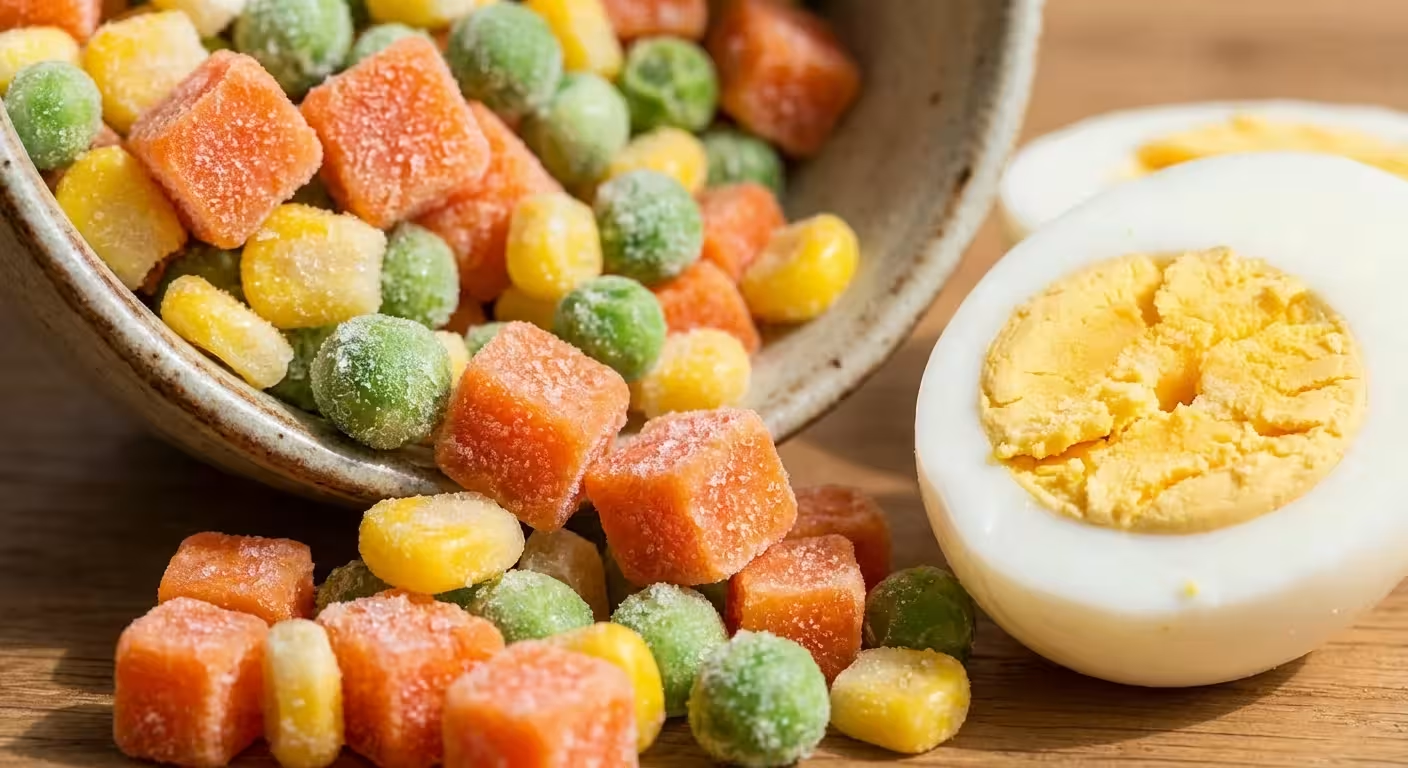
Frozen produce is picked at peak ripeness and flash-frozen. Because the aesthetic of the vegetable doesn’t matter as much in a frozen bag as it does in the fresh aisle, there is very little difference between name brands and store brands. Look at the ingredient list; if the only ingredient is “broccoli,” you are safe to go with the cheapest option.
Where to Splurge: When the Name Brand Wins
Frugality backfires when you buy a product that no one in your house wants to eat or use. If a store-brand item ends up in the trash because of poor texture or flavor, your “savings” actually cost you 100% of the purchase price. Here are the categories where many consumers find the name brand is worth the extra coins.
1. Condiments and Sauces
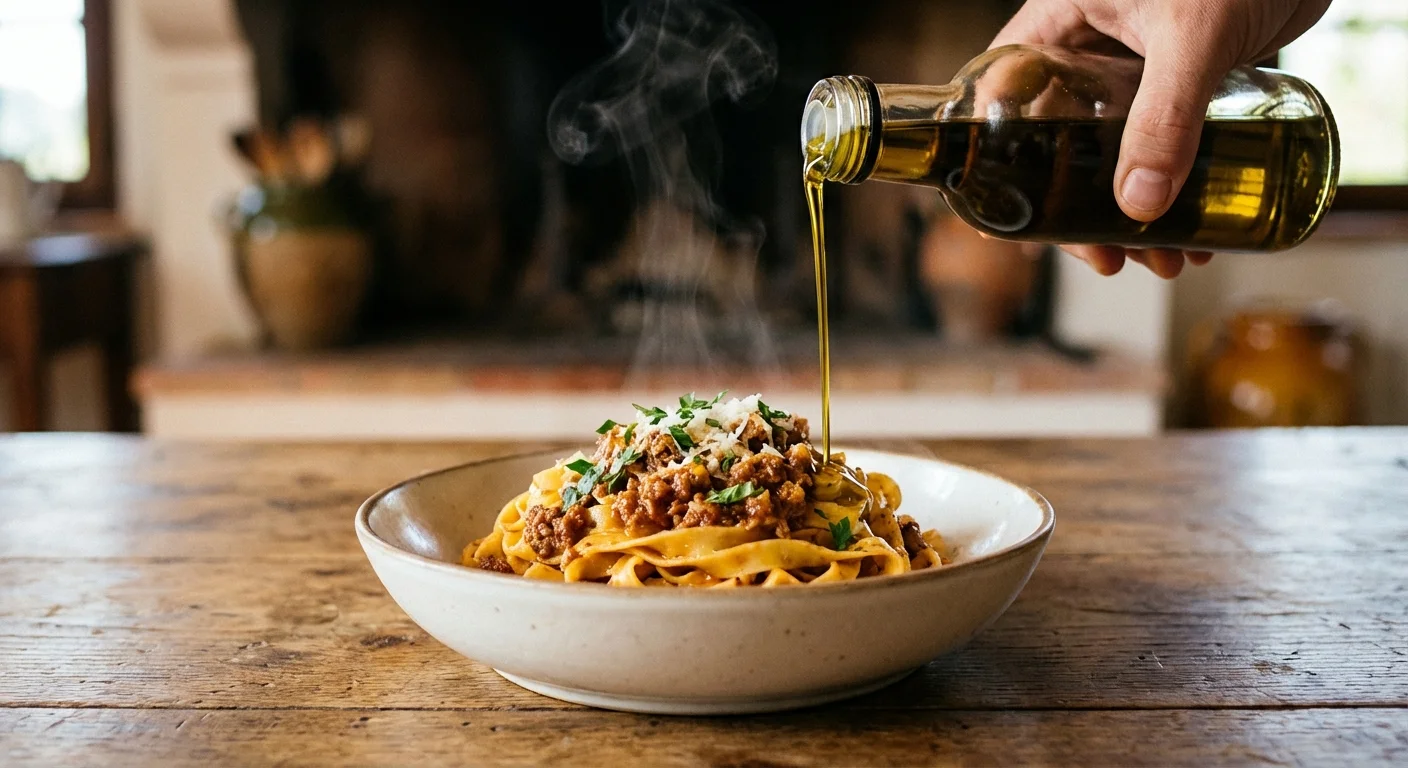
This is the most subjective category, but it’s where brand loyalty usually runs deepest. Many people find that store-brand ketchup lacks the specific vinegar-to-sugar balance of Heinz, or that generic mayonnaise has a “whipped” texture that doesn’t hold up in a potato salad. If a specific sauce defines the flavor of your meal, don’t skimp. A mediocre $2 jar of pasta sauce can ruin $10 worth of meat and noodles.
2. Paper Products (Sometimes)
Toilet paper and paper towels are the ultimate “splurge or save” battleground. While store brands have improved significantly, name brands like Bounty or Charmin often use proprietary weaving patterns that make them more absorbent or durable. You might find yourself using three sheets of a generic paper towel to clean a spill that one sheet of a name brand could handle—negating any initial savings.
3. Cleaning Supplies
While generic bleach is just bleach, specialty cleaners often differ. Many consumers swear by the grease-cutting power of Dawn dish soap over store brands. If the generic version requires you to scrub twice as hard or use twice as much product, you aren’t actually saving time or money.

Comparing the Costs: A Real-World Snapshot
To see how these savings add up, let’s look at a typical “pantry restock” list. Prices are based on averages from national big-box retailers as of early 2026.
| Item | Name Brand Price | Store Brand Price | Potential Savings (%) |
|---|---|---|---|
| Ibuprofen (200mg, 100ct) | $9.99 | $3.49 | 65% |
| Granulated Sugar (4 lbs) | $5.25 | $3.10 | 41% |
| Large Eggs (1 Dozen) | $4.50 | $2.80 | 38% |
| Canned Black Beans (15 oz) | $1.65 | $0.85 | 48% |
| Peanut Butter (16 oz) | $4.15 | $2.45 | 41% |
| Total for 5 items | $25.54 | $12.69 | 50.3% |
By making these five simple swaps, you cut your bill in half. If you extrapolate this across an entire year of grocery shopping, a family spending $800 a month could potentially save over $2,000 annually just by choosing generic options for staples. That is money that could go toward an emergency fund, a vacation, or paying down high-interest debt.

The Kirkland Effect: When Store Brands Become Premium
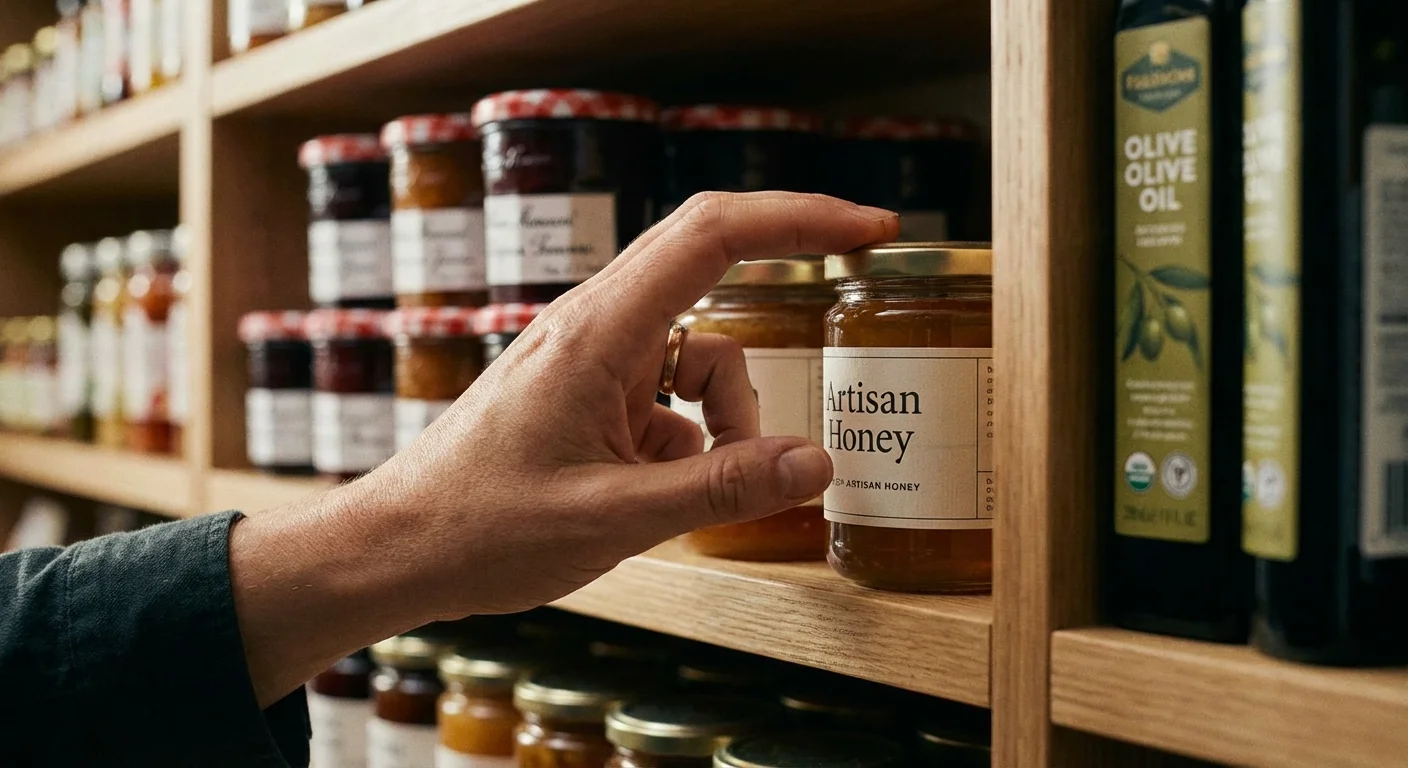
You cannot discuss store brands without mentioning Costco’s Kirkland Signature. Unlike many “value” brands that aim for the lowest possible price point, Kirkland’s strategy is to match or exceed the quality of the leading national brand while selling it for at least 20% less. In many cases, the Kirkland version is actually the superior product.
Industry experts have long confirmed that Kirkland Signature products are often manufactured by the heavyweights:
- Kirkland French Vodka has famously performed better in blind tastings than Grey Goose.
- Kirkland Batteries are frequently cited as being manufactured by Duracell.
- Kirkland Coffee is often roasted by Starbucks.
When you shop at retailers that treat their private labels as “premium” offerings, the risk of “buyer’s remorse” drops to nearly zero. This is a far cry from the generic “yellow label” products of the 1980s that gave store brands a bad reputation.
Costly Mistakes to Avoid
Even when you are trying to save, there are traps that can lead to overspending. Avoid these common pitfalls to keep your budget lean.
Buying “Generic” in the Wrong Size: Stores often trick you with the unit price. A large name-brand container on sale might actually be cheaper per ounce than a small store-brand container. Always look at the small “price per unit” (per ounce, per count, or per pound) on the shelf tag before you grab the generic option.
The “One-Size-Fits-All” Mentality: Just because you like a store’s brand of canned corn doesn’t mean you will like their store-brand trash bags. Evaluate every product category individually. If you find a generic product that is subpar, don’t give up on store brands entirely; just switch back to the name brand for that specific item.
Ignoring Coupons on Name Brands: With the rise of digital coupons and apps like Ibotta or Fetch, you can often get name brands for less than the store brand. If you have a manufacturer’s coupon for $1.00 off a name-brand cereal that is already on sale, it will likely beat the store-brand price. Use resources like Slickdeals to track these price drops.

The Science of Choice: How to Run Your Own Taste Test
If you are hesitant to switch because you fear your family will complain, run a “blind” test. This removes the psychological bias that comes with seeing a “cheap” label. Here is how to do it effectively:
- Purchase one unit of the name brand and one of the store brand.
- Have a family member place them in identical, unmarked bowls or containers.
- Taste both without knowing which is which.
- Note the flavor, texture, and aftertaste.
- Compare the prices.
More often than not, you will find that the difference is negligible. If the store brand is “80% as good” but 50% cheaper, you have to decide if that 20% taste difference is worth the extra money. For everyday snacks, it probably isn’t; for a special holiday meal, it might be.

The Psychology of Brand Loyalty
Marketers spend decades trying to build an emotional connection between you and their products. They want you to feel that buying their laundry detergent makes you a better parent or that their soda makes you more adventurous. Recognize that this is a manipulation of your spending habits. As Charles A. Jaffe once said, “It’s not your salary that makes you rich, it’s your spending habits.”
Breaking free from brand loyalty requires you to view products as tools rather than identities. A trash bag’s only job is to hold trash without breaking. A bottle of bleach’s only job is to disinfect. When you strip away the emotional packaging, the decision to save becomes much easier.
“A penny saved is a penny earned.” — Benjamin Franklin
Practical Strategies for the Smart Shopper
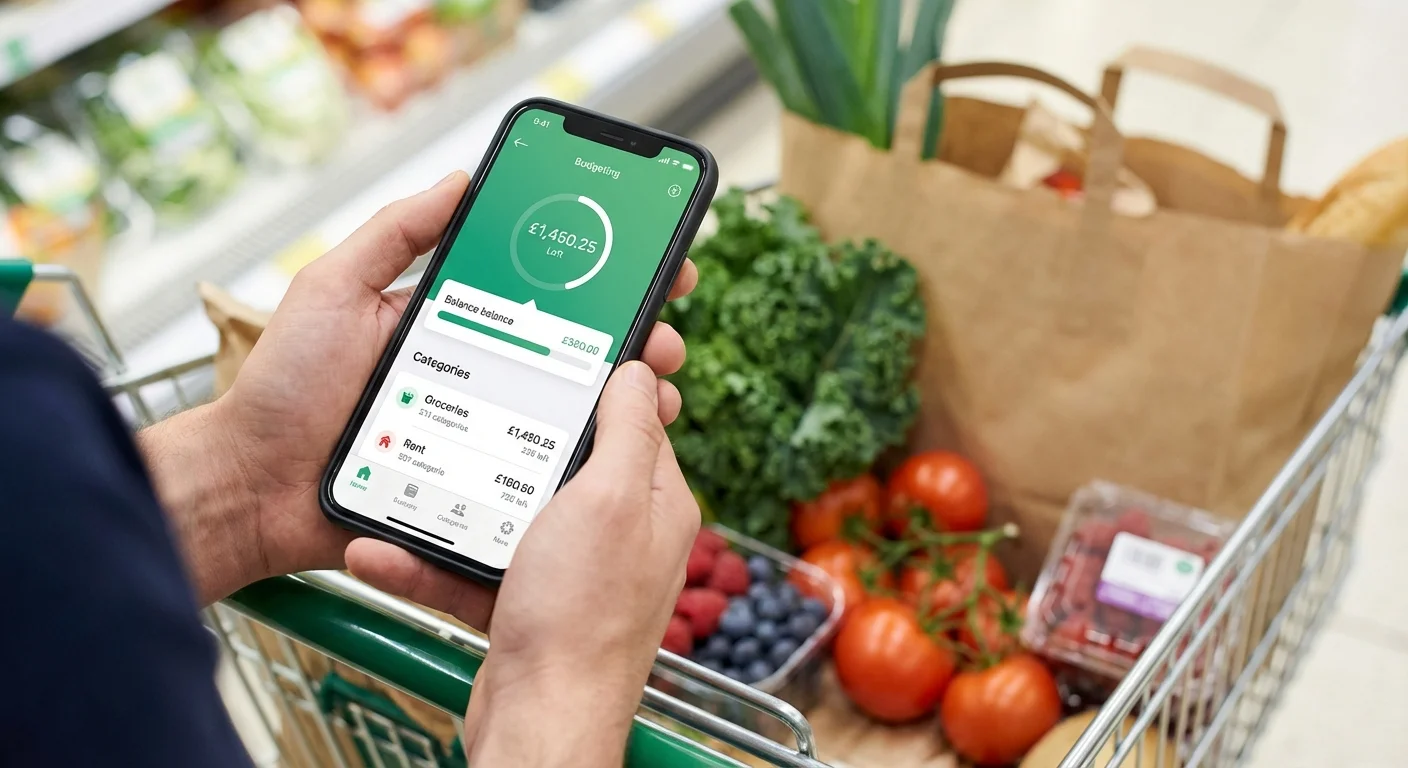
To implement these changes without feeling deprived, use a phased approach. You don’t have to overhaul your entire pantry in one Saturday. Start with the “Bottom Shelf” strategy. Grocery stores typically place the most expensive name brands at eye level. Look at the very top and very bottom shelves; that is where the store brands and bulk values live.
Next, focus on your “High-Frequency” items. These are the things you buy every single week, like bread, milk, eggs, and snacks. Saving $1.00 on an item you buy 52 times a year is much more impactful than saving $5.00 on an item you buy once a year. Check the USDA Food & Nutrition resources for tips on seasonal buying, which can further lower these costs.
Finally, utilize the store’s “Satisfaction Guarantee.” Most major retailers, including Walmart, Target, and Aldi, offer a 100% satisfaction guarantee on their private labels. If you try their brand of coffee and hate it, you can usually bring the open container back for a full refund. This eliminates the financial risk of trying something new.
Frequently Asked Questions
Are store brands really made by the same companies as name brands?
Yes, in many cases. Because it is expensive to build and maintain a manufacturing plant, many name-brand companies use their excess capacity to produce “private label” goods for retailers. While the recipes may be slightly tweaked to meet the store’s price point, the manufacturing standards remain the same.
Is the nutritional value of generic food lower?
No. The FDA requires that all food products—regardless of brand—meet the same safety and labeling standards. If you compare the “Nutrition Facts” panel on a store brand vs. a name brand, you will often find identical calories, fats, proteins, and vitamins.
Why are some store brands more expensive than others?
Stores often have “tiers” of private labels. For example, Kroger has “Heritage Farm” (budget), “Kroger Brand” (standard), and “Private Selection” (gourmet). The gourmet store brands may actually be more expensive than national brands because they use higher-quality ingredients or unique flavor profiles.
Do generic medications take longer to work?
No. The FDA requires generics to have the same “bioequivalence” as name brands. This means they must deliver the same amount of active ingredient into your bloodstream in the same amount of time.
Your Path to Smarter Spending
You have the power to reshape your financial future one grocery trip at a time. By choosing store brands for your medications, staples, and dairy while reserving name-brand purchases for the items that truly impact your enjoyment, you create a balanced budget that doesn’t feel like a sacrifice. Start small: choose three items today that you usually buy as name brands and swap them for the store version. Use the savings to pay down a bill or boost your savings account. You might find that the only thing you miss about the name brand is the higher price tag.
The savings estimates in this article are based on typical costs and may differ in your area. Always compare current prices and consider your household’s specific needs.
Last updated: February 2026. Prices change frequently—verify current costs before purchasing.



Leave a Reply