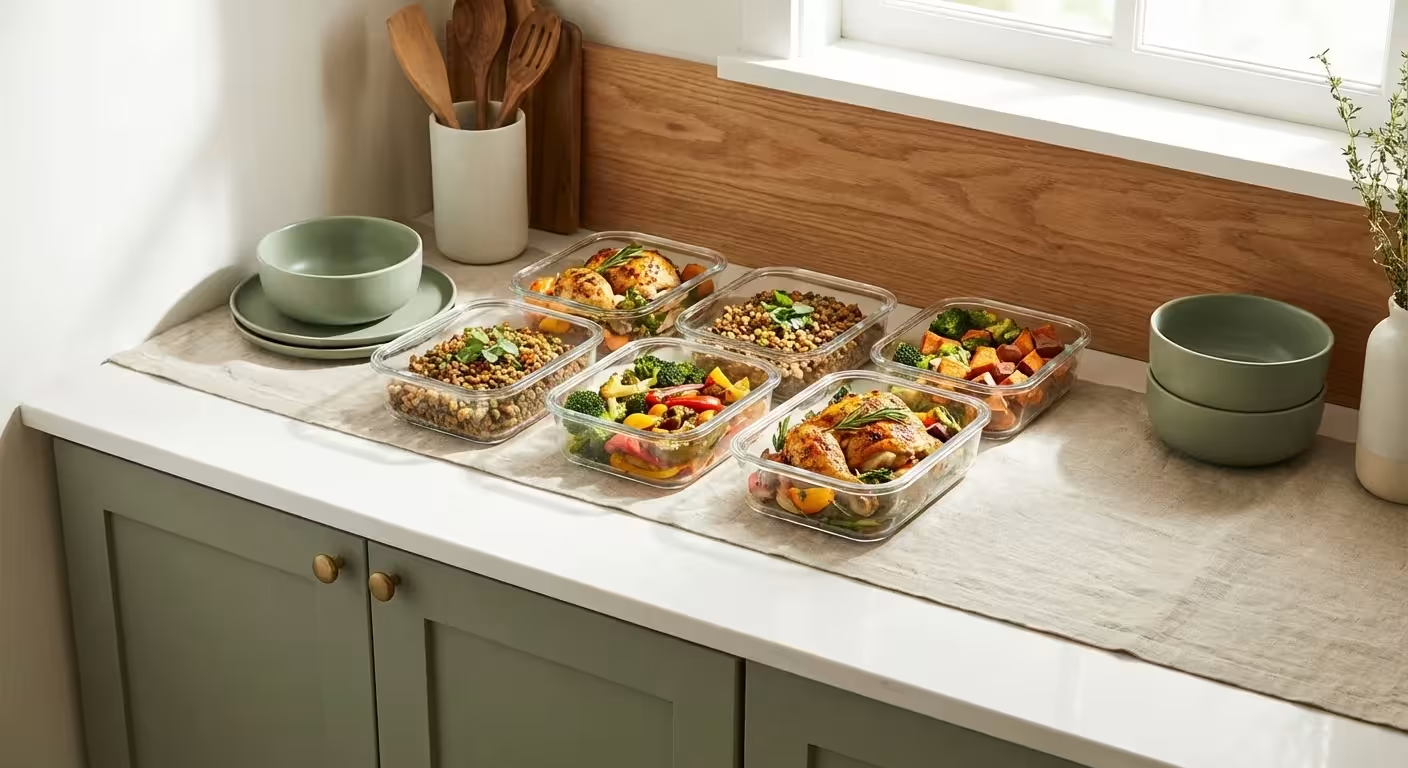
The average American spends approximately $3,639 per year on food away from home—which includes those “quick” $15 lunches and $40 takeout dinners that seem convenient until you check your bank statement. When you break it down, a single fast-food meal often costs more than an entire day’s worth of home-cooked, high-protein nutrition. Transitioning to a budget high protein diet isn’t just about saving pennies; it is about reclaiming thousands of dollars in annual cash flow while improving your physical health.
Achieving the $2-per-serving threshold requires a shift in how you view the grocery store. You aren’t just buying food—you are sourcing raw materials for a high-efficiency fuel system. By focusing on cheap meal prep strategies, you can maintain a high protein intake without the premium price tag often associated with fitness-focused diets. This guide provides the blueprint to eat well, hit your macros, and keep your bank account intact.

The Financial Reality of the Modern Grocery Trip
According to the Bureau of Labor Statistics, food-at-home prices have remained a significant portion of the average household’s monthly expenses. However, the price gap between raw ingredients and processed “convenience” foods remains vast. When you pay for a pre-marinated chicken breast or a “protein bowl” from the freezer section, you aren’t just paying for the food—you are paying for the labor, the packaging, and the marketing.
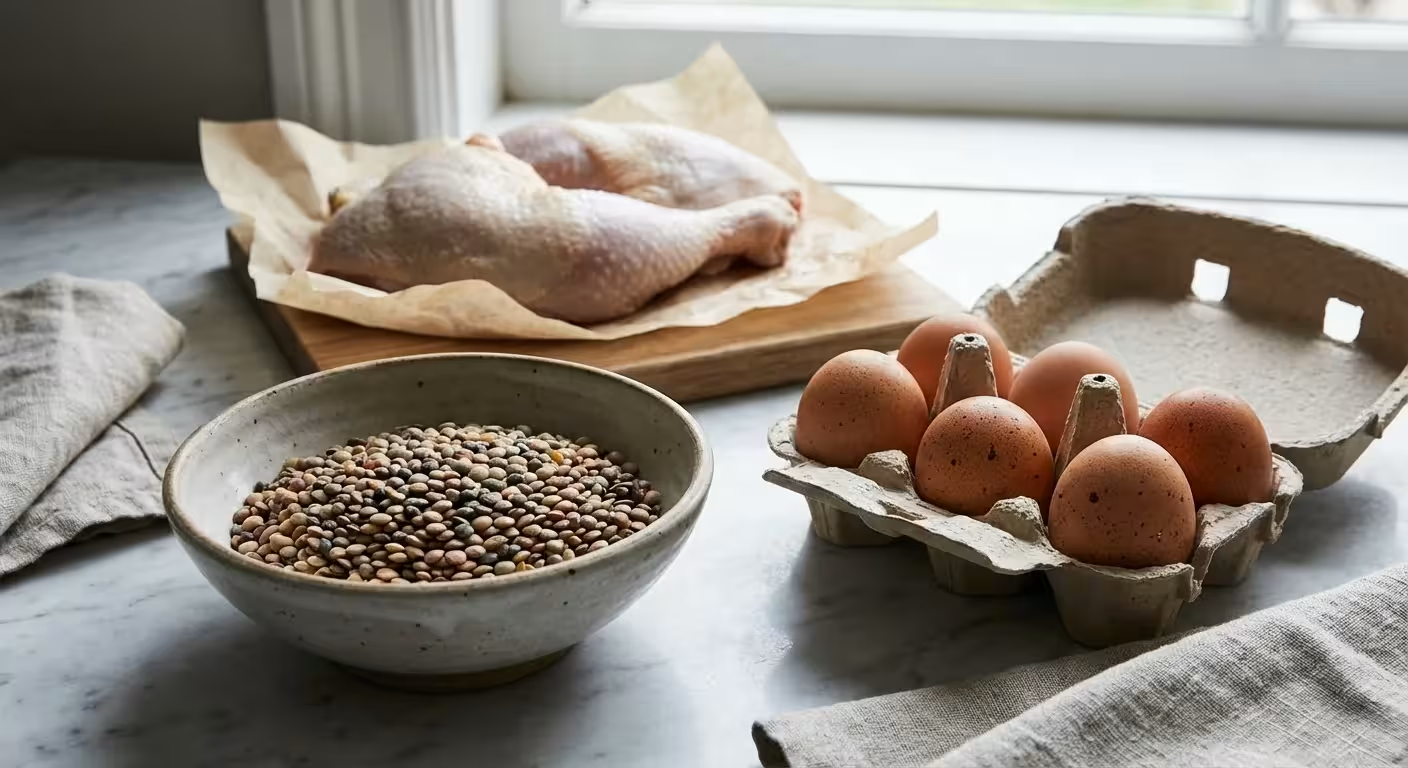
To hit the $2 mark, you must eliminate those hidden costs. A 10-pound bag of chicken quarters often costs less than a single steak at a restaurant. A pound of dried lentils—containing nearly 115 grams of protein—frequently costs less than a single protein bar. By focusing on the cost-per-gram of protein, you transform your grocery list from a liability into a strategic investment.
“It’s not your salary that makes you rich, it’s your spending habits.” — Charles A. Jaffe
The $2 Protein Hierarchy: Sourcing Your Staples
Not all proteins are created equal when it comes to your wallet. If you want to keep your $2 meals consistent, you need to know which sources offer the most “bang for your buck.” The following table compares common protein sources based on average U.S. grocery prices and their protein density.
| Protein Source | Average Price per LB/Unit | Protein per Serving | Estimated Cost per 25g Protein |
|---|---|---|---|
| Dried Lentils | $1.40 / lb | 9g (per 1/2 cup cooked) | $0.35 |
| Eggs (Large) | $2.50 / dozen | 6g (per egg) | $0.52 |
| Chicken Quarters (Bulk) | $1.10 / lb | 20g (per 4oz) | $0.65 |
| Canned Tuna (Store Brand) | $0.90 / can | 20g (per can) | $1.12 |
| Pork Butt / Shoulder | $2.49 / lb | 22g (per 4oz) | $1.13 |
| Ground Beef (73/27 Bulk) | $3.99 / lb | 21g (per 4oz) | $1.90 |
As the data suggests, plant-based proteins and bulk-bin meats are your strongest allies. While you don’t have to go full vegetarian, incorporating “filler” proteins like lentils or black beans into your meat dishes can slash your per-serving cost while actually increasing the total protein and fiber content of the meal.
Strategic Shopping: How to Master the Aisles
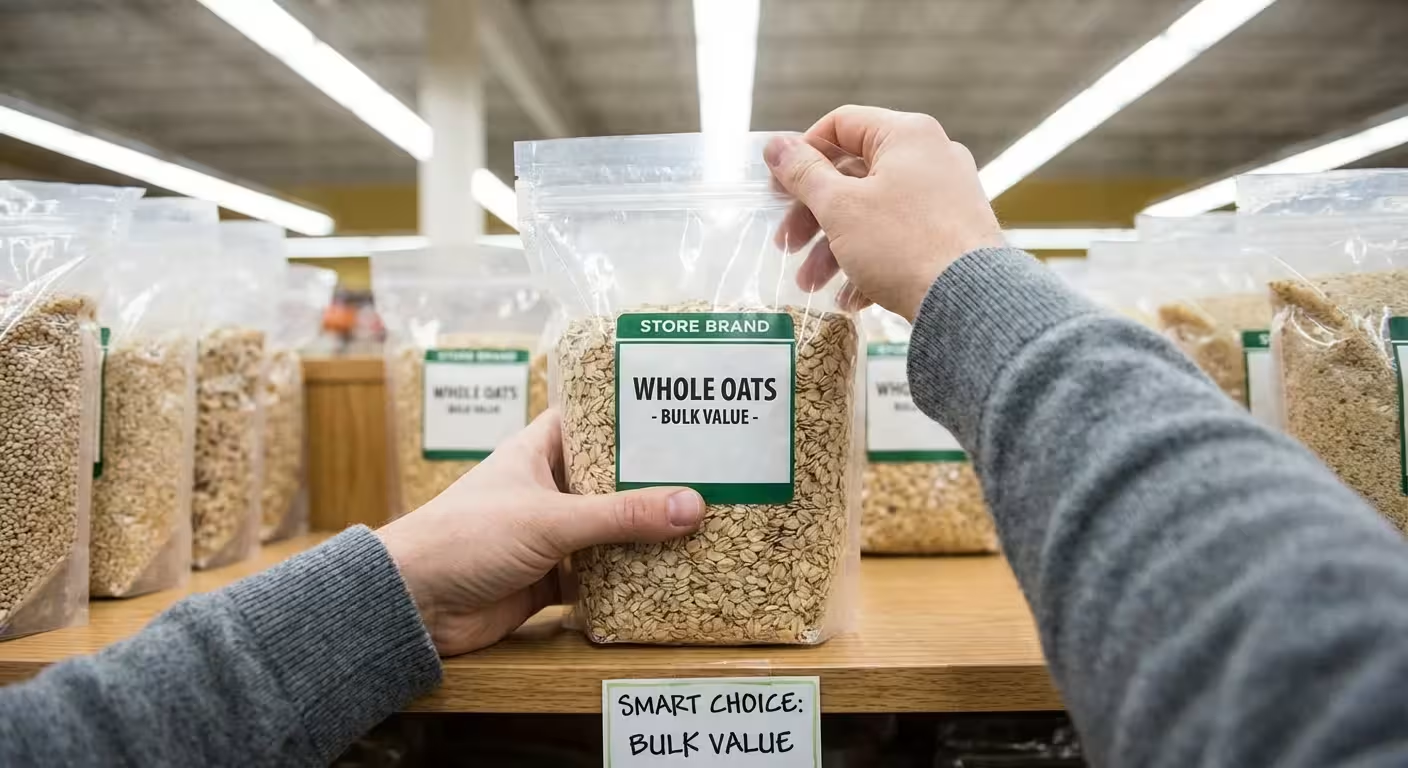
Successful cheap meal prep begins before you even enter the store. Your goal is to maximize the “yield” of every dollar spent. This requires a departure from brand loyalty and a focus on unit pricing—those tiny numbers on the shelf tag that tell you the cost per ounce or per pound.
- Embrace Store Brands: In almost every category—from canned beans to Greek yogurt—the store brand is nutritionally identical to the name brand but 30-50% cheaper.
- Shop the Loss Leaders: Grocery stores often sell specific meats at a loss to get you in the door. Check weekly flyers and build your meal plan around whatever is on deep discount that week.
- Bulk is Your Best Friend: Purchasing 20 pounds of rice or 10 pounds of chicken might feel like a large upfront cost, but the per-serving savings are massive. Stores like Costco or Sam’s Club are excellent, but even standard grocers offer “family packs” that are significantly cheaper than smaller portions.
- Frozen Over Fresh: Research from the USDA shows that frozen vegetables are often more nutrient-dense than fresh ones because they are flash-frozen at peak ripeness. They are also significantly cheaper and won’t rot in your crisper drawer.
The Anatomy of a $2 High-Protein Meal
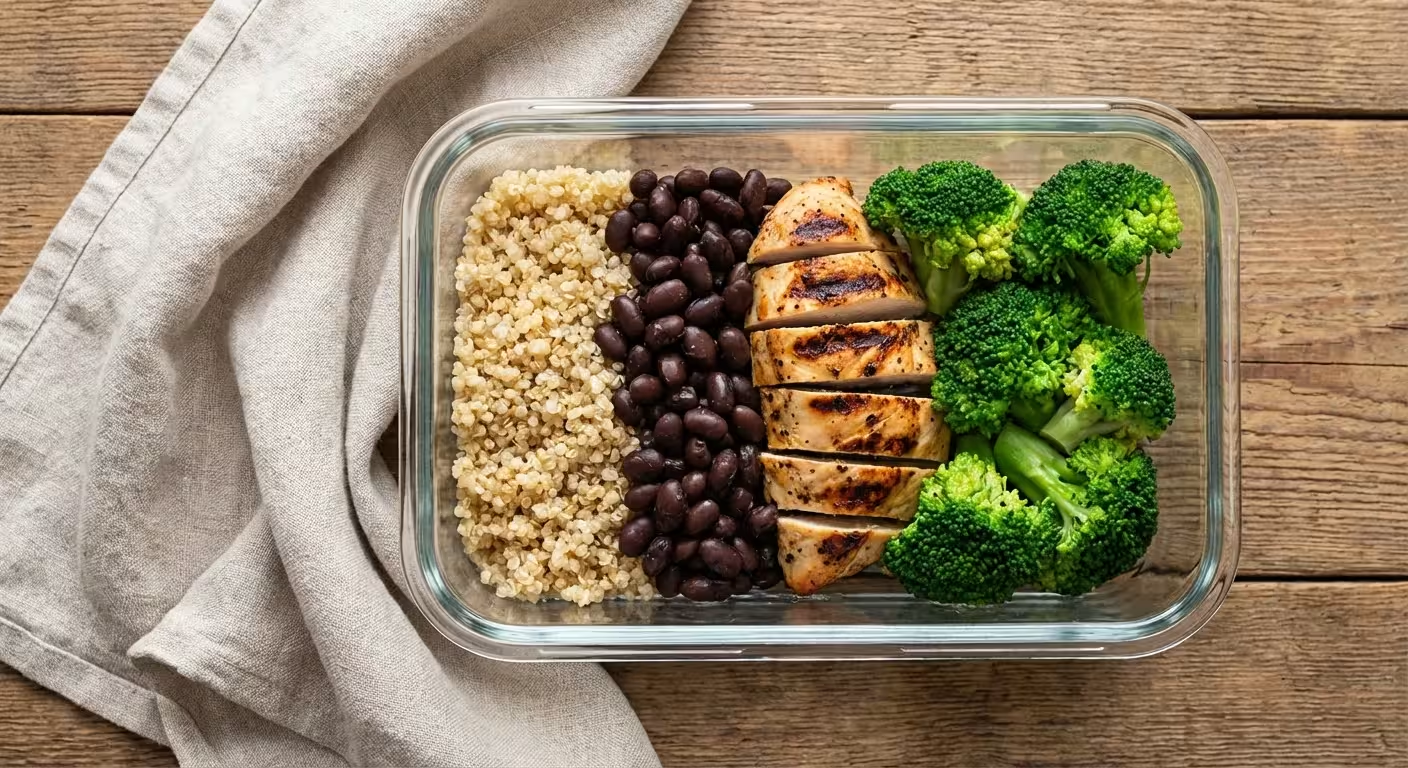
To keep a meal under $2 while maintaining a high protein profile (30-40 grams), you need a specific structural formula. A balanced, budget-friendly meal consists of three main components: a bulk protein, a complex carbohydrate, and a high-volume vegetable.
The Formula:
1. Protein (50¢ – 90¢): 6oz chicken leg quarters, 1 cup cooked lentils, or 3 eggs.
2. Carbohydrate (10¢ – 30¢): 1 cup cooked brown rice, a large potato, or 2oz of whole-wheat pasta.
3. Vegetable (30¢ – 60¢): 1 cup frozen broccoli, sautéed cabbage, or canned green beans.
4. Flavor/Fat (10¢ – 20¢): Store-brand hot sauce, soy sauce, or a drizzle of vegetable oil.
By sticking to this ratio, you ensure satiety and muscle support without creeping into the $5-per-meal territory. Cabbage is one of the most underrated tools in the budget prepper’s arsenal; it is incredibly cheap, lasts for weeks in the fridge, and adds massive volume to stir-fries and bowls.
Step-by-Step Tutorial: The “Big Three” $2 Prep Methods
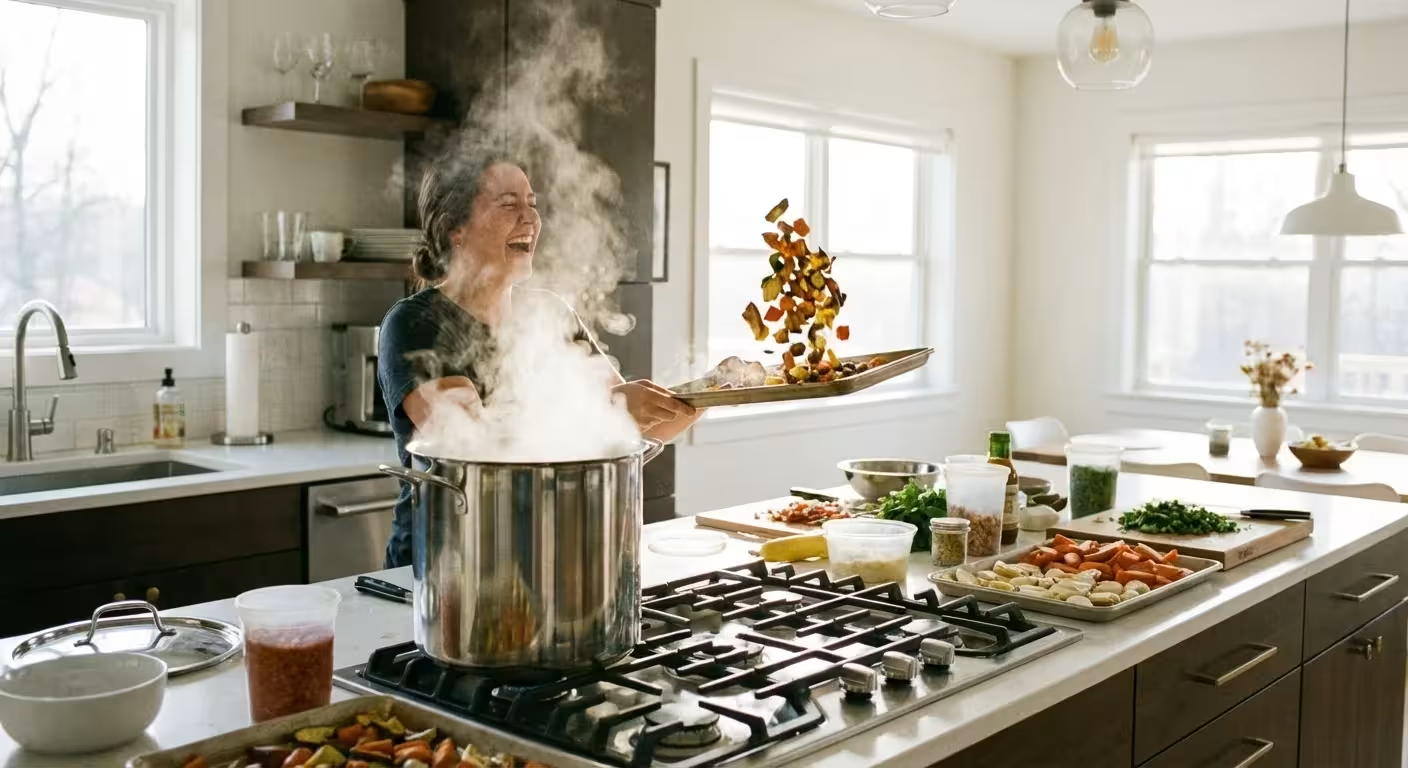
If you are new to meal prepping, don’t try to cook seven different recipes on Sunday. Start with one or two “base” proteins that you can flavor differently throughout the week. This prevents “flavor fatigue” and keeps your kitchen time under two hours.
1. The Slow Cooker “Pulled” Method
Buy a large pork shoulder or a 5-pound bag of frozen chicken breasts. Throw them in a slow cooker with some basic seasonings (salt, pepper, garlic powder). Once cooked, shred the meat. Use one third with BBQ sauce for “pulled pork” bowls, one third with taco seasoning for burrito bowls, and the final third with soy sauce for stir-fry. This minimizes prep time and maximizes variety.
2. The Sheet Pan Roast
Roasting is the most passive way to prep. Chop up five pounds of potatoes and two bags of frozen broccoli. Toss them in oil and salt. Lay them on large baking sheets alongside chicken thighs. Bake at 400°F until done. Divide these into containers, and you have five days of lunches ready in the time it takes to watch a movie.
3. The “Power Stew”
Lentils and beans are the champions of $2 meals. A hearty chili made with ground turkey (on sale), black beans, kidney beans, and canned tomatoes can cost as little as $1.15 per serving while providing over 30 grams of protein. Stews also freeze better than almost any other meal, making them perfect for “emergency” dinners when you don’t feel like cooking.
Costly Mistakes to Avoid
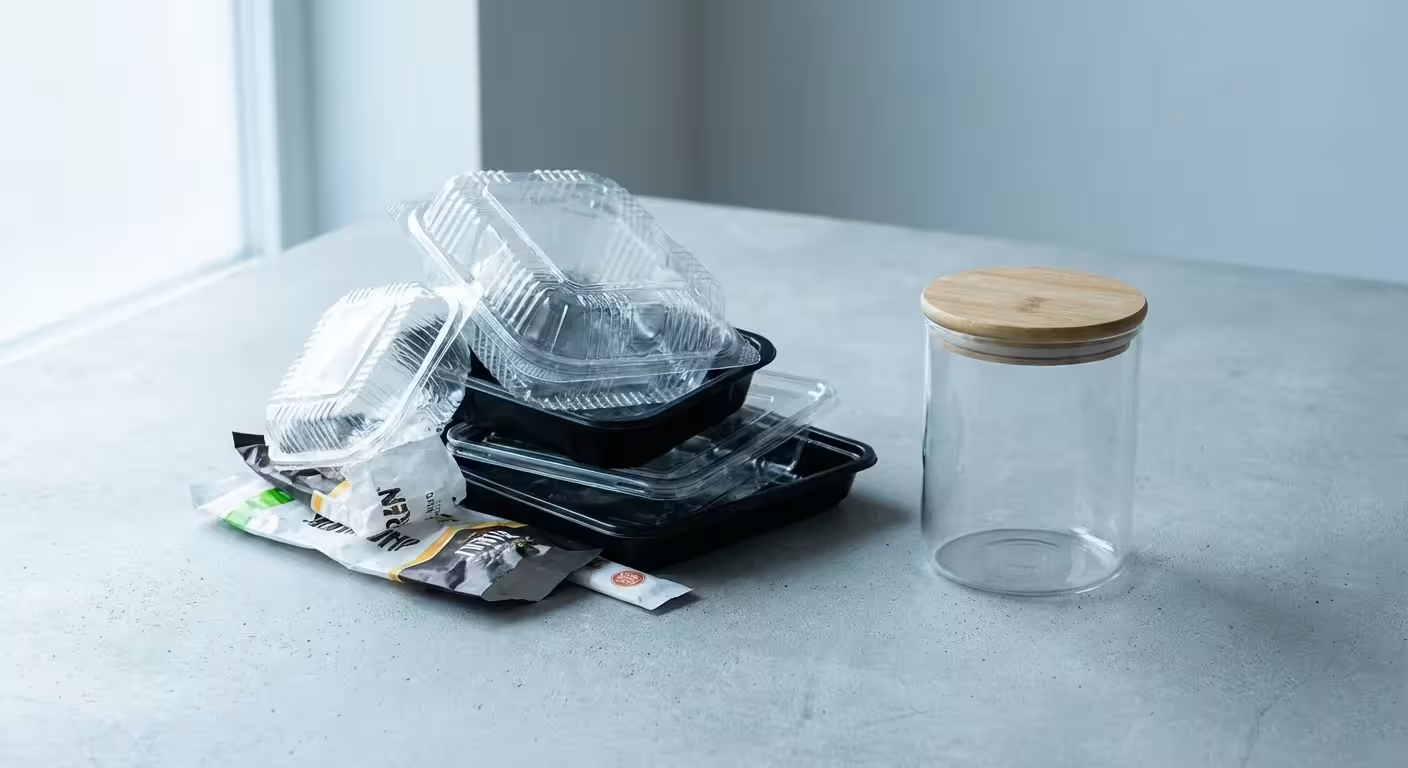
Even the most well-intentioned preppers can see their budget evaporate due to a few common errors. Avoiding these pitfalls is the difference between a $60 grocery bill and a $120 one.
- Buying Pre-Cut and Pre-Washed: That bag of “shredded” lettuce or pre-cubed butternut squash can cost 400% more than the whole version. Buy a sharp knife and do the work yourself.
- Shopping While Hungry: This is a psychological trap. Hunger leads to impulse buys—usually high-cost, low-protein snacks that don’t fit your meal plan.
- Ignoring Your Pantry: Always shop your pantry first. Many people buy a new bag of rice every trip because they forgot they had one tucked in the back. Use what you have before spending more.
- Wasteful Over-Buying: If you aren’t 100% sure you will eat that massive bag of spinach before it turns into slime, don’t buy it. Food waste is literally throwing money in the trash.

Skip DIY When…
While meal prepping is almost always the cheaper option, there are rare scenarios where the DIY route might not serve you best. Consider these exceptions:
- Extreme Time Poverty: If you are working double shifts and the choice is between a $5 rotisserie chicken from the grocery store or a $20 fast-food run because you don’t have time to cook, buy the rotisserie chicken. It is still a budget win compared to the alternative.
- Lack of Proper Storage: If you do not have a reliable refrigerator or airtight containers, prepping large quantities can lead to food poisoning. Ensure your equipment is up to standard before bulk cooking.
- Niche Ingredients: If a recipe calls for a $12 bottle of saffron or a specific rare oil that you will only use once, the “per serving” cost of that individual meal skyrockets. Stick to versatile spices like cumin, paprika, and garlic powder.
Frequently Asked Questions
How do I stop my prepped meals from getting soggy?
The secret is in the cooling process. Never put hot food directly into a sealed container and then into the fridge. The steam creates condensation, which leads to mushy veggies. Let your food reach room temperature uncovered before sealing and refrigerating. Also, keep your sauces on the side whenever possible.
Can I really get enough protein for $2 without protein powder?
Absolutely. While protein powder is convenient, it is often more expensive per gram than whole foods like eggs or lentils. If you focus your meals around chicken quarters, eggs, and legumes, hitting 150 grams of protein a day on a budget is very manageable.
Is frozen meat as good as fresh meat?
From a nutritional standpoint, yes. Frozen meat is often processed quickly after slaughter, preserving its nutrient profile. The main difference is texture; frozen meat can sometimes be slightly tougher if not thawed correctly. Always thaw meat in the refrigerator—never on the counter—to maintain safety and quality.
What are the best cheap seasonings?
Salt, black pepper, garlic powder, and onion powder are the “four pillars.” Beyond those, smoked paprika, cumin, and dried oregano are versatile and inexpensive if bought in larger containers. Avoid the tiny jars in the baking aisle; look for the “international” or “Hispanic” food section for much larger bags of the same spices at a fraction of the cost.
Building a Sustainable Habit
Success with a budget high protein diet isn’t about perfection; it is about consistency. If you save $10 a day by prepping your lunch, that is $3,650 a year—enough to fund an IRA contribution, pay down a significant credit card balance, or build a robust emergency fund. Start by prepping just three lunches for the upcoming week. Once you see the savings reflected in your bank account, the motivation to continue will take care of itself.
The transition to $2 meals requires a small investment of time, but the financial freedom it provides is well worth the effort. You are no longer at the mercy of rising restaurant prices or the convenience trap. You are in control of your health and your wallet.
The savings estimates in this article are based on typical costs and may differ in your area. Always compare current prices and consider your household’s specific needs. For more information on managing your household budget, visit the Consumer Financial Protection Bureau.
Last updated: February 2026. Prices change frequently—verify current costs before purchasing.








Leave a Reply