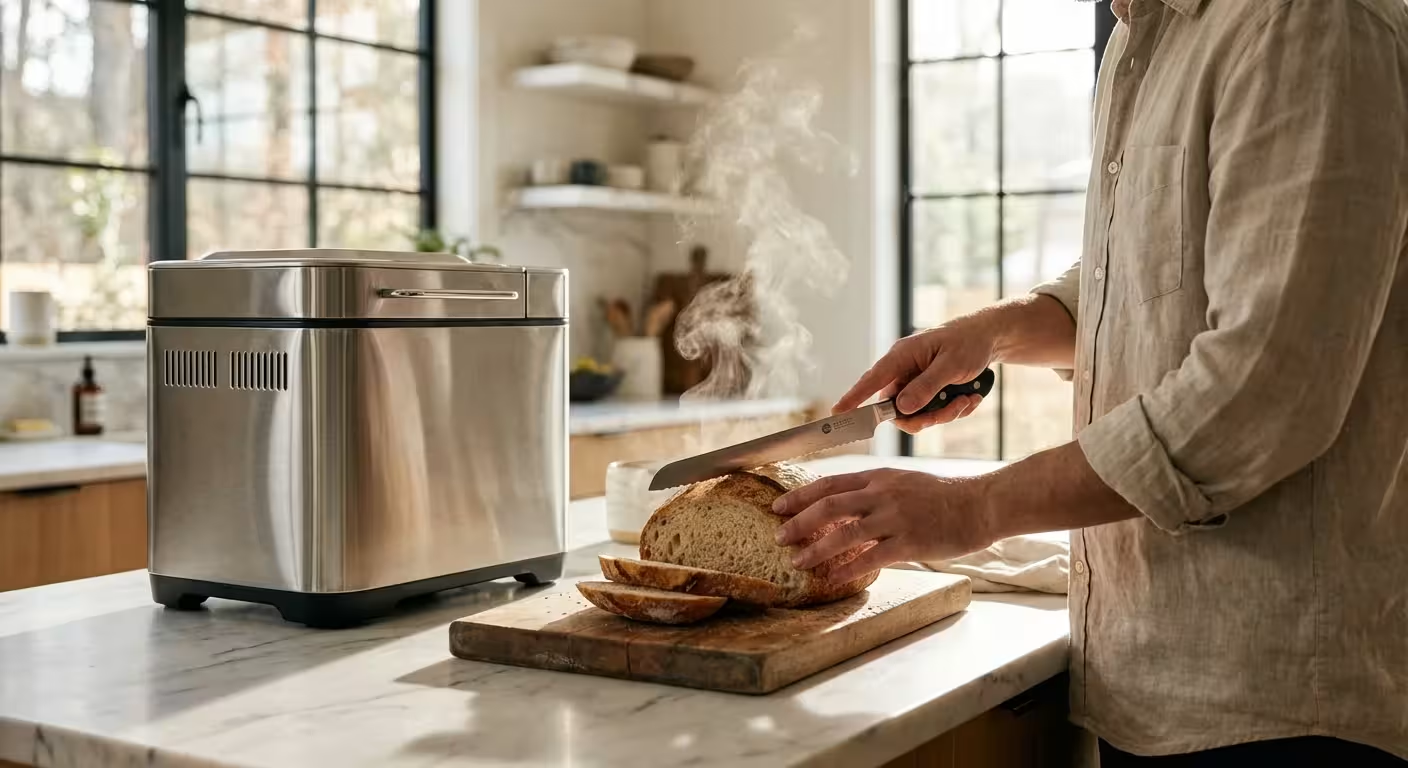
Walking down the bread aisle lately feels like a test of financial resolve. You reach for a standard loaf of whole wheat, only to see a price tag north of $5.00. According to the Bureau of Labor Statistics, the price of white bread has climbed significantly over the last few years, leaving many Americans wondering if they should return to the basics. You want fresh, high-quality bread without the “artisan” price tag, but you also value your time.
The bread machine—a kitchen staple of the 1990s—is making a massive comeback for this very reason. But does it actually save you money when you factor in the cost of the machine, the ingredients, and the electricity? We broke down the numbers to see if baking at home is a genuine way to stretch your dollars or just another hobby that eats up your Saturday mornings.
What You’ll Save: A Quick Comparison
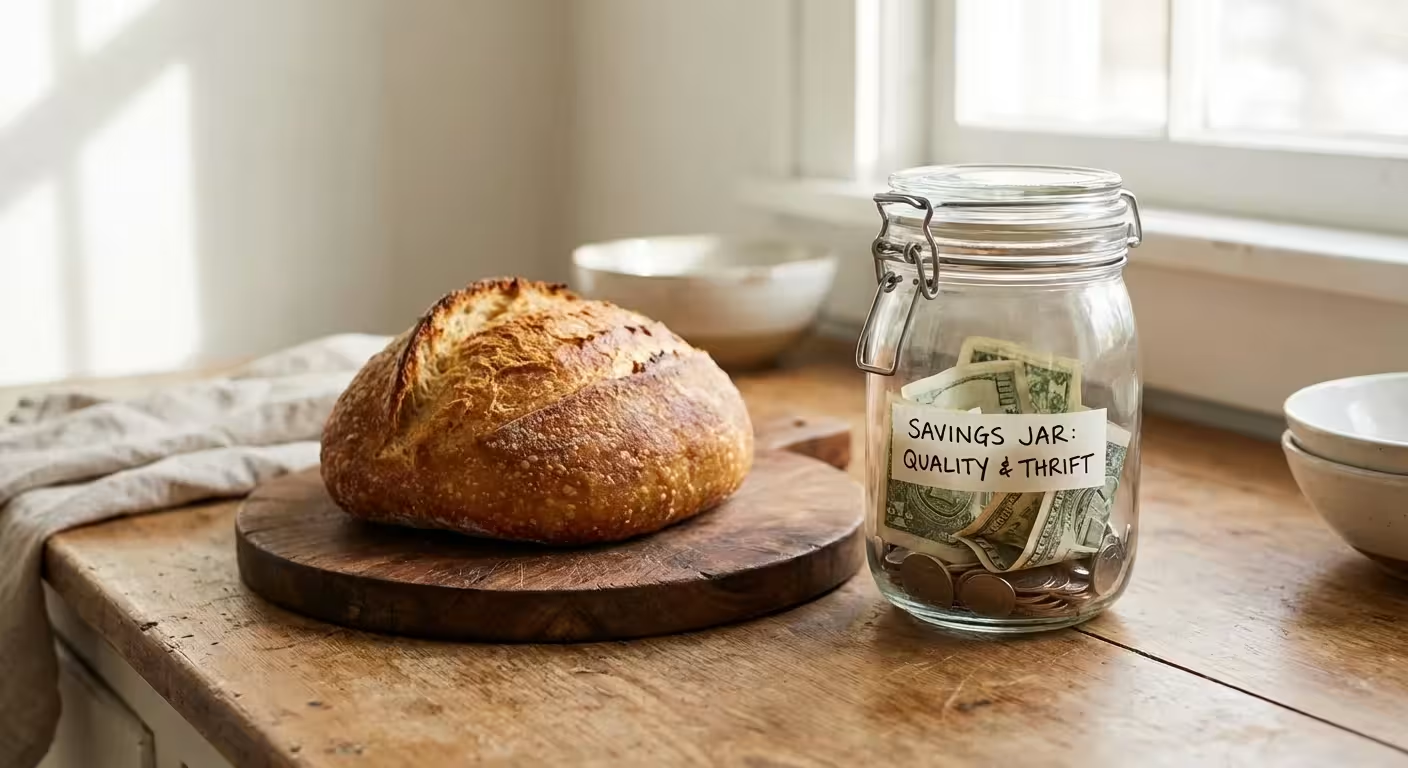
If you are looking for the bottom line, the savings depend largely on how much bread your household consumes. Here is a high-level look at the potential annual savings for a family eating two loaves of bread per week.
| Category | Store-Bought (Premium/Organic) | Bread Machine (Bulk Ingredients) | Weekly Savings | Annual Savings |
|---|---|---|---|---|
| Cost Per Loaf | $5.50 | $0.95 | $9.10 | $473.20 |
| Cost Per Loaf (Standard) | $3.00 | $0.75 | $4.50 | $234.00 |
As you can see, the savings are not just pennies. Over a year, transitioning from premium store-bought bread to a bread machine can pay for a high-end machine several times over. Even compared to generic store-brand bread, the DIY approach puts money back in your pocket.
“It’s not your salary that makes you rich, it’s your spending habits.” — Charles A. Jaffe
The Raw Ingredient Math: Cost Per Loaf
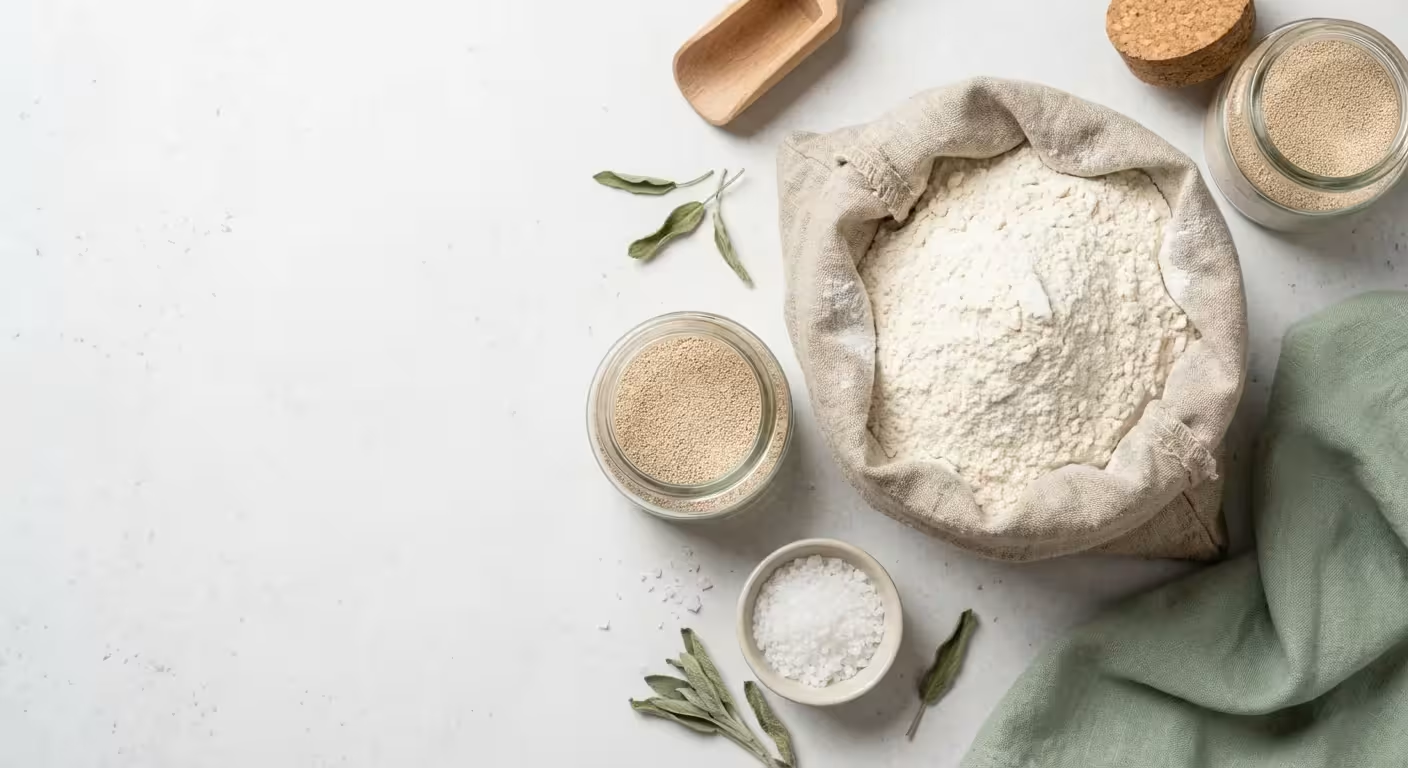
To understand the true cost to bake bread, you have to look at the individual components. Most standard 1.5-lb or 2-lb loaves require five basic ingredients: flour, yeast, water, salt, and a fat source (like oil or butter). Some recipes add sugar or honey.
Flour: The Main Expense
If you buy a 5-pound bag of all-purpose flour for $4.50, you are paying about $0.90 per pound. A standard loaf uses roughly 3 to 4 cups of flour (about 1 pound). However, savvy savers buy in bulk. A 25-pound bag of bread flour from a warehouse club like Costco or Sam’s Club often costs around $12.00 to $15.00. This brings your flour cost down to roughly $0.50 to $0.60 per loaf.
Yeast: The Silent Budget Killer
Buying individual packets of yeast is the fastest way to ruin your ROI. Those 3-packs at the grocery store can cost $2.00 or more per packet. Instead, buy a 1-pound glass jar of yeast or a vacuum-sealed brick. A 1-pound bag of yeast costs about $6.00 and contains roughly 96 teaspoons. Since a loaf uses about 1.5 to 2 teaspoons, your yeast cost drops from $0.66 per loaf to a mere $0.06 to $0.12 per loaf.
The Extras: Salt, Sugar, and Oil
These ingredients are used in such small quantities that they contribute pennies to the total cost. Even if you use high-quality olive oil and organic honey, you are looking at less than $0.20 per loaf for these components.
Total Ingredient Cost:
When you buy in bulk, your total ingredient cost for a high-quality, preservative-free loaf sits between $0.75 and $1.10. Compare this to the $4.00 to $6.00 price tag for similar “clean label” breads at the store, and the winner is clear.
Electricity and Upkeep: The Hidden Costs
Many skeptics argue that the cost of electricity and the initial investment in a machine negate the ingredient savings. Let’s look at the data.
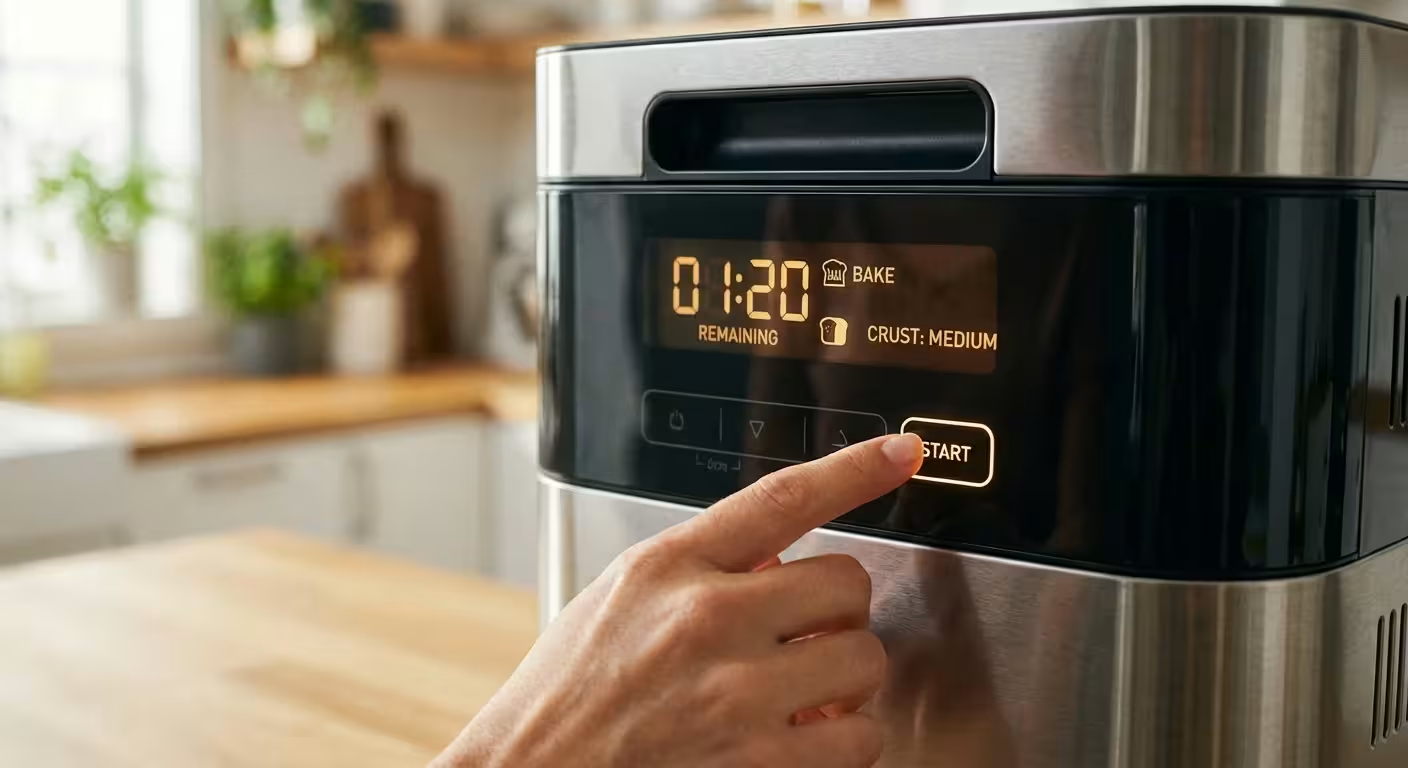
A bread machine typically runs for 3 hours per loaf, but it only draws significant power during the baking phase (usually about 30 to 60 minutes). According to Energy.gov, most modern kitchen appliances are highly efficient. A bread machine uses roughly 0.3 to 0.5 kWh per loaf. At the average U.S. residential electricity rate of about $0.16 per kWh, you are spending less than $0.08 in electricity per loaf. This is significantly cheaper than running a full-sized electric oven, which can cost $0.30 to $0.50 per hour to operate.
As for the machine itself, you have three tiers of investment:
- The Thrift Store Find: $10–$25. Many people buy bread machines, use them once, and donate them. These are perfect for testing the waters.
- The Mid-Range Reliable: $80–$130. Brands like Hamilton Beach or Cuisinart offer solid performance and last for hundreds of loaves.
- The High-End Workhorse: $250–$400. Brands like Zojirushi are the gold standard. While expensive, they offer superior crust control and durability that can last a decade or more.
If you buy a $120 machine and save $3.00 per loaf, you break even after just 40 loaves. If you bake two loaves a week, the machine pays for itself in less than five months. Everything after that is pure profit in your grocery budget.
Store-Bought: When It Actually Makes Sense
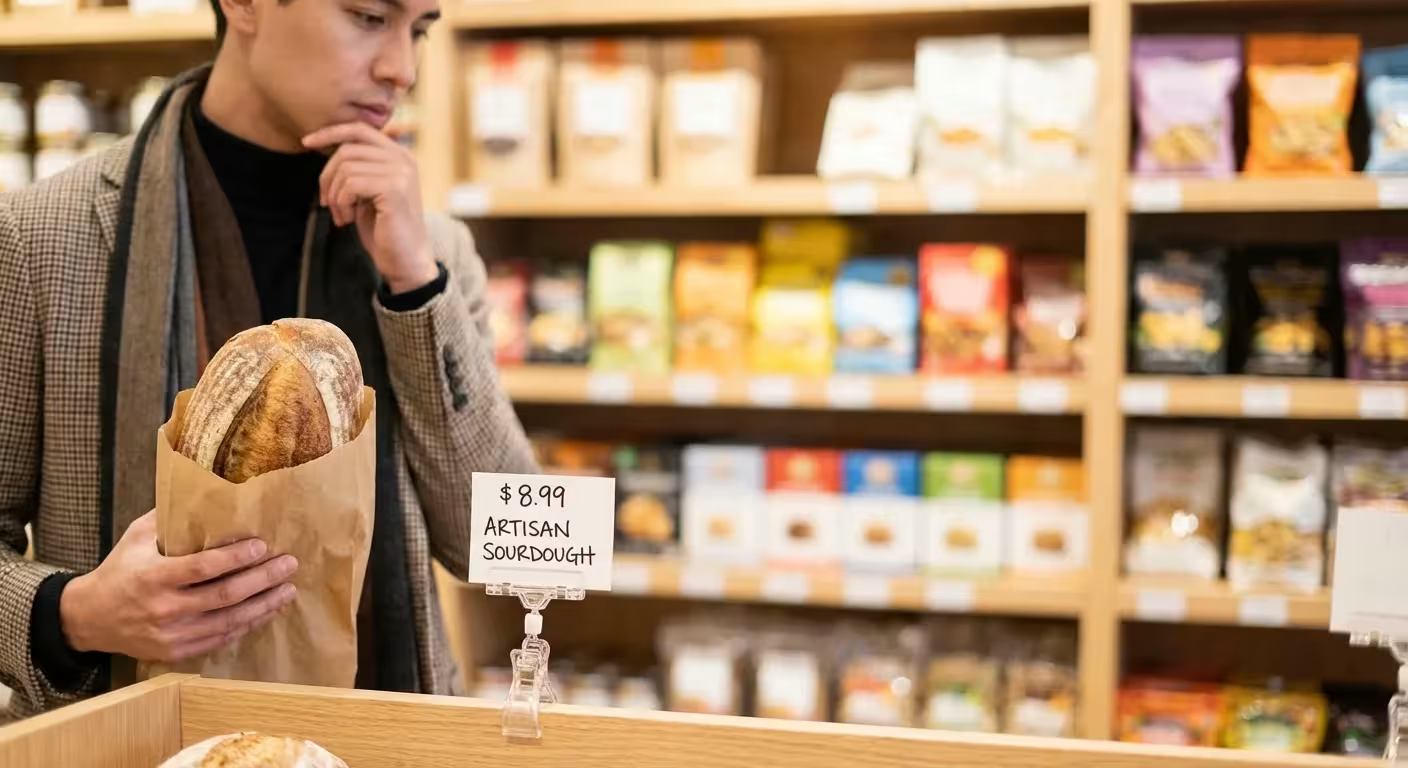
Despite the clear mathematical advantage of baking at home, there are scenarios where store-bought is the smarter financial or practical choice. Professional financial guidance requires looking at the “opportunity cost”—the value of your time.
When It’s Worth Paying:
- Time Scarcity: It takes about 10 minutes to measure ingredients and start a machine. If you are working overtime at $50/hour, spending 10 minutes to save $3 might not be your best use of time.
- Loss Leaders: Some grocery stores sell basic white bread as a “loss leader” to get you in the door, sometimes priced under $1.50. You cannot beat these prices at home when you factor in your time.
- Complex Breads: If you want a specific rye with caraway seeds or a high-hydration ciabatta that requires a 48-hour ferment, a basic bread machine might not deliver the results you want.
- Bulk Discounts: If you have access to a bakery outlet or “day-old” bread store, you can often find premium loaves for $1.00 or $2.00, which rivals the cost of DIY baking without the effort.
The Nutritional Advantage
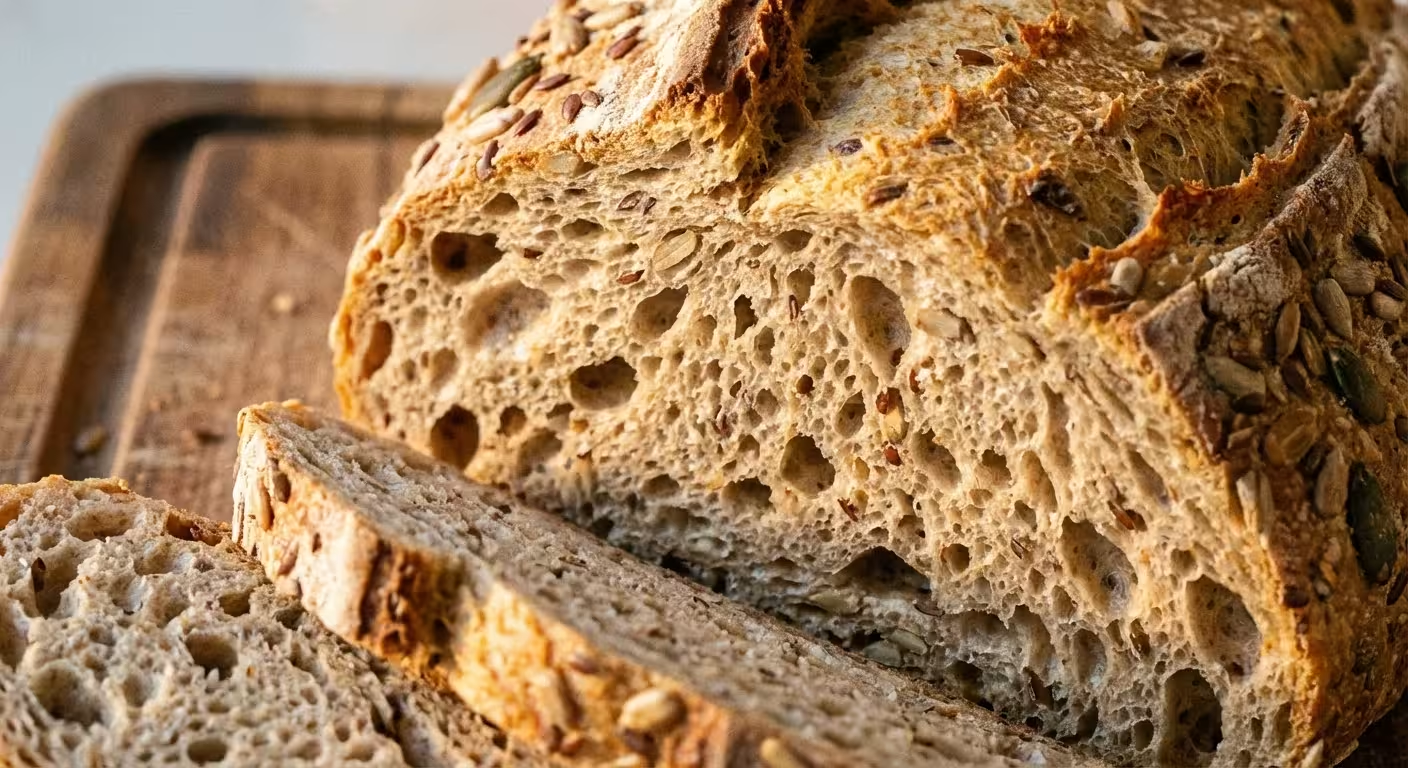
Beyond the dollars and cents, consider what you are getting for your money. Store-bought bread—even the “healthy” brands—often contains dough conditioners, preservatives like calcium propionate, and added sugars to extend shelf life. The USDA Food & Nutrition guidelines emphasize the importance of whole grains and reducing added sugars.
When you bake at home, you control every gram of sugar and salt. You can add flax seeds, oats, or wheat germ to boost the nutritional profile without paying the “health food store” premium. This “hidden saving” manifests in long-term health and reduced healthcare costs, though it is harder to quantify on a weekly grocery receipt.
Don’t Fall For These: Common DIY Mistakes
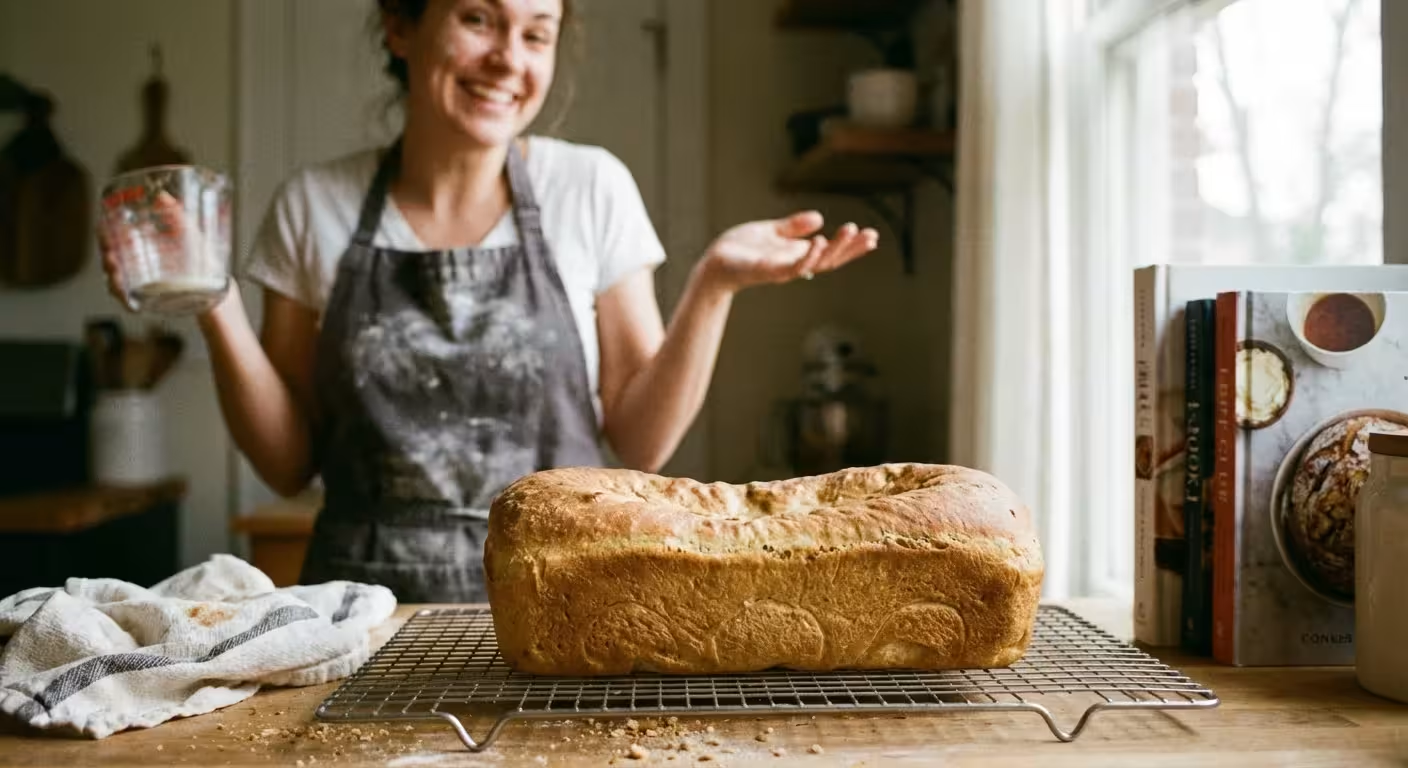
If you want to maximize your bread machine savings, you must avoid the common pitfalls that lead to wasted ingredients and “doorstop” loaves.
- Buying Pre-Mixed Bread Kits: These kits often cost $4.00 to $6.00 per loaf. They are essentially store-bought bread with more work. Avoid them and stick to raw ingredients.
- Improper Ingredient Scaling: Bread baking is chemistry. Guessing at the flour measurement usually leads to a failed loaf. Use a digital kitchen scale for consistent results. A failed loaf is about $1.00 of ingredients in the trash.
- Poor Storage Habits: Homemade bread lacks preservatives, meaning it will mold in 3-4 days on the counter. If you don’t eat a whole loaf quickly, slice it and freeze it immediately. This prevents waste—the ultimate enemy of a savings plan.
- Overcomplicating the First Loaf: Start with a basic white or honey wheat recipe. Jumping straight into gluten-free or 100% whole grain recipes without understanding your machine often leads to frustration and a machine that gathers dust.
The Convenience Factor: Is It Really More Work?
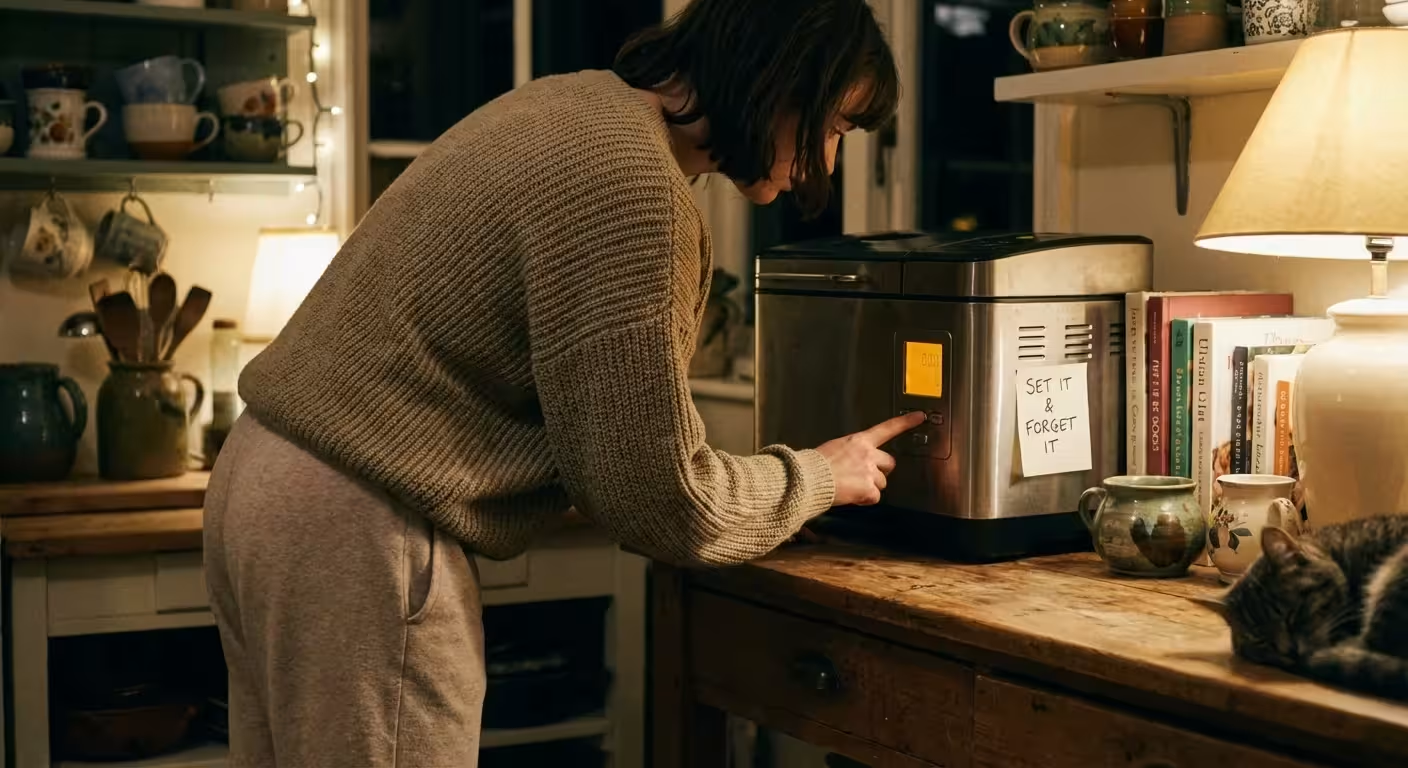
The most common argument against bread machines is the “hassle” factor. However, the modern bread machine is a “set it and forget it” appliance. Most have a delay timer. You can put the ingredients in at 10:00 PM, set the timer for 7 hours, and wake up to the smell of fresh bread at 7:00 AM.
Compare these two timelines:
Store-Bought: Get in the car, drive to the store (10 mins), walk to the bread aisle (5 mins), wait in line (5 mins), pay, and drive home (10 mins). Total time: 30 minutes. Fuel cost: ~$1.50–$3.00 depending on distance.
Bread Machine: Pull ingredients from the pantry (2 mins), measure into the pan (5 mins), press start (1 min), clean the pan later (2 mins). Total time: 10 minutes. Fuel cost: $0.00.
When you look at it this way, the bread machine is actually a time-saver. You are reclaiming 20 minutes of your life and avoiding the temptation of “impulse buys” that inevitably happen when you walk into a grocery store just for one item.
Expert Tips for Maximum Savings
To truly master the diy vs store bought debate, implement these high-level strategies used by extreme savers:
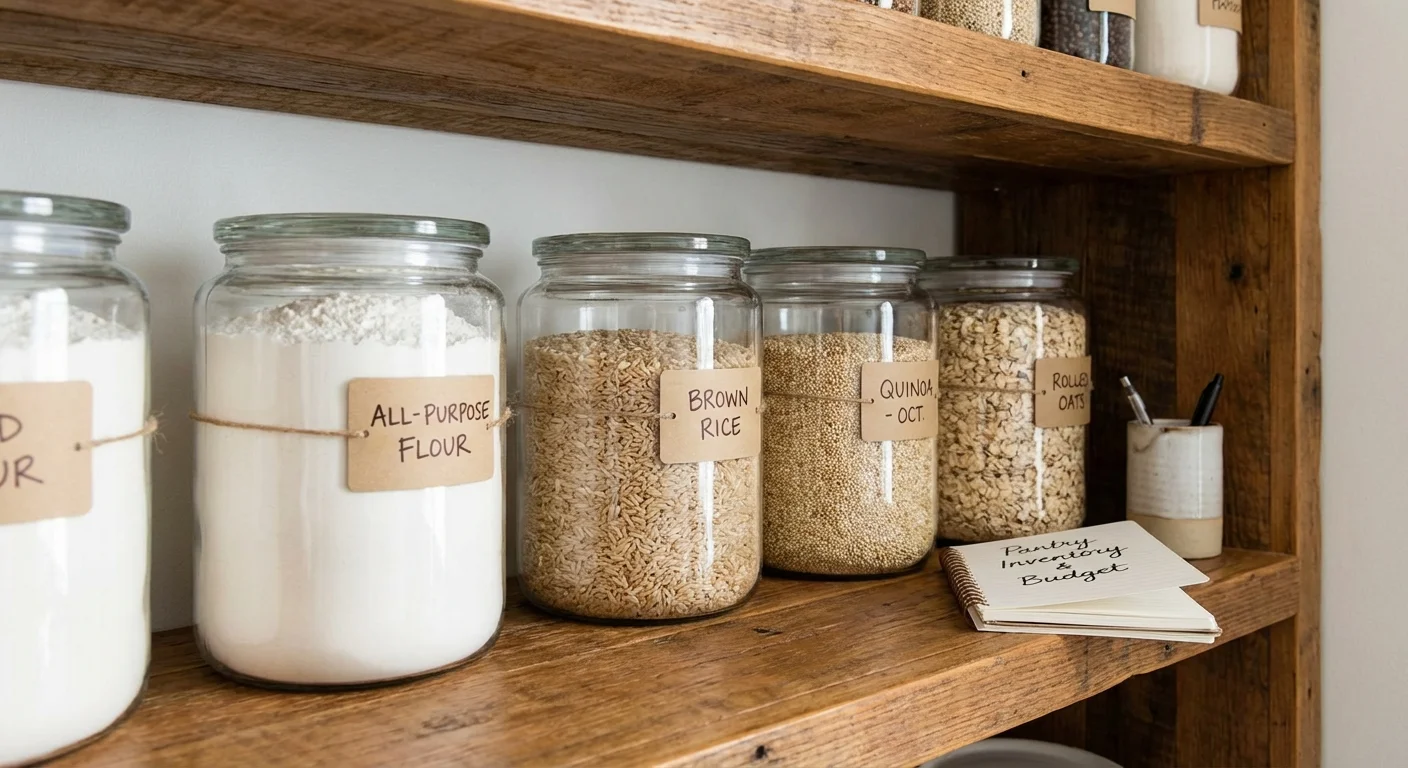
- The Sourdough Hybrid: Once you are comfortable with your machine, start a sourdough starter. This eliminates the need to buy yeast entirely, saving you another $20–$30 a year. Many machines have a “dough” setting that allows you to rise sourdough before baking.
- Grind Your Own Grain: If you are a heavy bread eater, buying wheat berries in 50-pound buckets and grinding them yourself can drop your flour cost to as low as $0.30 per pound. This also provides the highest possible nutritional value.
- Seasonal Flavors: Use up pantry staples that are nearing their expiration. Got a half-jar of applesauce? Use it to replace some of the oil and sugar in a loaf. Have leftover herbs from the garden? Toss them in for a savory herb bread that would cost $7.00 at a boutique bakery.
- Skip the Specialty Flour: While “bread flour” has more protein, many people find that high-quality all-purpose flour works perfectly fine in a bread machine, especially if you add a tablespoon of vital wheat gluten (bought in bulk).
Frequently Asked Questions
Is gluten-free bread cheaper to make in a machine?
Yes, significantly. Store-bought gluten-free loaves are notoriously expensive, often costing $7.00 or more for a tiny loaf. While gluten-free flours are more expensive than wheat flour, you can still produce a loaf for around $2.50 to $3.00, representing a 50% or greater saving.
How long do bread machines actually last?
A well-maintained, mid-range machine should last for 500 to 1,000 loaves. If you bake twice a week, that is 5 to 10 years of service. Even a high-end $300 machine costs only $0.30 per loaf when amortized over its lifespan.
Can I make more than just bread?
Most modern machines have a “dough” setting. You can use it to make pizza dough, cinnamon roll dough, or dinner rolls. Making two large pizzas at home using machine-made dough costs about $5.00 total, compared to $30.00+ for delivery. This is where the machine truly becomes a budget powerhouse.
Does homemade bread stay fresh?
Because it lacks preservatives, it doesn’t stay soft as long as commercial bread. To fix this, add a “natural” preservative like a tablespoon of potato flakes or use the “Tangzhong” method (a simple cooked flour and water paste). Otherwise, slicing and freezing is your best bet for maintaining freshness.
Your Next Step
The numbers don’t lie. If your family consumes more than one loaf of bread per week, a bread machine is a mathematically sound investment that will pay for itself within months. It empowers you to take control of your food quality while shielding your budget from the volatility of grocery store pricing.
Start by checking local thrift stores or Facebook Marketplace. You can often find a barely-used machine for $20. Pick up a 5-pound bag of flour and a jar of yeast, and run your own experiment. The first time you smell fresh bread wafting through your home—and realize it cost you less than a dollar—you will never want to go back to the bread aisle again.
This article provides general money-saving guidance. Individual results vary based on location, household size, and spending patterns. Verify current prices before making purchasing decisions.
Last updated: February 2026. Prices change frequently—verify current costs before purchasing.





Leave a Reply