
You probably noticed your monthly utility bill creeping upward over the last few years. According to the Bureau of Labor Statistics, electricity prices have consistently outpaced general inflation in many regions, leaving homeowners searching for a permanent escape from the rate-hike cycle. Solar energy has long been the “gold standard” for energy independence, but the landscape shifted significantly as we entered 2025. Between fluctuating interest rates, the expiration of older net-metering rules, and the decreasing cost of hardware, the math for solar panel ROI isn’t as simple as it used to be.
Determining if solar makes sense for your household requires looking past the glossy marketing brochures. You need to understand the interplay between your local utility’s policies, your roof’s orientation, and the federal incentives that still sit on the table. This guide strips away the hype to help you calculate whether a solar investment will actually put money back in your pocket or simply tie up your capital for the next two decades.

The Upfront Sticker Shock: Breaking Down 2025 Installation Costs
The average cost of a residential solar system in the United States currently hovers between $2.50 and $3.30 per watt. For a standard 8-kilowatt (kW) system, you are looking at a gross price tag of $20,000 to $26,400. While that number feels substantial, hardware costs—the panels and inverters themselves—have actually dropped. Most of what you pay today covers “soft costs,” which include labor, permitting, and the installer’s marketing expenses.
Your actual out-of-pocket cost depends heavily on how you pay. If you have the cash, you avoid interest and maximize your renewable energy ROI immediately. However, most homeowners opt for solar loans. In the current high-interest environment, a 7% or 8% interest rate on a 20-year loan can significantly erode your long-term savings. You must weigh the monthly loan payment against your projected utility savings to ensure you aren’t just trading one bill for another of equal size.

The 30% Federal Lifeline: Solar Tax Credits
The most powerful tool in your financial arsenal remains the federal Investment Tax Credit (ITC). Under the Inflation Reduction Act, you can claim a 30% credit on the total cost of your solar system, including equipment, labor, and even battery storage. If you spend $25,000 on a system, you receive a $7,500 credit against your federal income tax liability.
It is vital to understand that this is a tax credit, not a rebate. You must have enough tax liability to use it. If you don’t owe $7,500 in taxes in a single year, you can typically roll the remaining credit forward to the following year. This 30% reduction is the single biggest factor in shortening your payback period—the time it takes for the system to pay for itself through energy savings. Without this credit, the math for the average homeowner becomes much harder to justify.
“It’s not your salary that makes you rich, it’s your spending habits.” — Charles A. Jaffe
By shifting your spending from a recurring utility expense to a one-time (or financed) asset, you are effectively “pre-paying” 25 years of electricity at a fixed, lower rate. This intentionality is the core of smart financial planning in 2025.
The Shifting Logic of Net Metering
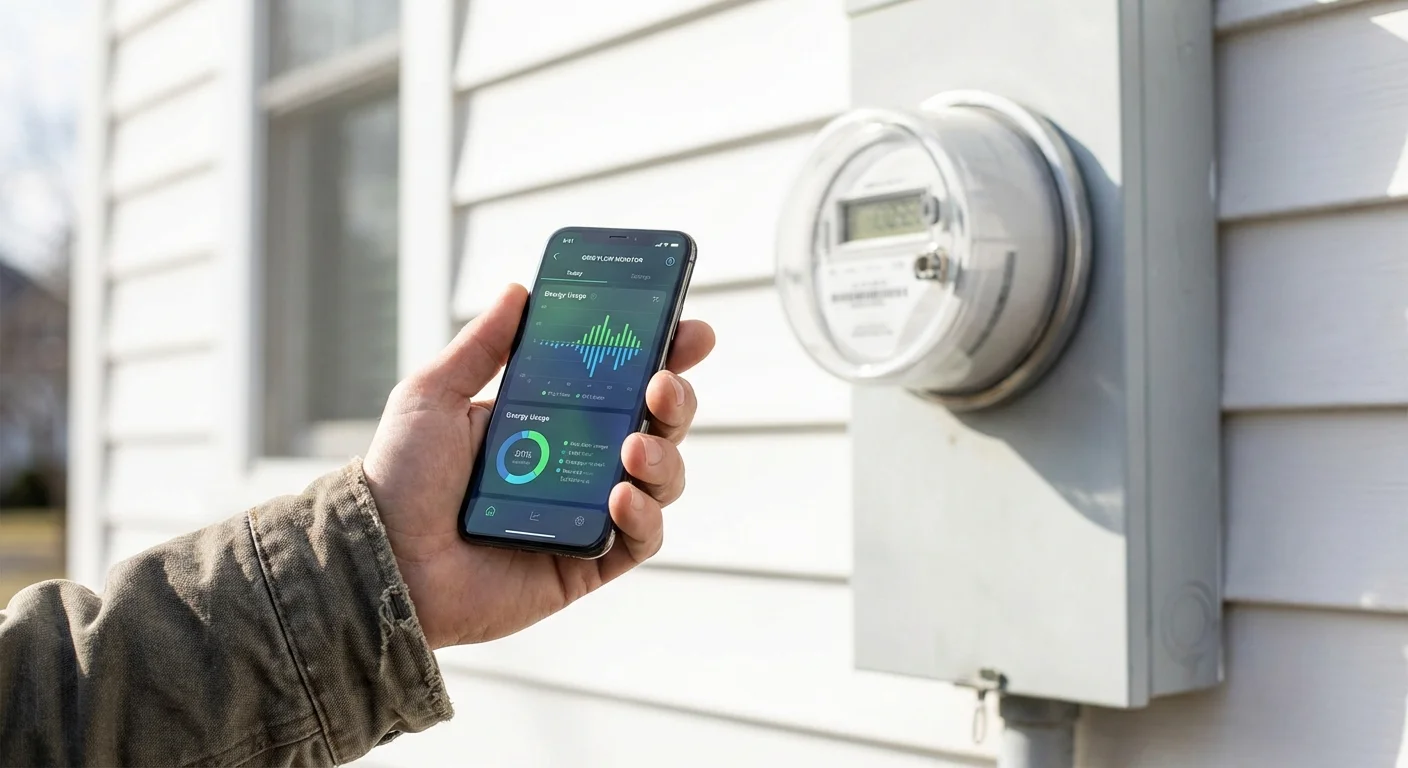
For years, “Net Metering 2.0” was the standard. If your panels produced excess power during the day, you sent it back to the grid, and the utility company credited you at the full retail rate. At night, you used those credits to pull power back for free. This made the grid act like a giant, free battery for your home.
However, many states have moved toward “Net Billing” or “Net Metering 3.0.” In these scenarios, the utility buys your excess power at a much lower wholesale rate—sometimes only 25% of what they charge you to buy it back. This shift has fundamentally changed the solar panel cost vs savings equation. If you live in a state like California, you can no longer rely on the grid to balance your costs. To maximize ROI in 2025, you often need to pair your panels with a battery storage system so you can use your own power at night rather than selling it for pennies and buying it back for quarters.

Calculating Your Personal Payback Period
To find your “break-even” point, you need to look at four specific variables: your annual electricity spend, your local sunlight hours, your system’s efficiency, and your cost of capital. A system that pays for itself in 6 to 9 years is generally considered an excellent investment. If your payback period stretches beyond 12 or 15 years, the ROI becomes more questionable, as you must factor in the potential for component failures or roof repairs during that window.
Consider this hypothetical comparison of a homeowner in a high-sun, high-cost area versus a low-sun, low-cost area:
| Factor | Scenario A (Sun Belt) | Scenario B (Rust Belt) |
|---|---|---|
| System Size | 8 kW | 8 kW |
| Gross Cost | $24,000 | $24,000 |
| 30% Tax Credit | -$7,200 | -$7,200 |
| Net Cost | $16,800 | $16,800 |
| Avg. Monthly Savings | $185 | $95 |
| Annual Savings | $2,220 | $1,140 |
| Payback Period | 7.5 Years | 14.7 Years |
As the table demonstrates, geography and local utility rates are the primary drivers of ROI. You can research your local electricity rates through the Energy.gov Savings Tips portal to see how your state compares to the national average.
The 2025 Battery Storage Pivot
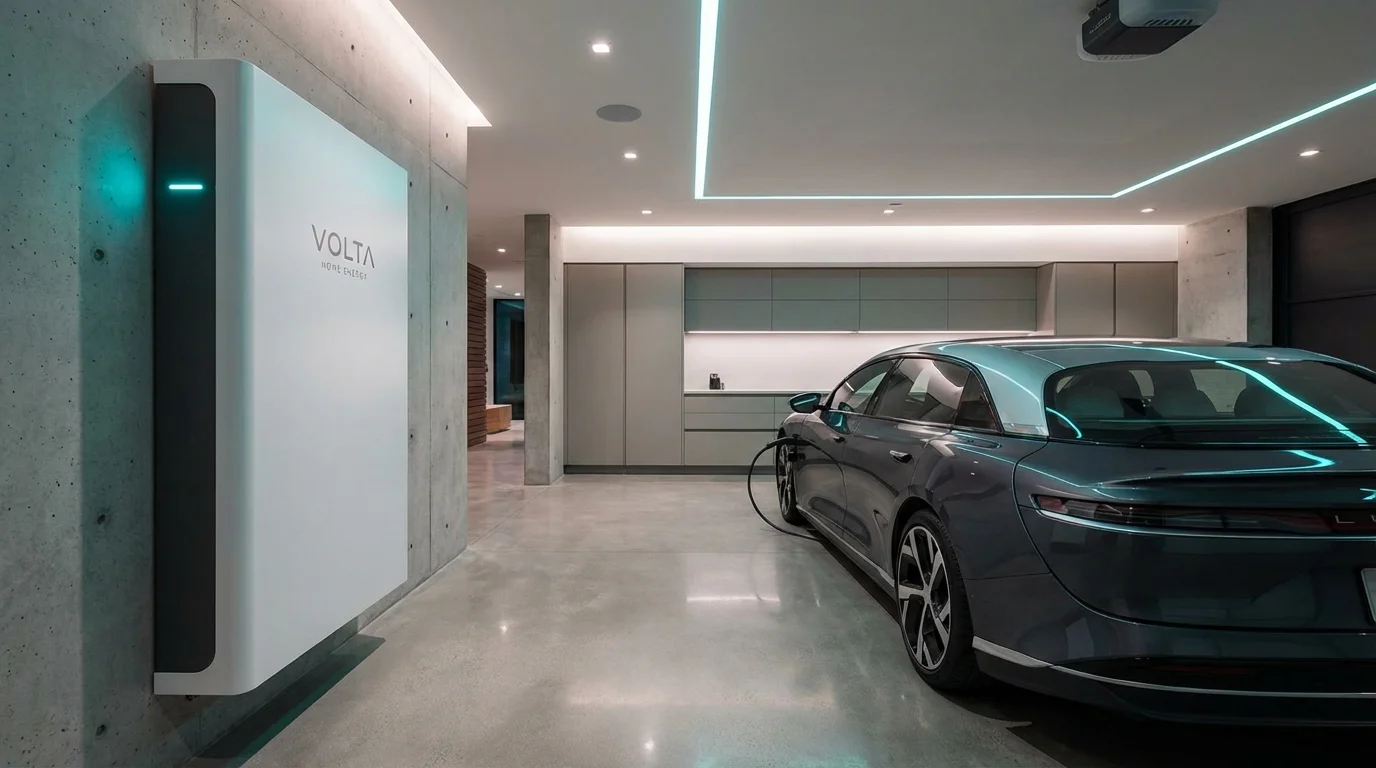
In 2025, a solar-only system is often a partial solution. Home battery systems, like the Tesla Powerwall or Enphase IQ, have become more integrated into the ROI discussion. While a battery adds $10,000 to $15,000 to the total cost, it allows you to achieve “self-consumption.”
Self-consumption is the practice of using every kilowatt-hour your panels produce within your own home. By storing day-time energy and using it during “peak hours” (usually 4 PM to 9 PM) when utilities charge the highest rates, you can save significantly more than by selling that power back to the grid. For homeowners under Net Metering 3.0 rules, adding a battery can actually shorten the total payback period by protecting you from expensive peak-time charges, despite the higher upfront investment.

Leasing vs. Buying: The Hidden Cost of “Free” Solar
You have likely seen advertisements for “no-cost solar” or “free panels.” These are almost always Power Purchase Agreements (PPAs) or solar leases. In these arrangements, a third party owns the panels on your roof, and you simply buy the power from them at a slightly lower rate than the utility charges. While this requires $0 down, it is rarely the best financial move for long-term ROI.
When you lease, the solar company—not you—gets the 30% federal tax credit. Furthermore, solar leases can complicate the sale of your home. Many buyers are wary of taking over a 20-year contract, and some lenders require the lease to be paid off in full before closing. If your goal is true wealth building and maximizing the value of your property, owning the system through cash or a standard solar loan is almost always superior to a lease.
DIY vs. Professional Installation
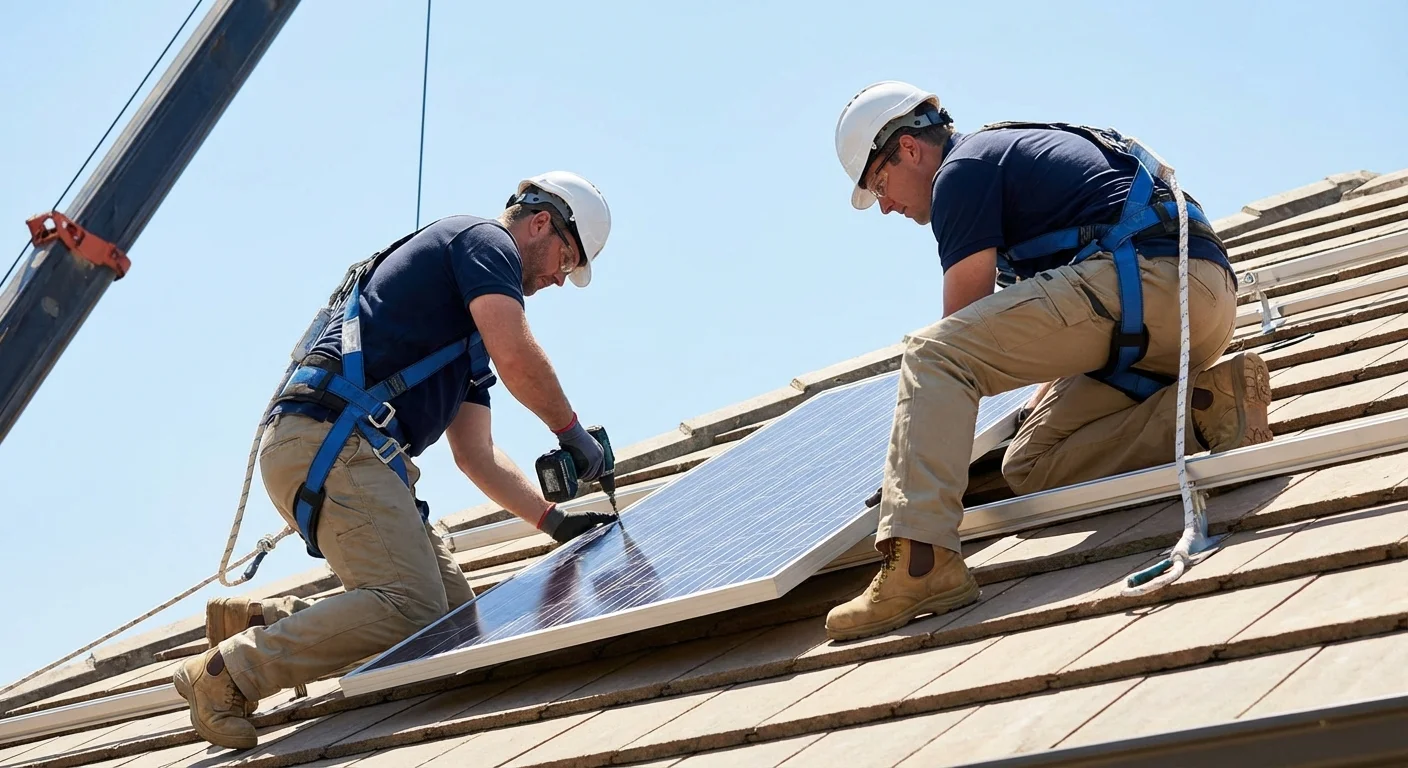
For the handy homeowner, the idea of a DIY solar kit is tempting. You can buy 8kW worth of panels, racking, and an inverter for roughly $8,000 to $10,000—a fraction of the pro-installed price. However, this path is fraught with financial and safety hurdles.
- Permitting and Interconnection: Utilities are notoriously difficult when it comes to DIY systems. You must submit detailed electrical diagrams and pass rigorous inspections before they allow you to connect to the grid.
- Warranty Issues: Most panel manufacturers only honor their 25-year warranties if a certified professional performs the installation. A DIY error could void the warranty on $10,000 worth of equipment.
- Roof Integrity: A professional installer carries insurance. If they cause a leak, they fix it. If you cause a leak during a DIY install, you are on the hook for the repair costs, which could easily wipe out your initial savings.
The Verdict: Unless you are a licensed electrician or have significant experience with high-voltage DC systems and roofing, the professional route is safer and better for long-term ROI. The “soft costs” you pay to a pro buy you peace of mind and an ironclad paper trail for your tax credits and home resale value.
Savings Killers: What Could Tank Your ROI?
Not every solar installation is a success story. Several “savings killers” can turn a smart investment into a financial burden. You must be vigilant during the planning phase to avoid these common pitfalls.
1. Poor Roof Condition: Never put solar panels on a roof that has less than 10 to 15 years of life left. The cost to de-install and re-install panels just to replace shingles can run between $3,000 and $5,000, effectively adding two or three years to your payback period.
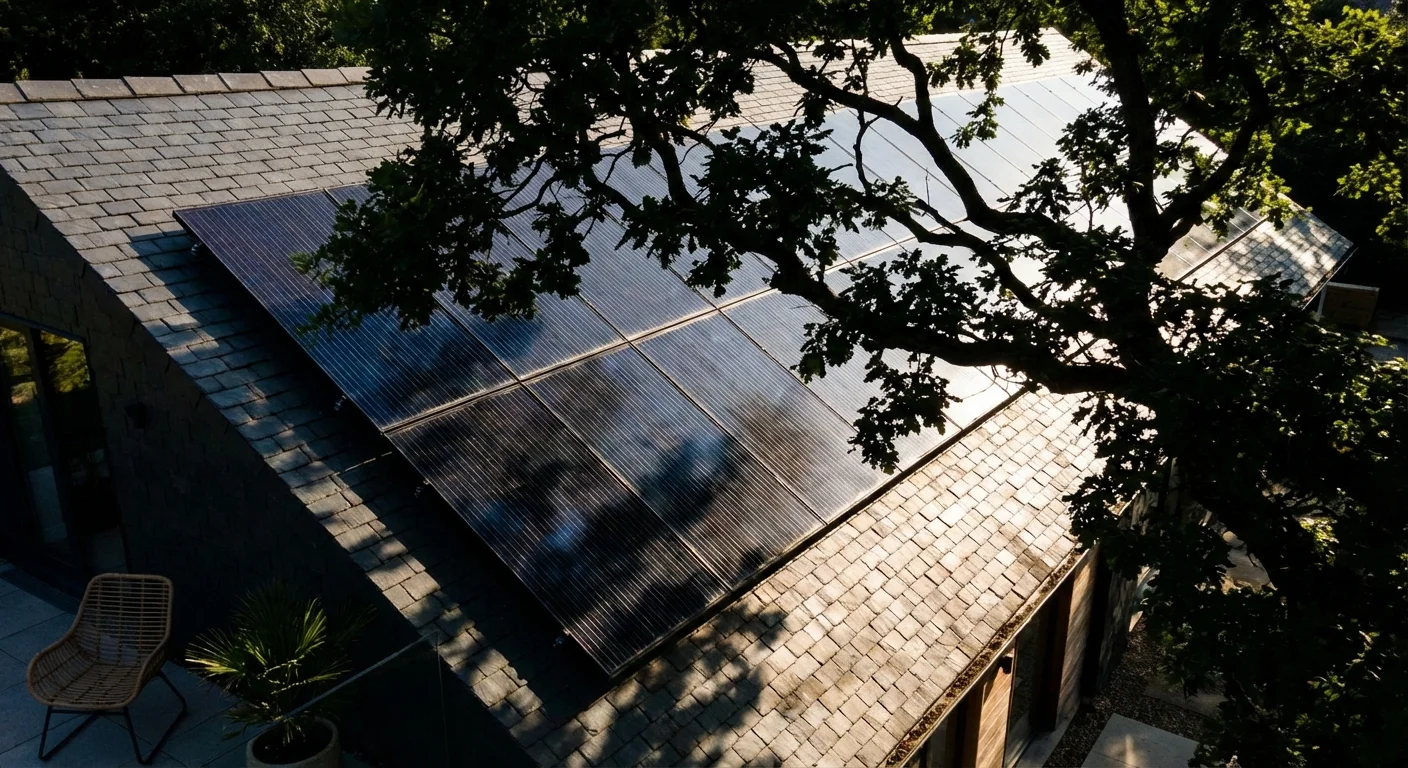
2. Shading and Orientation: A roof facing North will produce significantly less energy than one facing South (in the northern hemisphere). Even partial shading from a neighbor’s tree or a chimney can drop a string of panels’ output by 50% or more. Use tools like the ENERGY STAR website to find certified installers who use micro-inverters, which help mitigate the impact of shading on individual panels.
3. Hidden Financing Fees: Some solar lenders offer “low” interest rates of 1.99% or 2.99%, but they bake a “dealer fee” into the principal. This fee can be as high as 20% to 30% of the total loan. You might think you’re getting a deal, but you’re actually paying $30,000 for a $22,000 system. Always ask for the “cash price” versus the “financed price” to see the true cost of the loan.
“Beware of little expenses; a small leak will sink a great ship.” — Benjamin Franklin
In the world of solar, that “small leak” is often the hidden dealer fee or the cost of an unneeded extended warranty. Stick to the essentials to keep your ROI high.

The Maintenance Myth: What You Actually Need to Do
One of the perks of solar energy is that panels have no moving parts. This makes them incredibly durable. However, they aren’t entirely maintenance-free. Dust, pollen, and bird droppings can create a film that reduces efficiency by 5% to 10% over time. In most climates, regular rainfall is enough to keep the panels clean. If you live in a particularly dusty area or a region with frequent wildfires, you may need to spray them down with a hose once or twice a year.
The real maintenance concern is the inverter. While panels are warrantied for 25 years, the inverter—the “brain” that converts DC to AC power—typically lasts 12 to 15 years. When calculating your 20-year ROI, you should set aside roughly $1,500 to $2,500 for a mid-life inverter replacement. Failure to account for this can lead to a nasty surprise a decade down the road.

Does Solar Increase Your Home’s Value?
Research from Zillow and the Lawrence Berkeley National Laboratory consistently shows that solar panels add a premium to home sales prices. On average, homes with solar sell for about 4% more than comparable non-solar homes. For a $400,000 house, that is a $16,000 increase in equity.
This “equity bump” is a crucial part of the ROI calculation. Even if you sell your home before the system has fully paid for itself through energy savings, you will likely recoup the remaining cost through the higher sales price. This makes solar a safer investment for homeowners who might not stay in their “forever home” for the full 25-year life of the panels.

Is 2025 the Right Year for You?
The “best” time to go solar was yesterday, but the second best time is today. Utility rates show no signs of decreasing, and the 30% federal tax credit is currently stable. However, the move toward Net Metering 3.0 means that the longer you wait, the more likely you are to face less favorable utility policies. If you have a south-facing roof in good condition and a monthly electric bill over $150, the math for solar in 2025 remains incredibly compelling.
To get started, don’t just call the first company that knocks on your door. Gather at least three quotes from local installers. Check their reputations through the NerdWallet guide on solar financing or other consumer advocacy sites. Compare the price per watt, the equipment warranties, and the financing terms. By doing your homework and focusing on the net cost after incentives, you can transform your roof into a reliable, money-saving asset for decades to come.
Frequently Asked Questions
How long do solar panels actually last?
Most tier-one solar panels are warrantied for 25 years, but they don’t stop working on day one of year 26. They simply degrade slowly, usually losing about 0.5% of their efficiency per year. You can expect a quality system to produce usable power for 30 to 40 years.
What happens to my solar panels if there is a power outage?
Unless you have a battery backup or a specialized “sunlight backup” inverter, your solar system will shut off during a grid outage. This is a safety feature required by law to prevent your panels from sending electricity back into the lines while utility workers are trying to fix them.
Can I get solar if I have an older roof?
You can, but you shouldn’t. It is much more cost-effective to replace your roof and install solar at the same time. Some roofing companies partner with solar installers to offer a package deal, and in some cases, the cost of the roof work directly supporting the solar array may even qualify for a portion of the tax credit (consult a tax professional for your specific case).
Take control of your energy future by evaluating your roof’s potential today. Start by reviewing your last 12 months of utility bills to find your average usage; this is the first piece of data any reputable installer will need to give you an accurate ROI estimate.
Prices and availability mentioned reflect research at the time of writing and may vary by location and retailer. Your actual savings will depend on your specific situation and shopping habits.
Last updated: February 2025. Prices change frequently—verify current costs before purchasing.

Leave a Reply