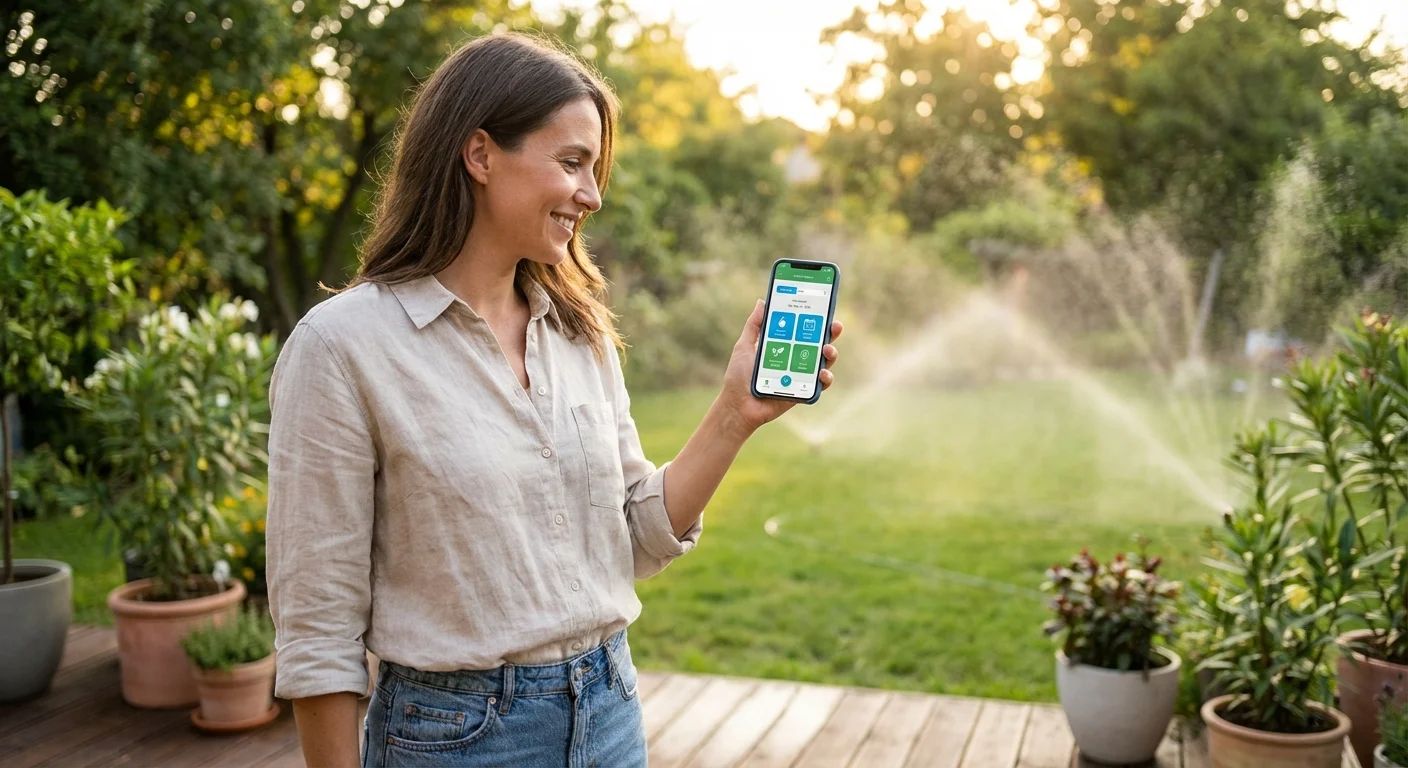
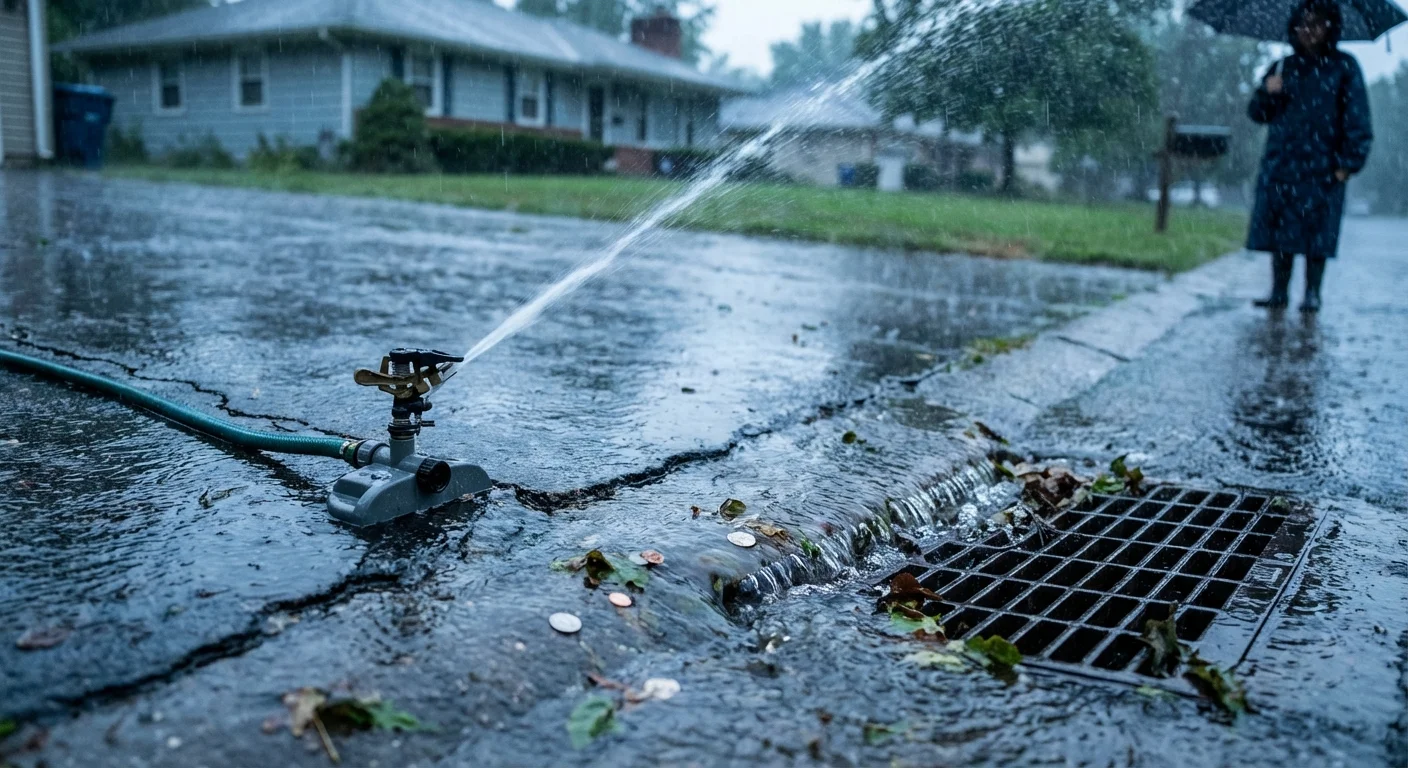
You have likely seen the scene in your own neighborhood: a torrential downpour drenching the pavement while a neighbor’s automatic sprinklers dutifully blast water into the storm. It is a visual representation of money washing down the gutter. For many homeowners, the lawn care budget remains one of the most unpredictable variables in the monthly household ledger. While we meticulously clip coupons for groceries or hunt for gas rewards, we often allow our irrigation systems to run on “set it and forget it” timers designed in the 1990s.
The promise of smart irrigation technology is bold—manufacturers often claim these devices can slash your outdoor water usage by 30% or more. In a world where utility rates continue to climb and water scarcity becomes a localized reality, that 30% represents more than just environmental stewardship; it represents significant, tangible breathing room in your bank account. To determine if these gadgets live up to the hype, you must look past the flashy smartphone apps and understand the hard data behind how we use—and waste—water.
The Hidden Drain on Your Lawn Care Budget
According to the EPA WaterSense program, the average American family uses about 320 gallons of water per day. Roughly 30% of that total goes toward outdoor uses. In hotter climates or during peak summer months, that number can skyrocket to 60% or more. The most staggering statistic, however, is that as much as 50% of the water we apply to our lawns is wasted due to evaporation, wind, or simply overwatering.
Traditional irrigation timers are “dumb” devices. They follow a rigid schedule regardless of whether it rained two inches yesterday or if a heatwave is forecast for tomorrow. If you pay for city water, you are essentially paying for a service you do not always need. A smart sprinkler controller acts as a brain for your existing system. It replaces the old wall-mounted dial with a computer that communicates with local weather stations to determine exactly how much moisture your soil actually requires.
How Smart Irrigation Technology Responds to Reality
Smart controllers do not just turn the water on and off; they manage a complex equation known as evapotranspiration (ET). This is the combination of water evaporating from the soil and the water “breathed” out by your grass and plants. To calculate this, a smart controller looks at several data points:
- Local Weather Feeds: The device connects to your Wi-Fi to pull real-time data from the nearest meteorological station.
- Soil Type: Sandy soil drains quickly, while clay retains water. You tell the controller what you have, and it adjusts the frequency of watering.
- Plant Type: Your Kentucky Bluegrass has vastly different thirst levels than your xeriscaped succulent garden.
- Sun Exposure: Areas in the shadow of your house need less water than the south-facing patch of lawn that bakes in the afternoon sun.
By processing these variables, the controller might decide to skip a scheduled session because the humidity is high and evaporation is low, or it might split a long watering cycle into three short bursts to prevent runoff on a sloped area of your yard. These micro-adjustments are what drive the 30% savings you are looking for.
“Beware of little expenses; a small leak will sink a great ship.” — Benjamin Franklin

Crunching the Numbers: The Return on Investment
To decide if a smart sprinkler controller is a wise financial move, you need to look at the math. A high-quality, WaterSense-certified controller typically costs between $120 and $250. If you are a DIY enthusiast, installation is free and usually takes less than an hour. If you hire a pro, you might add $100 to $150 to the initial cost.
If your summer water bill averages $150 per month and 60% of that is outdoor usage ($90), a 30% reduction saves you $27 per month. Over a five-month growing season, you have recouped $135. In this scenario, the device pays for itself in less than two seasons. However, the financial win often comes sooner through municipal rebates.
Many local water districts are so eager to reduce demand on their infrastructure that they offer significant rebates for homeowners who switch to smart controllers. Some programs cover 50% of the cost, while others provide the hardware entirely for free. Before you buy, check with your local utility provider or search the WaterSense Rebate Finder. You might find that your out-of-pocket cost is nearly zero, making the ROI instantaneous.
Comparing the Top Smart Sprinkler Controllers
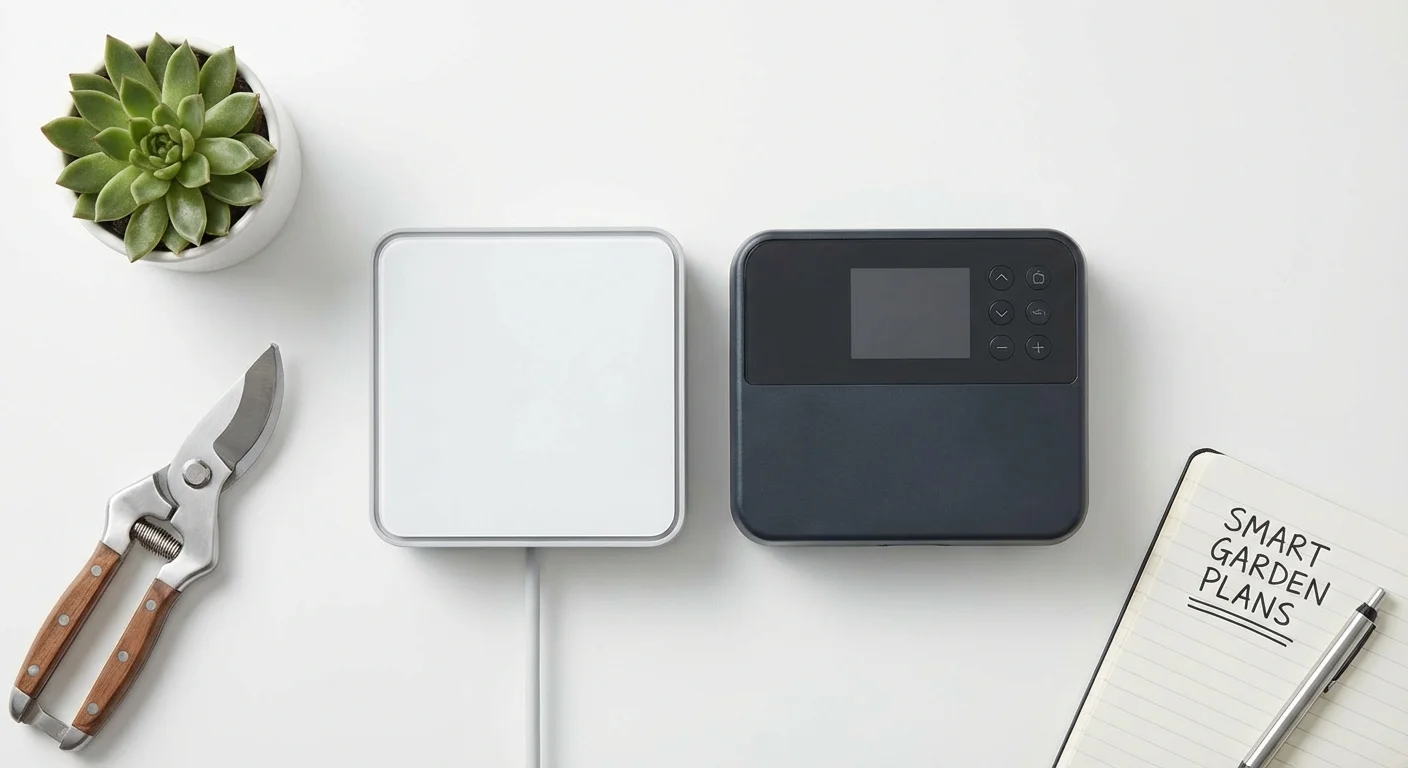
Not all controllers are created equal. When shopping, you should prioritize “Predictive Intelligence” over simple “Remote Control.” A cheap Wi-Fi timer that only lets you turn the water on from your phone is not truly smart. You want a system that makes decisions for you. Below is a comparison of some of the most popular models currently on the market.
| Feature | Rachio 3 | Orbit B-hyve | Wyze Sprinkler Controller |
|---|---|---|---|
| Primary Strength | Best-in-class software and hyper-local weather data. | Affordable and features a physical dial for manual use. | Ultra-budget entry point for basic smart features. |
| Weather Data | Weather Intelligence Plus (Interpolated data). | Local station data. | Weather-based skips (requires subscription for some features). |
| Ease of Installation | High; tool-free wire terminals. | Moderate; traditional screw terminals. | High; very compact design. |
| App Experience | Excellent; very intuitive for beginners. | Good; functional but slightly more “industrial” feel. | Simple; integrated into the Wyze ecosystem. |
| Typical Price Point | $190 – $230 | $80 – $120 | $50 – $70 |
While the Wyze is the most affordable, power users often prefer the Rachio for its “Weather Intelligence Plus” feature. Instead of relying on a single weather station—which might be at an airport ten miles away—Rachio aggregates data from thousands of personal weather stations to create a “hyper-local” forecast for your specific street corner. This precision is where the deepest savings are found.
Costly Mistakes to Avoid
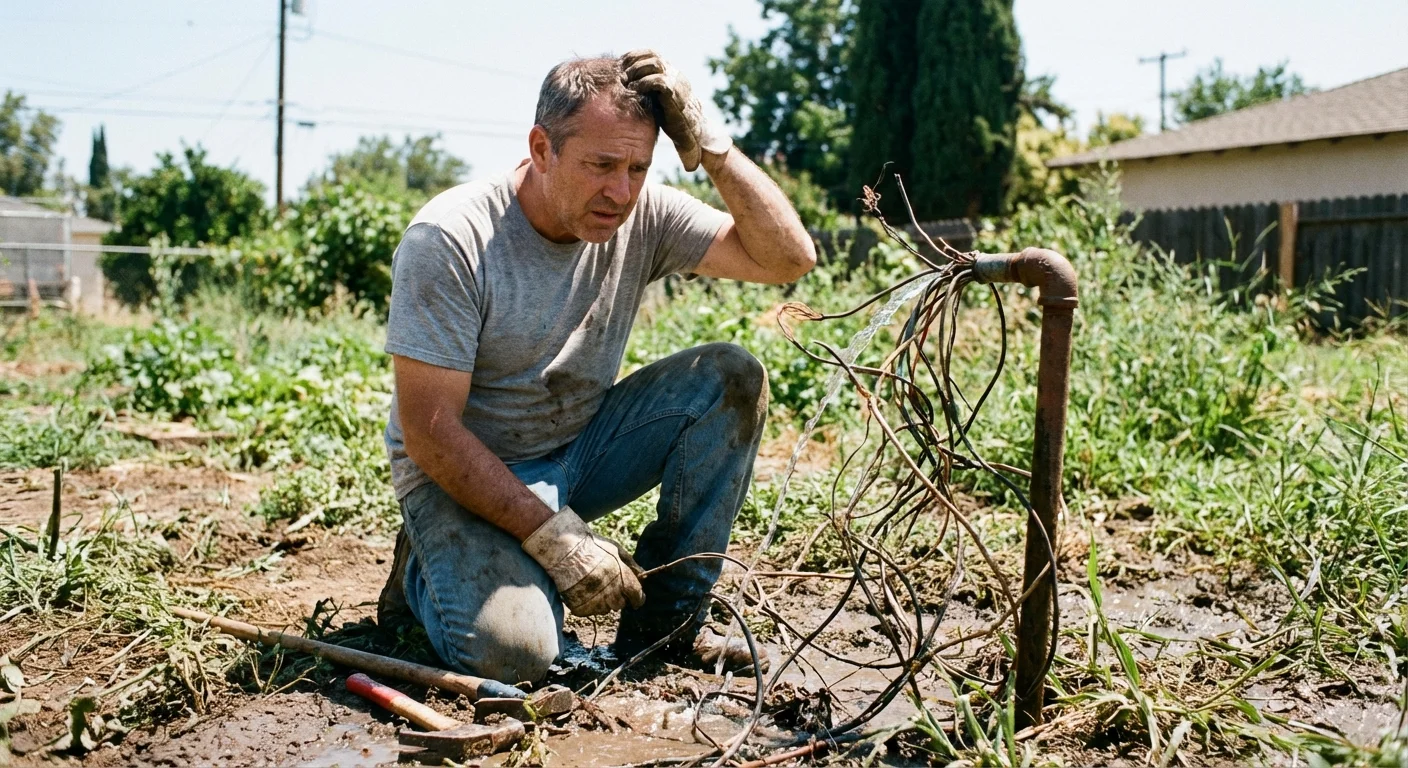
Even the smartest technology can fail if it is fed bad information. To ensure you actually see that 30% reduction on your water bill, avoid these common pitfalls:
- Incorrect Zone Mapping: If you tell the controller a zone is “Lawn” when it is actually “Shrubs,” the system will overwater. Shrubs have deeper roots and need less frequent watering than grass.
- Ignoring the Rain Sensor: While smart controllers use Wi-Fi for weather, many local building codes still require a physical rain sensor. Keeping your old sensor wired into the smart controller provides a “fail-safe” in case your Wi-Fi goes down during a storm.
- Set-and-Forget Complacency: Periodically check your “skip” history in the app. If the controller isn’t skipping cycles during rainy weeks, your settings might be too conservative. Adjusting the “allowed depletion” levels can fine-tune your savings.
- Buying Without Rebate Approval: Some utilities require you to purchase specific models to qualify for a rebate. Always verify the approved list on your utility’s website before clicking “buy.”
Skip DIY When…
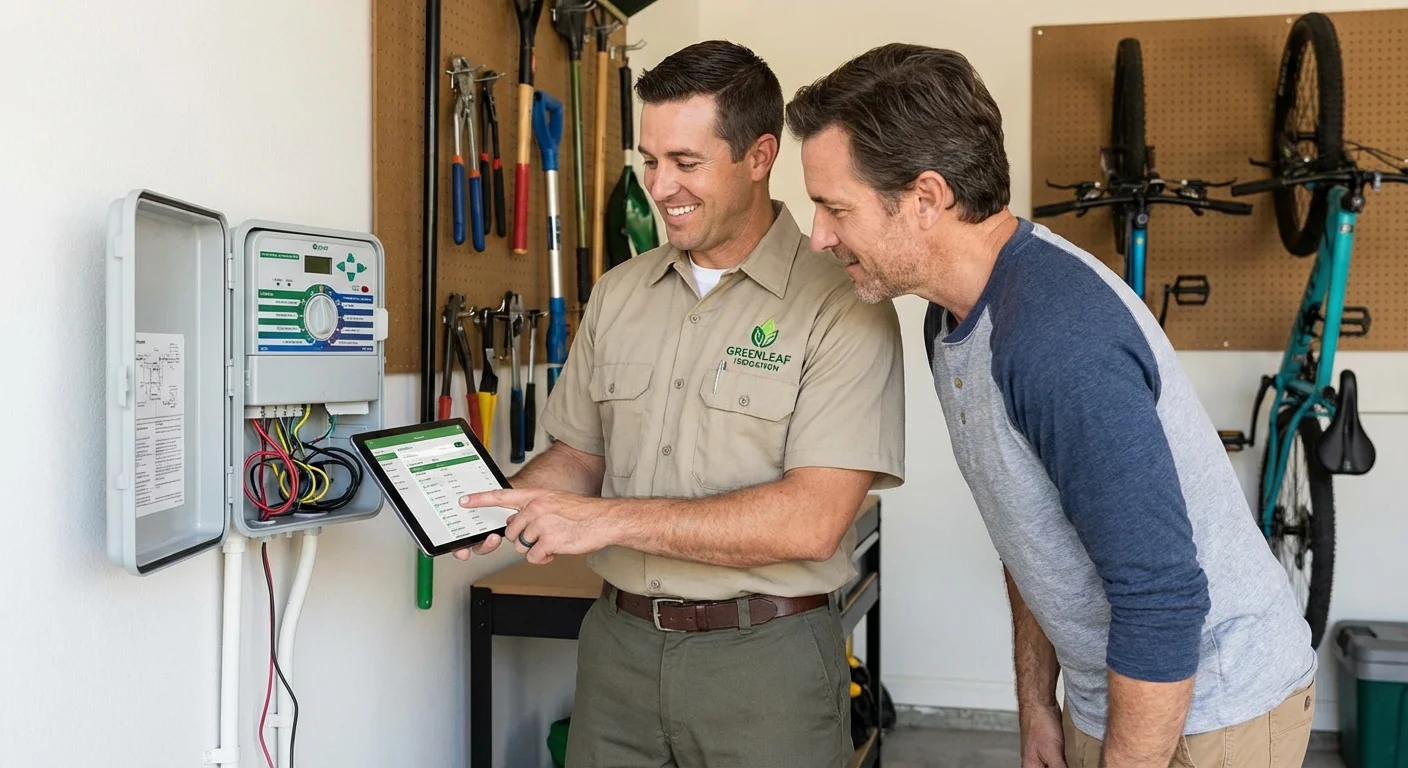
While replacing a controller is generally a straightforward task involving matching colored wires to labeled slots, there are times you should call in a professional irrigation technician. Consider skipping the DIY route if:
- Your Wiring is a Mess: If you open your old controller and find a “rat’s nest” of unlabeled, spliced wires, a professional can use a multimeter to identify which wire goes to which valve without blowing a fuse.
- You Have a Pump Start Relay: If your water comes from a well or pond rather than city pipes, you likely have a pump start relay. Wiring these into smart controllers can be tricky and carries a risk of damaging the pump if done incorrectly.
- You Need an Indoor/Outdoor Conversion: If your current timer is located outside and lacks a waterproof enclosure, but the smart controller you bought is “indoor only,” you will need to install a specific outdoor housing and potentially run new conduit.
“It’s not your salary that makes you rich, it’s your spending habits.” — Charles A. Jaffe

Maximizing Your Lawn Care Budget Beyond the Controller
A smart controller is a powerful tool, but it is only one piece of the lawn care budget puzzle. If your goal is to make every dollar count, you should pair your new technology with these low-cost horticultural strategies:
Practice “Deep and Infrequent” Watering: Instead of watering for five minutes every day, water for 20 minutes once or twice a week. This encourages roots to grow deeper into the soil to find moisture, making your lawn more drought-resistant and less reliant on your sprinklers.
Mow High: Set your mower blades to the highest setting (usually 3 to 4 inches). Taller grass shades the soil, reducing evaporation and preventing weed seeds from germinating. This simple habit can reduce the water needs of your lawn by a measurable margin.
Mulch Your Beds: A three-inch layer of organic mulch in your flower beds acts like insulation. It keeps the soil cool and moist, meaning your smart controller will rarely need to trigger those zones. You can often find free mulch through your city’s yard waste recycling program.
Aerate Annually: Compacted soil acts like concrete; water simply runs off the surface instead of soaking in. Aerating your lawn creates holes that allow water to reach the root zone. If you see puddles forming on your lawn while the sprinklers are running, it is time to aerate.
Frequently Asked Questions
Will a smart sprinkler controller work with my existing system?
Yes. Almost all smart controllers are designed to be retrofitted. They use the same standard 24V wiring used by nearly every residential irrigation system installed in the last 40 years. You simply move the wires from the old terminals to the new ones.
What happens if my Wi-Fi goes out?
Most controllers store the watering schedule locally on the device. If the internet goes down, the controller will continue to run the last saved schedule. However, it will lose its “smart” ability to skip based on weather updates until the connection is restored.
Is there a monthly subscription fee?
Most major brands like Rachio and Orbit do not charge a subscription fee for their standard features. Some budget brands, like Wyze, may offer a premium tier for advanced weather data, but the core functionality typically remains free. Always check the fine print before purchasing.
Does a smart controller really save 30%?
For the “average” user who currently uses a manual timer, yes. Data from the Energy.gov resources and EPA studies consistently show that weather-based controllers reduce outdoor water use by approximately 15% to 30%. Your actual savings will depend on how inefficient your previous habits were.
Taking the Next Step Toward Savings
Lowering your water bill does not require you to sacrifice a healthy, green yard or spend hours manually adjusting valves. By investing in a smart sprinkler controller, you are hiring a digital groundskeeper that works for you 24/7, constantly scanning the horizon for rain and adjusting your lawn care budget accordingly.
Your first move should be to check your most recent water bill to see your “tier” of usage. Many cities use “tiered pricing,” where the cost per gallon increases as you use more water. Reducing your usage by just a few thousand gallons could drop you into a lower, cheaper price bracket, compounding your savings. Combine this technology with smart horticultural practices, and you will find that a beautiful landscape and a leaner utility bill can indeed coexist.
Prices and availability mentioned reflect research at the time of writing and may vary by location and retailer. Your actual savings will depend on your specific situation, local water rates, and existing irrigation habits.
Last updated: February 2026. Prices change frequently—verify current costs before purchasing.

Leave a Reply