
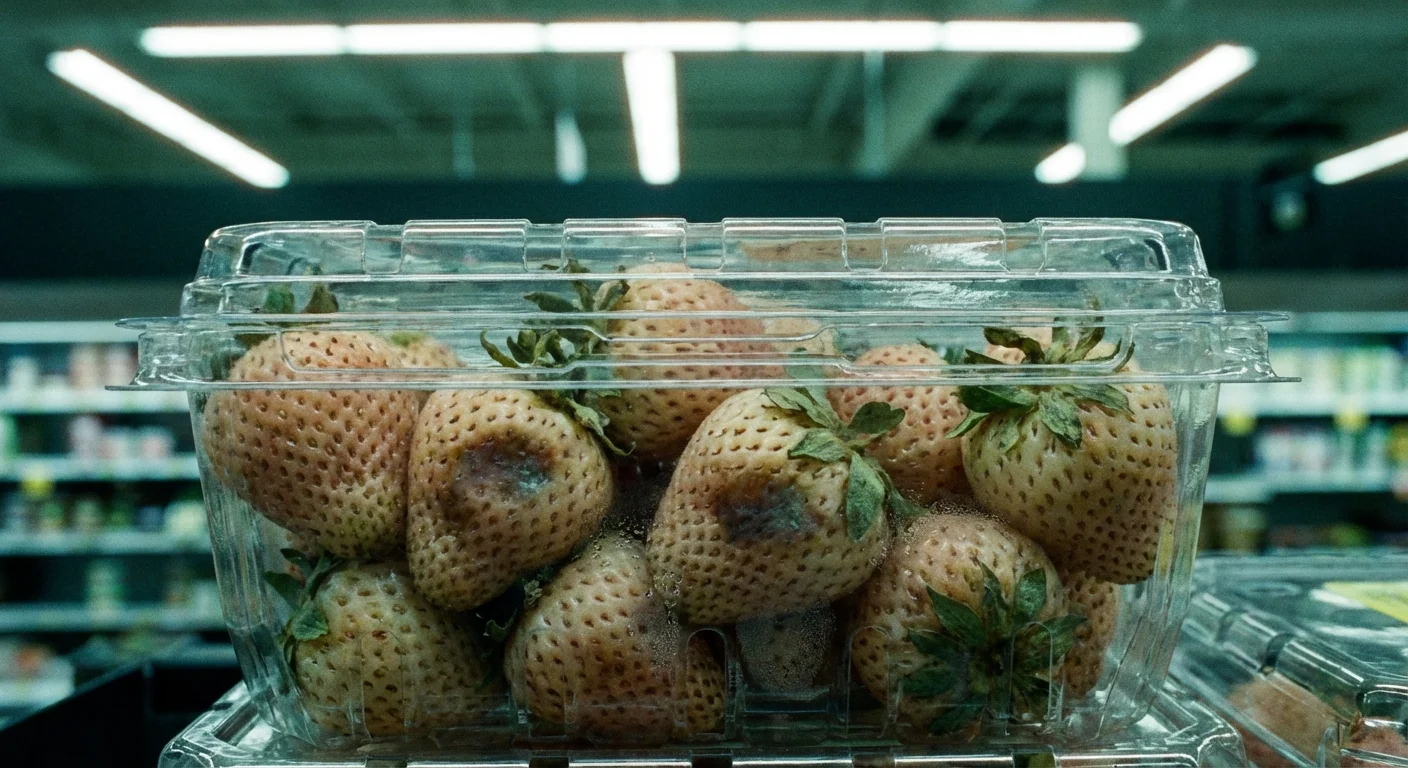
You stand in the produce aisle in the middle of January, reaching for a plastic clamshell of strawberries. They look pale, almost ghostly, yet the price tag reads $7.99 for a single pound. Three months later, those same berries appear vibrant red, smell like actual fruit, and cost a mere $2.00. This massive price swing isn’t a mistake—it is the direct result of agricultural cycles and global logistics. When you fight against the seasons, you pay a premium for transportation, refrigeration, and scarcity. When you embrace a seasonal produce calendar, you align your wallet with the natural abundance of the earth.
According to the Bureau of Labor Statistics, food at home prices have seen significant fluctuations over the last few years, making intentional shopping more critical than ever. Mastering the art of buying fruit in season and identifying cheap vegetables allows you to eat like royalty on a pauper’s budget. This guide breaks down the calendar year to show you exactly when to buy, when to skip, and how to maximize every cent you spend at the grocery store.
The Economics of the Grocery Aisle
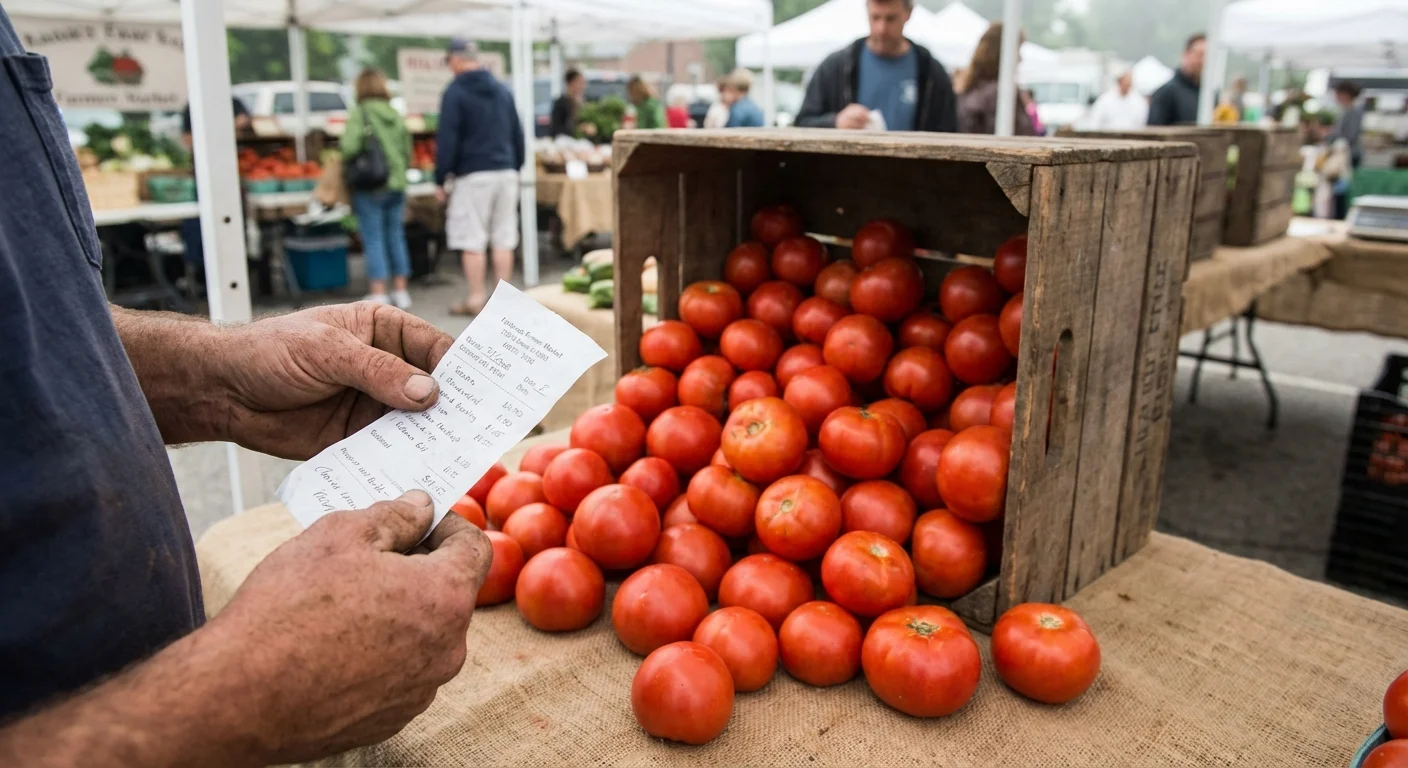
To understand why seasonal shopping works, you must look at the hidden costs of your food. When a vegetable is out of season locally, it often travels thousands of miles to reach your plate. You aren’t just paying for the tomato; you are paying for the diesel fuel in the truck, the refrigerated warehouse storage, and the middleman who managed the long-distance logistics. During peak season, the supply is so high that farmers must move their inventory quickly—dropping prices to ensure nothing rots in the field.
“It’s not your salary that makes you rich, it’s your spending habits.” — Charles A. Jaffe
By shifting your menu to match what is currently being harvested, you tap into a natural discount. This strategy requires a shift in mindset. Instead of deciding what you want to eat and then going to the store, you look at what is on sale and then decide your meals. This proactive approach is the foundation of intentional spending.
Winter: The Resilience of Roots and Citrus (January – March)
Winter often feels like a barren time for produce, but it is actually the peak season for some of the most nutrient-dense foods available. While the ground may be frozen in the North, the Southern states and Mexico are pumping out high volumes of citrus and hardy greens.
January: The Citrus Peak
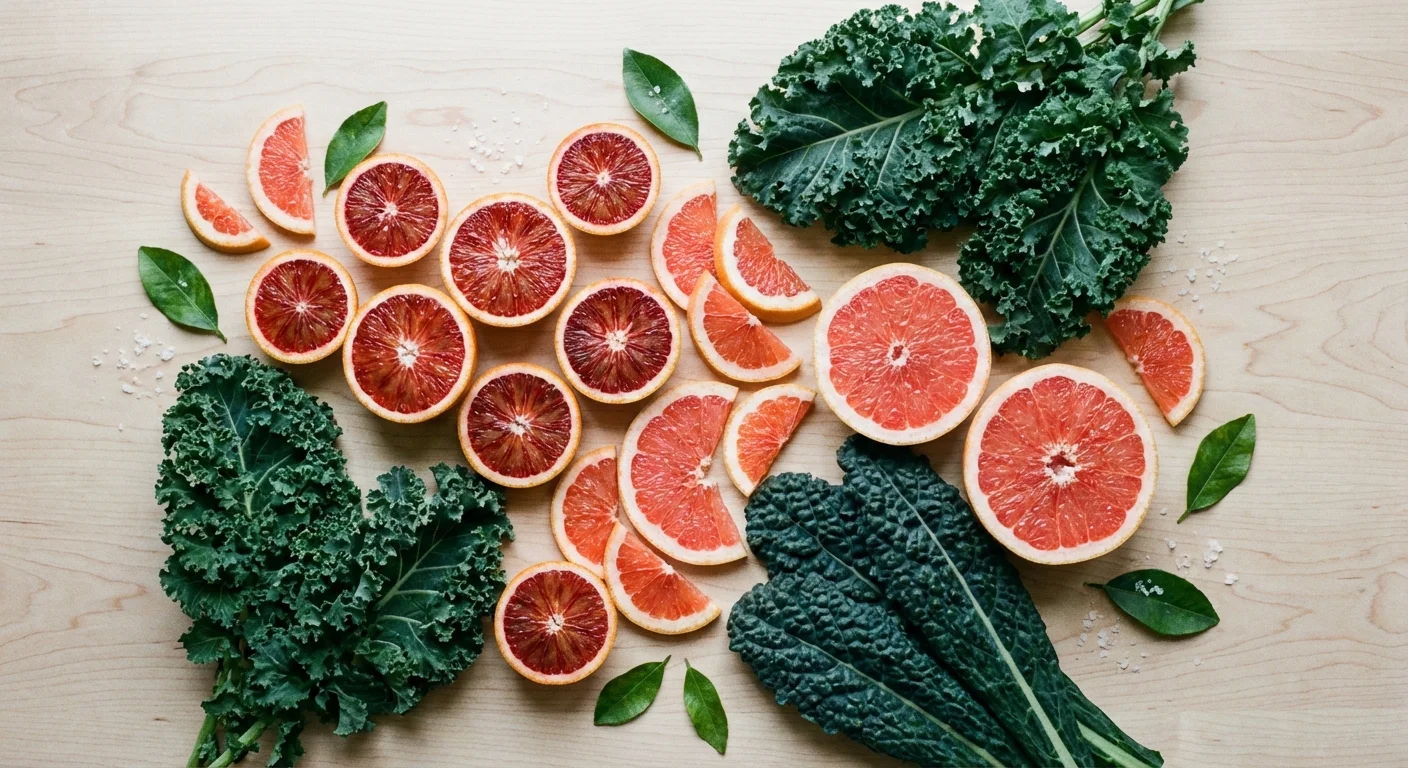
January is the absolute best time for buying fruit in season, specifically anything in the citrus family. Navel oranges, grapefruit, lemons, and even exotic varieties like Meyer lemons and blood oranges hit their lowest prices. USDA Food & Nutrition reports indicate that citrus fruits are at their peak nutritional value during these months, meaning you get more Vitamin C for your dollar.
- Best Buys: Grapefruit, oranges, tangerines, kale, and Brussels sprouts.
- Savings Hack: Buy citrus in bulk bags rather than individually. Use the zest for baking or freezing before you juice the fruit to get double the value.
February: Hardy Vegetables and Sweet Potatoes
As winter lingers, look toward root vegetables and cruciferous greens. Cabbage is one of the ultimate cheap vegetables this month. It is incredibly versatile—used in slaws, soups, or roasted—and usually costs less than $1.00 per pound. You will also find sweet potatoes at a discount as suppliers clear out stock from the fall harvest.
- Best Buys: Cabbage, cauliflower, broccoli, and sweet potatoes.
- Selection Tip: Choose heavy cauliflower heads with tight curds. If it feels light for its size, it is likely losing moisture and won’t last long in your crisper drawer.
March: The Transition to Green
March bridges the gap between the heavy tubers of winter and the delicate greens of spring. You will start seeing the first signs of artichokes and asparagus appearing from warmer climates. This is also a fantastic month to buy pineapples, which often go on “loss leader” sales to entice shoppers into the store.
- Best Buys: Pineapple, artichokes, spinach, and leeks.
- Selection Tip: Smelling the bottom of a pineapple is the quickest way to check for ripeness. If it smells sweet, it’s ready; if it smells like nothing, it was picked too early.
Spring: The Freshness Explosion (April – June)
Spring brings a dramatic shift in the produce landscape. The “heavy” feeling of winter stews gives way to crisp salads and vibrant stalks. For the budget-conscious shopper, this is the time to stock up on greens that usually carry a high price tag in the off-season.
April: The Asparagus Window
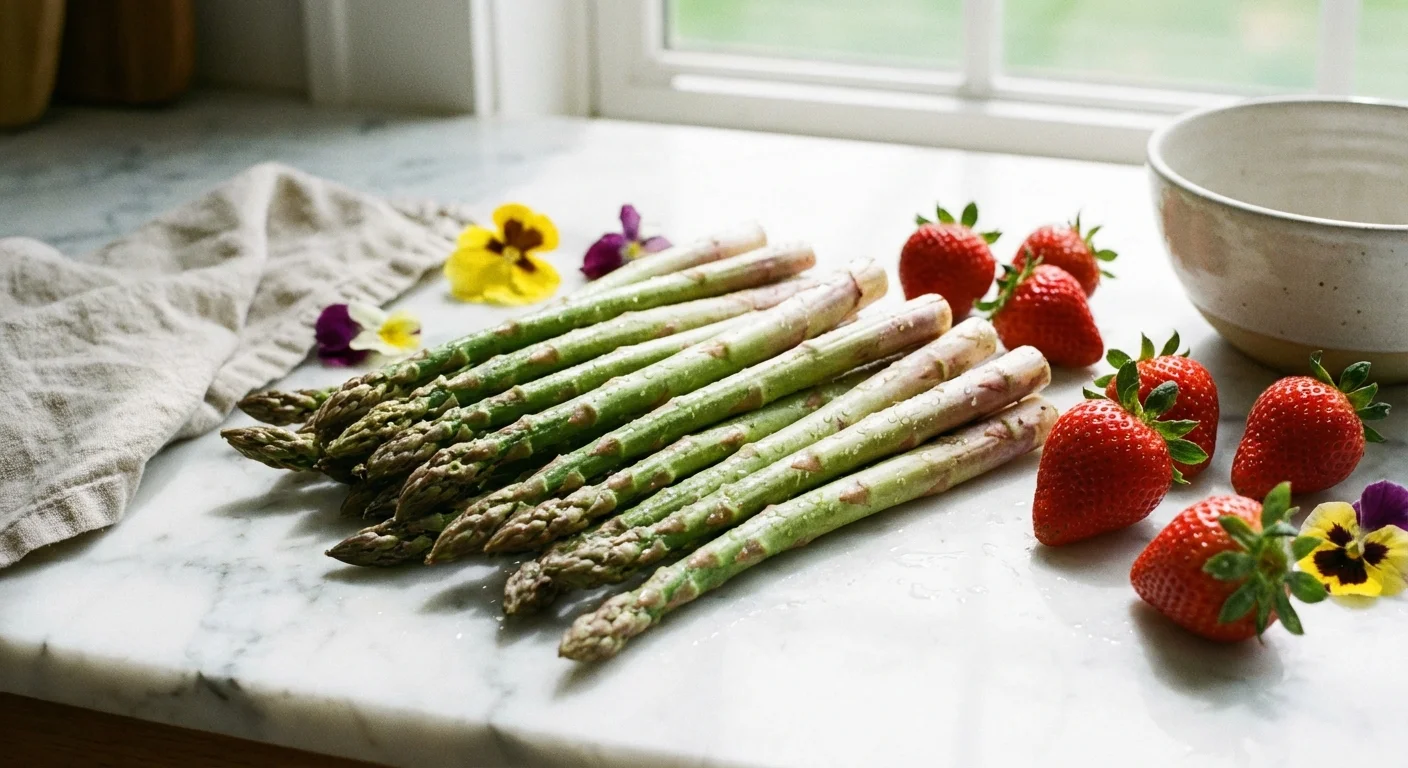
If you enjoy asparagus, April is your month. During the winter, asparagus can cost as much as $5.00 a bunch. In April, prices often plummet to $1.50 or $2.00 as local harvests begin. This is also a prime time for rhubarb and spring peas.
- Best Buys: Asparagus, rhubarb, spring peas, and radishes.
- Savings Hack: Store asparagus upright in a glass of water in your fridge, like a bouquet of flowers. It will stay crisp for up to a week, preventing expensive food waste.
May: The Arrival of Berries
May marks the beginning of the berry season, starting with strawberries. You will notice the price per pint drop significantly as the month progresses. Apricots also make a brief but affordable appearance. This is the time to transition your breakfast routine to include fresh fruit rather than expensive processed cereals.
- Best Buys: Strawberries, apricots, zucchini, and Vidalia onions.
- Selection Tip: Check the bottom of strawberry containers for any signs of juice or mold. One bad berry can ruin the whole batch in 24 hours.
June: Stone Fruits and Melons
By June, the heat begins to bring out the sweetness in stone fruits. Cherries, peaches, and nectarines start hitting the shelves. While they might still be slightly expensive early in the month, look for “seconds” or bulk boxes at farmers’ markets for significant savings.
- Best Buys: Cherries, blueberries, peaches, and cantaloupe.
- Savings Hack: Blueberries freeze exceptionally well. If you find a massive sale in June, buy extra, wash them, and freeze them on a flat tray before bagging them for winter smoothies.

Summer: The Season of Abundance (July – September)
Summer is the peak of seasonal shopping. This is the only time of year when you might actually find produce for “pennies on the dollar.” The sheer volume of growth in July and August forces retailers to slash prices to move inventory.
July: The Corn and Tomato Bonanza
July is the month of the “10 for $2.00” corn sales. Corn on the cob is a staple for summer savings. Tomatoes also reach their peak flavor and lowest price points. You should avoid buying tomatoes in the winter entirely—they are tasteless and expensive—and do your heavy tomato eating now.
- Best Buys: Corn, tomatoes, cucumbers, and watermelon.
- Storage Tip: Never refrigerate tomatoes; the cold air destroys their texture and flavor. Keep them on the counter at room temperature to make your investment last.
August: Peak Stone Fruit and Peppers
August is the golden month for peaches, plums, and nectarines. It is also when bell peppers, which can be $2.00 each in the winter, drop to $0.50 or less. If you have the space, this is the time to “put up” food for the winter by canning or freezing.
- Best Buys: Bell peppers, eggplant, peaches, and plums.
- Selection Tip: A ripe peach should give slightly to gentle pressure near the stem. If it’s rock hard, it needs a few days on the counter.
September: The Apple and Grape Harvest
As kids go back to school, apples and grapes become the stars of the produce aisle. You will see massive displays of Gala, Fuji, and Honeycrisp apples. Grapes also reach their lowest price point of the year, making them an affordable snack for lunches.
- Best Buys: Apples, grapes, pears, and tomatoes.
- Savings Hack: Apples are one of the few fruits that can stay fresh for months if kept in a cool, dark, and humid environment (like a basement or a dedicated crisper drawer).
Fall: The Harvest Bounty (October – December)
Fall shopping is all about storage crops. These are items that are harvested once but can last for months if handled correctly. Focus your budget on hearty vegetables that provide high caloric value for low cost.
October: Pumpkins and Squash
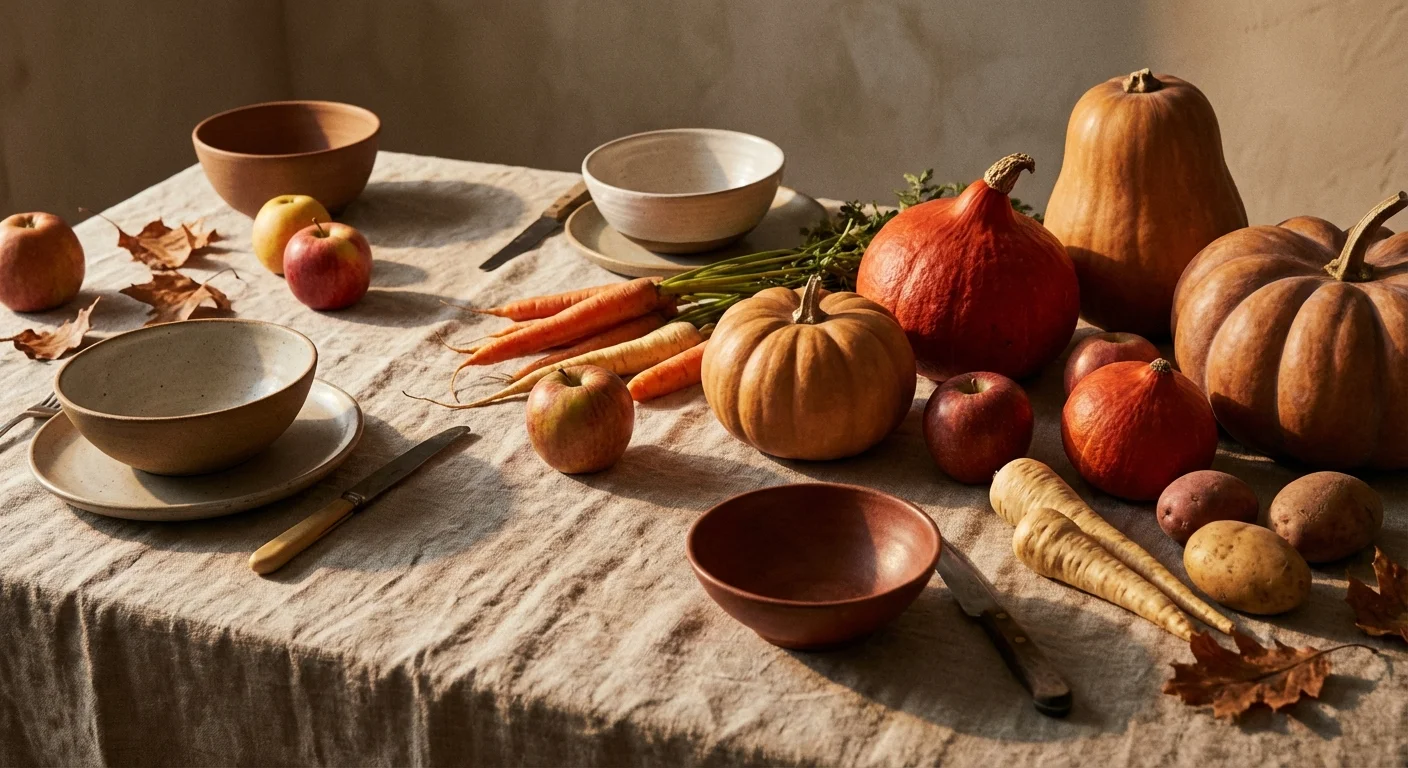
October is more than just Jack-o’-lanterns. Winter squashes like Butternut, Acorn, and Spaghetti squash are at their cheapest. These are incredible “filler” foods—they are filling, nutritious, and can act as a base for dozens of different meals.
- Best Buys: Pumpkins, winter squash, sweet potatoes, and cranberries.
- Selection Tip: Pick squashes that feel heavy for their size and have a matte (not shiny) skin. A shiny skin on a winter squash often indicates it was picked too early.
November: The Thanksgiving Staples
In November, grocery stores compete fiercely for your Thanksgiving business. They often use produce like potatoes, celery, and cranberries as “loss leaders.” You can often find 10-pound bags of potatoes for prices that seem like a typo. This is the time to stock your pantry.
- Best Buys: Potatoes, celery, cranberries, and pears.
- Savings Hack: Whole cranberries freeze perfectly in their original bags. Buy four or five bags in November to use for sauces or baking throughout the following spring.
December: The Pomegranate and Root Peak
December brings back the citrus (clementines and “Cuties” are everywhere) and introduces pomegranates. While the weather is cold, root vegetables like parsnips and turnips are at their sweetest because a light frost actually converts their starches into sugars.
- Best Buys: Pomegranates, clementines, parsnips, and turnips.
- Selection Tip: Choose pomegranates that are flat on the sides rather than perfectly round; this indicates the juice sacs inside are full and pressing against the skin.
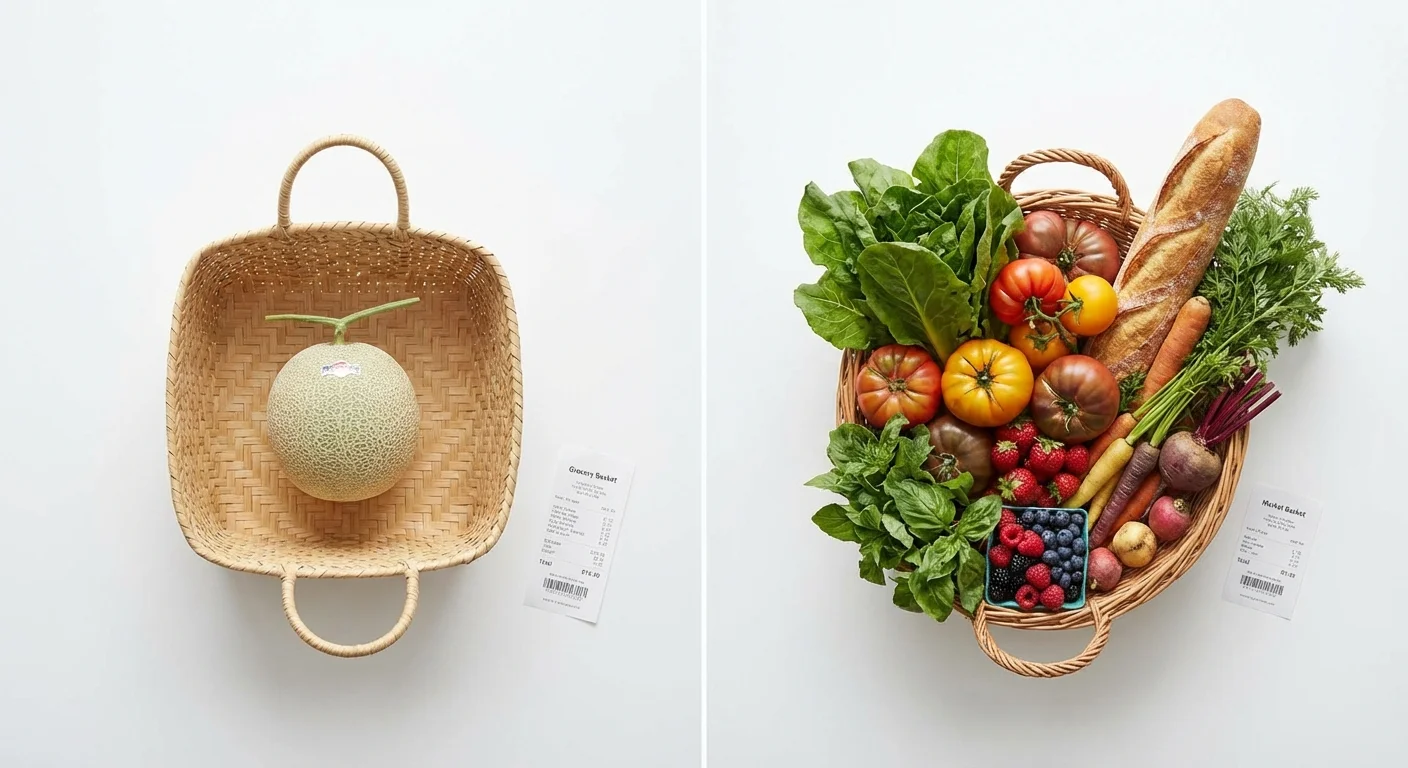
Seasonal Price Comparison Table
To visualize how much you can save, consider the average price fluctuations for these common items. The following table shows the “Peak Season” price versus the “Off-Season” price based on typical grocery trends in the United States.
| Produce Item | Peak Season Month | Average Peak Price | Average Off-Season Price | Potential Savings |
|---|---|---|---|---|
| Strawberries (1 lb) | May/June | $2.00 | $5.50 | 64% |
| Asparagus (1 lb) | April | $1.99 | $4.99 | 60% | Sweet Corn (per ear) | July/August | $0.25 | $0.80 | 69% |
| Bell Peppers (ea) | August | $0.60 | $1.80 | 67% |
| Oranges (4 lb bag) | January | $4.50 | $8.00 | 44% |
Savings Killers: Where Your Grocery Budget Goes to Die
Even if you follow a seasonal produce calendar perfectly, you can still overspend if you fall into common retail traps. The grocery store is designed to maximize their profit, not your savings. Watch out for these “savings killers” that can silently drain your bank account.
1. The “Convenience” Tax: Pre-cut fruit, bagged salads, and spiralized vegetables are massive money losers. You are often paying a 300% to 500% markup for five minutes of knife work. For example, a whole pineapple might cost $2.50, while a small container of pre-cut chunks costs $6.00 and contains only half the fruit. Invest in a sharp chef’s knife and do the work yourself.
2. The Bottom-of-the-Bin Trap: Grocers often place the newest, freshest produce at the back or bottom of the display and put the older items in front. Always reach for the items that have just been stocked. If you buy produce that is already on its last legs, you will likely throw half of it away, effectively doubling the price you paid per edible ounce.
3. Out-of-Season Cravings: We are conditioned to want what we can’t have. If you crave a peach in December, you will pay $4.00 for a mealy, tasteless piece of fruit. Discipline your palate. If it isn’t in season, look to the frozen aisle. Frozen fruits and vegetables are picked at peak ripeness and frozen immediately, often making them more nutritious and much cheaper than “fresh” out-of-season imports.
4. Misunderstanding “Organic”: While many people prefer organic for health reasons, it isn’t always a financial necessity. Use the “Dirty Dozen” and “Clean Fifteen” lists from groups like the Environmental Working Group to decide when to splurge. If a vegetable has a thick, inedible skin (like an onion, avocado, or pineapple), the benefit of buying organic is much lower than for thin-skinned items like spinach or strawberries.
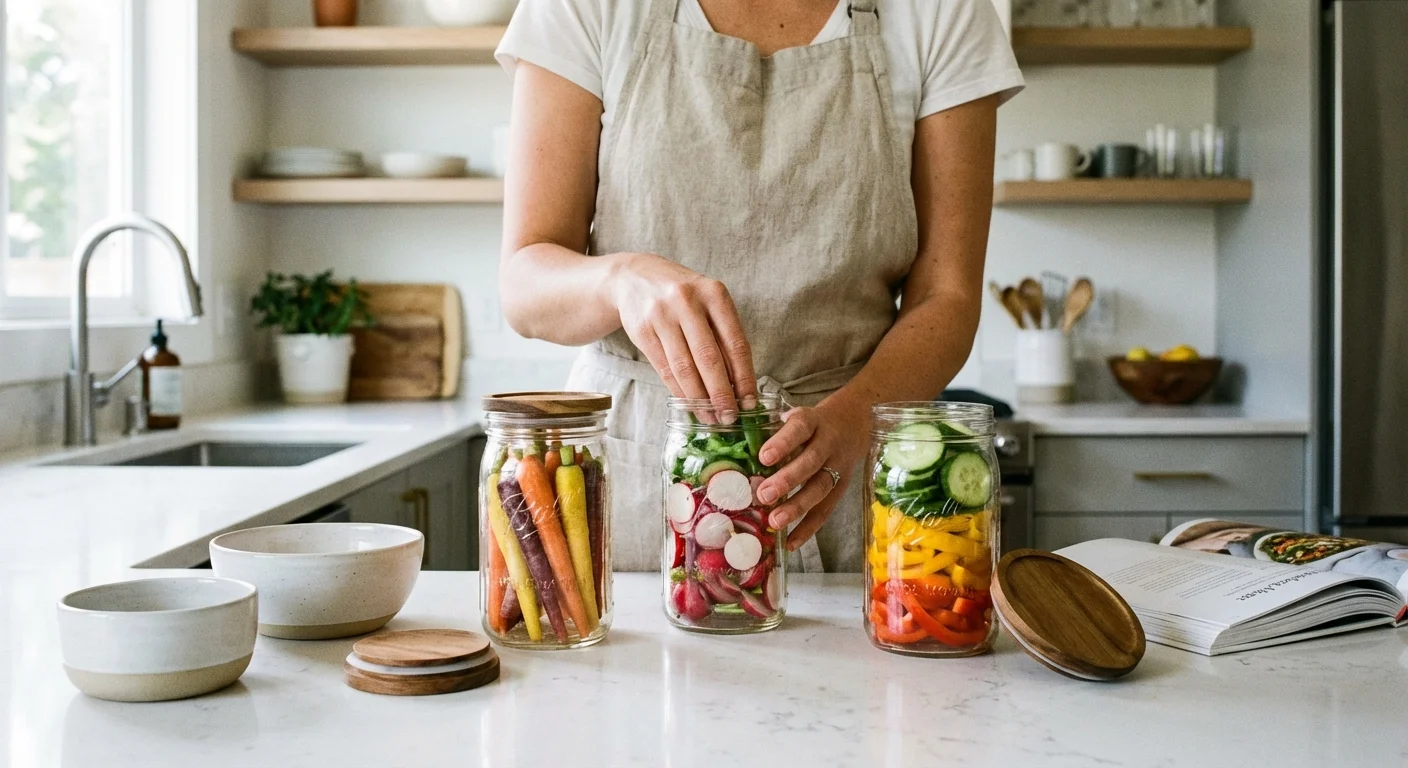
DIY vs. Professional: The Preservation Trade-off
When you find a massive sale on seasonal produce, you face a choice: eat it all now or preserve it. You don’t need a professional kitchen to save money on long-term food storage. However, you should weigh the cost of your time and equipment against the savings.
Scenario: The Berry Glut
In June, you find blueberries for $1.00 a pint. You could buy 10 pints.
- Professional/Store-Bought: You buy frozen organic blueberries in January for $12.00.
- DIY: You spend $10.00 on fresh berries, 20 minutes washing/drying them, and use $0.10 worth of freezer bags. You saved $1.90 and have better-quality fruit.
Scenario: The Tomato Harvest
In August, you find Roma tomatoes for $0.50 a pound.
- Professional/Store-Bought: A high-quality jar of pasta sauce is $8.00.
- DIY: You spend $5.00 on tomatoes, $2.00 on herbs/garlic, and 3 hours simmering and canning. You yield 4 jars of sauce. You saved $25.00, but “spent” 3 hours of your time. If you enjoy the process, it’s a huge win. If you hate cooking, the “savings” might not feel worth it.
“Beware of little expenses; a small leak will sink a great ship.” — Benjamin Franklin
Frequently Asked Questions
Does “in-season” mean it has to be local?
Not necessarily. While local produce is often freshest, “seasonal” in a grocery store context refers to the time of year when the climate in major growing regions (like California, Florida, or Mexico) is ideal for that crop. Even if it travels from 500 miles away, it is still cheaper when it’s in season because the supply is high.
Is frozen produce actually as good as fresh?
Often, it is better. Out-of-season “fresh” produce is picked early so it can survive shipping, meaning it never develops full nutrient density. Frozen produce is flash-frozen at the source when nutrients are at their peak. For smoothies, soups, and stews, frozen is almost always the smarter financial and nutritional choice.
How can I keep my produce fresh longer?
Storage is key to savings. Keep ethylene-producing fruits (like apples and bananas) away from greens, as they will cause the greens to wilt faster. Invest in “green bags” or containers with vents that regulate humidity. Most importantly, don’t wash your produce until right before you eat it; moisture is the primary cause of mold in the fridge.
Where can I find a more localized seasonal produce calendar?
The USDA Food & Nutrition website offers regional guides that can help you pinpoint the exact harvest weeks for your specific state. This is especially helpful if you plan to shop at local farmers’ markets.
Shopping seasonally is one of the easiest ways to take control of your grocery bill without sacrificing the quality of your food. It forces you to be more creative in the kitchen and ensures you are eating the freshest, most flavorful produce available. Start by picking one or two items this month that are at their peak and build your meals around them. Your bank account—and your taste buds—will thank you.
The savings estimates in this article are based on typical costs and may differ in your area. Always compare current prices and consider your household’s specific needs.
Last updated: February 2026. Prices change frequently—verify current costs before purchasing.




Leave a Reply