You walk into the grocery store, grab a plastic clamshell of organic spring mix, and watch $6.99 disappear from your budget. Five days later, that same container sits in the back of your refrigerator, reduced to a pile of expensive green slime. This cycle is a quiet drain on your finances; according to the Bureau of Labor Statistics, the cost of fresh vegetables has seen significant volatility, often outpacing general inflation. If your household consumes two containers of greens and a few bundles of herbs each week, you are likely spending over $400 a year on items that you could grow for pennies.
Establishing a “salad garden” is one of the most effective ways to lower your monthly grocery bill without sacrificing nutrition. Unlike a full-scale backyard farm, a salad garden requires minimal space—a sunny windowsill or a small patio will suffice—and focuses on high-turnover crops. By growing lettuce at home, you bypass the industrial supply chain, eliminate waste, and reclaim roughly $30 every month. This guide provides a blueprint to turn a $20 investment in seeds and soil into a perpetual harvest of fresh, crisp greens.
The Math of the Salad Garden: Why Your Wallet Wins
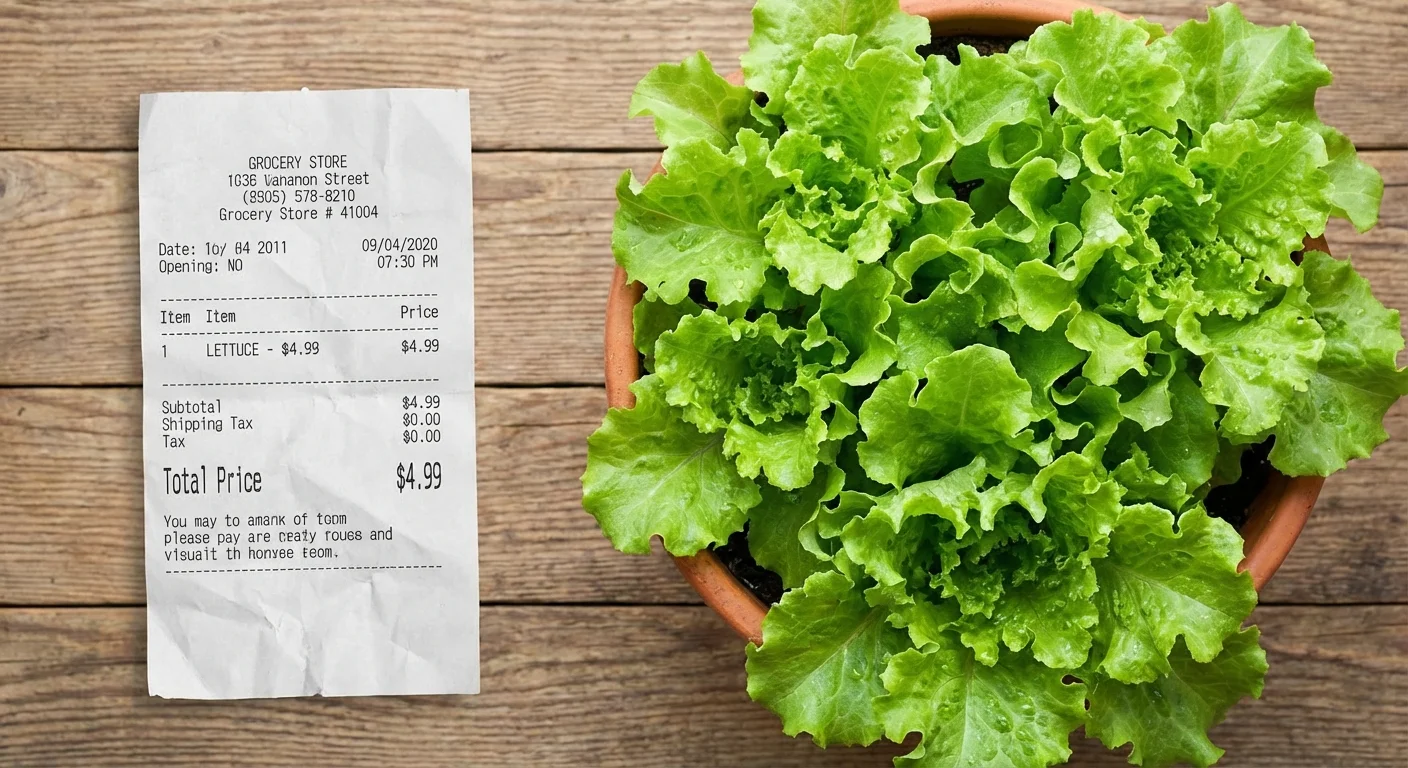
To understand the value of budget gardening, you must look at the price-per-pound of store-bought produce. A standard bag of spinach or arugula usually weighs about five ounces. When you calculate the price per pound, you often find yourself paying between $12 and $18. In contrast, a single packet of high-quality heirloom lettuce seeds costs about $4 and contains roughly 500 to 1,000 seeds. Even with a modest germination rate, that one packet can produce 50 pounds of greens over a growing season.
The financial advantage compounds when you factor in the “cut-and-come-again” harvesting method. Unlike a head of iceberg lettuce, which you harvest once and discard the roots, loose-leaf varieties allow you to shear off the outer leaves while the center continues to grow. This turns a single plant into a month-long source of food. When you stop buying $5 bags of pre-washed greens and start clipping from your own containers, you effectively give yourself a 100% discount on one of the most expensive sections of the grocery store.
| Item | Grocery Store Cost (Monthly) | Homegrown Cost (Seeds/Soil) | Potential Monthly Savings |
|---|---|---|---|
| Mixed Salad Greens (4 bags) | $24.00 | $0.50 | $23.50 |
| Fresh Basil/Cilantro (2 bunches) | $6.00 | $0.25 | $5.75 |
| Radishes/Green Onions | $4.00 | $0.40 | $3.60 |
| Total | $34.00 | $1.15 | $32.85 |
Selecting Your High-Yield Salad Crops
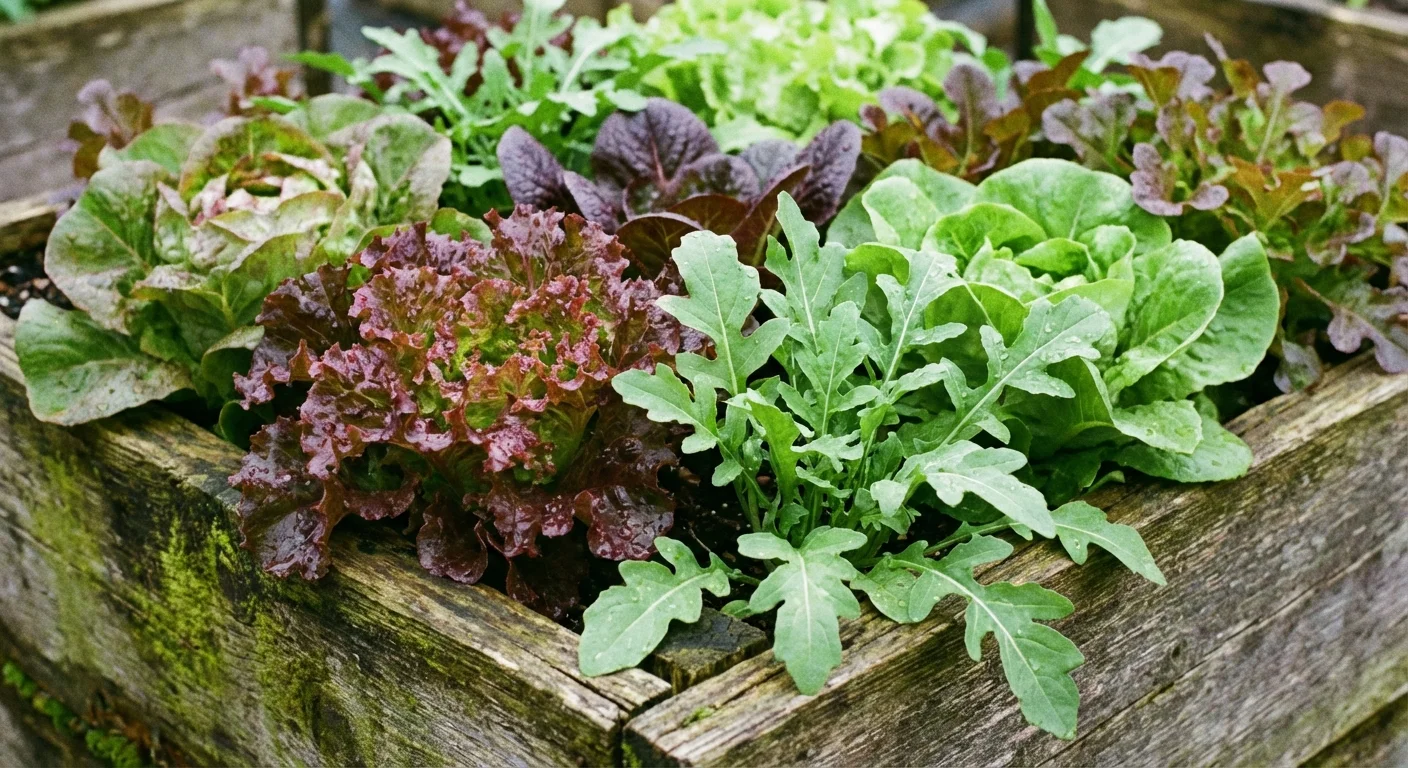
You maximize your vegetable garden savings by choosing crops that grow quickly and tolerate varied conditions. Not every vegetable is worth the effort when you are gardening for profit. For example, a tomato plant takes three months to produce fruit and requires significant space; however, a tray of Black Seeded Simpson lettuce is ready to eat in 28 days. Focus your efforts on these four categories for the best return on investment.
1. Loose-Leaf Lettuces: Varieties like Red Sails, Oakleaf, and Grand Rapids are the workhorses of the salad garden. They grow rapidly and handle the “cut-and-come-again” method perfectly. These seeds are also highly resilient, meaning you won’t lose your investment to a single day of forgotten watering.
2. Spicy Greens and Arugula: If you enjoy the peppery bite of arugula or mustard greens, you are in luck. These plants are essentially weeds in the eyes of nature; they germinate in 48 hours and grow in almost any soil. At the store, arugula is often sold in small, expensive bags—growing it yourself is a major “budget win.”
3. Culinary Herbs: Never pay $3 for a plastic-wrapped sprig of rosemary or mint again. Herbs are the highest-margin items in the produce aisle. Perennial herbs like chives, thyme, and oregano only need to be purchased as a small plant once; they will live for years in a pot, providing free seasoning for every meal you cook.
4. Rapid-Cycle Root Veggies: Radishes are the secret weapon of the budget gardener. You can go from seed to salad-ready radish in just 22 to 25 days. They take up almost no space and can be tucked in between your lettuce plants to maximize every square inch of soil.
“It’s not your salary that makes you rich, it’s your spending habits.” — Charles A. Jaffe
Budget Gardening: Setting Up for Under $20
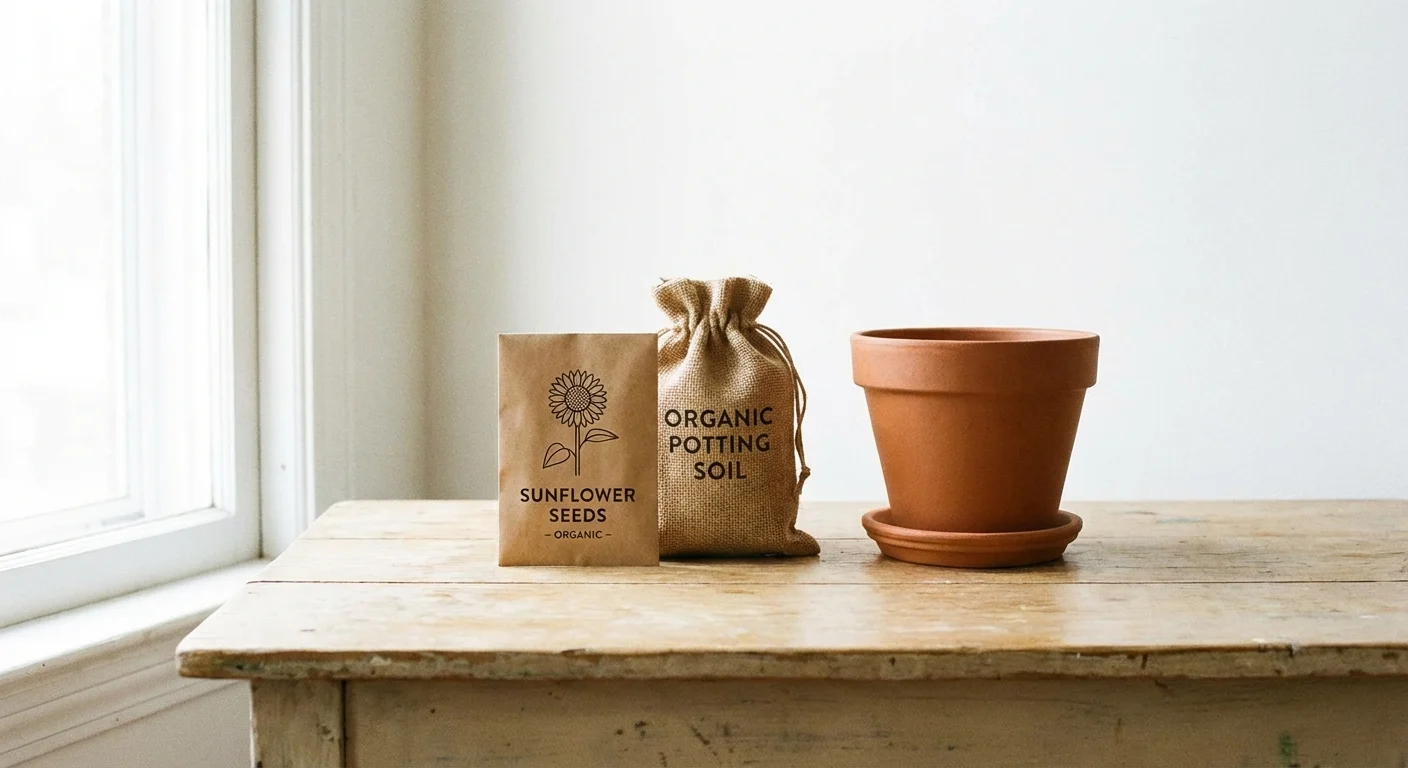
You do not need a raised bed, a rototiller, or fancy designer gardening clogs to save money. In fact, overspending on supplies is the fastest way to ruin your ROI. To keep your startup costs low, look for ways to repurpose items you already own. A salad garden only needs three things: light, drainage, and nutrients.
- The Containers: Avoid the garden center’s decorative ceramic pots. Instead, use 5-gallon buckets from a hardware store (drill holes in the bottom), recycled plastic milk jugs, or even old plastic storage bins. As long as the container is at least 6 inches deep and has drainage holes, your lettuce will thrive.
- The Soil: This is the one place you should not cut corners. Do not use “dirt” from your backyard, as it is likely too heavy and may contain pests. Purchase a single bag of high-quality potting mix. A $10 bag will fill several containers and provide enough nutrients for your first three months of harvests.
- The Light: Lettuce needs about 6 hours of sunlight. If you have a south-facing window, your garden can live indoors year-round. If you have a balcony or porch, place your pots where they get morning sun but are protected from the blistering afternoon heat of mid-summer, which can cause lettuce to turn bitter.
By keeping your initial layout under $20, you ensure that your garden pays for itself within the first three weeks of harvest. Every salad you eat after that point is pure profit.
The “Cut-and-Come-Again” Strategy for Perpetual Harvests
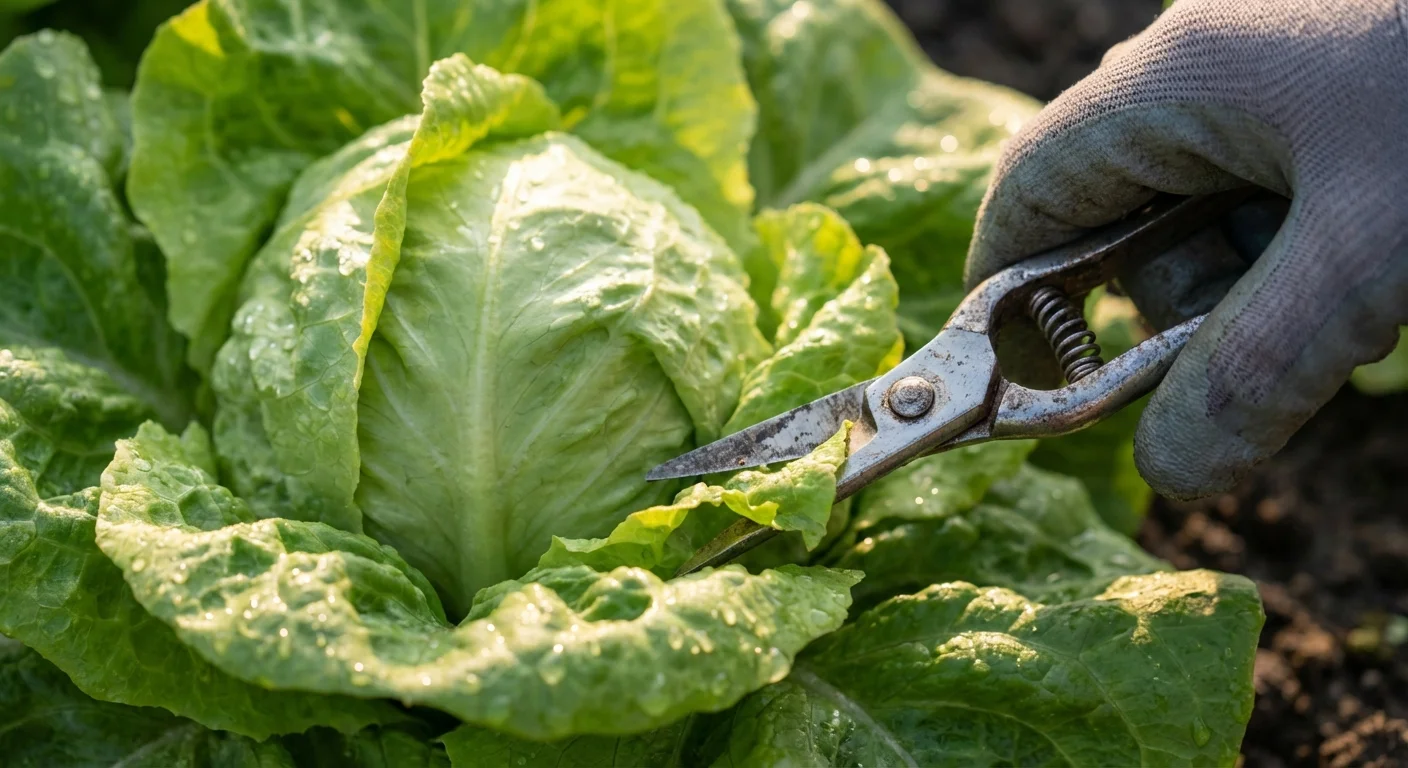
Most beginners make the mistake of waiting for a plant to look like a “grocery store head of lettuce” before they eat it. This is a missed opportunity. To maximize your $30 monthly savings, you must adopt the cut-and-come-again method. This technique allows you to harvest from the same plant multiple times, significantly increasing your yield per square inch.
Once your lettuce reaches about four inches in height, take a pair of clean kitchen scissors and snip the outermost leaves about an inch above the soil line. Be careful not to damage the “crown,” which is the very center of the plant where new leaves emerge. Within a week, the leaves you cut will have started to regrow, and the inner leaves will have expanded. By rotating through three or four small containers, you can have a fresh bowl of greens every single day without ever depleting your stock.
To keep the cycle going, practice “succession planting.” Instead of planting 100 seeds on the same day, plant 20 seeds every two weeks. This prevents a “lettuce glut” where you have more than you can eat, followed by a month of nothing. This consistent flow of produce is what allows you to permanently strike salad greens off your grocery list.
DIY vs. Professional Kits
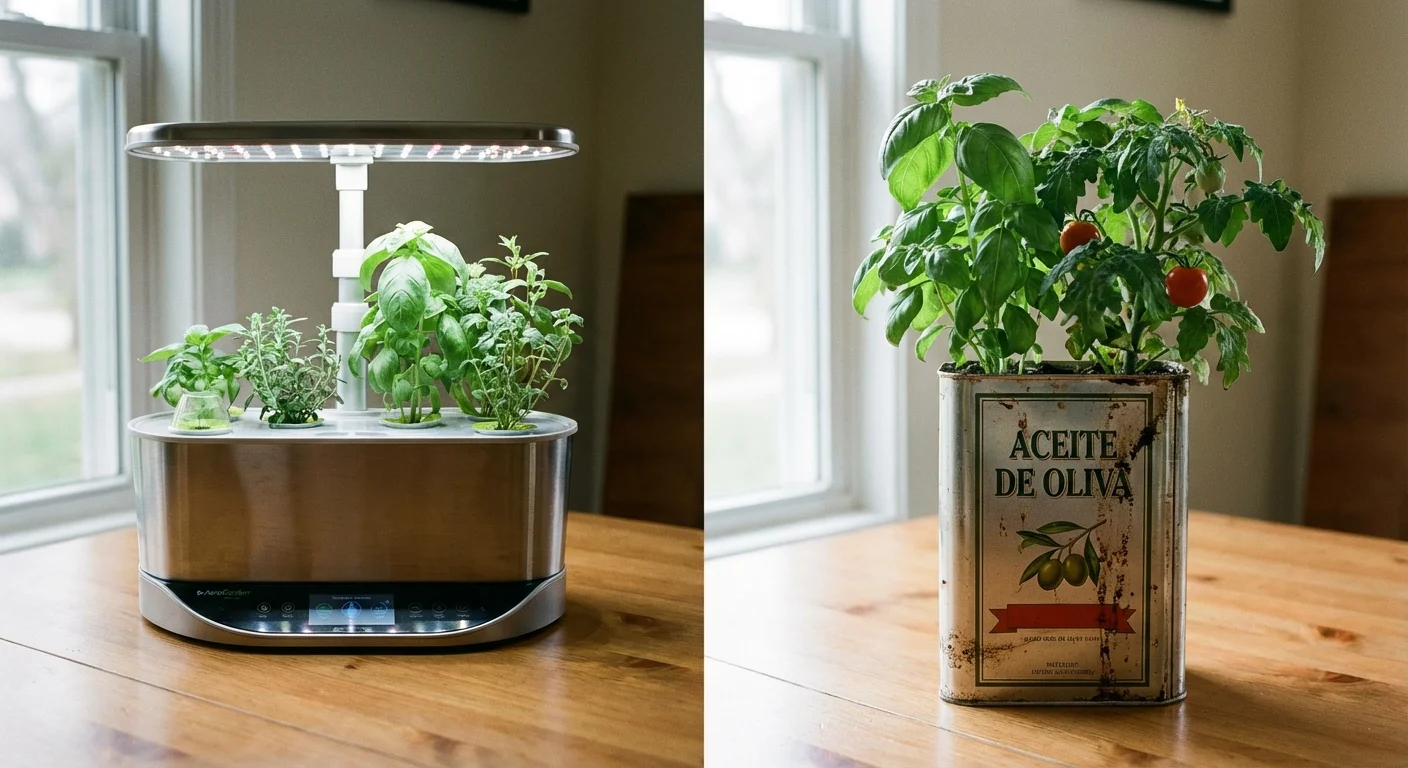
As you research growing lettuce at home, you will encounter high-tech hydroponic systems and “smart gardens” that cost $200 to $600. While these devices are convenient and look great on a kitchen counter, they are rarely the right choice for someone focused on stretching their dollars. Let’s look at how the costs break down between a DIY approach and a professional kit.
Professional kits often require proprietary “seed pods” that cost $2 to $5 each. This locks you into a subscription model, much like an expensive coffee maker. While you may save time, your cost-per-salad remains high. The DIY approach using seeds and soil requires more attention—you have to remember to water—but it offers the lowest possible cost per pound. If your goal is strictly financial, stick to the low-tech method of pots and potting mix.
However, a professional kit might be a “smart” purchase if you live in a basement apartment with zero natural light. In that specific scenario, the cost of the kit is an investment in your health and long-term grocery savings that you couldn’t achieve otherwise. Always weigh the upfront cost against your projected monthly savings to ensure the math still works in your favor.
Savings Killers: Common Mistakes That Drain Your Budget
The goal is to save $30 a month, but you can easily find yourself “spending money to save money.” Avoid these common pitfalls that turn a productive garden into a financial sinkhole.
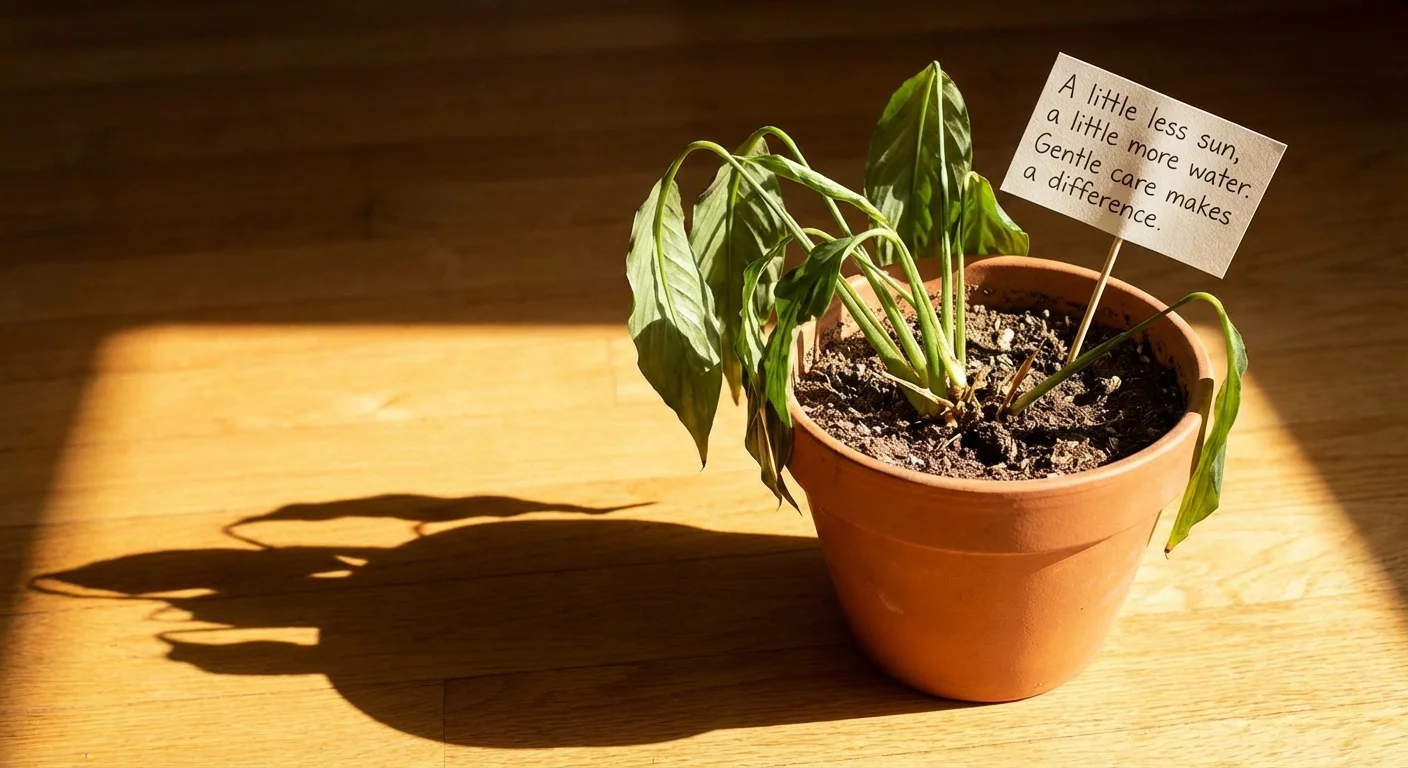
Over-watering: Most people kill their salad plants with kindness. Lettuce roots need oxygen; if the soil is constantly a swamp, the roots will rot. Check the soil with your finger; if it feels damp an inch down, wait another day. Over-watering also leads to fungal issues that can wipe out your entire crop, forcing you back to the grocery store.
Buying “Starts” instead of Seeds: Garden centers sell small plastic 6-packs of lettuce seedlings for $5 or $6. This is a convenience trap. For the price of six individual plants, you could buy a packet of 500 seeds. Unless you are starting very late in the season, always choose seeds to keep your ROI high.
Ignoring Temperature: Lettuce is a cool-weather crop. If the temperature consistently hits 80°F, your lettuce will “bolt”—meaning it sends up a flower stalk and the leaves become incredibly bitter. To avoid this, move your pots into the shade during hot spells or choose heat-resistant varieties like ‘Slobolt’ or ‘Muir’. If your plants bolt, you lose your harvest and your monthly savings.
Maximizing Nutrition and Reducing Waste
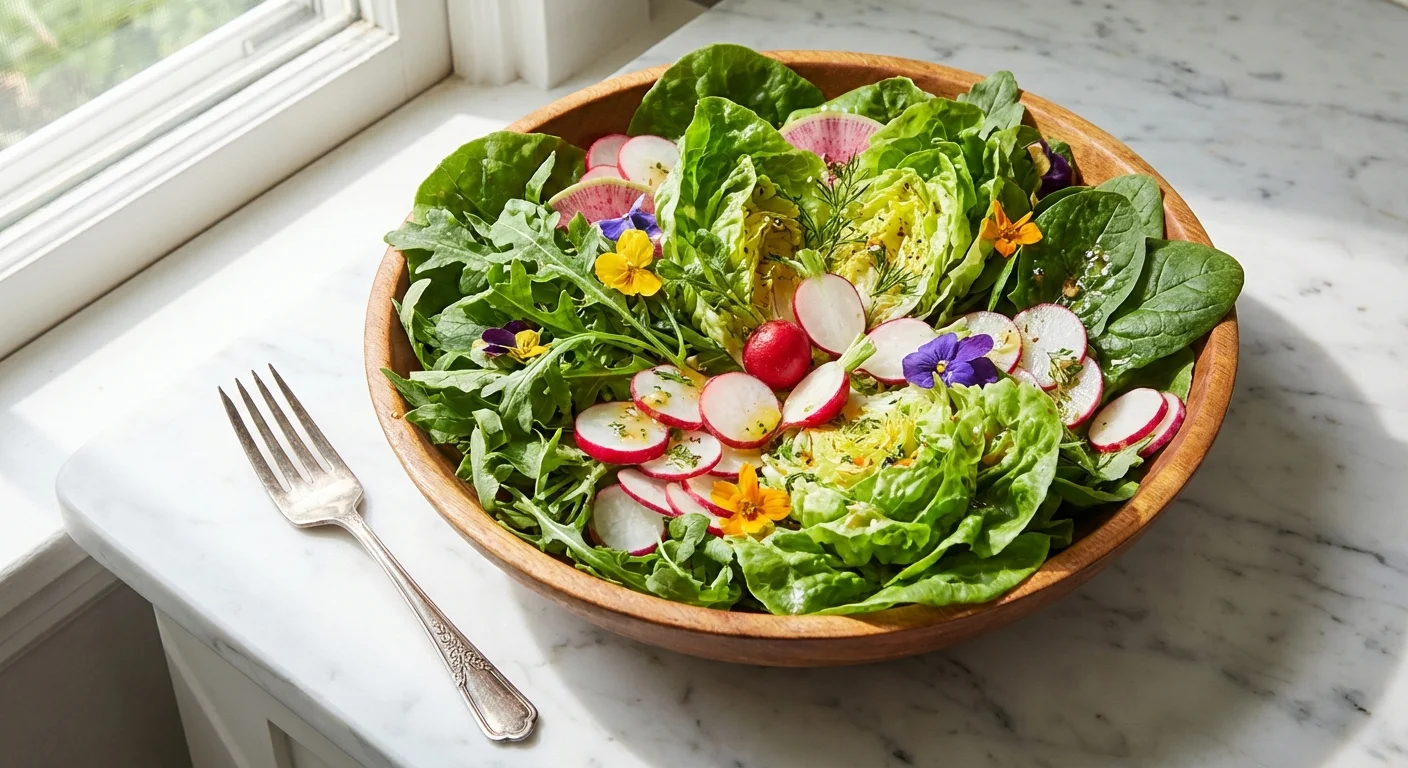
Beyond the direct cash savings, a salad garden improves your financial health by reducing food waste. The USDA estimates that 30-40% of the food supply is wasted, with produce being the most common casualty. When you grow your own, there is no transit time. You harvest only what you need for that specific meal. This eliminates the “slimy lettuce” phenomenon and ensures you are getting the peak nutritional value from your food.
Additionally, because you control the growing process, you don’t need to worry about the frequent E. coli recalls that plague the commercial romaine and spinach industries. Each recall at the grocery store represents a loss of money for the consumer; your home garden provides a secure, reliable food source that is immune to supply chain disruptions.
FAQs for Budding Gardeners
Do I need a grow light to save money?
Not necessarily. If you have a window that gets 6+ hours of direct sun, you can grow greens for free. However, if you want to grow through a dark winter, a basic $20 LED shop light from a hardware store is much more cost-effective than a “boutique” grow light. It will pay for itself in about two months of lettuce harvests.
How do I deal with bugs without buying expensive sprays?
Most salad garden pests, like aphids, can be removed with a sharp blast of water from a spray bottle. You can also mix a few drops of mild dish soap with water for a DIY insecticidal spray. Avoid buying branded organic pesticides, which can cost $15 a bottle and eat into your savings.
Can I grow salad greens in the winter?
Yes. Lettuce is incredibly frost-tolerant. If you have a porch, you can use a “cold frame” (basically a clear plastic box) to keep your greens growing even when there is light snow. Indoors, lettuce will grow year-round as long as the temperature stays above 50°F and there is enough light.
Take the First Step Toward a $0 Produce Bill
The transition from a consumer to a producer starts with a single container. You do not need a green thumb to succeed; you only need a small amount of consistency. Start by purchasing one packet of mixed salad seeds and one bag of potting soil this weekend. Plant half the packet, wait two weeks, and plant the other half. Within a month, you will see the results not just in your salad bowl, but in your bank account.
Every dollar you don’t spend at the grocery store is a dollar that can go toward your emergency fund, debt repayment, or long-term investments. As Benjamin Franklin famously noted, “A penny saved is a penny earned.” By reclaiming the $30 you currently spend on produce, you are taking a simple, intentional step toward a more resilient financial future.
The savings estimates in this article are based on typical costs and may differ in your area. Always compare current prices and consider your household’s specific needs.
Last updated: February 2026. Prices change frequently—verify current costs before purchasing.





Leave a Reply