
You find the perfect car, negotiate the price down, and sign the papers for a manageable $300 monthly payment. It fits your budget perfectly—or so you think. A few months later, you find yourself wondering why your bank account feels lighter than expected. You didn’t buy extra clothes, and you haven’t been eating out more than usual. The culprit is sitting in your driveway.
The sticker price of a car is just the tip of the iceberg. According to recent data from AAA, the average annual cost to own and operate a new vehicle has climbed to over $12,000. That breaks down to roughly $1,000 per month. Even if you drive a modest used sedan, the secondary expenses—fuel, insurance, maintenance, and the silent thief known as depreciation—often double your base loan payment. Understanding the total cost of car ownership is the first step toward reclaiming your monthly budget.
“Beware of little expenses; a small leak will sink a great ship.” — Benjamin Franklin
The Invisible Drain: Depreciation and Opportunity Cost
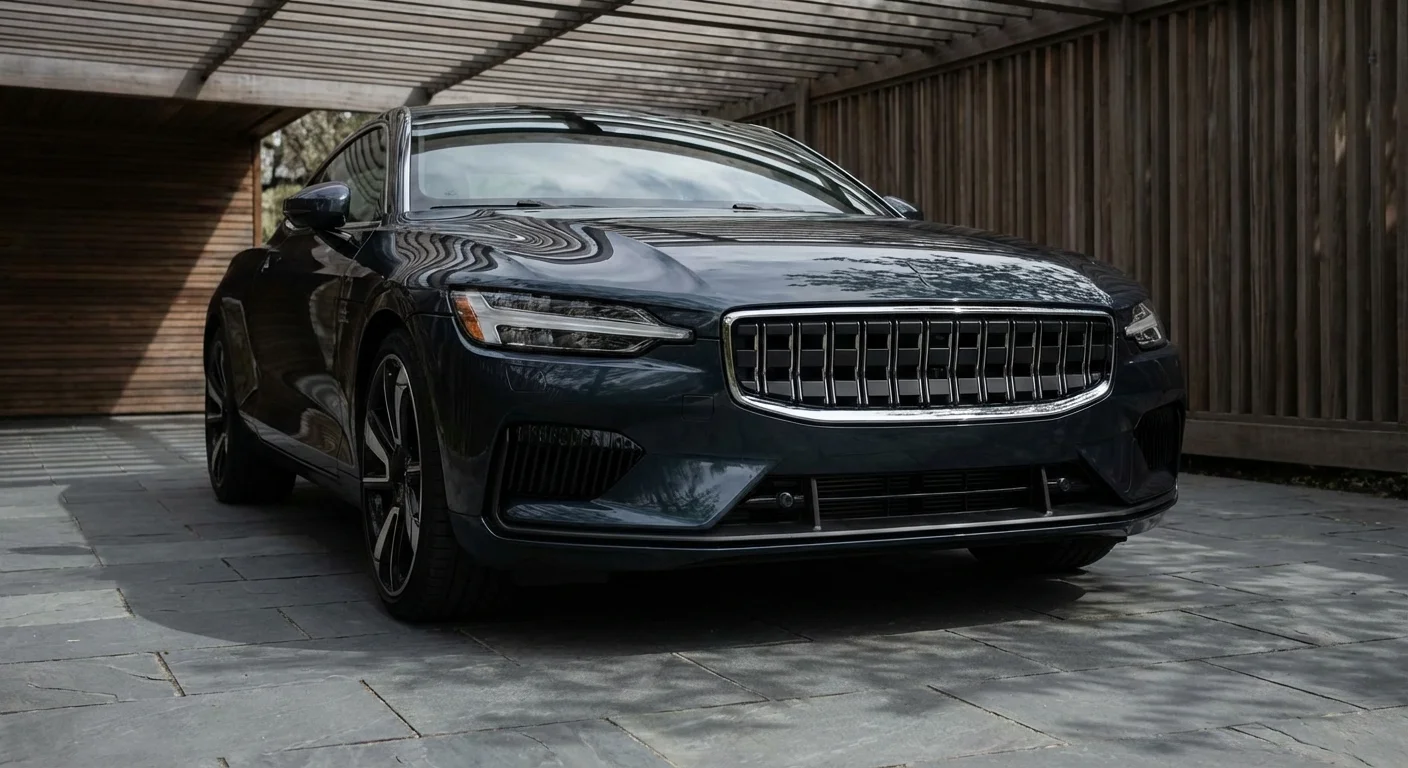
Depreciation is the largest expense of car ownership, yet most drivers ignore it because it doesn’t result in a monthly bill. The moment you drive a new car off the lot, it loses approximately 10% to 20% of its value. By the end of the first year, that car may be worth 30% less than what you paid. If you bought a $30,000 car, you effectively “spent” $6,000 in value that first year without ever visiting a mechanic.
While you don’t pay depreciation out of your checking account every month, you pay it when you sell or trade in the vehicle. This loss represents “lost wealth.” If you hadn’t tied that money up in a depreciating asset, you could have invested it. Financial experts often refer to this as the opportunity cost. When you calculate your true monthly cost, you must account for the hundreds of dollars in value your car sheds every single month.
The Monthly Triple Threat: Fuel, Insurance, and Registration
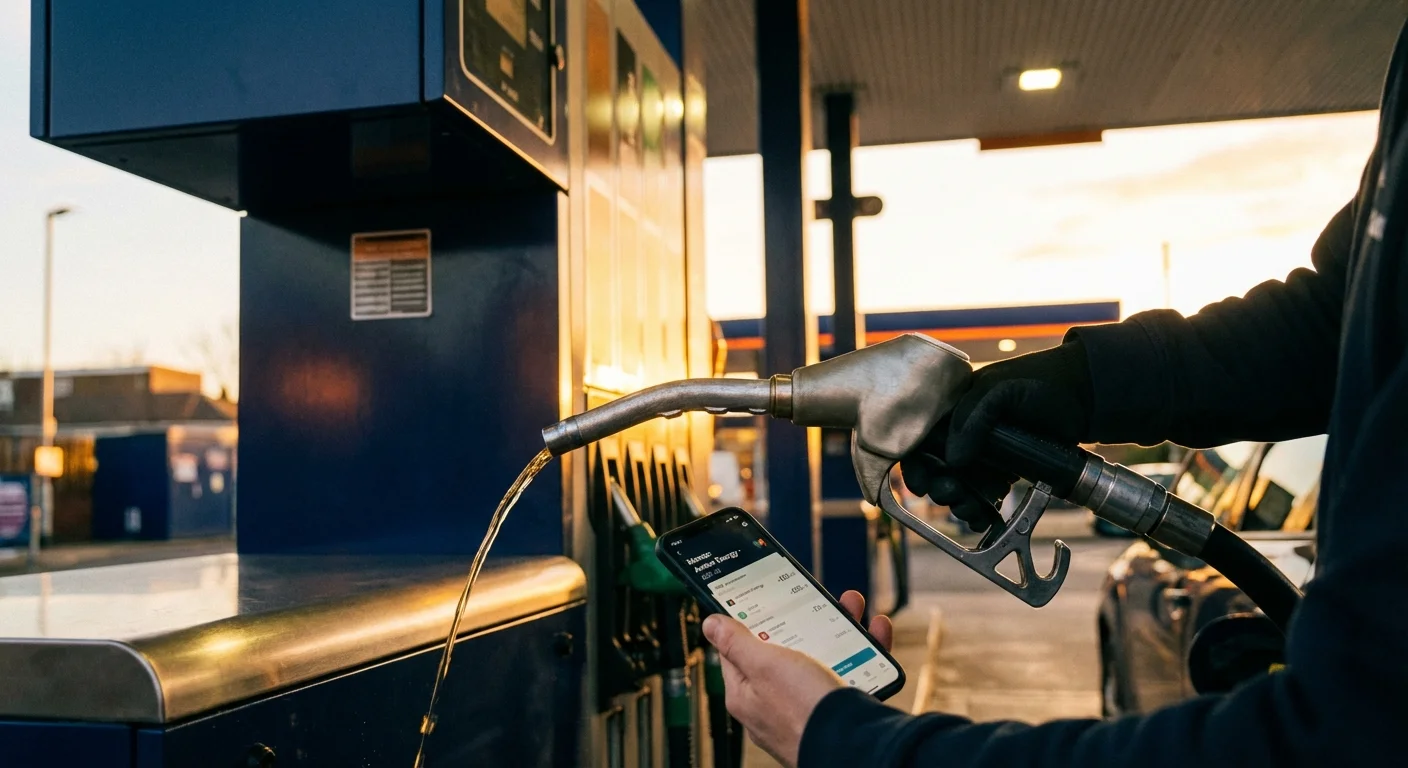
Your $300 loan payment is static, but the costs to keep the car legal and moving are highly volatile. For many Americans, fuel is the second-largest vehicle expense. If you drive 12,000 miles a year in a car that gets 25 miles per gallon, and gas averages $3.50, you are spending $140 a month just on fuel. If gas prices spike or your commute lengthens, that number jumps instantly.
Insurance is another non-negotiable cost that varies wildly based on your zip code, driving record, and the vehicle’s safety features. According to the Bureau of Labor Statistics, transportation costs, including insurance, represent one of the largest segments of household spending. A typical driver might pay $130 to $180 per month for full coverage. When you add in annual registration fees and property taxes—which some states charge based on the vehicle’s value—you are looking at another $20 to $40 per month when averaged over the year.

The Maintenance Trap: Why “Reliable” Isn’t Free
Even the most reliable Japanese sedan requires maintenance to stay that way. Many drivers make the mistake of budgeting $0 for maintenance until something breaks. This reactive approach is a guaranteed way to blow your budget. Tires, for example, typically need replacement every 40,000 to 60,000 miles. A decent set of four tires can easily cost $600 to $1,000. If you keep a car for five years, you will likely buy at least one set of tires, three sets of wiper blades, and 10 oil changes.
Budgeting for a car requires a proactive “sinking fund.” You should set aside a specific amount every month to cover these inevitable repairs. For a standard vehicle, 5 to 7 cents per mile is a safe estimate for maintenance and repairs. If you drive 1,000 miles a month, you should be tucking away $50 to $70 just for future shop visits.

Comparing the Costs: The $300 Payment vs. Reality
To see how a $300 payment morphs into a $600 (or higher) obligation, look at the breakdown for a typical mid-sized sedan driven 1,000 miles per month:
| Expense Category | Monthly Estimate (Low) | Monthly Estimate (High) |
|---|---|---|
| Loan Payment | $300 | $300 |
| Fuel (at $3.50/gal) | $120 | $160 |
| Insurance | $110 | $190 |
| Maintenance & Tires | $50 | $80 |
| Registration & Fees | $15 | $30 |
| Total Monthly Cash Outlay | $595 | $760 |
Note that this table does not even include depreciation. If you factor in the $200+ per month in lost vehicle value, your $300 payment is actually costing you closer to $800 or $900 in total wealth every month.

Savings Killers: How You’re Overpaying
Many drivers accidentally inflate their car costs through poor habits and lack of planning. Identifying these “savings killers” can help you trim the fat from your transportation budget.
- Premium Fuel Obsession: Unless your owner’s manual explicitly states that premium fuel is “required,” you are throwing money away by using 91 or 93 octane. Most modern engines are designed to run perfectly on 87 octane regular gas.
- Deferred Maintenance: Skipping a $75 oil change can lead to a $5,000 engine replacement. Similarly, driving on misaligned tires will wear the tread down twice as fast, forcing you to buy new tires years earlier than necessary.
- Setting the Wrong Deductible: If you have an emergency fund, carrying a $250 or $500 deductible on your insurance is often a mistake. Raising your deductible to $1,000 can significantly lower your monthly premium.
- The “Dealer Only” Myth: While some specialized repairs require dealership tools, most routine maintenance is significantly cheaper at independent shops. Dealership service departments often charge 30% to 50% more for labor than a reputable local mechanic.
DIY vs. Professional Maintenance
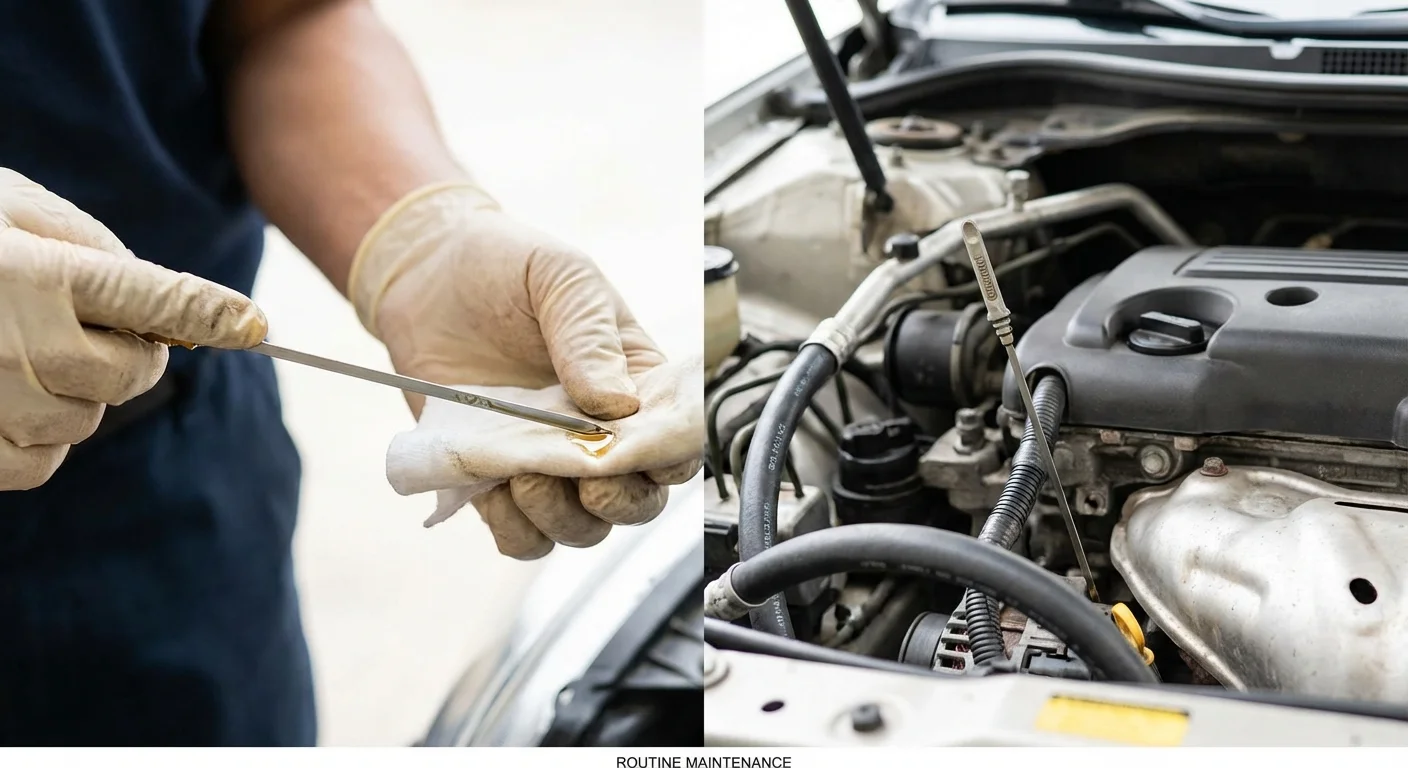
One of the most effective ways to lower your total cost of car ownership is to handle simple tasks yourself. However, knowing when to call a professional is just as important for your safety and your wallet.
Tasks you should consider doing yourself:
- Engine Air Filters: This usually requires no tools and takes five minutes. A shop might charge $50; you can buy the filter for $15.
- Windshield Wipers: Most auto parts stores will even install these for free if you buy the blades there.
- Light Bulbs: Replacing a headlight or taillight bulb is often a simple “twist and pull” operation detailed in your owner’s manual.
- Cabin Air Filters: These are usually located behind the glovebox and can be swapped in minutes.
Tasks you should leave to the professionals:
- Brake Systems: Unless you are an experienced wrencher, the safety risks of a botched brake job far outweigh the $200 in labor savings.
- Timing Belts: This is a complex, engine-critical component. If it breaks during a DIY attempt, your engine is likely destroyed.
- Electrical Diagnostics: Modern cars use complex computer networks. Tracing a short circuit without professional diagnostic tools is a recipe for frustration.

Actionable Strategies to Lower Your Costs
If your car is eating too much of your budget, you don’t necessarily have to sell it. Implement these strategies to lower your monthly burn rate immediately.
First, shop your insurance. Most people “set it and forget it,” but insurance rates change constantly. Use tools from sites like NerdWallet or Clark Howard to compare quotes every 12 months. Simply asking your current provider for a “re-tiering” or checking for new discounts—like those for telematics or bundling—can save you $20 to $50 a month.
Second, optimize your fuel consumption. Use an app like GasBuddy to find the cheapest fuel on your route. Additionally, check your tire pressure monthly. According to Energy.gov, under-inflated tires can lower your gas mileage by about 0.2% for every 1 psi drop in the average pressure of all tires. It seems small, but over a year, it adds up to several free tanks of gas.
Finally, consider your financing. If you have a high-interest loan (anything above 7-8% in a standard market), look into refinancing through a local credit union. If you can drop your interest rate by 3%, you could save thousands over the life of the loan. Check resources at the Consumer Financial Protection Bureau (CFPB) for guidance on how to spot predatory lending and find better terms.
Frequently Asked Questions
How much should I actually spend on a car?
A common rule of thumb is the 20/4/10 rule: Put down 20%, finance for no more than 4 years, and keep your total transportation costs (including fuel and insurance) under 10% of your gross monthly income.
Is it cheaper to lease or buy?
In almost all cases, buying a reliable used car and keeping it for 10 years is the cheapest way to own a vehicle. Leasing is generally the most expensive way to drive because you are paying for the most aggressive years of depreciation without ever gaining equity.
Should I buy a new or used car to save money?
A 2-to-3-year-old “certified pre-owned” vehicle is often the financial sweet spot. You let the first owner take the massive 30% depreciation hit, but you still get a car with modern safety features and potentially some factory warranty remaining.
Does a hybrid really save me money?
It depends on your mileage. Use a calculator to see if the higher purchase price of the hybrid is offset by fuel savings. If you drive 5,000 miles a year, the “payback period” might be 10 years. If you drive 20,000 miles a year, a hybrid could pay for itself in less than three.
The key to mastering your car budget is moving from a “monthly payment” mindset to a “total cost of ownership” mindset. By accounting for the hidden drains on your wallet—and taking active steps to mitigate them—you can ensure your car remains a tool for freedom rather than a financial anchor. Take ten minutes today to add up your actual fuel, insurance, and maintenance costs from the last three months. The total might surprise you, but seeing the numbers clearly is the only way to start driving those costs down.
Prices and availability mentioned reflect research at the time of writing and may vary by location and retailer. Your actual savings will depend on your specific situation and shopping habits.
Last updated: February 2026. Prices change frequently—verify current costs before purchasing.









Leave a Reply