
Most Americans treat car ownership as a non-negotiable fact of life. You wake up, grab your keys, and head to the driveway without a second thought. However, that convenience carries a heavy price tag that often remains hidden until you sit down and look at the hard data. While a gallon of gas might cost you $3.50, the true cost of moving that 4,000-pound machine from point A to point B involves insurance premiums, depreciation, maintenance, and parking fees.
If you feel like your bank account leaks money every time you turn the ignition, you are likely right. According to the Bureau of Labor Statistics, transportation is the second-largest household expenditure for Americans, trailing only housing. For many, the transportation budget devours nearly 16% of their total income. Switching to public transit—buses, subways, or light rails—is often touted as the ultimate money-saver, but is it always the right financial move? Let’s break down the actual numbers to see if you can really trade your steering wheel for a transit pass and come out ahead.

The Hidden Toll: What Car Ownership Really Costs
When you evaluate your commuting costs, do not stop at the gas pump. Gas is only the tip of the iceberg. To understand the cost of driving vs public transit, you must account for the “phantom expenses” that drain your wallet while the car sits in the garage. Data from AAA Gas Prices and their annual ownership surveys suggest that the average cost to own and operate a new vehicle has climbed toward $12,000 annually. This equates to roughly $1,000 per month.
Depreciation: The Silent Budget Killer
Depreciation is the most significant expense of car ownership, yet it is the one most drivers ignore because they don’t pay it “out of pocket” every month. A new car can lose 20% of its value in the first year and roughly 15% each year thereafter. If you buy a $40,000 SUV, you are effectively “spending” $8,000 in the first twelve months just by owning it. Public transit users never have to worry about the resale value of the bus they ride.
Maintenance and Repairs
Even if you drive a reliable brand, the mechanical toll of a daily commute is inevitable. Oil changes, tire rotations, brake pads, and the occasional unexpected sensor failure add up. NerdWallet reports that drivers should budget at least $0.09 per mile for maintenance and tires. If you commute 15,000 miles a year, that’s an extra $1,350 annually just to keep the vehicle safe and functional.
Insurance and Registration
Insurance premiums vary wildly based on your zip code, driving record, and vehicle type. However, the national average for full coverage continues to rise. When you add in annual registration fees and property taxes—costs that exist regardless of how many miles you drive—the daily cost of having a car in the driveway becomes staggering.
“Beware of little expenses; a small leak will sink a great ship.” — Benjamin Franklin
The Direct Cost of Public Transit
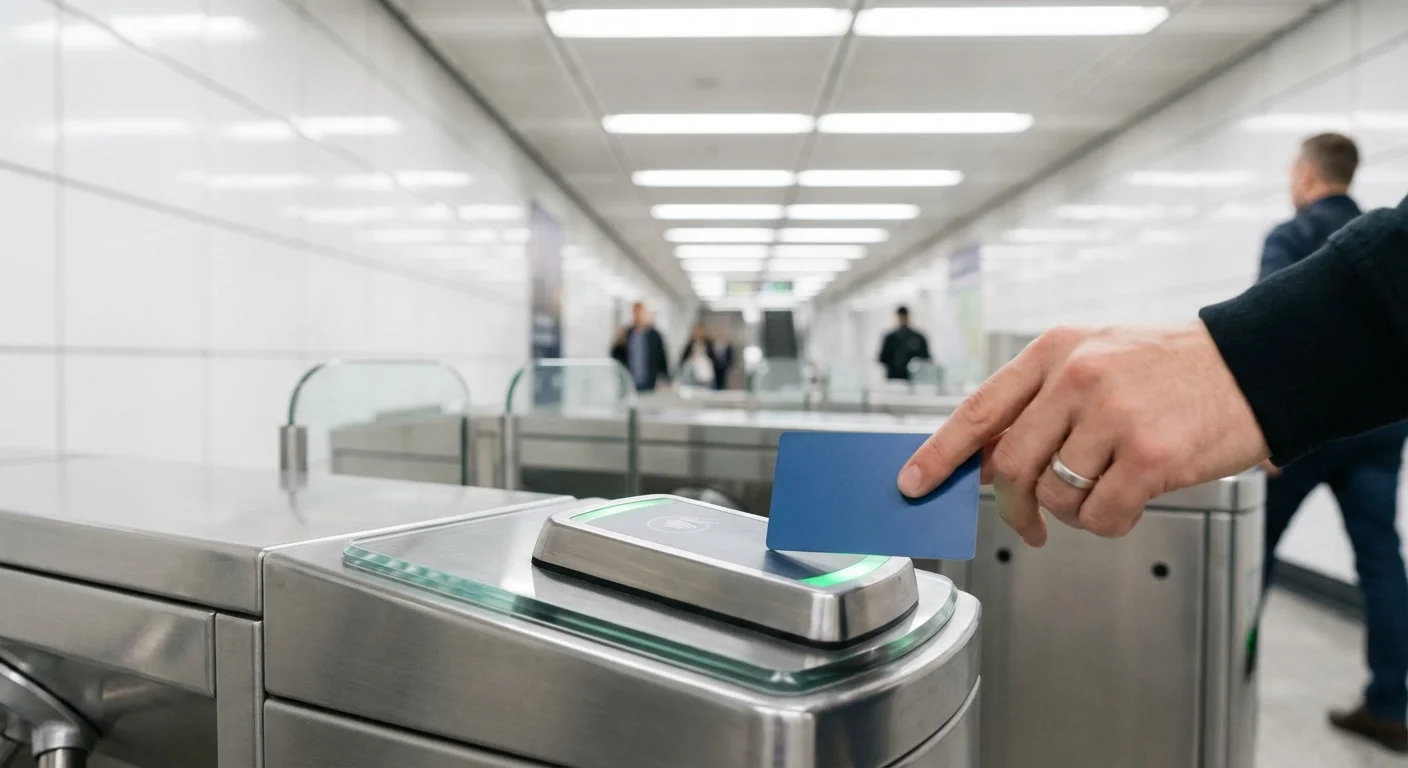
Public transit costs are generally much simpler to calculate. Most metropolitan areas offer monthly passes that provide unlimited rides on buses and trains. In cities like Chicago, a monthly pass for both CTA trains and buses costs around $75. In New York City, a 30-day Unlimited Ride MetroCard is approximately $132. Even in the most expensive transit markets, your annual “fuel and maintenance” for public transit rarely exceeds $1,600.
However, your transportation budget shouldn’t stop at the transit pass. You must consider the “last mile” costs. If the train station is two miles from your house, do you walk, bike, or take a $10 rideshare? If you frequently use Uber or Lyft to supplement your transit use because the bus stops running at midnight, those costs can quickly erode your savings. To make an honest comparison, you must track every dollar spent on mobility for a full month.

Side-by-Side: The Annual Financial Breakdown
The following table compares the estimated annual costs for an average commuter driving a mid-sized sedan versus an urban dweller using a combination of public transit and occasional ridesharing. These figures represent national averages—your actual costs will fluctuate based on your specific vehicle and city.
| Expense Category | Driving (Average Sedan) | Public Transit (Urban System) |
|---|---|---|
| Fixed Monthly Cost (Payment/Pass) | $6,000 (Loan/Depreciation) | $1,200 (Monthly Pass) |
| Fuel / Electricity | $1,800 | $0 |
| Insurance | $2,100 | $0 |
| Maintenance & Tires | $1,400 | $0 |
| Parking & Tolls | $1,200 | $0 |
| Occasional Rideshare/Rental | $0 | $1,500 |
| Annual Total | $12,500 | $2,700 |
The gap is undeniable. Switching to public transit could potentially save you nearly $10,000 a year. That is enough to fully fund an IRA, pay off a significant portion of student loans, or build a robust emergency fund. However, the financial cost is only one part of the equation; you must also value your time.

The Intangibles: Time, Stress, and Productivity
When you ask someone why they drive despite the cost, the answer is almost always “convenience.” Public transit often takes longer—sometimes twice as long—as driving the same distance. If your commute by car is 20 minutes but the bus takes 50 minutes, you are spending an extra hour every day in transit. Over a 250-day work year, that is 250 hours—roughly 10 full days of your life—spent on a bus.
However, you must consider the quality of that time. When you drive, your attention is tethered to the bumper of the car in front of you. You cannot read, answer emails, or learn a new language. You are performing the labor of driving. On a train or bus, you reclaim that time. Many commuters find that they can finish their administrative work or clear their inbox during the ride, allowing them to truly leave work at the office when they get home. Furthermore, avoiding the stress of rush-hour traffic has measurable benefits for your mental health and blood pressure.

When It’s Worth Paying for the Driver’s Seat
While the data usually favors the bus, there are specific scenarios where car ownership vs bus favors the car—or where the car is simply a necessity. Do not feel guilty for owning a vehicle if your life falls into these categories:
- The Rural or Suburban Gap: If your nearest bus stop is a 15-minute drive away, the “transit” option is actually a hybrid model that requires you to own a car anyway. If you cannot fully ditch the car, you won’t save on insurance or depreciation.
- Multiple High-Stakes Stops: If your morning involves dropping two kids at different schools before heading to a job site with heavy tools, public transit becomes a logistical nightmare. The time lost is worth more than the dollars saved.
- Safety and Accessibility: In some cities, late-night transit options are limited or feel unsafe. If your work shift ends at 2:00 AM, the security and reliability of your own vehicle may be worth the premium.
- Bulk Shopping Needs: If you are a family of five shopping at warehouse clubs once a week, hauling ten bags of groceries and a 30-pack of toilet paper on a subway is nearly impossible.

Don’t Fall For These: Common Commuting Myths
Many people justify their driving habits using flawed logic. To make the best financial decision, avoid these common cognitive traps.
The “Car is Already Paid For” Myth
Even if you do not have a monthly car payment, you are still paying for the car. You are paying in the form of accelerated wear and tear, higher insurance premiums for higher mileage, and the eventual cost of replacement. Just because there is no loan doesn’t mean the miles are free.
The “Public Transit is Dirty” Myth
While some systems are better maintained than others, modern light rail and commuter trains are often clean, climate-controlled, and equipped with Wi-Fi. Many transit agencies have invested heavily in cleaning protocols over the last few years. Don’t base your decision on a bad experience you had ten years ago.
The “I’ll Just Use Rideshares” Trap
Some people sell their cars intending to use public transit but end up taking an Uber every time it rains or they are running five minutes late. Ridesharing is the most expensive way to travel. If you take a $20 Uber ten times a month, you’ve spent $2,400 a year—nearly the entire cost of an annual transit pass. Use these services sparingly, or you will find yourself with the costs of a car and the convenience of a bus.

Bridging the Gap: The Hybrid Approach
You do not have to choose between “only driving” and “only riding the bus.” Many of the most successful savers use a hybrid approach to manage their transportation budget. This allows you to reap the benefits of public transit without the rigid limitations of a car-free life.
Consider the “Park and Ride” strategy. Drive your car to a station on the outskirts of the city where parking is free or cheap, then take the train into the high-traffic downtown area. This saves you from paying $20 to $40 a day in city parking fees and reduces the wear and tear on your vehicle. Alternatively, try “Transit Tuesdays.” Commute via bus just one or two days a week. This simple change can reduce your fuel consumption and mileage by 20% to 40%, extending the life of your vehicle and your tires.
“It’s not your salary that makes you rich, it’s your spending habits.” — Charles A. Jaffe

How to Run Your Own Cost-Benefit Analysis
To determine if switching to public transit is the right move for your specific situation, perform a 30-day audit. Use a spreadsheet or a simple notebook to track every cent related to your car. Include gas, any parking fees, and a pro-rated amount for your insurance and registration. Then, look up the cost of a monthly transit pass in your city.
Next, use a mapping tool to compare your commute times. Do this during the actual hours you travel. A 15-mile drive might take 20 minutes at 10:00 PM but 75 minutes at 8:00 AM. If the transit time is comparable or only slightly longer, you have a strong candidate for a switch. If the transit route requires three transfers and triples your commute time, you may be better off looking for other ways to cut your car costs, such as shopping for cheaper insurance through resources like the Consumer Financial Protection Bureau.

Final Action Steps
Start small. Before you sell your car or commit to a yearly pass, buy a week-long transit card. Test the route. See if you enjoy the extra reading time or if the walk to the station feels like a chore. The goal isn’t necessarily to become “anti-car”—it’s to become intentional with your spending. If you can save $8,000 a year by taking the train, that’s not just a lifestyle change; it’s a massive raise you give yourself.
The savings estimates in this article are based on typical costs and may differ in your area. Always compare current prices and consider your household’s specific needs. Whether you choose the independence of the open road or the efficiency of the rail, make sure your choice serves your long-term financial goals, not just your short-term convenience.
Last updated: February 2026. Prices change frequently—verify current costs before purchasing.









Leave a Reply