
Imagine waking up to a cold shower, or worse, a flooded basement. You walk to the utility closet and find your water heater leaking from the bottom—a clear sign that the internal steel tank has finally rusted through. You call a plumber, and the quote is staggering: $1,200 to $2,000 for a full replacement. This scenario plays out in thousands of American homes every year, yet most of these failures are entirely preventable with a single, inexpensive component known as the anode rod.
Most homeowners view the water heater as a “set it and forget it” appliance. You expect it to provide hot water for a decade or more without intervention. However, water is naturally corrosive. Without a defense mechanism, that heavy steel tank would stand no chance against the constant chemical assault of minerals and oxygen. The anode rod is that defense. It is a sacrificial lamb—a piece of metal designed to corrode so your tank does not. By spending roughly $30 and an hour of your time every few years, you can effectively double the lifespan of your water heater and keep hundreds of dollars in your pocket.

Key Savings at a Glance
| Action | Estimated Cost | Potential Savings |
|---|---|---|
| DIY Anode Rod Replacement | $30 – $50 | $1,200+ (New unit + Install) |
| Professional Anode Service | $150 – $300 | $900 – $1,100 |
| Neglecting Maintenance | $0 upfront | -$1,200 to -$2,000 (Premature failure) |
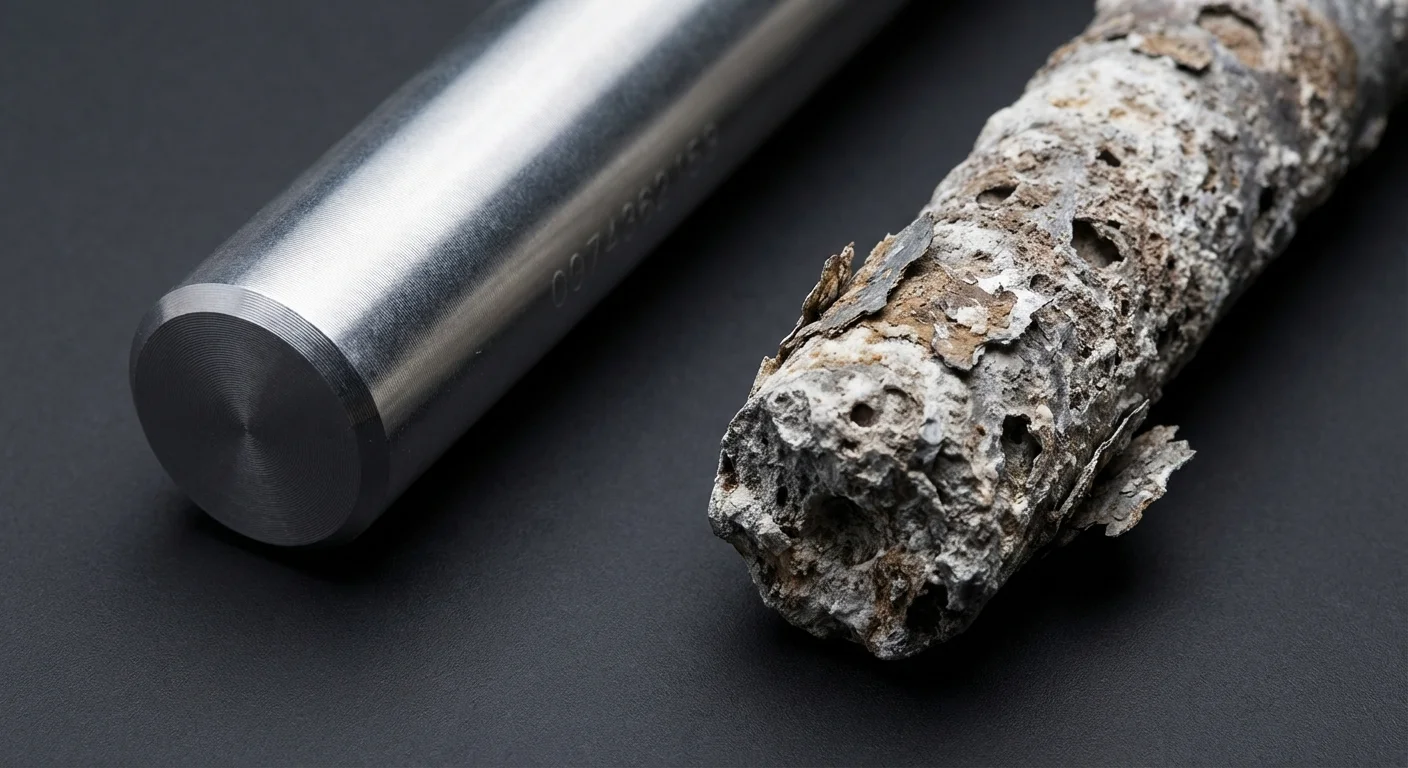
The Science of “Sacrificial” Protection
To understand why you need to replace this part, you must understand how your water heater survives in the first place. Most residential water heaters consist of a steel tank protected by a thin internal coating of porcelain enamel, often called “glass lining.” While this lining is durable, it is never perfect. Microscopic cracks and pinholes exist from the day the tank leaves the factory; others develop as the tank expands and contracts during heating cycles.
When water reaches the exposed steel through these cracks, an electrochemical process called electrolysis begins. In this reaction, the steel tank wants to give up electrons to the water, which leads to rust and eventual structural failure. Enter the anode rod. Made of a more “active” metal—usually magnesium or aluminum—the rod gives up its electrons much more easily than the steel tank does. Because the rod and the tank are electrically bonded, the corrosive process attacks the rod exclusively. As long as there is “meat” left on the anode rod, your steel tank remains chemically protected.
“Beware of little expenses; a small leak will sink a great ship.” — Benjamin Franklin
Franklin’s wisdom applies literally here. A small leak caused by a rusted-out tank is the ultimate “little expense” that grows into a financial disaster. Once the anode rod dissolves completely—leaving only its thin wire core—the water begins eating the tank itself. At that point, the clock is ticking on a total system failure.

Financial Impact: Why Maintenance is Your Best Investment
Data from Consumer Reports suggests that the average water heater lasts between 8 and 12 years. However, with regular anode rod replacement and tank flushing, that same unit can often reach 20 years of service. If you replace your water heater every 10 years at a cost of $1,500 (including labor), your annual cost of ownership is $150. If you extend that lifespan to 20 years by spending $30 on a rod every five years, your annual cost drops significantly.
Consider the math over 20 years:
- No Maintenance: Two water heater replacements = $3,000.
- With Maintenance: One water heater ($1,500) + Three anode rods ($90) = $1,590.
- Total Savings: $1,410.
Beyond the cost of the unit itself, consider the peripheral expenses of a tank failure. A leaking tank can destroy drywall, rot subflooring, and ruin carpeting. If your water heater is located in an attic or a finished upper floor, a sudden tank breach could cause five figures in property damage. Proactive plumbing savings are not just about the appliance; they are about risk mitigation for your entire home.
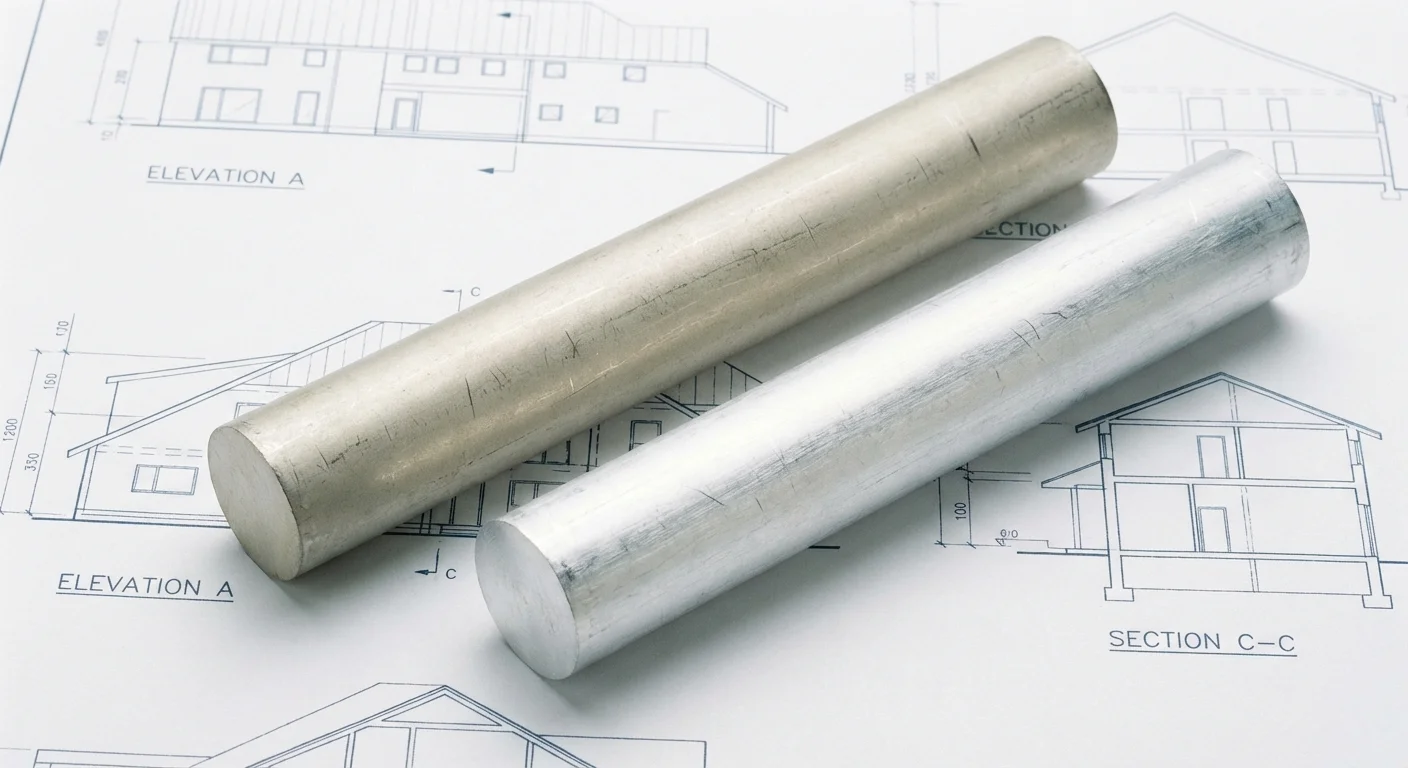
Choosing the Right Anode Rod for Your Water
Not all anode rods are created equal. The chemistry of your local water supply dictates which material will work best for your home. You generally have three choices when browsing the aisles of your local hardware store or shopping online.
Magnesium Anode Rods: These are the standard for most homes. Magnesium provides the highest level of protection because it is the most chemically active. However, if you have very hard water or use a water softener, magnesium rods can react too quickly, sometimes lasting less than two years. They also tend to be slightly more expensive than aluminum options.
Aluminum Anode Rods: These are more affordable and last longer in hard water conditions. However, aluminum is less active than magnesium, offering slightly less protection. Some homeowners also have concerns about aluminum leaching into the hot water supply, though this is generally only an issue if you drink significantly from the hot water tap—which is not recommended regardless of your rod type.
Zinc/Aluminum Combination Rods: If your hot water smells like rotten eggs, you likely have sulfur-reducing bacteria in your tank. These bacteria thrive in the environment created by a standard magnesium rod. A zinc/aluminum rod helps neutralize that odor while still providing corrosion protection. It is a specialized solution for a specific, smelly problem.
Powered Anode Rods: These are the “luxury” option. Instead of dissolving, they use a small amount of electricity to send a protective current through the tank. They never need replacement and effectively eliminate the sulfur smell. While they cost $100 to $150 upfront, they are a permanent solution that pays for itself by eliminating the need for future rod purchases.
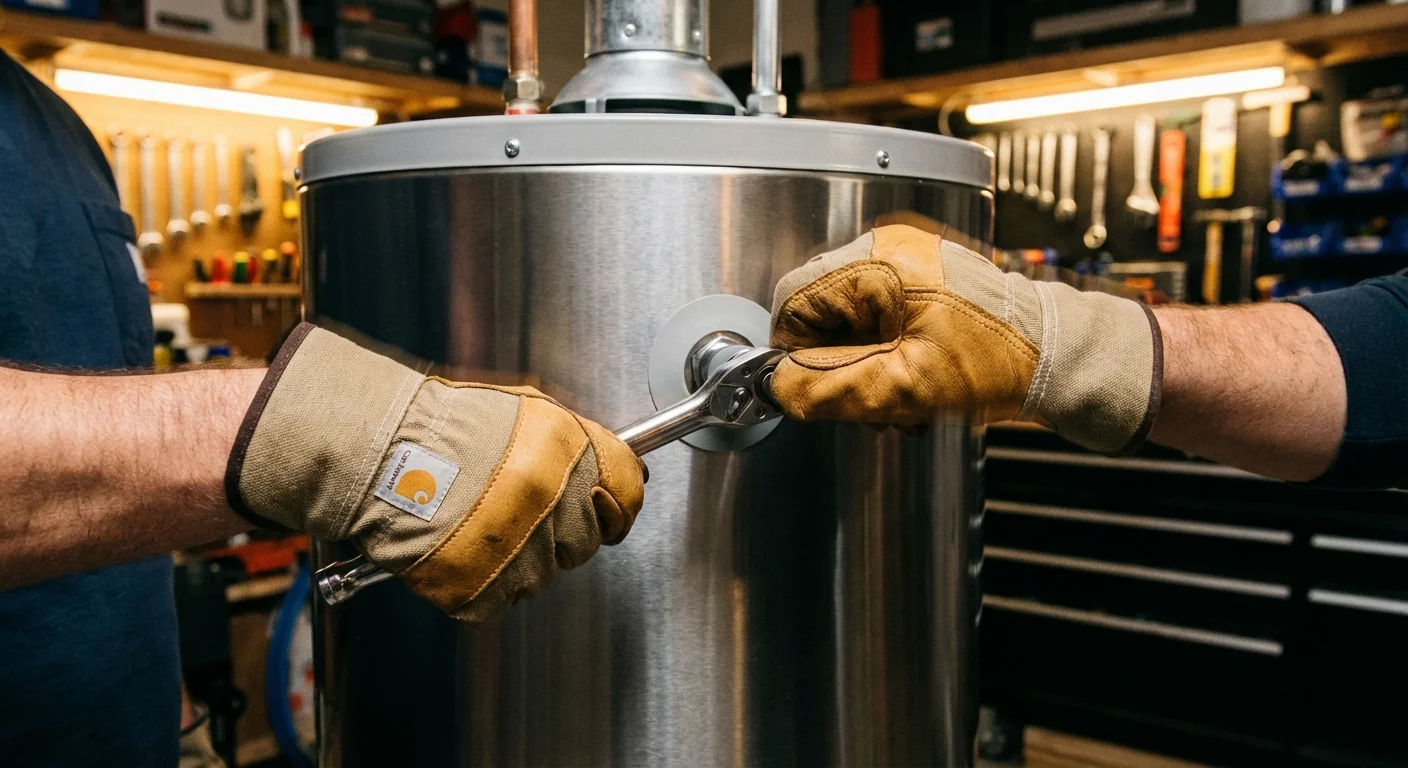
Step-by-Step DIY Anode Rod Replacement
Performing an anode rod replacement is well within the capabilities of the average DIYer. You do not need specialized plumbing knowledge, but you do need a few specific tools and a bit of muscle. Before you begin, check your owner’s manual or the manufacturer’s website to confirm the location of your rod. Most are located on top of the tank, either exposed or hidden under a plastic cap.
Tools You Will Need
- A 1-1/16 inch 6-point socket (This is the standard size for almost all anode rods).
- A ratchet or breaker bar (A longer handle provides more leverage).
- A “cheater pipe” (A length of iron pipe to slip over your ratchet handle if the bolt is stuck).
- Teflon tape or pipe thread sealant.
- A garden hose.
The Replacement Process
- Power Down: Turn off the electricity at the circuit breaker (for electric heaters) or turn the gas valve to the “Pilot” or “Off” position (for gas heaters). Working on a hot, powered tank is dangerous.
- Shut Off the Water: Close the cold water supply valve, usually located at the top of the tank.
- Release Pressure: Open a hot water faucet somewhere in the house to bleed off pressure. Then, attach a garden hose to the drain valve at the bottom of the tank and drain out 2-3 gallons of water. You don’t need to empty the tank; you just need the water level to be below the top of the anode rod.
- Locate the Rod: If your rod is integrated into the hot water outlet (the “combo” style), you will need to unscrew the nipple where the hot water pipe exits the tank. If it is a standalone rod, look for a hex-head bolt on top of the tank.
- Loosen the Rod: This is the hardest part. These rods are often installed very tightly. Use your socket and breaker bar. You may need a second person to hold the tank steady so it doesn’t spin while you apply pressure. Turn counter-clockwise.
- Extract and Inspect: Pull the old rod straight up. If your ceiling is too low to remove a 4-foot rod, you can bend the old one as you pull it out. When buying a replacement for a low-ceiling area, look for a “segmented” or “flexible” anode rod that folds like a chain.
- Install the New Rod: Wrap the threads of the new rod with Teflon tape. Insert it into the hole and tighten it securely with your socket wrench. Do not over-tighten; “snug” is usually enough to prevent leaks.
- Refill and Restart: Open the cold water supply valve. Keep the hot water faucet in the house open until water flows steadily without air pockets. Check the top of the tank for leaks. If everything is dry, turn the power or gas back on.
Where People Overspend
The biggest financial mistake homeowners make is hiring a plumber for this specific task without bundling it with other services. A plumber may charge a $100 service fee just to show up, plus labor and a marked-up price for the part. If you aren’t comfortable doing it yourself, wait until you need a regular plumbing inspection or another small repair, and ask the plumber to swap the rod while they are already on-site. You will likely only pay for the part and a small amount of additional labor.
Another area of overspending is replacing the entire water heater because of a “rotten egg” smell. Many homeowners assume the tank is rotting or the water is contaminated and buy a new unit. In reality, that smell is almost always a reaction between the magnesium rod and high-sulfur water. Switching to a $40 zinc/aluminum rod or a powered anode rod solves the problem for a fraction of the cost of a new heater.

When to Call a Pro
While this is a DIY-friendly task, there are a few scenarios where you should put down the wrench and call a professional:
- The Tank is Already Leaking: If you see water pooling at the base of the tank or rusted-through spots on the outer jacket, the internal tank is already compromised. Replacing the anode rod now is like putting a bandage on a sinking ship. It is time for a new unit.
- The Rod is Completely Rusted In: If you apply significant force with a breaker bar and the tank begins to shift or the bolt head starts to strip, stop immediately. A professional has impact wrenches and techniques to remove stubborn rods without rupturing the tank.
- Extreme Access Issues: If your water heater is tucked into a tight crawlspace or an attic where you cannot safely maneuver a long metal rod, let a pro handle the ergonomics and the risk.
The Impact of Water Softeners
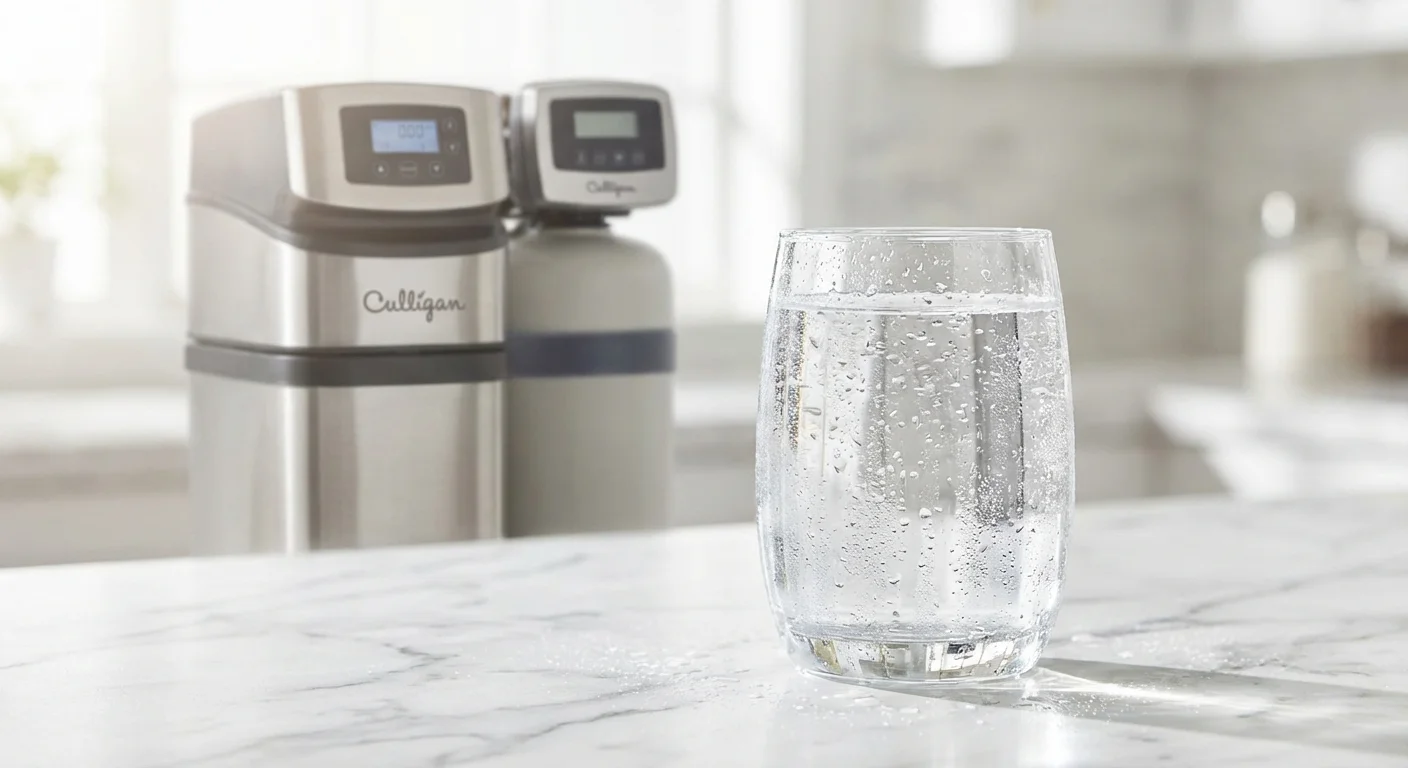
If you have a water softener, pay close attention. While softeners are great for your skin and your glassware, they are surprisingly hard on water heaters. Softeners replace calcium and magnesium minerals with sodium. This increase in sodium increases the conductivity of the water, which accelerates the galvanic corrosion process. If you have a softener, Energy.gov and other experts recommend checking your anode rod every year instead of every three years. You will likely find that the rod dissolves twice as fast as it would in unsoftened water.
Advanced Tip: The Flush and Fill
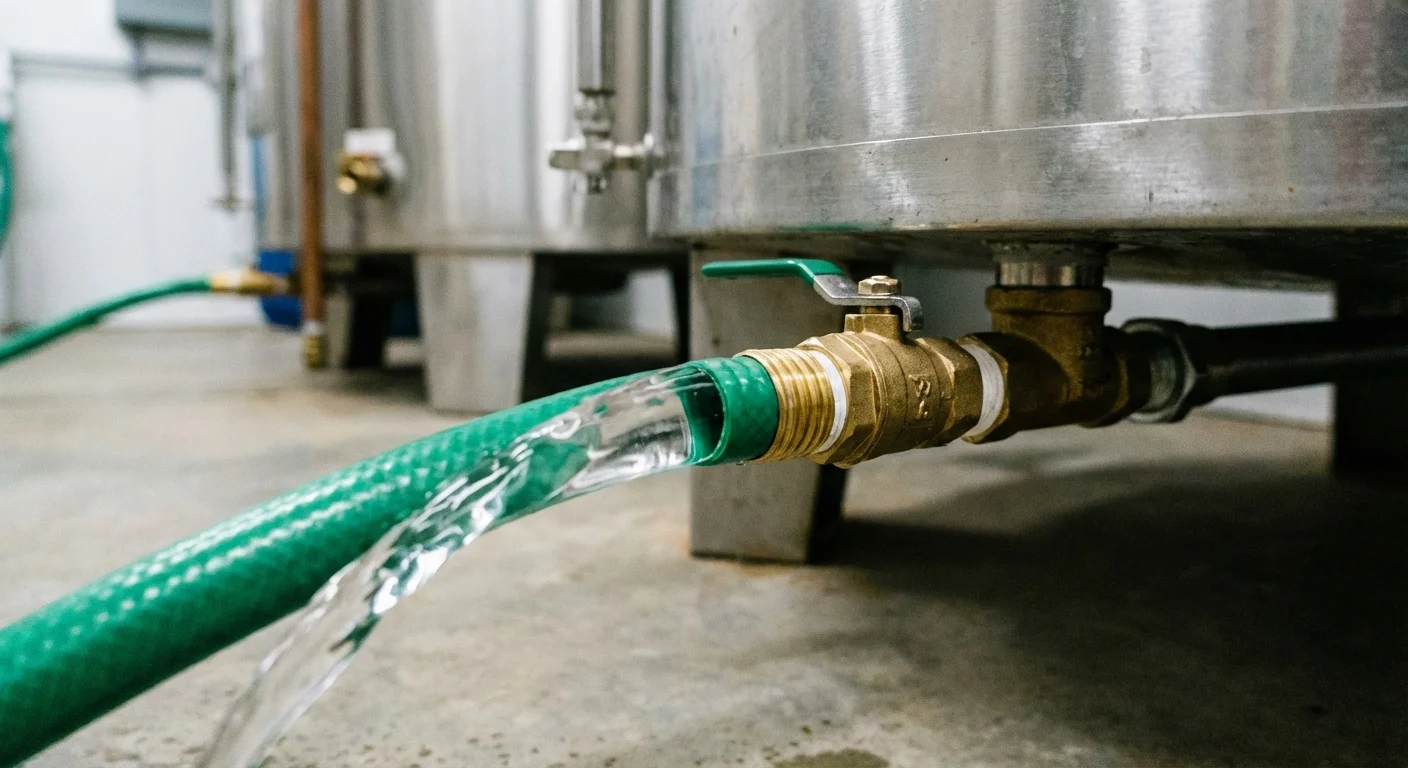
While you are replacing your anode rod, take ten extra minutes to flush the sediment out of the bottom of your tank. Over time, minerals like calcium and lime settle at the bottom. In electric heaters, this sediment can bury the lower heating element, causing it to burn out. In gas heaters, the sediment acts as an insulator, forcing the burner to run longer and hotter to heat the water, which can eventually crack the tank’s glass lining. Simply opening the drain valve with the water pressure on for 60 seconds can blow out much of this “sludge” and further extend the life of your unit.
According to the EPA WaterSense program, maintaining home appliances for efficiency not only saves money but also reduces your environmental footprint by keeping large appliances out of landfills for longer periods. A well-maintained water heater operates more efficiently, using less gas or electricity to maintain your preferred temperature.
FAQs About Anode Rods
How do I know if my anode rod needs replacing without pulling it out?
Unfortunately, there is no external gauge. However, if you start seeing small bits of blue-green “sand” in your faucet aerators, or if your hot water develops a slight metallic taste or rusty tint, your rod is likely depleted. The best method remains a visual inspection every 3 years.
Can I just remove the rod and not replace it?
Technically, the heater will function, but you have removed its only defense against rust. Without an anode rod, a standard steel tank can rust through in as little as 6 to 24 months, depending on your water quality. Never operate a glass-lined steel tank without a functional anode rod.
Do tankless water heaters have anode rods?
Most tankless water heaters do not have anode rods because they do not store a large volume of water in a steel tank. They typically use copper or stainless steel heat exchangers which are less prone to this specific type of corrosion. However, they still require regular descaling to maintain efficiency.
Which way do I turn the bolt to loosen it?
Like most plumbing fixtures, it follows the “lefty-loosey, righty-tighty” rule. Turn the hex head counter-clockwise to loosen it. Because the rod sits vertically, it can be easy to get disoriented—imagine looking down at the top of the tank from above.
Taking control of your home maintenance doesn’t require a massive budget or a garage full of tools. It requires intentionality. By spending $30 today and performing a simple inspection, you are not just maintaining a plumbing fixture; you are protecting your household’s emergency fund from an unnecessary $1,200 hit. Mark your calendar for a three-year check-up. Your future self—and your bank account—will thank you for the foresight.
This article provides general money-saving guidance. Individual results vary based on location, household size, and spending patterns. Verify current prices and manufacturer specifications before making purchasing decisions.
Last updated: February 2026. Prices change frequently—verify current costs before purchasing.








Leave a Reply