
The first true cold snap of the year usually arrives with a side of sticker shock. You open your utility portal, look at the balance, and wonder if you accidentally left every window in the house wide open for a week. According to the U.S. Energy Information Administration, nearly half of all energy consumption in a typical American home goes toward space heating. When temperatures plummet, your furnace or heat pump works overtime—not just to keep you warm, but to compensate for all the heat your home is losing through invisible gaps and inefficient habits.
You don’t need a five-figure budget for new windows or blown-in attic insulation to see a difference in your monthly statement. Significant winter energy savings often come from small, tactical adjustments to how you manage your environment. By understanding how heat moves and where your money is actually going, you can stay warm for less without sacrificing comfort. These five strategies focus on immediate, actionable steps that require nothing more than a trip to the hardware store and a few hours of your weekend.
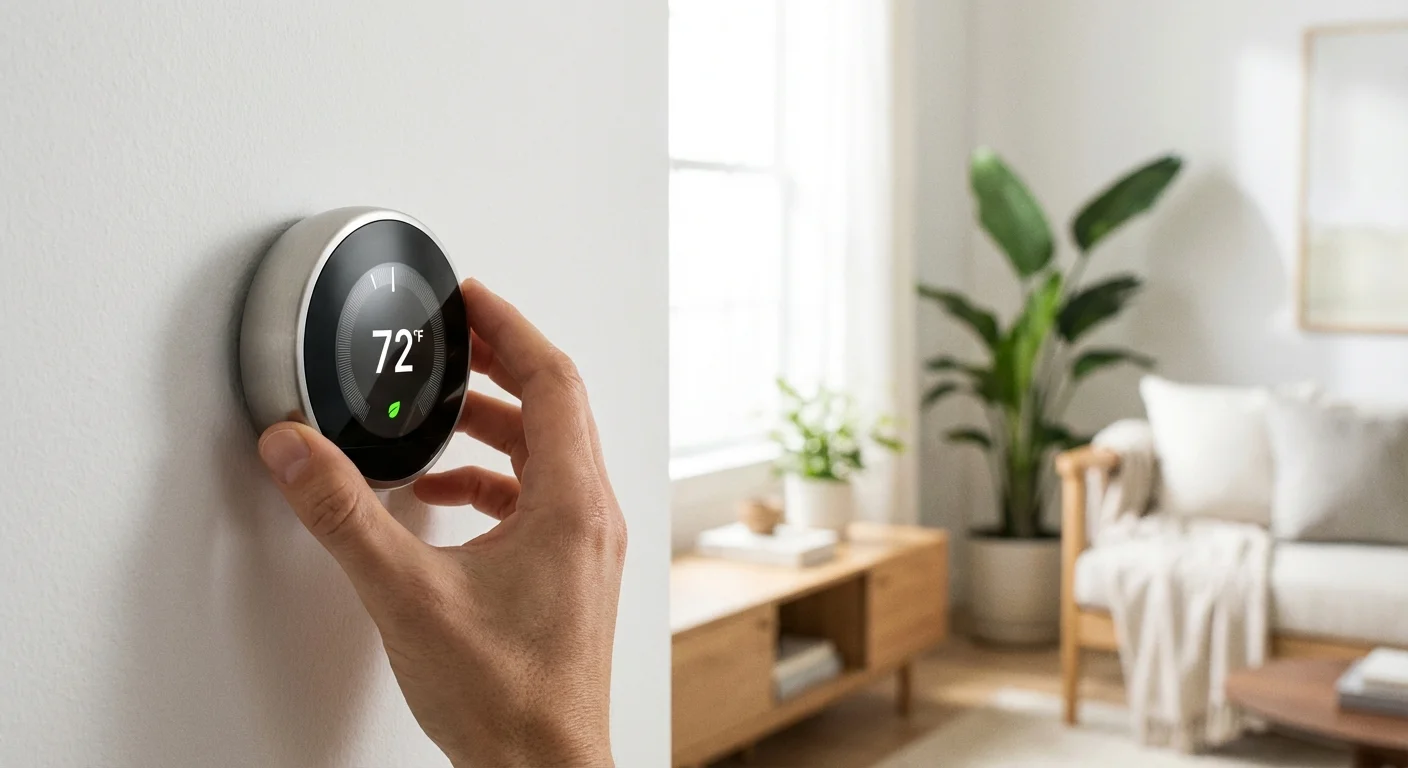
1. Master the “Setback” Strategy with Your Thermostat
Your thermostat serves as the brain of your heating system; if you leave it on a “set it and forget it” high temperature, you are essentially subsidizing the heating of an empty house. The Department of Energy suggests that you can save as much as 10% a year on heating and cooling by simply turning your thermostat back 7 to 10 degrees Fahrenheit for eight hours a day from its normal setting. For most people, the easiest way to do this is while you sleep or while you are away at work.
Aim for a baseline of 68 degrees Fahrenheit while you are awake and active at home. When you head to bed, drop it to 62 or 65 degrees. You won’t feel the difference under a heavy duvet, but your furnace will certainly feel the reduced demand. If you find these manual adjustments tedious, a programmable or smart thermostat is one of the few “purchases” that pays for itself within a single season. Many utility companies even offer rebates or free smart thermostats to customers to help manage grid demand.
Avoid the common mistake of cranking the thermostat to 80 degrees when you get home, thinking it will heat the house faster. Furnaces work at one speed. Setting a higher temperature only ensures the system runs longer, likely overshooting your comfort zone and wasting energy in the process. Consistency and intentional setbacks are your best tools to lower your heating bill.
“It’s not your salary that makes you rich, it’s your spending habits.” — Charles A. Jaffe
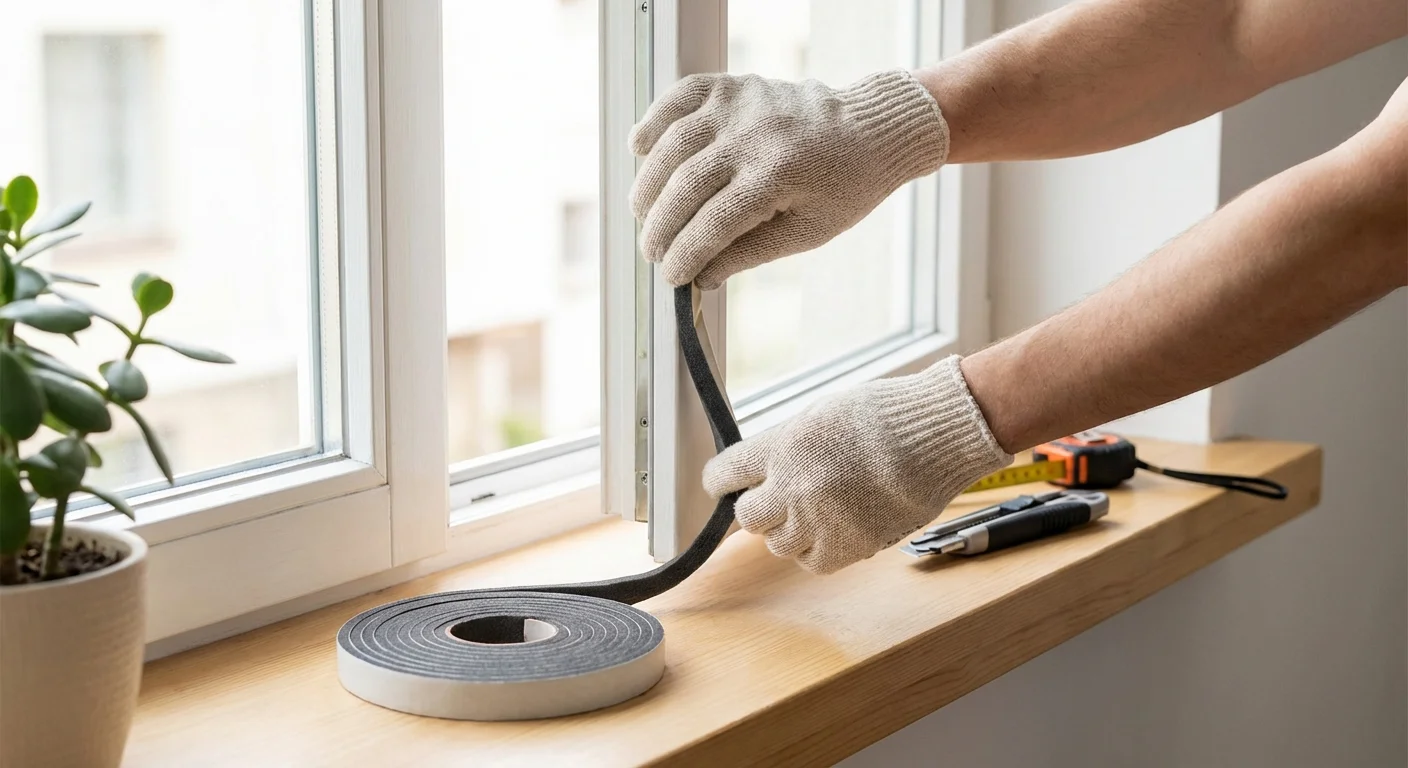
2. Seal the “Invisible” Leaks with Weatherstripping
If you added up every tiny crack and gap around your windows and doors, it would often equal the size of a brick-sized hole in your wall. Cold air rushes in while expensive, heated air escapes—a process known as air infiltration. You can identify these leaks easily on a windy day by holding a lit incense stick or a damp hand near window frames and door jambs. If the smoke wafts horizontally or your hand feels a chill, you’ve found a leak.
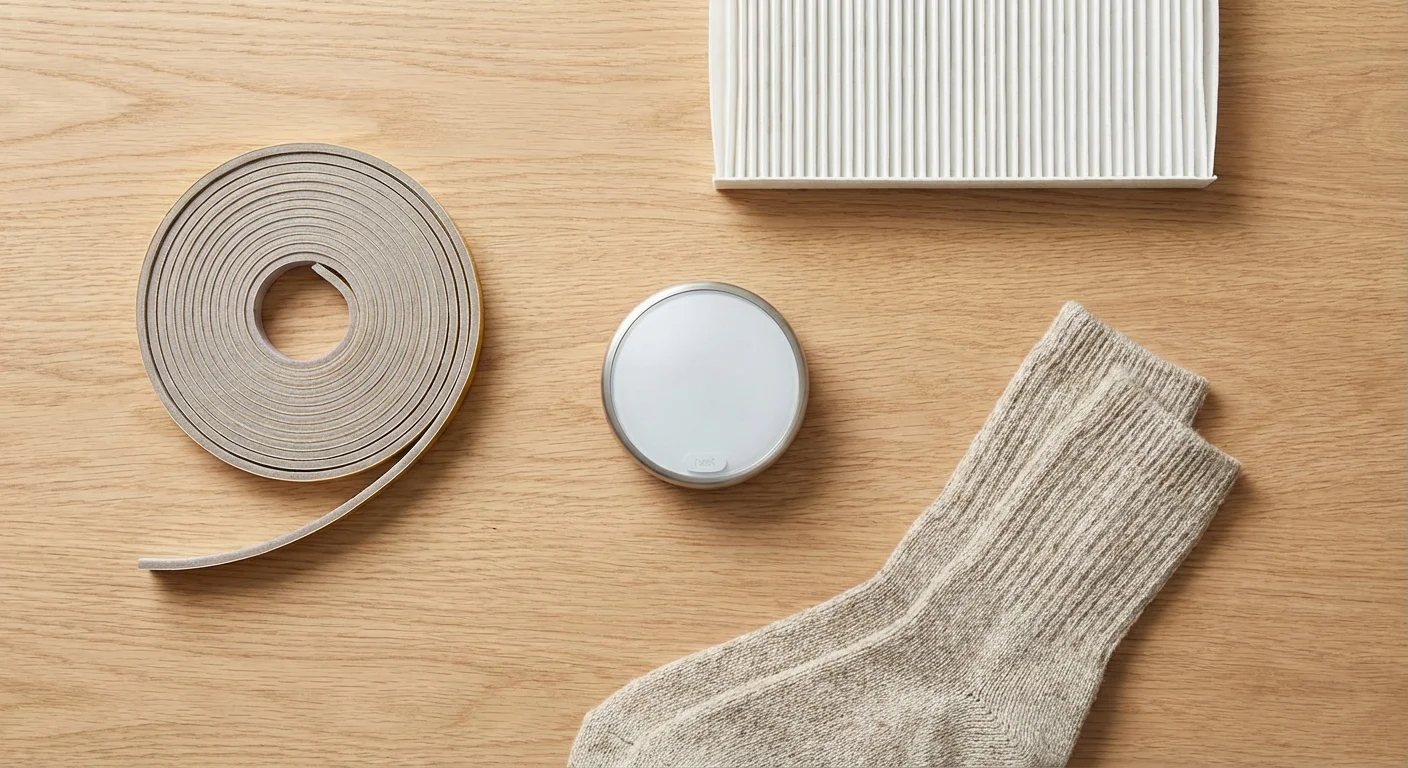
Weatherstripping is an inexpensive, DIY-friendly solution that provides an immediate return on investment. Use adhesive-backed foam tape for the tops and bottoms of window sashes and V-channel strips for the sides. For your front and back doors, check the door sweep at the bottom. If you can see daylight under the door, you are losing heat. A new sweep costs less than $15 and installs with a few screws. For a zero-effort fix, a “door snake” or even a rolled-up heavy towel placed at the base of the door can block significant drafts.
Don’t stop at doors and windows. Check where plumbing pipes or electrical wires enter your home through exterior walls, such as under the kitchen sink. Small gaps around these penetrations can be filled with cans of spray foam insulation or caulk. These minor repairs keep the heat where it belongs: inside your living space.
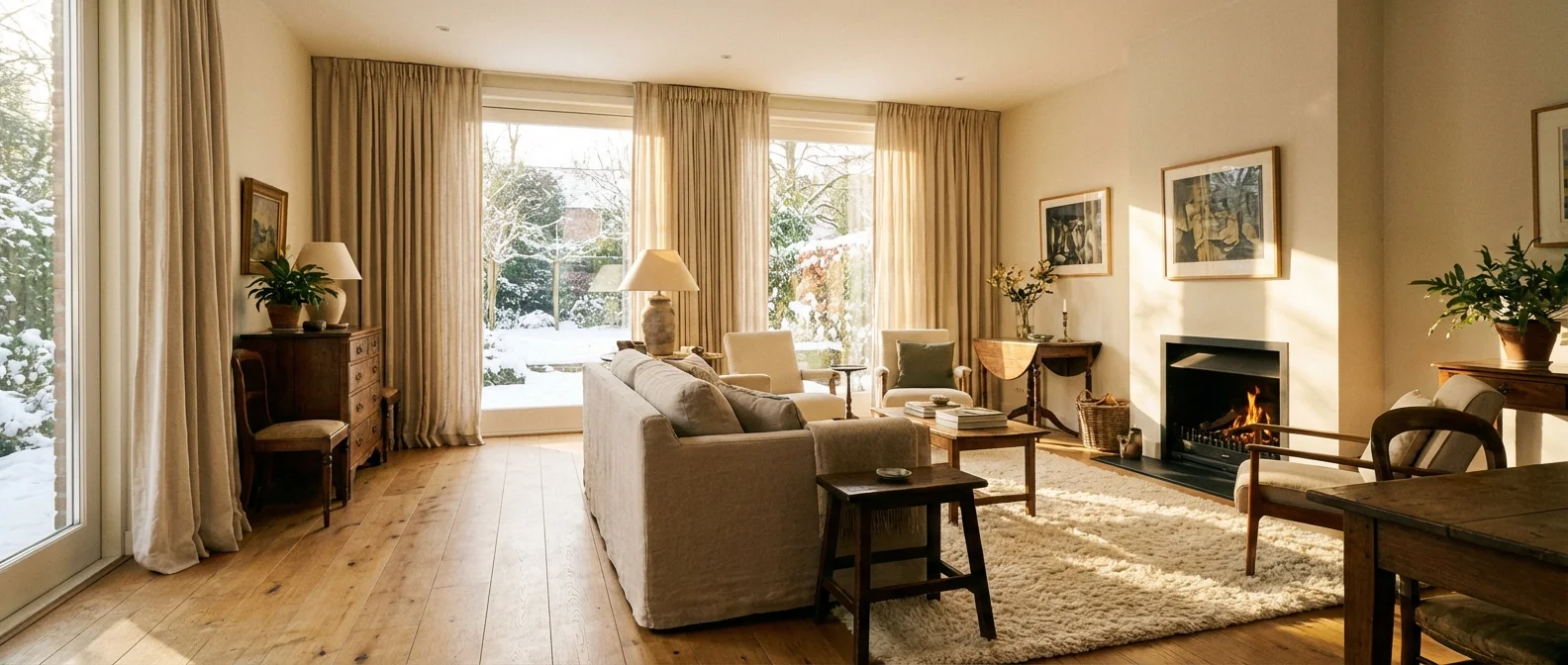
3. Use “Passive Solar” to Your Advantage
The sun is the most powerful heater you own, and it doesn’t charge by the kilowatt-hour. Even on a frigid day, solar radiation streaming through a glass pane can significantly raise the temperature of a room. To stay warm for less, you must manage your window coverings with the precision of a technician. This is often called “passive solar” heating.
Open all south-facing curtains and blinds as soon as the sun comes up. Allow that light to hit your floors and furniture, which will absorb the heat and radiate it back into the room. However, the moment the sun sets, your windows become “thermal holes.” Glass is a poor insulator, and cold air will radiate off the window surface. Closing heavy curtains or cellular shades at night creates an extra layer of air insulation, trapping the warmth inside and preventing the “chill” you feel when sitting near a window. According to Energy.gov, tightly installed cellular shades can reduce heat loss through windows by 40% or more.
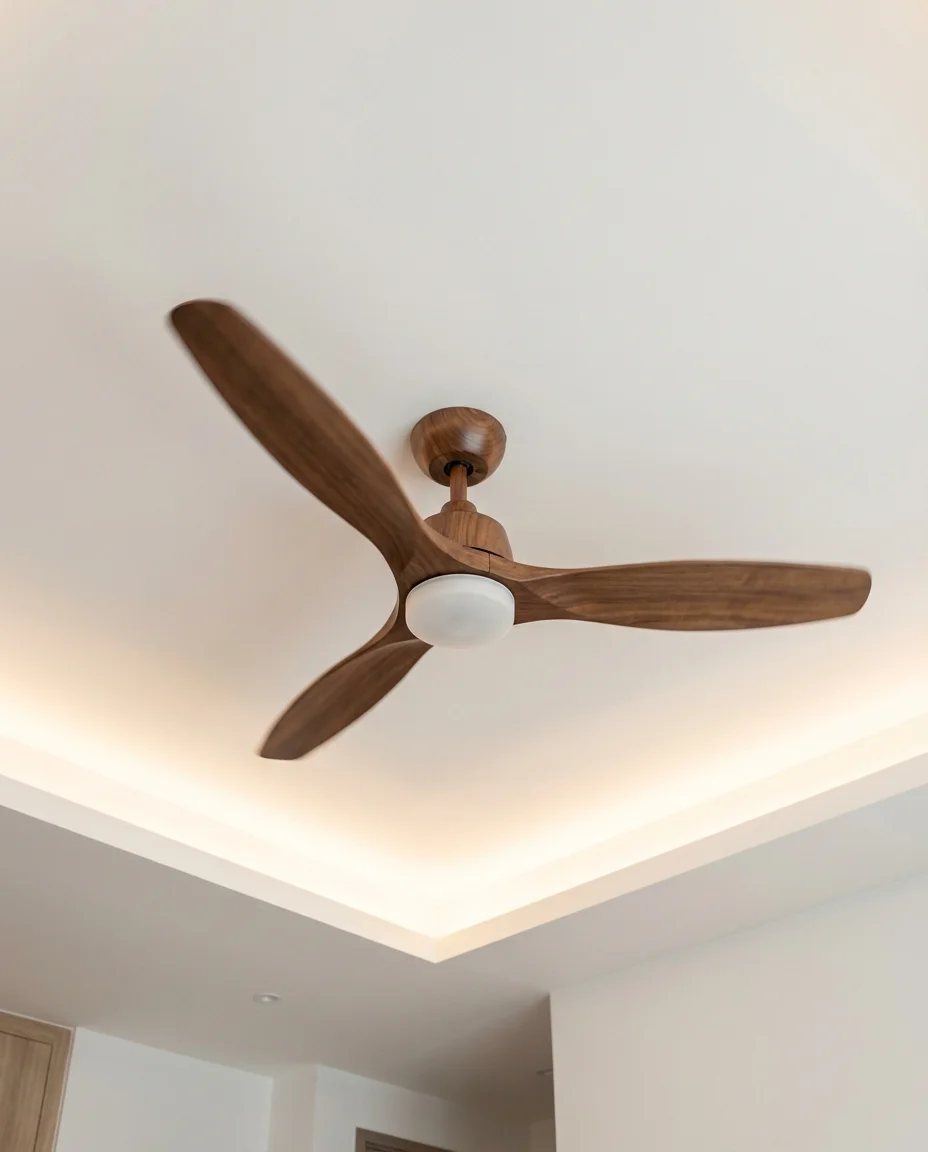
4. Reverse Your Ceiling Fans
Most people associate ceiling fans with summer cooling, but they are equally valuable in the winter. Because heat rises, the warmest air in your home is currently trapped against the ceiling, where it does you no good. If you look at the hub of your fan, you will likely find a small toggle switch. Flip it to reverse the direction of the blades so they spin clockwise at a low speed.
When blades spin clockwise, they create an updraft. This pulls cool air up and pushes the trapped warm air near the ceiling down the walls and back into the living space. This simple trick can make a room feel several degrees warmer without you ever touching the thermostat. Just ensure the fan is on its lowest setting; you want to move the air gently, not create a wind-chill effect that makes you feel colder.
5. Optimize Your System’s Airflow
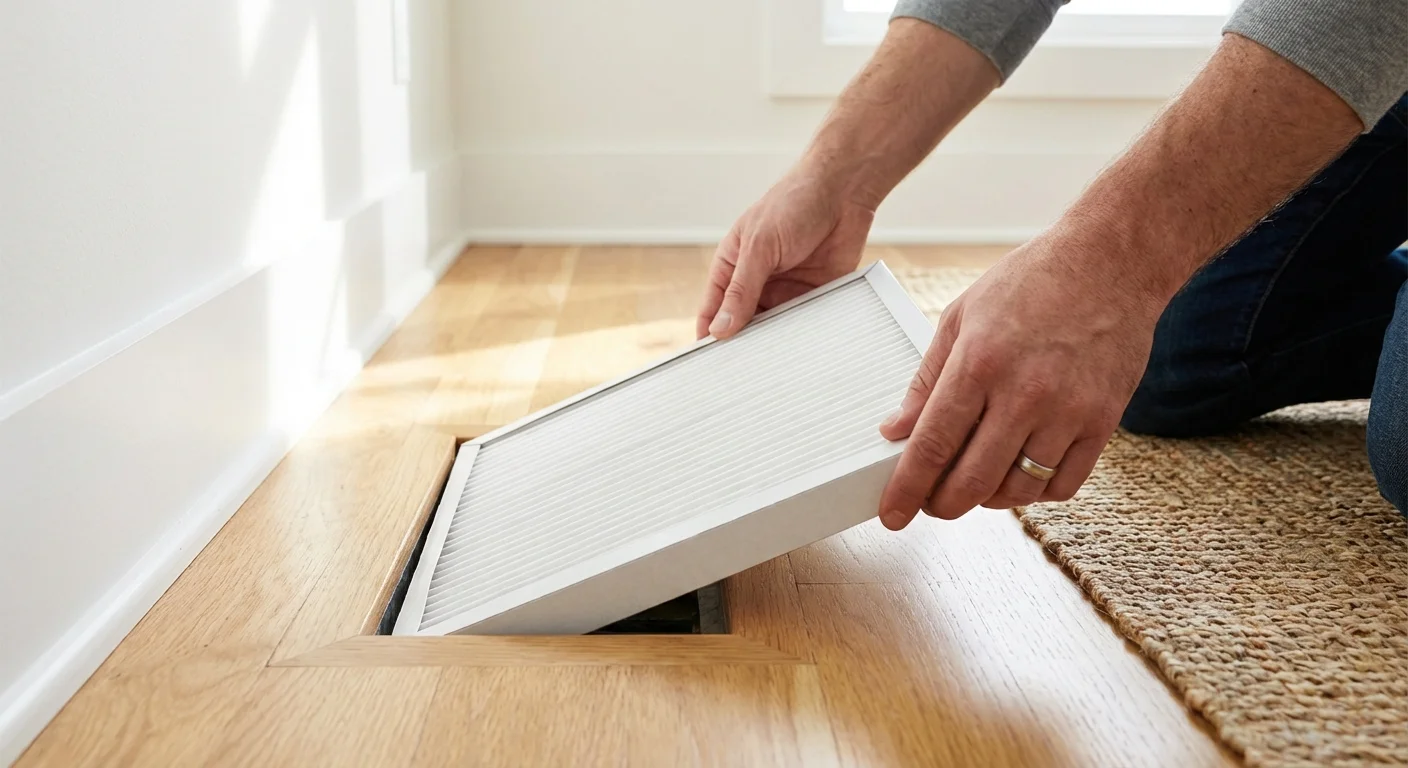
Your heating system has to work much harder if it’s fighting against physical blockages. One of the most common home efficiency mistakes is “hiding” ugly floor or wall vents behind sofas, long curtains, or area rugs. When you block a vent, you trap the heat in a confined space or behind furniture, preventing it from circulating through the room. Take a walk through every room in your house and ensure there is at least a 12-inch clearance around all supply and return vents.
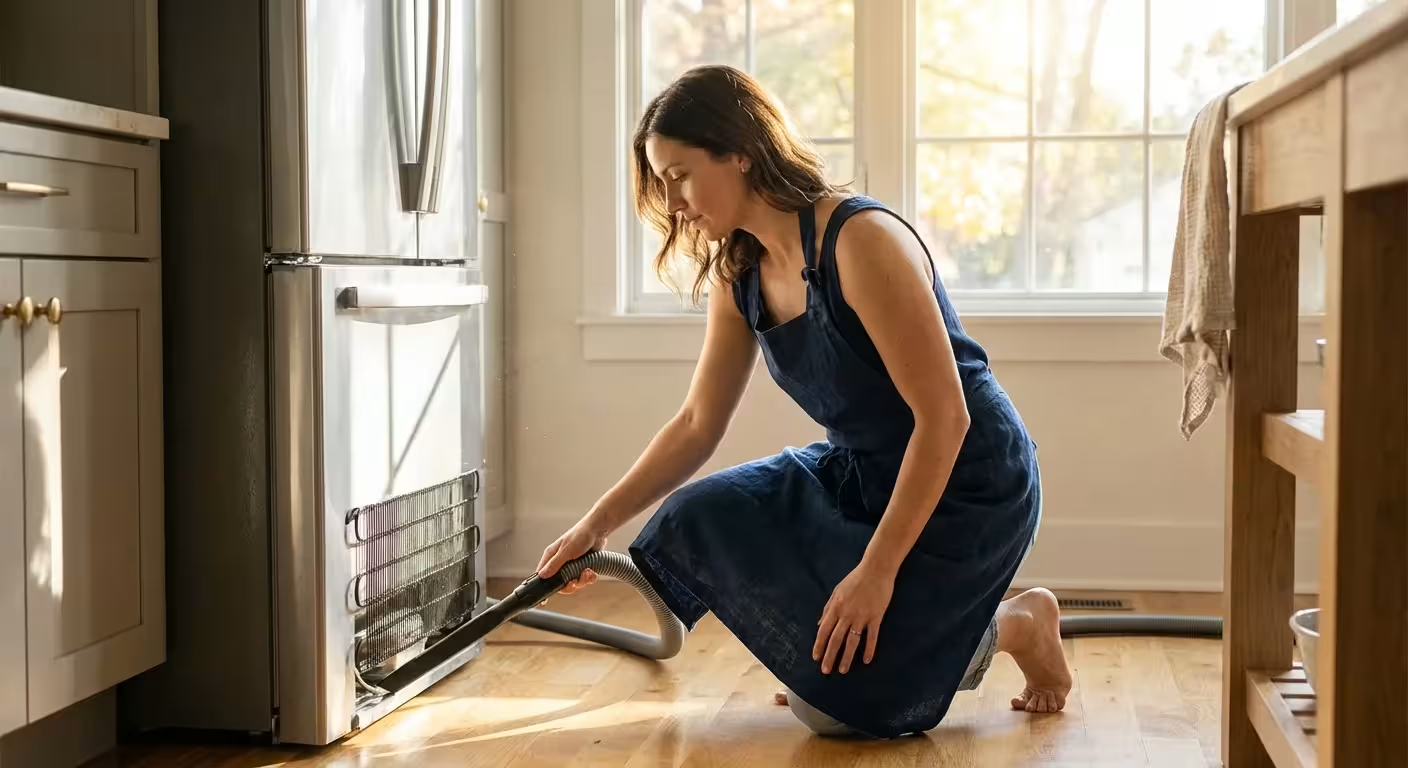
Equally important is the state of your furnace filter. A clogged, dusty filter restricts airflow, forcing the furnace motor to run longer and hotter to push air through the house. This not only spikes your energy bill but also leads to premature system failure. Check your filter once a month during the winter. If it looks grey or fuzzy, replace it. Basic fiberglass filters are cheap, but for better home efficiency and air quality, look for pleated filters with a MERV rating between 8 and 11. Refer to ENERGY STAR’s maintenance guidance for more ways to keep your system running at peak performance.
Comparing DIY Savings Strategies
To help you prioritize your efforts, here is a breakdown of common low-cost interventions and their typical impact on your wallet and comfort.
| Strategy | Estimated DIY Cost | Difficulty Level | Impact on Bill |
|---|---|---|---|
| Thermostat Setbacks | $0 | Very Easy | High (Up to 10%) |
| Weatherstripping Doors | $10–$25 | Easy | Moderate |
| Reversing Ceiling Fans | $0 | Very Easy | Low/Moderate |
| Window Insulation Film | $15–$30 | Moderate | High (for old windows) |
| Regular Filter Changes | $5–$20 | Easy | Moderate (System Longevity) |
“Beware of little expenses; a small leak will sink a great ship.” — Benjamin Franklin
Costly Mistakes to Avoid
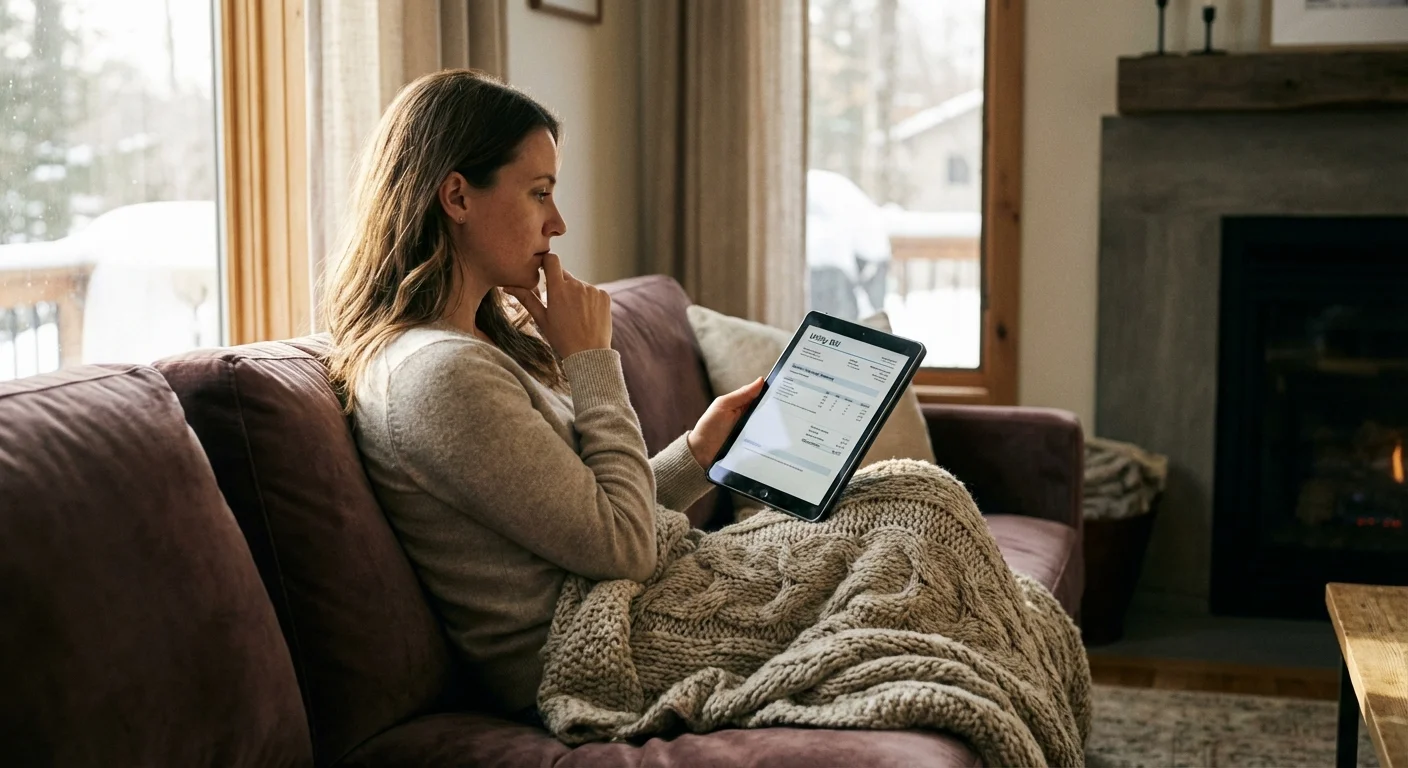
While trying to save money, it is easy to fall into traps that actually increase your total costs or create safety hazards. Avoid these common pitfalls:
- Relying Heavily on Space Heaters: While it seems cheaper to heat one room, most space heaters run on electricity, which is often significantly more expensive than natural gas. If you use a 1,500-watt space heater for 8 hours a day, you could add $50 or more to your monthly electric bill. Use them sparingly and only for targeted tasks.
- Closing Too Many Vents: You might think closing vents in unused rooms saves money, but it can actually damage your HVAC system. Modern systems are balanced for the square footage of the home. Closing too many vents increases pressure in the ductwork, which can lead to leaks or a cracked heat exchanger—a repair that costs thousands.
- Neglecting Carbon Monoxide Safety: As you seal your home to make it more airtight, you must ensure you have working carbon monoxide detectors on every floor. A tightly sealed home can trap dangerous fumes if your furnace or water heater malfunctions.
Skip DIY When…
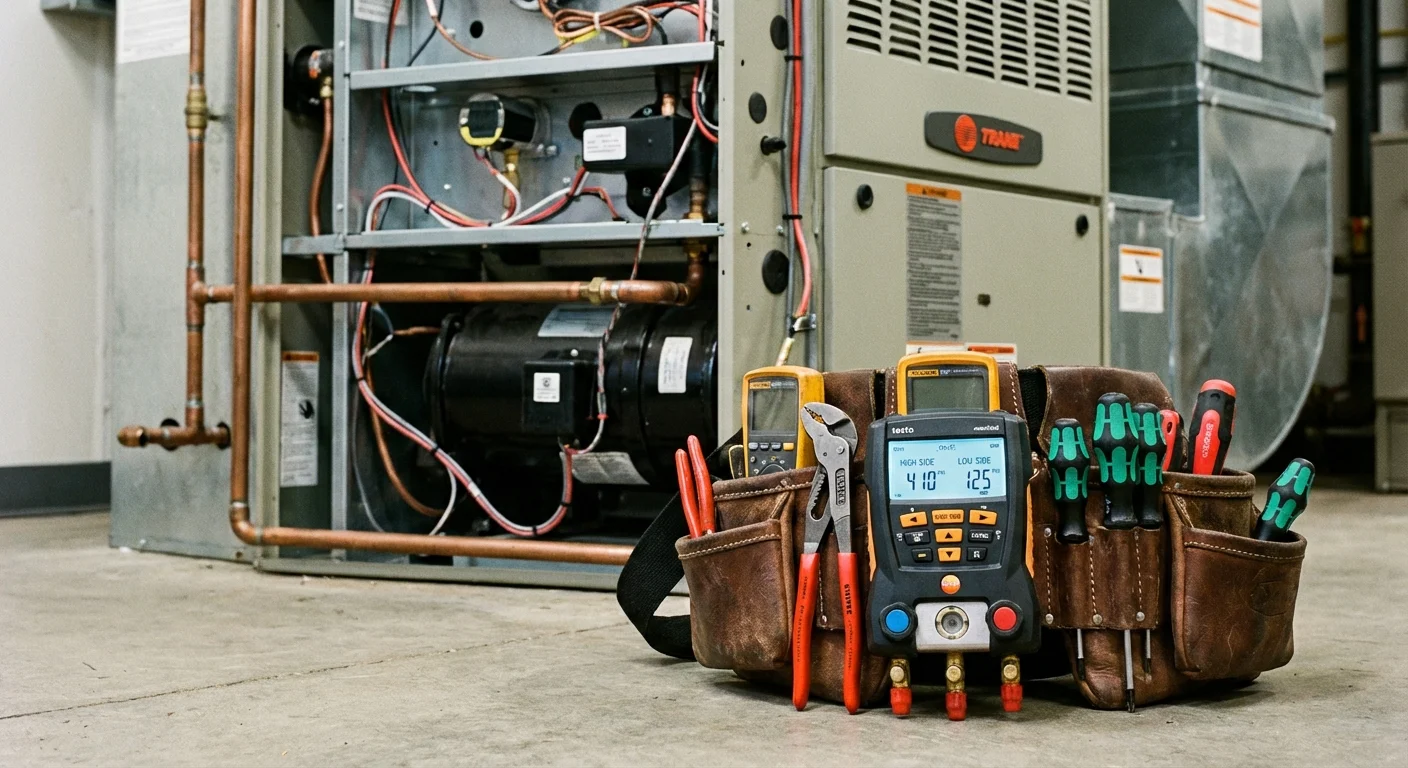
While most of these tips are perfect for a weekend project, some situations require a professional. Do not attempt a DIY fix if:
- You Smell Gas: If you smell a “rotten egg” odor near your furnace or in your basement, evacuate the house immediately and call your utility company or fire department from outside.
- The Furnace is Making Loud Noises: Banging, screeching, or whistling sounds usually indicate a mechanical failure, such as a failing blower motor or a loose belt. Attempting to fix this yourself can void your warranty.
- Your Pilot Light is Yellow: A healthy pilot light should be blue. A yellow or orange flame indicates incomplete combustion, which can produce dangerous levels of carbon monoxide.
Frequently Asked Questions
Is it cheaper to keep my heat at a constant temperature all day?
No. This is a persistent myth. It takes less energy to warm a cool house back up than it does to maintain a high temperature all day long. When your house is warmer than the outside air, it constantly loses heat. The higher the internal temperature, the faster it loses that heat. Dropping the temperature while you are away slows that loss significantly.
Does putting plastic film on windows really work?
Yes, especially if you have older, single-pane windows. The plastic creates an airtight seal and a buffer zone of dead air that acts as insulation. It is one of the most cost-effective ways to stop drafts if you cannot afford new windows.
Should I turn my water heater down too?
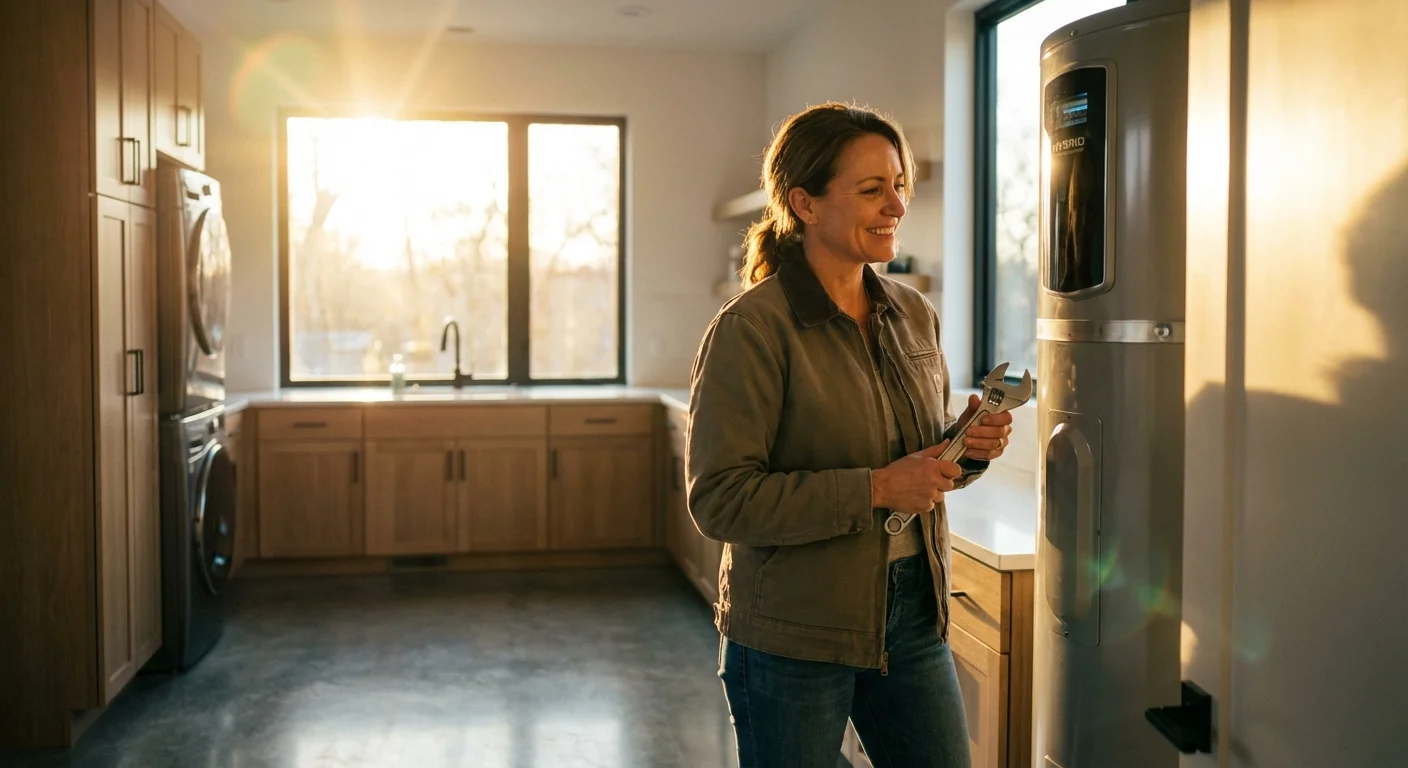
Most water heaters are set to 140 degrees by default. Dropping this to 120 degrees can save you 3% to 5% on your water heating costs and prevents accidental scalding. It is a simple adjustment that requires no tools.
Lowering your heating bill is about being intentional with the resources you already have. By sealing air leaks, managing your thermostat smartly, and ensuring your system can breathe, you reclaim control over your utility budget. Start with the free changes—like reversing your fans and adjusting your curtains—and watch your usage drop. You don’t have to shiver to save; you just have to be smarter than the cold air trying to get in. This article provides general money-saving guidance. Individual results vary based on location, household size, and spending patterns. Verify current prices before making purchasing decisions.
Last updated: February 2026. Prices change frequently—verify current costs before purchasing.



Leave a Reply