
You have likely experienced the frustration of buying a new television or kitchen appliance, only to see it advertised for $50 less at a different store just two days later. Most shoppers assume the extra money is gone forever, a tax on their lack of timing; however, retail price matching policies allow you to reclaim that cash instantly. By understanding the specific rules governing major retailers, you can stop overpaying and start leveraging competition to your advantage.
Price matching is not a favor that stores do for you—it is a strategic tool they use to prevent you from walking out the door. Retailers like Target, Best Buy, and Home Depot would rather lose a few dollars on a margin than lose a customer to a competitor. When you walk into a store armed with the right data, you hold the leverage. This guide will teach you how to master the best price guarantee, use digital tools to track fluctuations, and navigate the fine print that often trips up casual shoppers.
The Core Principles of a Successful Price Match
Before you approach a customer service desk, you must understand the “Golden Rules” of price matching. While every store maintains its own specific document of terms and conditions, three universal requirements almost always apply. If you fail to meet these, the clerk will likely deny your request regardless of how much lower the competitor’s price is.
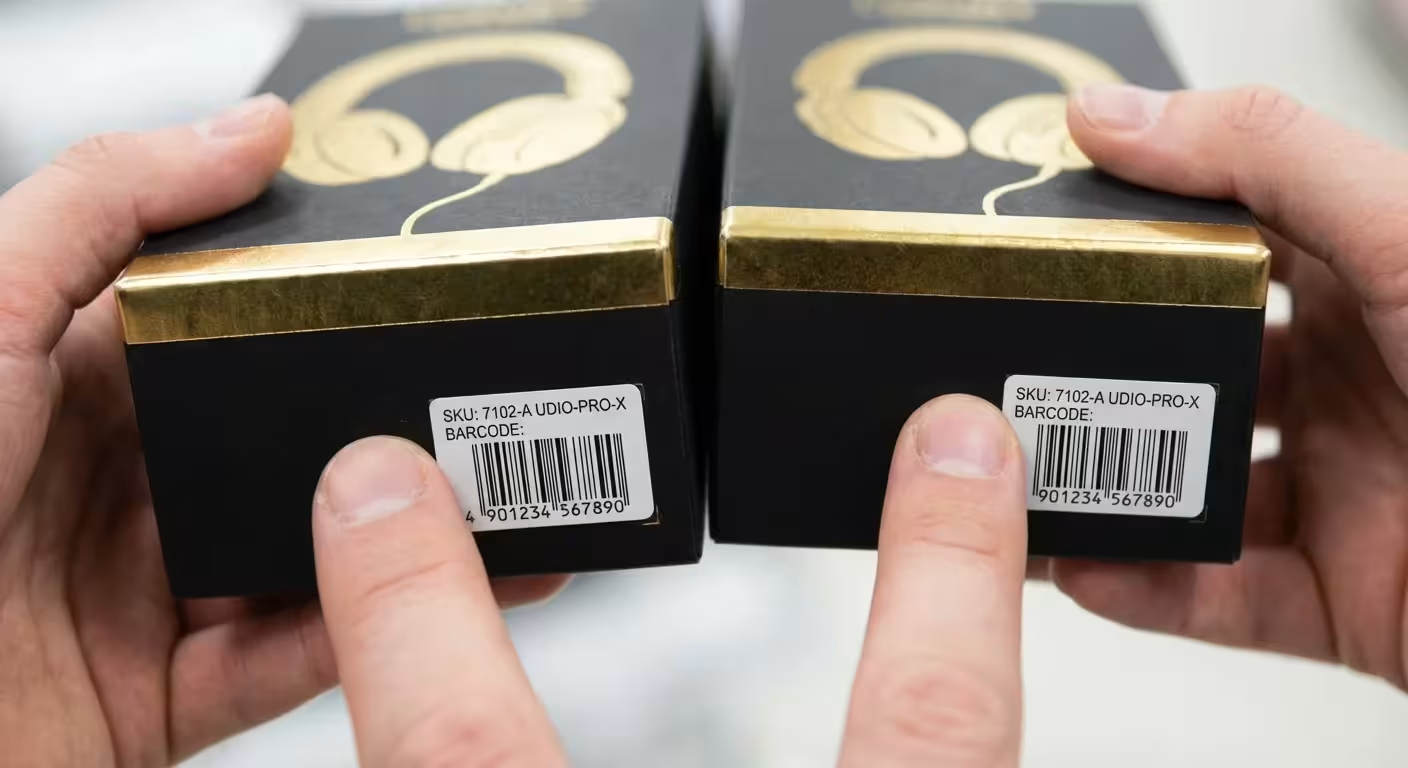
- The Item Must Be Identical: This is the most common reason for a rejection. The brand, model number, color, and size must match exactly. Many retailers, particularly in electronics and mattresses, request specific “retailer-exclusive” model numbers from manufacturers to make price matching impossible. Always double-check the SKU (Stock Keeping Unit) before you ask.
- The Item Must Be In-Stock: You cannot match a price from a competitor that has an “Out of Stock” notice on their website. The logic is simple: the competitor’s low price doesn’t matter if you can’t actually buy the item there.
- The Competitor Must Be “Qualified”: Most stores maintain a list of specific local competitors and major online retailers (like Amazon or Walmart.com) that they will match. They rarely match prices from “third-party sellers” or auction sites like eBay.
“The goal isn’t to be cheap—it’s to be intentional.”

Mastering the Major Retailers
Not all price matching policies are created equal. Some stores are incredibly generous, while others have retreated from aggressive matching in recent years. Understanding the current landscape will save you time and prevent awkward interactions at the register.
Target: The 14-Day Window
Target offers one of the most consumer-friendly policies in the industry. They will match a lower price if you find it at Target.com, select online competitors, or in a competitor’s local print ad. Perhaps the most valuable feature of their policy is the retroactive match. If you buy an item at Target and it goes on sale at Target within 14 days, you can bring your receipt back to the Guest Service desk for a refund of the difference.
Best Buy: The Electronics Expert
Best Buy is particularly aggressive about price matching because their inventory consists of high-ticket items where consumers are most likely to shop around. They match local retail competitors and major online players like Amazon, B&H Photo Video, and Crutchfield. Note that Best Buy will only match “shipped from and sold by” Amazon—not the thousands of independent sellers who use Amazon as a storefront.
Home Depot and Lowe’s: The Home Improvement Battle
In the past, Home Depot famously offered to beat competitor prices by an additional 10%. While that specific “beat it” policy has largely been phased out for general consumers, they still offer a straightforward price match. Interestingly, both Home Depot and Lowe’s are often willing to match each other’s prices, but they are more restrictive regarding online-only retailers. You will have better luck matching a physical ad from the competitor across the street than showing them a random website on your phone.
Comparison of Major Retailer Price Match Policies
| Retailer | Matches Online Competitors? | Retroactive Match Window | Notable Exclusions |
|---|---|---|---|
| Target | Yes (25+ sites) | 14 Days | Clearance, “Marketplace” sellers |
| Best Buy | Yes (Select sites) | During return period | Open-box, Black Friday deals |
| Walmart | Walmart.com only | No | Competitor ads (in-store) |
| Nordstrom | Yes (Select sites) | 14 Days | Flash sales, Designer boutiques |
| Dick’s Sporting Goods | Yes | No | Custom orders, Used items |

Don’t Fall For These Common Pitfalls
Retailers are savvy; they know how to write policies that look great in a headline but are difficult to execute in practice. To ensure you actually get the savings you deserve, avoid these common mistakes:
Relying on screenshots: Most cashiers are trained to reject screenshots of prices because they are easily edited. You should always have the live website or the retailer’s official app open on your phone to prove the price is current. According to Federal Trade Commission (FTC) guidelines on truth in advertising, stores are generally allowed to set their own terms for these voluntary programs, so proving the price is live is your responsibility.
Ignoring “Marketplace” warnings: When you search for a price on Amazon or Walmart, look for the phrase “Sold and Shipped by.” If the item is sold by “Bob’s Electronics” via Amazon, the major retailer will not match it. They only match the prices set by the corporate giants themselves.
Forgetting about shipping costs: Some retailers will factor in the cost of shipping when calculating a price match. If a competitor has a lower price but charges $10 for shipping, the store may add that $10 to the competitor’s price before deciding if they will match it. This is a common tactic used by Best Buy and other electronics retailers.
Digital Tools to Automate Your Savings
You do not have to manually check twenty websites every time you want to buy a blender. Several high-quality digital tools can do the heavy lifting for you. Integrating these into your shopping routine will help you find the “best price guarantee” opportunities without wasting hours of your life.
- Slickdeals: This community-driven platform is excellent for finding “glitch” prices and deep discounts that might not show up in a standard Google search. You can set deal alerts for specific products. Check their latest verified deals at Slickdeals.net.
- CamelCamelCamel: If you are shopping on Amazon, this tool is essential. It tracks the price history of millions of products. It allows you to see if the current “sale” price is actually a good deal or if the item was $20 cheaper last month. Use this data to decide if it’s the right time to ask for a price match elsewhere. Access their data at CamelCamelCamel.com.
- Google Shopping: Use the “compare prices” feature to see a side-by-side list of what every major retailer is charging for the same SKU. This is the fastest way to find which store to use as your price-match leverage.
“A penny saved is a penny earned.” — Benjamin Franklin

Advanced Strategy: The Post-Purchase Adjustment
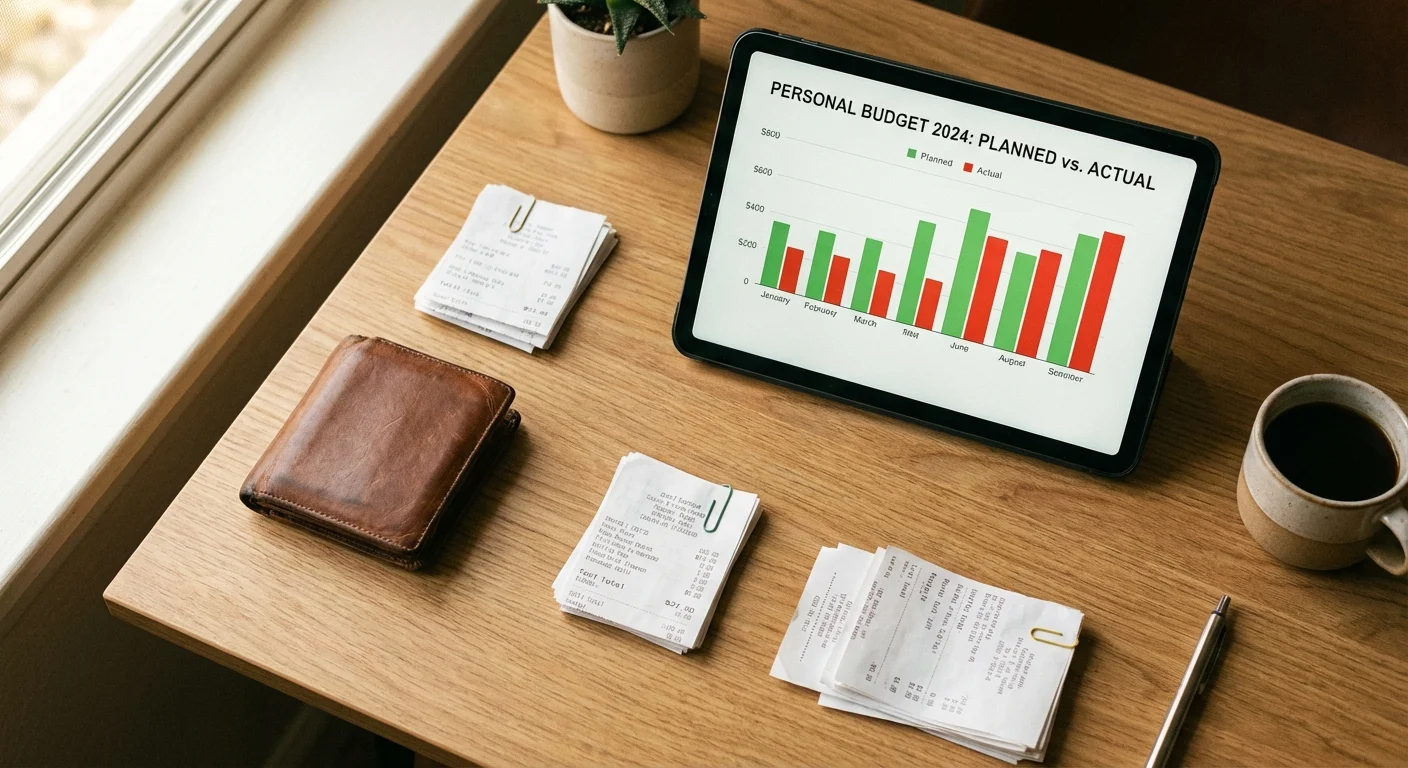
One of the most underutilized retail hacks is the post-purchase price adjustment. This allows you to secure a price match even after you have already left the store with the product. According to data from the Bureau of Labor Statistics, consumer prices for durable goods can fluctuate by as much as 15% within a single quarter. Catching one of these dips can result in a significant refund.
If you bought a coffee maker for $120 and see it for $90 the following week, you don’t need to return the item and rebuy it. Most major retailers will simply scan your receipt and put the $30 back on your original form of payment. This is particularly effective during the holiday season, though be aware that many stores suspend price matching during the week of Black Friday and Cyber Monday.
When It’s Worth Paying Full Price
While this guide focuses on getting the lowest price, there are specific scenarios where price matching might not be your best move. For instance, some smaller, local retailers offer extended warranties, free installation, or superior return policies that major big-box stores do not. If a local shop offers free delivery and setup for a refrigerator that costs $50 more than a big-box store’s price, the $50 “premium” might actually save you $100 in labor and delivery fees.
Furthermore, consider the value of your time. Spending 45 minutes arguing with a manager over a $3 price difference on a toaster is a poor investment of your energy. Reserve your price matching efforts for “high-impact” items—electronics, appliances, power tools, and baby gear—where the savings are typically $20 or more.

How to Approach the Customer Service Desk
Your attitude during the price match process determines your success rate. While policies are written in manuals, the humans enforcing them have discretion. Use these steps to ensure a smooth experience:
- Be Prepared: Have the competitor’s website or ad open on your phone before you reach the front of the line.
- Be Polite: State your request clearly: “I’d like to purchase this, but I noticed that [Competitor] has it for a lower price. Do you match their ads?”
- Check the Model Numbers Together: If the clerk seems hesitant, offer to help them verify the SKU. Showing that you have done your homework builds credibility.
- Ask for a Manager (Nicely): If a floor associate says no but you know the policy allows for the match, ask if a lead or manager can double-check. Policies change frequently, and seasonal staff may not be fully trained on the specifics.
Frequently Asked Questions
Does Amazon price match other retailers?
Surprisingly, no. Amazon does not offer a formal price matching policy against other retailers. They use dynamic pricing algorithms to adjust their prices thousands of times a day to stay competitive, but they will not manually lower a price because you found it cheaper at Target or Walmart.
Can I use a coupon on top of a price match?
In almost all cases, the answer is no. Most retailers will either match the price or allow you to use a coupon, but not both. They view the price match as the final discount. If you have a high-value coupon, calculate which option saves you more before you head to the register.
Will stores match “Buy One, Get One Free” deals?
Retailers generally do not match “BOGO” offers, bundled deals, or “spend $100, get a $20 gift card” promotions. Price matching is strictly for the base price of a single, identical item.
Can I price match during Black Friday?
Most major retailers explicitly exclude the period between Thanksgiving and Cyber Monday from their price matching guarantees. Because these are “limited quantity” doorbuster deals, stores protect their margins by suspending the best price guarantee during this window.
The Bottom Line on Savings
You don’t need to be a professional “couponer” to save money at major retailers. By simply keeping your phone handy and checking a few key apps before you checkout, you can ensure you never pay more than the market rate for the items you need. Start by looking at your most recent big purchase—if it was within the last 14 days, you might already be owed a refund. Taking ten minutes to check could put money back in your pocket today.
Prices and availability mentioned reflect research at the time of writing and may vary by location and retailer. Your actual savings will depend on your specific situation and shopping habits.
Last updated: February 2026. Prices change frequently—verify current costs before purchasing.






Leave a Reply