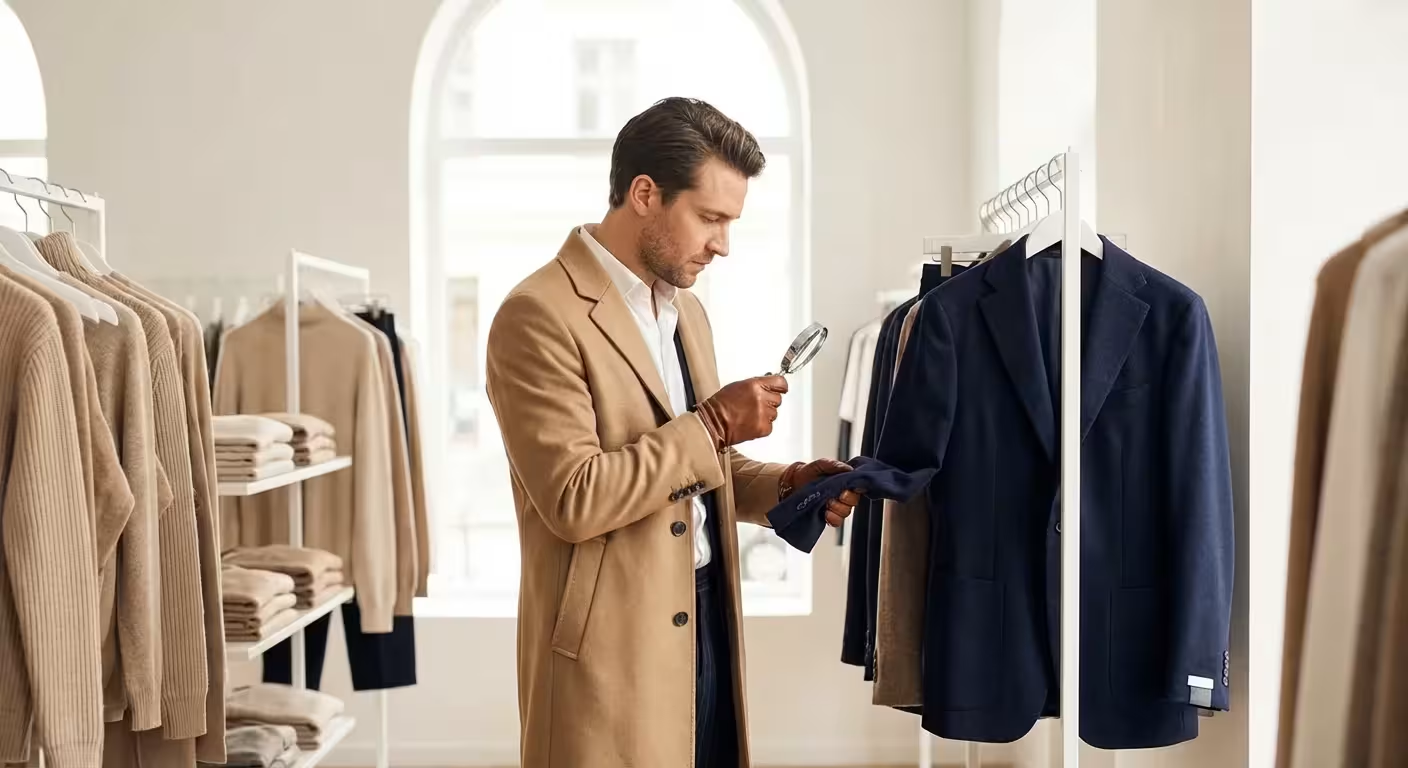
You pull a crisp, name-brand polo shirt out of your shopping bag—thrilled you paid only $25 for something with a suggested retail price of $75. It feels like a victory for your wallet until three washes later, when the collar curls and the side seams twist. This common frustration highlights the massive shift in how outlet malls operate today. While these shopping centers once served as “clearance centers” for overstocked or slightly flawed retail goods, the modern outlet mall is a different beast entirely. Today, a staggering majority of what you see on those racks was never intended for a high-end boutique.
According to research from groups like Consumer Reports, as much as 80% to 90% of merchandise in some outlet stores is manufactured specifically for the outlet. These “Made for Outlet” (MFO) products often use cheaper materials, simplified designs, and lower-quality construction to meet a lower price point. To protect your hard-earned money, you must learn to distinguish between a genuine retail bargain and a product designed to look like one.
The core of smart shopping habits involves looking past the “Compare At” price tag. Brands use these numbers as psychological anchors to make you feel like you are saving 50% or 70%. In reality, if the item was never sold at the higher price, that “savings” is purely theoretical. Understanding the distinction between retail and outlet quality ensures you buy items that actually last, rather than disposable fashion disguised as a luxury steal.

The Evolution of the Outlet Mall Business Model
In the 1980s and early 1990s, outlet malls were typically located in remote areas, far from the primary shopping districts. This was intentional. Brands used these locations to dump “seconds” (items with minor defects) and “remainders” (last season’s leftovers) without undercutting their full-price retail partners. If you found a Ralph Lauren shirt at an outlet in 1992, it was almost certainly the exact same shirt you saw at a high-end department store three months prior.
As the demand for discounted luxury grew, the supply of leftovers couldn’t keep up. To fill the massive square footage of modern outlet centers, brands began creating secondary production lines. These lines mimic the aesthetic of the main brand but prioritize cost-cutting in the manufacturing process. This shift turned outlet shopping from a treasure hunt for clearance goods into a distinct retail tier—one where the consumer often receives exactly what they pay for, rather than a high-end item at a discount.
“Beware of little expenses; a small leak will sink a great ship.” — Benjamin Franklin
This principle applies perfectly to outlet shopping. While $20 for a shirt seems like a “little expense,” if that shirt wears out in six months while a $40 retail version lasts three years, your “savings” actually cost you more over time. The “leak” in this case is the lower durability of MFO goods.
How to Decode the Label: Secret Brand Markers
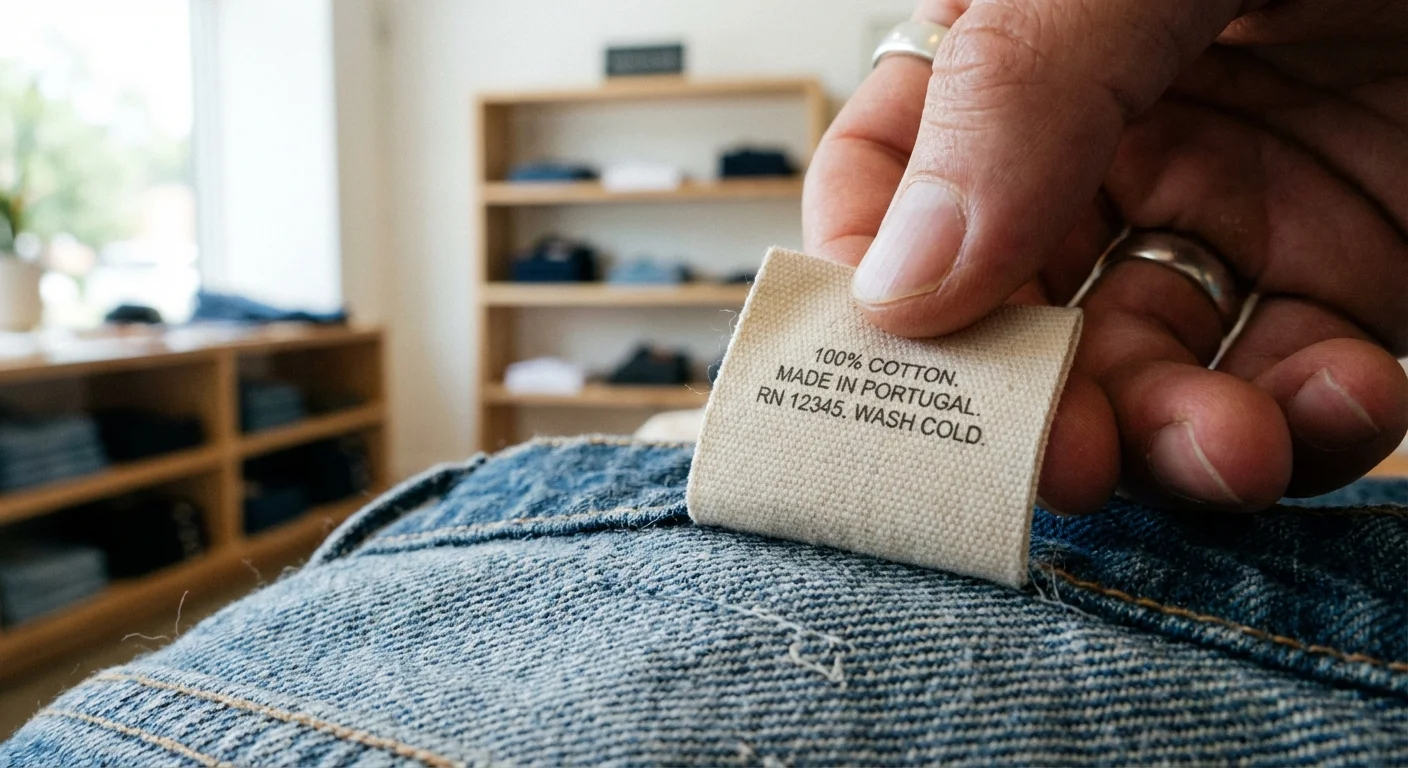
Most major brands do not hide the fact that they produce outlet-specific lines, but they do not advertise it either. They use subtle markers on the clothing tags or interior labels to help their own employees—and savvy shoppers—distinguish between the two tiers. If you want to master outlet mall shopping, you must learn these codes.
- J.Crew Factory: Look for two small diamonds or dots under the “J.Crew” name on the tag. If you see these, the item was made specifically for the factory store.
- Gap and Banana Republic: These brands often use three small squares or dots on the label to indicate an outlet-only item.
- Brooks Brothers: The retail line uses the “Golden Fleece” logo. The outlet line is often branded as “346,” named after the company’s famous flagship address, but manufactured to a different standard.
- Coach: Look for a small “F” at the beginning of the serial number on the interior leather “creed” patch. This “F” stands for “Factory.”
- Ann Taylor and LOFT: Items made for the outlet typically have a small square on the label.
Checking these labels is the fastest way to determine if you are looking at a retail leftover or a factory-made product. If the tag has these markers and the “Compare At” price seems too good to be true, you are likely looking at an item designed for the lower price point from day one.

Physical Quality Red Flags: What to Touch and Feel
Beyond the label, the physical construction of the garment tells the real story. Manufacturers use several common tactics to lower the cost of outlet goods. By training your eye—and your hands—to spot these differences, you can avoid the “quality trap.”
1. Fabric Composition and Weight
Retail versions of sweaters often use 100% natural fibers like wool, cashmere, or cotton. Outlet versions frequently blend these with synthetic “fillers” like polyester or acrylic. This keeps the price down, but it also increases the likelihood of pilling and static. Hold the fabric up to the light; MFO items are often thinner and more translucent than their retail counterparts.
2. Hardware and Fasteners
Zippers and buttons are expensive. Retail garments often feature YKK-branded metal zippers or genuine horn/mother-of-pearl buttons. Outlet versions might substitute these with unbranded plastic zippers or “plastic-horn” buttons. Check the weight of the zipper pull; if it feels flimsy or catches easily, it’s a sign of cost-cutting.
3. Stitching and Seams
Turn the garment inside out. High-quality retail items feature finished seams (like French seams) that prevent fraying. Outlet items often use a simple “overlock” stitch that leaves raw edges exposed. Furthermore, check the “stitch per inch” count. Lower-quality garments use fewer, longer stitches because it’s faster to manufacture, but these seams are significantly weaker.
4. Linings and Interfacing
A retail-quality blazer or skirt is almost always fully lined. This helps the garment hold its shape and drape correctly on your body. To save money, MFO brands often skip the lining entirely or use a cheap, non-breathable polyester lining. They also tend to use less “interfacing”—the hidden fabric that stiffens collars and cuffs—leading to that “floppy” look after a few washes.
Comparing Retail vs. Outlet: A Value Breakdown
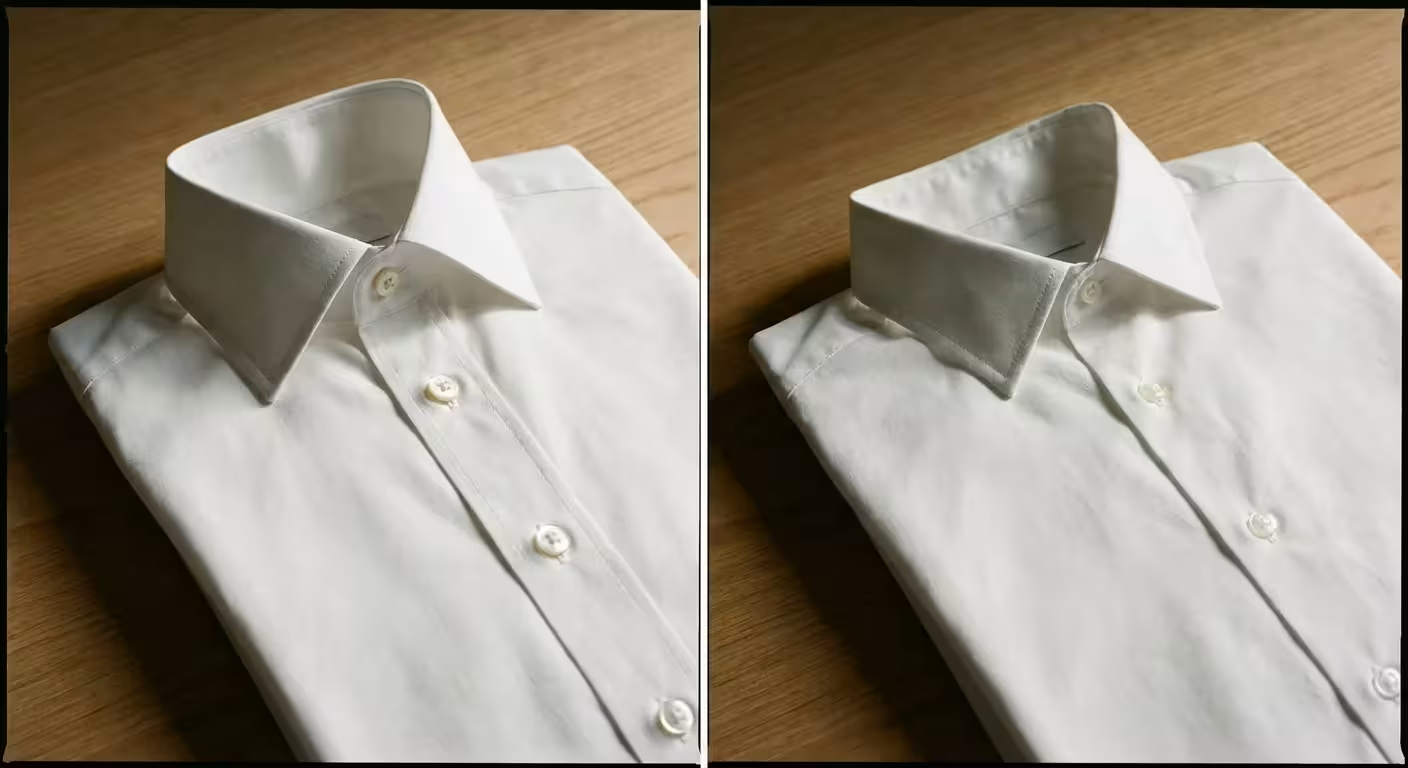
The following table illustrates the typical differences you might encounter when comparing a standard retail item to its “Made for Outlet” equivalent.
| Feature | Retail Store Quality | ‘Made for Outlet’ Quality |
|---|---|---|
| Fabric | Natural fibers (Cotton, Wool, Silk); heavier weight. | Synthetic blends (Polyester, Rayon); lighter weight. |
| Buttons/Hardware | Metal, bone, or wood; securely fastened. | Plastic; often loosely sewn. |
| Patterns | Patterns (stripes/plaids) match at the seams. | Patterns rarely align at the seams to save fabric. |
| Stitching | Tight, consistent, high stitch count. | Loose, long stitches; frequent loose threads. |
| Fit/Cut | Precise tailoring; multiple panels for shape. | Boxy, generic cuts; fewer fabric panels. |

Where People Overspend at Outlet Malls
The biggest trap at an outlet mall isn’t necessarily the lower quality of the clothes—it’s the psychological environment that encourages overspending. Retailers have spent decades perfecting the art of the “deal” to bypass your logical spending filters.
One major area of overspending is the Sunk Cost Fallacy. Because many outlet malls are located 45 to 60 minutes away from major cities, you feel a subconscious pressure to “make the trip worth it.” If you drive an hour and spend $20 on gas, you are less likely to leave empty-handed. This leads to purchasing items you don’t need or particularly like, simply because you don’t want to feel like you wasted the afternoon.
Another common mistake is ignoring the “Final Sale” trap. Many outlet stores have much stricter return policies than their retail counterparts. You might buy a pair of shoes that feels “okay” in the store, only to realize at home they pinch your toes. If the store only offers an exchange or store credit—or no return at all—you’ve just wasted money on an unusable product. Always verify the return policy at the register before you swipe your card.
Finally, consumers often overspend by assuming every store in an “Outlet Center” is actually an outlet. In recent years, full-price retailers have begun moving into these malls to capture the foot traffic. If you walk into a store and the prices look identical to the mall back home, it’s probably a standard retail branch, not a clearance center. Don’t let the “Outlet” sign on the mall entrance fool you into thinking everything inside is a bargain.

Smart Shopping Habits for Outlet Centers
You can still find genuine value at an outlet mall if you go with a plan. Success requires ignoring the bright red “70% OFF” signs and focusing on the utility of the items. Use these strategies to ensure your shopping trip actually saves you money.
Focus on Basics and “Workhorse” Items: Some items don’t require high-end construction to be useful. Plain cotton t-shirts, workout gear, and certain kitchenware (like Cast Iron from a Le Creuset outlet) are often excellent buys. If you’re buying a plain white undershirt, the difference between retail and outlet quality is often negligible compared to the price difference.
Shop the Clearance Racks, Not the Front of the Store: The front of an outlet store is usually filled with MFO merchandise. The true “retail transfers” (the items moved from high-end stores to clear space) are almost always tucked away on the clearance racks at the very back. Look for mismatched hangers or items with multiple red “markdown” stickers; these are the genuine bargains.
Check the “Compare At” Prices on Your Phone: Before you buy, use your phone to check the price of the same or similar item on the brand’s main website. You might find that the “discounted” outlet price is actually the same as the current sale price on their retail site—or that the retail site offers a better version for just a few dollars more. Tools like Consumer Reports or Clark Howard provide excellent guidance on spotting these pricing discrepancies.
Consider the “Cost Per Wear”: If you are buying a cocktail dress you will wear once, the outlet version is likely fine. However, if you are buying a winter coat or a pair of work boots that you expect to wear daily, the lower quality of an MFO item will lead to failure much sooner. In these cases, it is almost always cheaper to pay more for a retail-quality item that lasts five years than to replace an outlet version every year.
When to Call a Pro: The Tailor Advantage
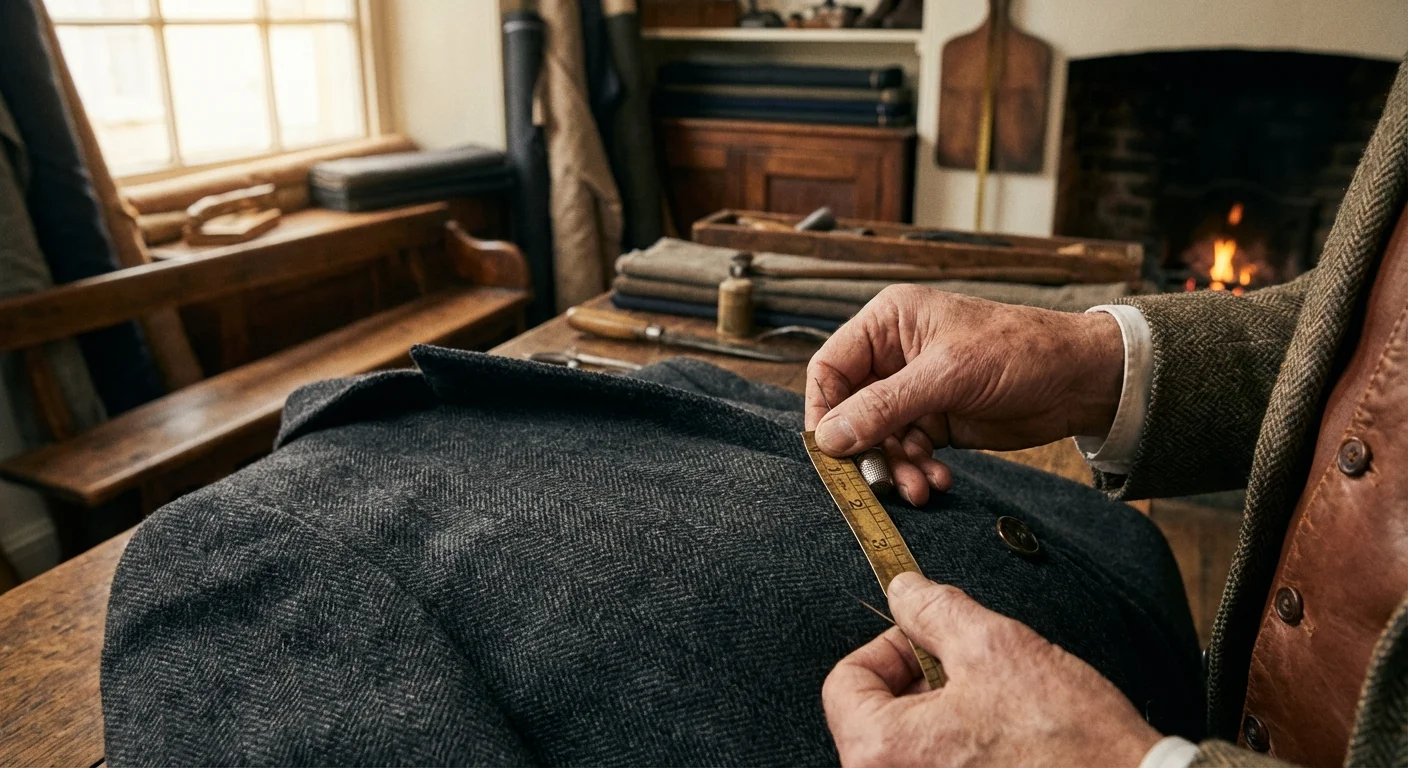
One way to bridge the gap between outlet prices and retail looks is by visiting a professional tailor. Even a lower-quality garment can look like a million bucks if it fits your body perfectly. Most outlet clothing is cut “boxy” to fit as many body types as possible, which often results in a sloppy appearance.
Spend $15 to $20 to have an outlet blazer nipped at the waist or a pair of outlet trousers hemmed to the correct length. However, be realistic—a tailor can fix the fit, but they cannot fix poor-quality fabric. If the material is already pilling or the seams are puckering, no amount of professional tailoring will save the garment. Only invest in alterations for outlet finds that have a solid fabric foundation and decent construction.
Frequently Asked Questions
Are all items at an outlet mall lower quality?
No, but the majority are. You can still find “retail transfers”—items that were once in full-price stores—by looking at the back clearance racks and checking for labels that lack the “outlet” markers mentioned earlier (like the J.Crew diamonds or Brooks Brothers 346 label).
Is it cheaper to shop at an outlet or wait for a retail store sale?
Often, waiting for a “End of Season” sale at a retail store provides better value. You get the higher-quality construction of the retail line at a price that frequently matches or beats the outlet price. The trade-off is that retail sales have more limited size and color availability.
How can I tell if an outlet price is actually a good deal?
Use your smartphone to search for the item’s SKU or name. If you can’t find it on the main retail website, it’s likely an MFO product. Compare the outlet price to the retail brand’s current sale section. If the difference is less than 20%, the higher-quality retail item is usually the better investment.
Does the Federal Trade Commission (FTC) regulate outlet pricing?
The Federal Trade Commission (FTC) has guidelines regarding deceptive pricing, specifically “fictitious” former prices. However, enforcement is difficult. If a brand sells an item exclusively in its outlet for $40 but lists a “Compare At” price of $80, they must be able to prove that $80 is a legitimate price for a similar item in the market. Many brands get around this by making very slight changes to the design.
The Bottom Line on Outlet Shopping
Shopping at an outlet mall isn’t inherently bad; you just have to know what you are actually buying. If you need inexpensive clothes for a rapidly growing child or basic items that you plan to replace frequently, “Made for Outlet” products can serve a purpose. However, if you are shopping for professional attire, investment pieces, or durable outdoor gear, you are likely better off shopping the clearance section of a traditional retail store or a trusted online discount site like Slickdeals.
The goal of smart shopping isn’t to spend the least amount of money possible in a single transaction; it is to get the most value for every dollar you spend. By learning to decode labels, feeling the fabric, and ignoring the psychological anchors of “suggested” prices, you put yourself in control of your budget. Don’t let the allure of a “bargain” distract you from the reality of the quality. True savings come from buying things once and having them last.
The savings estimates in this article are based on typical costs and may differ in your area. Always compare current prices and consider your household’s specific needs.
Last updated: February 2026. Prices change frequently—verify current costs before purchasing.







Leave a Reply